
Iboga
Strength
9 / 10
Type of Effect
Hallucinogenic
Method of use
Oral
Origin
Central West Africa
Duration
24-48 hours
Traditional Use
Spiritual, Addiction
What is Iboga?
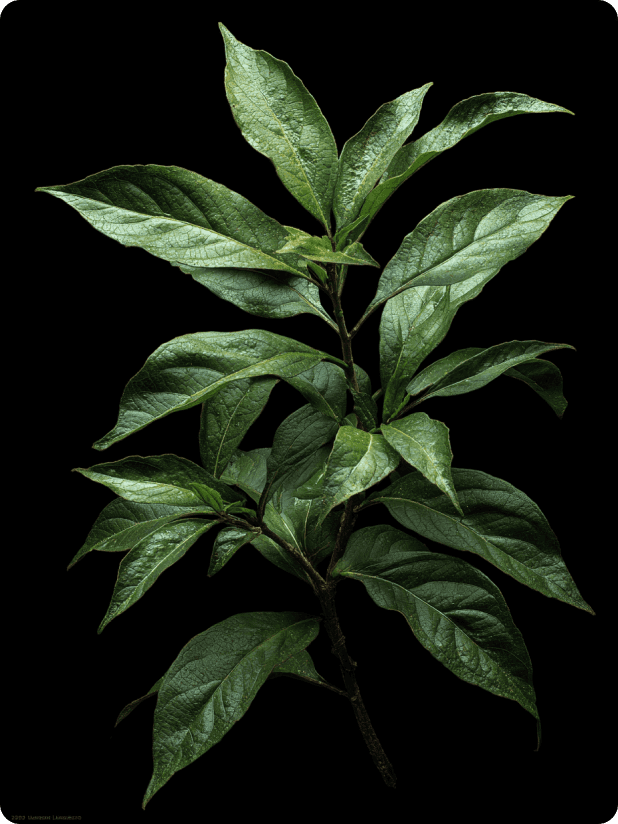
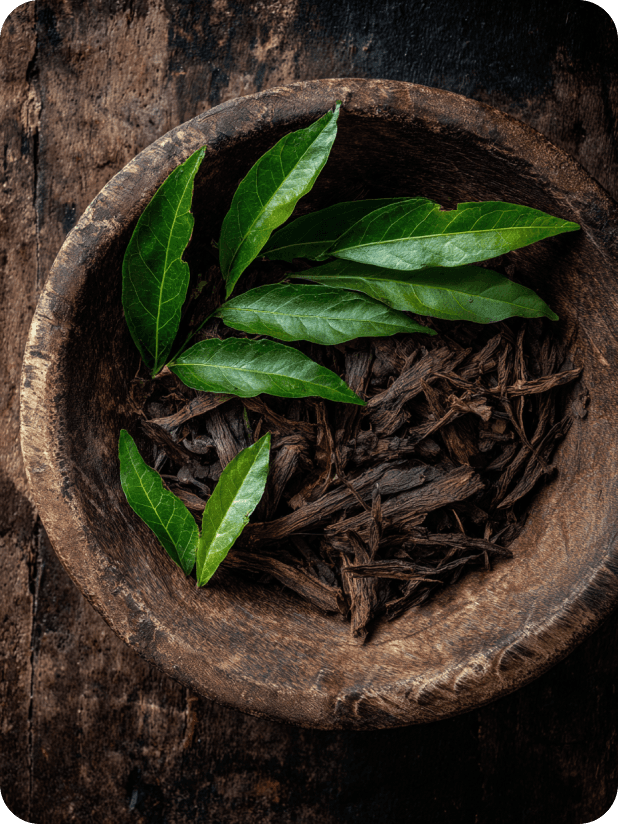
Iboga is a powerful African plant medicine made from the root bark of a shrub called Tabernanthe iboga. It has been used for centuries in Central Africa, especially in spiritual initiation and healing rituals.
Iboga is very different from substances like mushrooms or ayahuasca.
It is not gentle, not dreamy, and not emotional in a soft way.
Iboga is often described as direct, serious, and uncompromising.
Many people call it a “life review medicine”.
Where does Iboga come from?
Iboga comes from the rainforests of Central Africa and is traditionally used in Bwiti ceremonies, which mark major life transitions such as initiation into adulthood, healing crises, or deep personal transformation.
In these traditions, Iboga is treated with great respect. It is not taken casually, frequently, or for curiosity.
What is Ibogaine?
Iboga contains several active compounds, the most well-known being ibogaine.
Ibogaine affects:
The nervous system
Memory processing
Addiction pathways
Awareness and attention
In modern contexts, ibogaine has become known for its use in addiction interruption, especially with opioids. However, traditional Iboga use is much broader and more spiritual in nature.
What does Iboga do?
Iboga works in a very structured and cognitive way.
Mental and psychological effects
Extremely clear thinking
Detailed memory recall (sometimes from childhood)
Seeing life events in sequence
Understanding cause and effect in your own behavior
Reduced self-deception
Emotional effects
Emotions are present but not overwhelming
Less emotional drama, more emotional truth
Less crying, more understanding
A strong sense of responsibility
Physical effects
Strong body load
Nausea and vomiting are common
Long duration (often 24–36 hours or more)
Physical exhaustion
Iboga does not dissolve you into feelings.
It puts you face to face with yourself.
What does an Iboga experience feel like?
Many people describe Iboga as:
Being shown your entire life on fast-forward
Watching yourself from the outside
Being unable to lie to yourself
Receiving very clear instructions
Feeling mentally awake even when physically exhausted
There are often visions, but they are usually realistic, memory-based, and structured, rather than abstract or colorful.
Iboga feels less like dreaming and more like reviewing a hard drive.
Why do people work with Iboga?
People turn to Iboga for very specific reasons, such as:
Breaking addictions or destructive cycles
Understanding deep life patterns
Gaining clarity about purpose and direction
Confronting long-avoided truths
Resetting behavior, not just emotions
Iboga is often chosen when someone feels stuck, numb, lost, or repeating the same life mistakes.
Iboga and addiction
Ibogaine is known for its ability to:
Reduce or eliminate withdrawal symptoms
Interrupt addictive cravings
Create distance from compulsive behavior
However, this does not mean addiction is “cured”.
Iboga may open a door, but long-term change still requires:
Integration
Lifestyle changes
Support systems
Personal responsibility
Iboga gives clarity. What you do with it is up to you.
Is Iboga safe?
Iboga is not safe for everyone.
It carries real medical risks, especially related to:
The heart
Liver function
Electrolyte balance
Iboga should never be taken:
Without medical screening
Without experienced supervision
In casual or underground settings
Responsible Iboga work includes:
ECG heart screening
Medical monitoring
Proper dosing
Trained facilitators
Long recovery time afterward
Iboga is one of the most demanding plant medicines.
The role of intention
With Iboga, intention matters, but honesty matters more.
Iboga does not respond well to vague curiosity.
Clear intentions work best, such as:
“Show me why I am stuck”
“Help me understand my patterns”
“Show me what I must change”
Iboga is less about comfort and more about truth.
Integration: the real test
Iboga does not slowly fade.
It leaves clear instructions.
Integration often means:
Changing daily habits
Ending harmful relationships
Taking responsibility for choices
Acting on what was shown
Accepting consequences
Many people say Iboga is not hard because of the experience, but because it makes it impossible to ignore what you know afterward.
Iboga vs other psychedelics
Compared to other medicines:
Less emotional than mushrooms
Less mystical than ayahuasca
Less playful than LSD
More grounding, serious, and demanding
Iboga is often described as:
A judge
A mirror
A strict teacher
A reset button
It does not ask. It tells.
A final note
Iboga is not about feeling good.
It is about seeing clearly.
For those who are ready, prepared, and properly supported, Iboga can bring deep clarity, responsibility, and life-altering insight.
But Iboga is not for exploration.
It is for commitment.
If you choose Iboga, you are choosing to meet yourself without excuses.