Caapi Vine
Strength
4 / 10
Type of Effect
Hallucinogenic
Method of use
Oral (Brew)
Origin
Amazon Basin
Duration
4-6 hours
Traditional Use
Spiritual, Healing
What is the Caapi Vine?
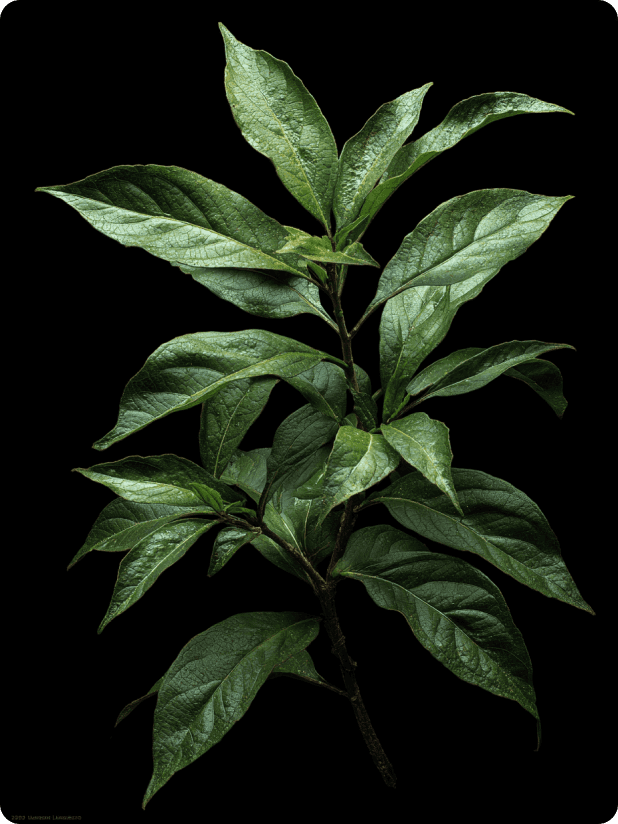
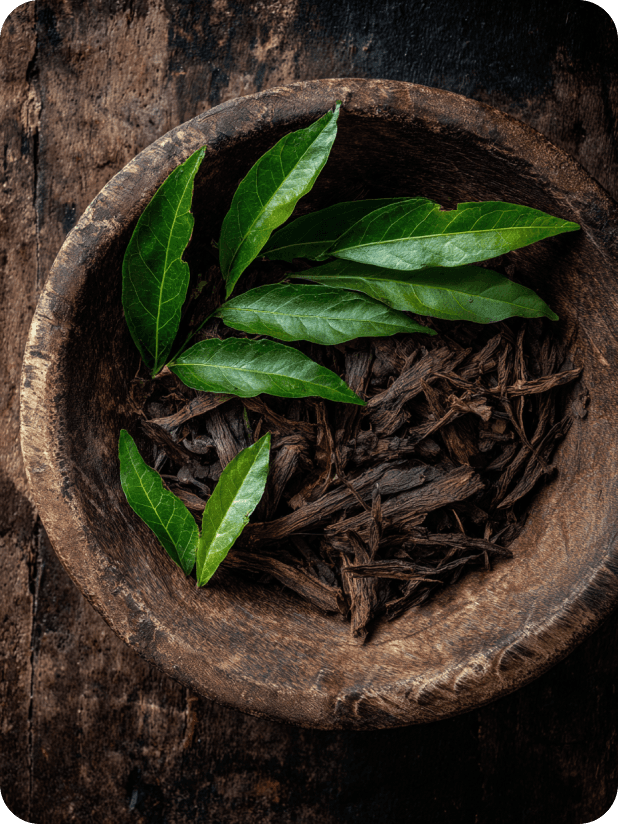
The Caapi Vine (Banisteriopsis caapi) is the backbone of ayahuasca. It is often called the vine of the soul and is considered the true teacher in traditional Amazonian medicine.
While ayahuasca is commonly associated with visions and DMT, many Indigenous traditions say:
The vine is the intelligence. The leaves only show the images.
On its own, Caapi is not a strong visual psychedelic.
Its power is subtle, deep, and structural.
Caapi works slowly, patiently, and intelligently.
Where does the Caapi Vine come from?
Caapi grows naturally in the Amazon rainforest, especially in:
Peru
Brazil
Colombia
Ecuador
For generations, it has been used by Indigenous cultures for:
Healing
Teaching
Community ceremonies
Emotional and spiritual balance
Caapi is treated as a living being, not a substance.
What makes Caapi psychoactive?
Caapi contains harmala alkaloids, mainly:
Harmine
Harmaline
Tetrahydroharmine
These compounds act as MAO inhibitors, meaning they change how certain chemicals are processed in the brain.
But Caapi is not just chemistry.
Unlike Syrian Rue, which is harsh and forceful, Caapi’s MAO inhibition feels:
Softer
More embodied
More emotionally intelligent
Caapi does not push.
It guides.
What does Caapi do on its own?
Taken without DMT-containing plants, Caapi creates a gentle but profound altered state.
Mental and emotional effects
Deep introspection
Emotional clarity
Reduced mental noise
Feeling emotionally held or supported
Psychological effects
Increased self-honesty
Understanding patterns and relationships
Emotional regulation
Sense of meaning and coherence
Physical effects
Light nausea or purging in some cases
Relaxed but alert body state
Warmth in the chest or stomach
Caapi often feels like therapy without words.
What does a Caapi experience feel like?
People often describe Caapi as:
A calm, wise presence
A maternal or guiding intelligence
Emotionally grounding
Slow and steady
There may be:
Few or no visuals
Emotional memories
Gentle insights
A strong sense of safety
Caapi works below the surface, rearranging things quietly.
Why is Caapi so important in Ayahuasca?
In ayahuasca brews, Caapi:
Makes DMT orally active
Shapes the emotional tone
Guides the experience
Provides structure and safety
Without Caapi, ayahuasca would be:
Chaotic
Overwhelming
Less integrated
Many experienced practitioners say:
DMT shows you things. Caapi teaches you how to understand them.
Caapi vs Syrian Rue
Although both are MAO inhibitors, they feel very different.
Caapi:
Warm
Relational
Emotionally intelligent
Guiding
Syrian Rue:
Harsh
Physically intense
Mentally heavy
Confrontational
Caapi feels like a conversation.
Syrian Rue feels like a test.
Is Caapi safe?
Caapi is considered much gentler than many psychoactive plants, but it still requires respect.
Important considerations:
MAO inhibition means food and medication interactions matter
Not suitable for everyone
Should be used with preparation and guidance
That said, Caapi alone is often described as one of the safest and most therapeutic plant medicines when used responsibly.
The role of intention
Caapi responds strongly to gentle, honest intentions.
Helpful intentions include:
“Help me understand myself”
“Bring balance”
“Show me what needs care”
“Help me feel safe”
Caapi does not respond to force.
It responds to sincerity.
Integration: slow and lasting change
Caapi’s effects often continue long after the experience.
Integration may show up as:
Improved emotional regulation
Healthier relationships
Greater patience
Clearer boundaries
A sense of inner stability
The changes are often quiet but permanent.
Caapi in modern contexts
Today, Caapi is increasingly used:
On its own, without DMT
In therapeutic and ceremonial settings
As a heart-centered plant medicine
As interest grows, respect for:
Indigenous knowledge
Sustainable harvesting
Proper preparation
becomes essential.
Caapi is not a shortcut.
It is a relationship.
A final note
The Caapi Vine does not overwhelm, impress, or shock.
It teaches through presence, patience, and care.
If ayahuasca is a journey,
Caapi is the one who walks with you.
For those who listen instead of demand, the vine offers something rare in altered states: clarity without chaos, depth without fear, and transformation without force.