Yopo
Strength
6 / 10
Type of Effect
Hallucinogenic
Method of use
Nasal (Snuff)
Origin
South America
Duration
15-60 minutes
Traditional Use
Shamanic, Spiritual
What is Yopo?
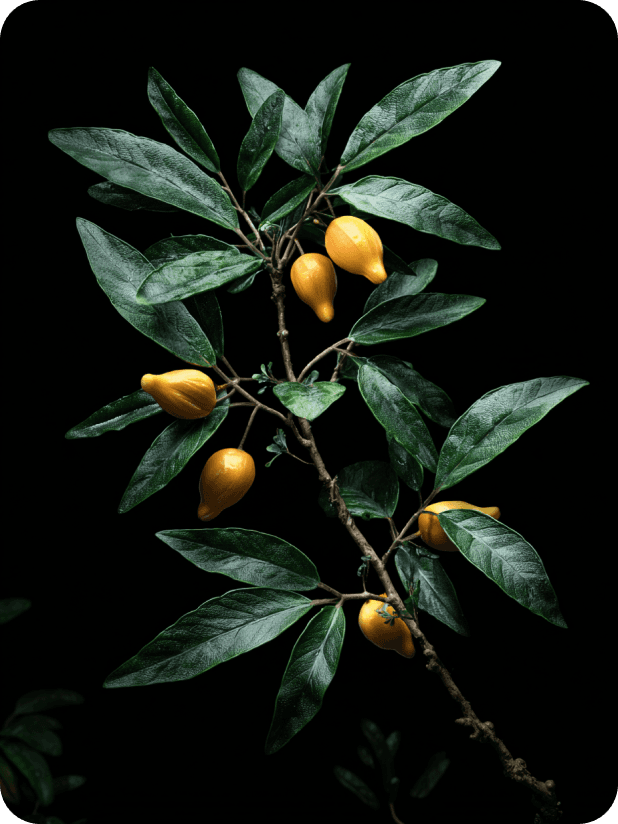
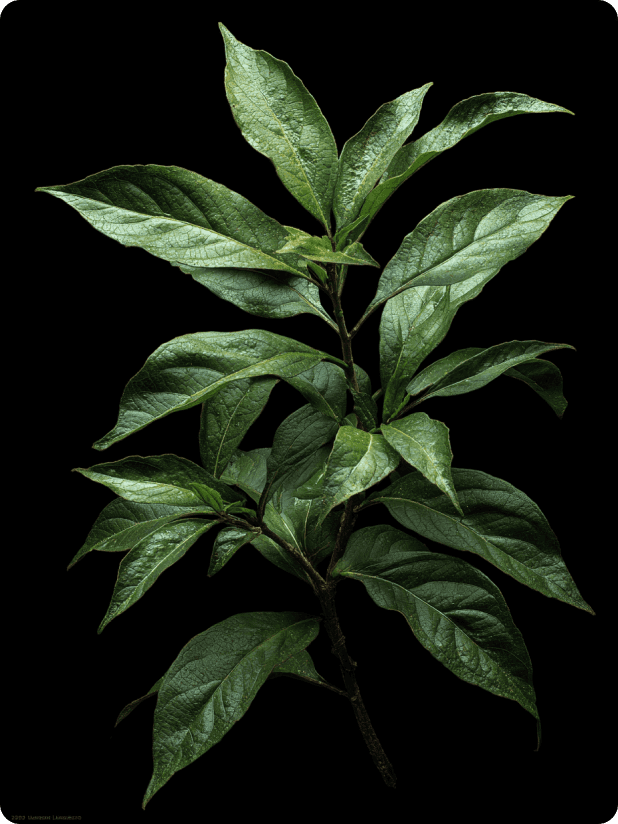
Yopo is a powerful psychoactive snuff made from the seeds of a tree native to South America. It has been used for thousands of years by Indigenous cultures, especially in the Amazon and Orinoco regions.
Yopo is not drunk like ayahuasca and not eaten like mushrooms.
It is traditionally blown or inhaled through the nose, often with the help of another person.
Yopo is intense, fast, and direct.
It does not slowly open.
It hits quickly and strongly.
Where does Yopo come from?
Yopo comes from tropical regions of:
Venezuela
Colombia
Brazil
The Caribbean
Indigenous tribes used yopo in:
Healing rituals
Divination
Decision-making
Communication with the spirit world
Yopo was often taken by shamans, elders, or warriors, not casually or frequently.
What is Yopo made of?
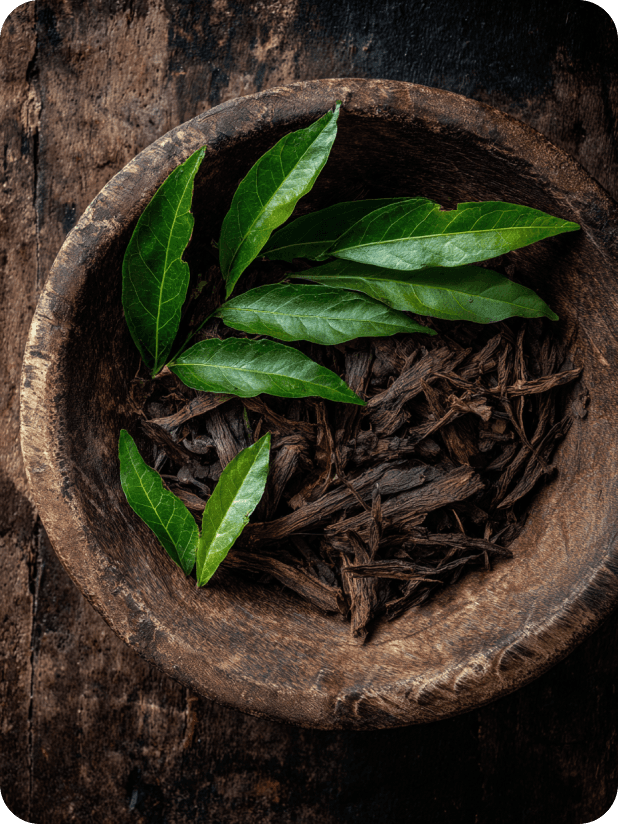
Yopo snuff is made by:
Harvesting the seeds
Drying and grinding them
Mixing them with alkaline substances (often plant ash or lime)
The active compounds include DMT and related tryptamines, which are absorbed rapidly through the nasal passages.
This method makes the experience shorter but more abrupt than ayahuasca.
What does Yopo do?
Yopo creates a sudden shift in perception and awareness.
Mental and perceptual effects
Strong visual patterns and flashes
Rapid thoughts or messages
Feeling pulled into another layer of reality
Altered sense of time and space
Emotional effects
Intensity rather than warmth
Focus rather than comfort
Emotional neutrality or sharp insight
Physical effects
Strong burning sensation in the nose
Watering eyes and mucus release
Temporary loss of coordination
Strong bodily discomfort at first
Yopo is often described as harsh at the start, then revealing.
What does a Yopo experience feel like?
People often describe Yopo as:
Being suddenly “launched” inward
Receiving fast, symbolic information
Feeling small in front of something vast
Experiencing visions without emotional storytelling
The experience usually lasts 15–45 minutes, but can feel much longer.
Yopo does not guide gently.
It delivers.
Why do people use Yopo?
Traditionally, Yopo was used for:
Gaining insight or answers
Communicating with spirits
Diagnosing illness
Making important decisions
In modern contexts, people are drawn to Yopo for:
Curiosity about strong altered states
Short but intense visionary experiences
Exploration of ancient shamanic practices
Yopo is not typically used for emotional healing or comfort.
Yopo vs Ayahuasca
Although both involve DMT-related compounds, they feel very different.
Ayahuasca:
Long
Emotional
Narrative
Guided
Yopo:
Short
Sharp
Intense
Minimal storytelling
Ayahuasca teaches through journeys.
Yopo teaches through impact.
Is Yopo safe?
Yopo is not physically gentle, but its risks are usually related to:
Improper preparation
Incorrect dosage
Nasal damage
Lack of guidance
Important considerations:
Extremely unpleasant nasal sensation
Potential vomiting or dizziness
Psychological overwhelm if unprepared
Yopo should never be used casually or alone.
The role of intention
With Yopo, intention must be clear and focused.
Yopo does not respond well to vague curiosity.
Helpful intentions are direct:
“Show me what I need to know”
“Give me clarity”
“Help me see beyond confusion”
There is little time to adjust once it begins.
Integration: making sense of brief intensity
Because Yopo is short, integration is essential.
Helpful practices include:
Sitting quietly afterward
Writing or drawing what was seen
Discussing with experienced guides
Avoiding over-interpretation
Yopo experiences can feel fragmented at first.
Meaning often comes later.
Yopo today
Today, Yopo is far less known than ayahuasca, partly because:
It is physically uncomfortable
It is intense and demanding
It lacks the emotional softness many people seek
But historically, it was one of the most important visionary tools in South America.
Yopo is not about feeling good.
It is about seeing clearly, quickly.
A final note
Yopo does not welcome you.
It confronts you.
It does not hold your hand.
It points, sharply.
For those who approach it with respect, preparation, and humility, Yopo can feel like a sudden opening into something ancient and impersonal, a reminder that knowledge does not always arrive gently, and clarity is not always comfortable.