Sananga
Strength
2 / 10
Type of Effect
Visionary, Healing
Method of use
Eye Drops
Origin
Amazon Basin
Duration
Minutes
Traditional Use
Healing, Spiritual
What is Sananga?
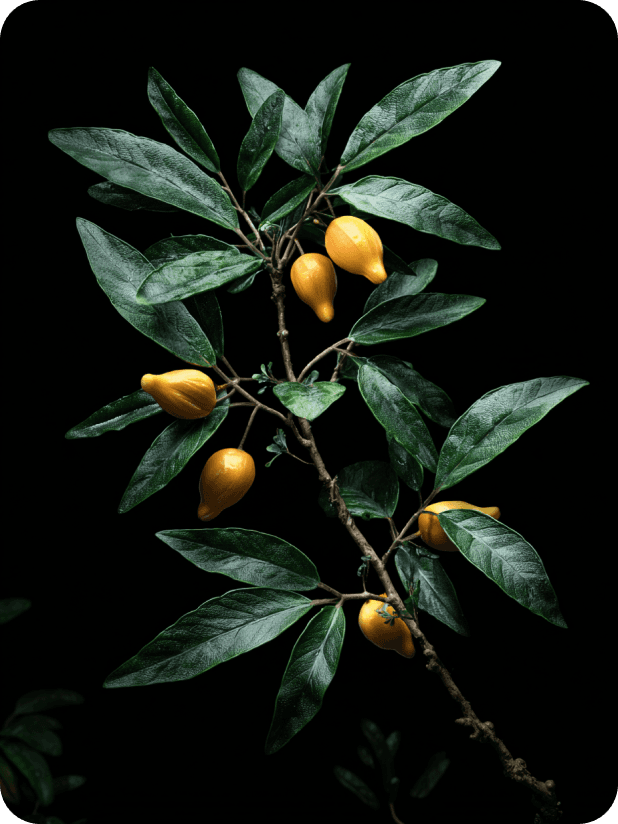
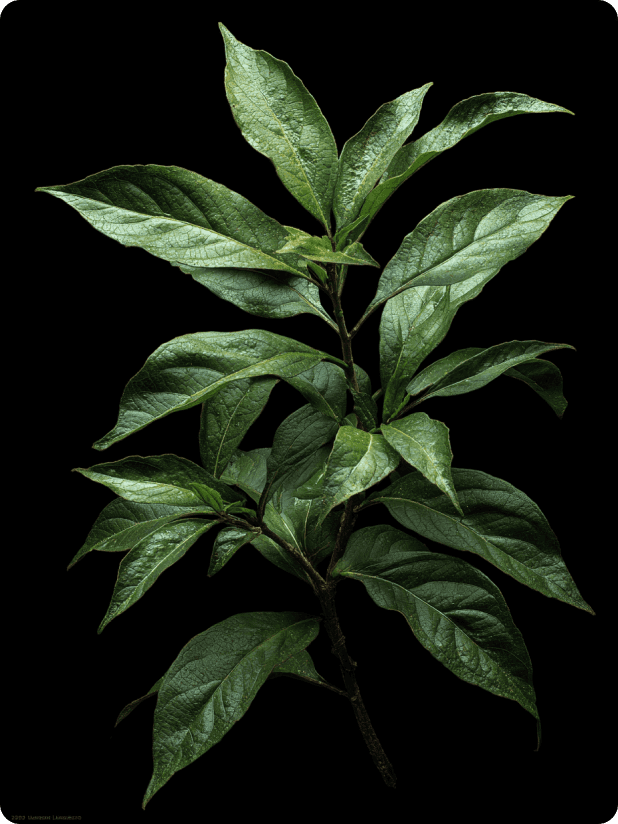
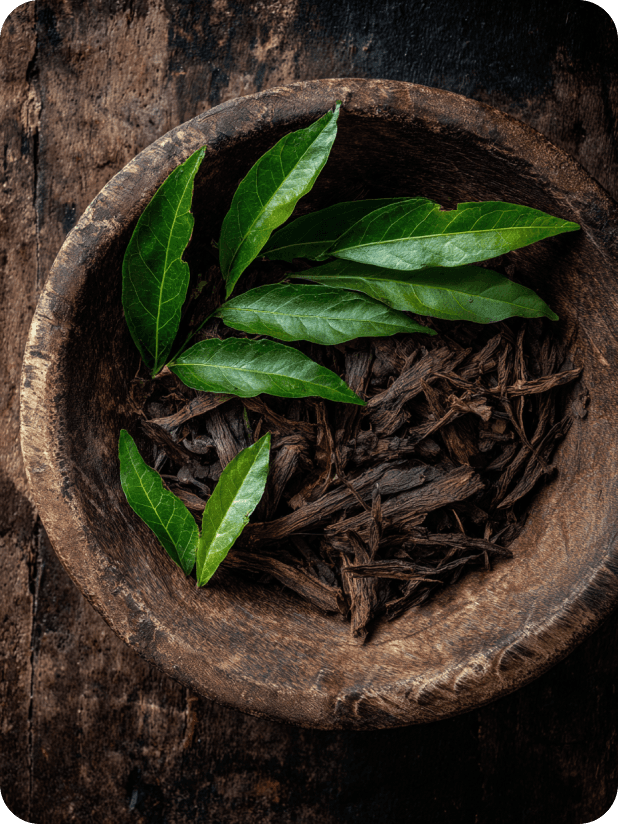
Sananga is a traditional Amazonian eye medicine made from the roots or bark of specific jungle plants, most commonly from the Tabernaemontana family.
Sananga is not a psychedelic.
It does not create visions, altered realities, or journeys.
Its effects are immediate, intense, and grounding.
Sananga works through pain, clarity, and reset, not imagination.
Where does Sananga come from?
Sananga comes from the Amazon rainforest, where it has been used for generations by Indigenous tribes, especially in:
Brazil
Peru
Traditionally, sananga is used by:
Hunters
Healers
Community members
Children and elders alike
It is considered daily medicine, not a rare or ceremonial substance.
What is Sananga used for traditionally?
In Indigenous contexts, sananga is used to:
Improve eyesight and visual focus
Remove “panema” (bad luck, mental fog, energetic heaviness)
Increase alertness and hunting precision
Ground the mind and body
Clear emotional and mental blockages
Sananga is about clarity and alignment, not exploration.
What makes Sananga active?
Sananga contains plant alkaloids and compounds that:
Strongly stimulate the optic and trigeminal nerves
Cause an intense burning sensation
Trigger tearing and nervous system activation
The effect is local and systemic, even though it is applied only to the eyes.
Sananga does not work on serotonin or dopamine pathways like psychedelics.
It works through direct nervous system shock and reset.
How is Sananga applied?
Sananga is applied as:
1–2 drops in each eye
Immediately after application:
The eyes burn intensely
Vision blurs temporarily
Tears flow strongly
The body may tense or shake
This phase usually lasts 1–5 minutes.
Afterward, the sensation clears suddenly.
What does Sananga do?
Immediate effects
Strong burning and discomfort
Forced stillness and presence
Emotional release in some people
Temporary visual distortion
After-effects
Clearer, sharper vision
Mental quiet
Strong grounding
Emotional neutrality or calm
Heightened alertness
Sananga does not distract you from the body.
It forces full presence.
What does a Sananga experience feel like?
People often describe sananga as:
Extremely uncomfortable for a short time
Impossible to ignore
Emotionally cleansing
Surprisingly calming afterward
Some people experience:
Emotional release
Crying without clear reason
A sense of “reset” or emptiness
Clear-headed stillness
Sananga does not feel symbolic.
It feels direct and uncompromising.
Why do people use Sananga today?
In modern contexts, sananga is used for:
Mental grounding
Clearing emotional heaviness
Preparing for meditation or ceremony
Nervous system reset
Visual clarity (subjective)
It is often used:
Before rapé
Before psychedelic ceremonies
During grounding or integration periods
Is Sananga safe?
Sananga is not gentle, but it is generally considered safe when:
Properly prepared
Fresh and uncontaminated
Used with moderation
Applied by someone experienced
Important cautions:
Should not be overused
Can irritate sensitive eyes
Not all sananga preparations are the same strength
Sananga should never be treated casually or playfully.
Sananga vs psychedelics
The difference is absolute.
Psychedelics:
Alter perception
Create insight through experience
Work through the mind
Sananga:
Does not alter reality
Does not create visions
Works through pain and clarity
Resets attention
Psychedelics expand.
Sananga cuts through.
The role of intention
Sananga responds strongly to clear, grounded intention.
Common intentions include:
“Clear my vision”
“Remove what is blocking me”
“Bring me into the present”
“Reset my mind”
Without intention, sananga feels like pain.
With intention, it feels precise.
Integration: clarity after intensity
Integration with sananga is simple but important.
After application:
Sit still
Let the eyes rest
Do not rush back into stimulation
Notice the quiet that follows
The medicine works in the contrast:
intensity followed by stillness.
Sananga in modern use
As sananga spreads outside the Amazon, it is sometimes:
Romanticized
Overused
Treated as a “quick fix”
This misses its nature.
Sananga is not a trend.
It is functional medicine.
A final note
Sananga does not teach with words, visions, or insight.
It teaches with direct experience.
It burns away distraction and leaves you with what remains.
For a brief moment, there is nowhere to go, nothing to think about, and no story to hold onto.
Only presence.
And sometimes, that is exactly the medicine.