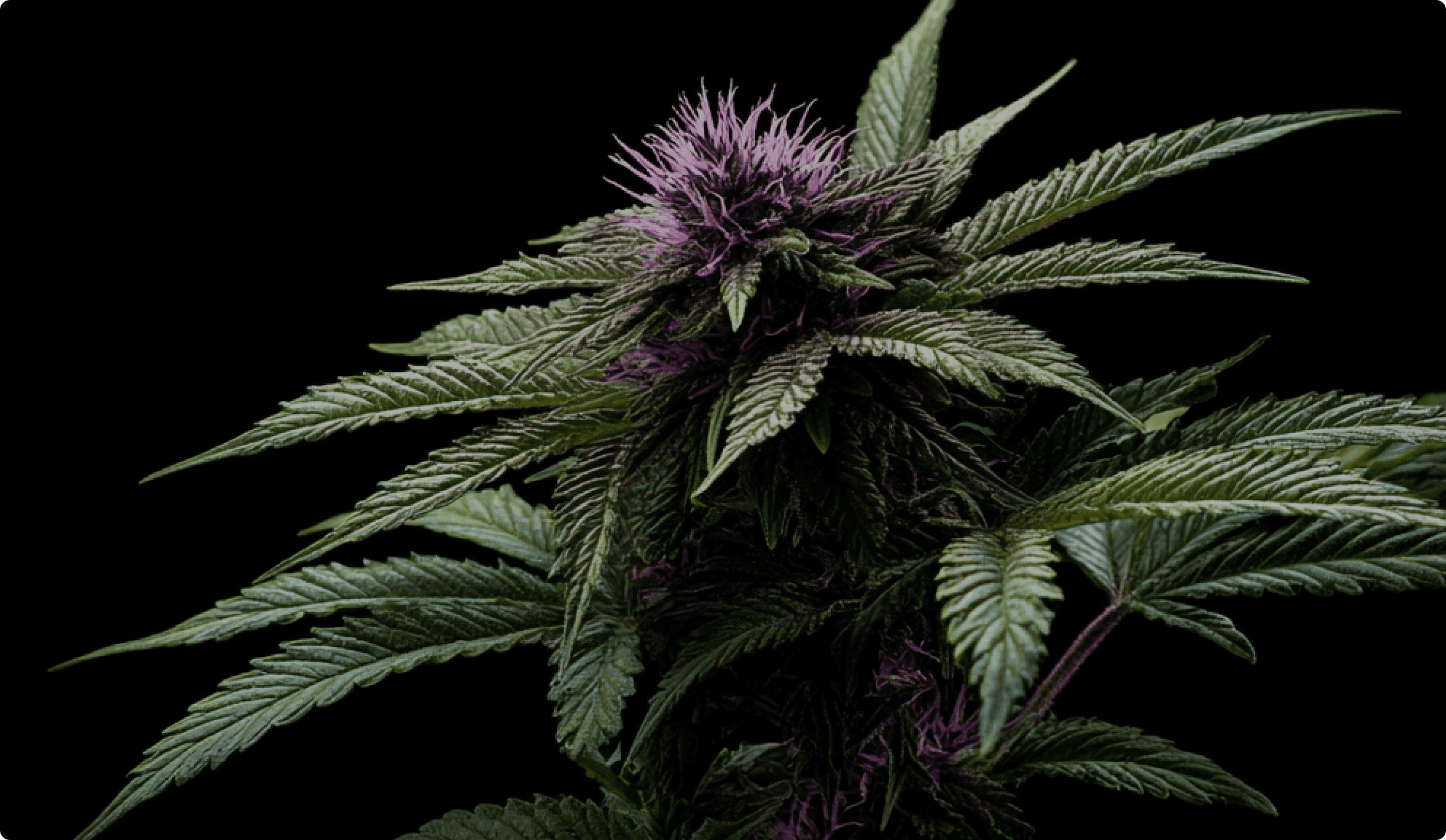

Cannabis
Strength
4 / 10
Type of Effect
Relaxing, Euphoric
Method of use
Smoking, Oral
Origin
Central Asia
Duration
2-6 hours
Traditional Use
Medicinal, Recreational, Pain, Anxiety, Epilepsy
What is Cannabis?
Cannabis is one of the oldest and most widely used psychoactive plants in human history. It has been used for thousands of years for medicine, ritual, relaxation, creativity, and social connection.
Unlike many other substances in Psylopedia, cannabis is familiar, everyday, and normalized in many cultures. This can make its effects easy to underestimate.
Cannabis is not a classic psychedelic.
It is a consciousness modulator.
It changes how thoughts, emotions, memory, and perception flow, often in subtle but powerful ways.
Where does Cannabis come from?
Cannabis likely originated in Central Asia and spread across the world through trade and cultivation.
It has been used historically in:
Ancient China (medicine and ritual)
India (spiritual and religious use)
The Middle East (hashish traditions)
Africa (ritual and social use)
Modern global culture (medical and recreational)
Few plants have shaped human culture as widely or as continuously.
What makes Cannabis psychoactive?
Cannabis contains cannabinoids, the most important being:
THC (tetrahydrocannabinol) – the main psychoactive compound
CBD (cannabidiol) – non-intoxicating, modulates effects
Many others that subtly shape the experience
THC works by interacting with the endocannabinoid system, a system already present in the human body that regulates:
Mood
Memory
Appetite
Stress
Pain
Sleep
This is why cannabis can feel both natural and disorienting at the same time.
What does Cannabis do?
Cannabis effects vary greatly depending on:
Dose
Strain and cannabinoid balance
Method of use
Individual sensitivity
Mindset and environment
Mental effects
Altered thought patterns
Increased association and creativity
Slower or looping thoughts
Heightened introspection
Emotional effects
Relaxation or anxiety
Emotional openness
Heightened sensitivity
Amplification of current mood
Perceptual effects
Enhanced music and sound
Increased appreciation of texture, taste, and color
Subtle visual changes at higher doses
Altered sense of time
Physical effects
Body relaxation or heaviness
Increased appetite
Reduced pain
Sleepiness or stimulation
Cannabis amplifies what is already present rather than creating a new state from scratch.
What does a Cannabis experience feel like?
People often describe cannabis as:
A mental softener
A lens that changes perspective
A way to step slightly outside normal thinking
A bridge between sober and altered states
At low doses, it can feel:
Calm
Playful
Creative
At higher doses, it can feel:
Intense
Confusing
Anxious
Dissociative
Cannabis does not guide the experience.
It magnifies it.
Why do people use Cannabis?
People use cannabis for many reasons, including:
Relaxation and stress relief
Pain management
Sleep
Creativity and focus
Emotional processing
Social bonding
Spiritual or contemplative practices
Some people use it daily.
Others use it rarely and intentionally.
Both patterns shape the experience differently.
Cannabis and introspection
Cannabis is often underestimated as a tool for introspection.
It can:
Slow down automatic thinking
Make inner dialogue more noticeable
Bring suppressed emotions to awareness
Reveal habits and patterns
But it can also:
Create avoidance
Encourage overthinking
Blur motivation
Become a way to escape discomfort
Cannabis is reflective, not directive.
Is Cannabis safe?
Cannabis is generally considered physically low-risk, but it is not risk-free.
Potential challenges include:
Anxiety or paranoia
Memory impairment
Reduced motivation with frequent use
Dependence in some people
Emotional dulling with long-term heavy use
It can be especially destabilizing for people prone to:
Anxiety disorders
Dissociation
Psychosis
Dose and frequency matter greatly.
Cannabis vs psychedelics
Cannabis is sometimes compared to psychedelics, but the difference is important.
Psychedelics:
Disrupt normal perception
Create structured altered states
Often feel external or guided
Cannabis:
Modulates existing perception
Keeps you inside yourself
Feels familiar, even when strange
Psychedelics open doors.
Cannabis tilts the room.
The role of intention
Because cannabis amplifies internal states, intention is crucial.
Helpful intentions include:
“Help me relax”
“Help me listen to myself”
“Help me slow down”
“Help me focus on this moment”
Using cannabis without intention often leads to habit.
Using it with intention can lead to insight.
Integration: everyday influence
Cannabis integration is less about “after” and more about pattern awareness.
Questions worth asking:
Does this bring clarity or avoidance?
Does it support presence or numb it?
Does it deepen life or delay it?
Cannabis rarely forces change.
It quietly shapes direction over time.
Cannabis in modern life
Cannabis now exists in many forms:
Medicine
Recreation
Wellness
Culture
Business
This accessibility makes self-awareness even more important.
Cannabis is neither a cure nor a problem by default.
It is a tool.
A final note
Cannabis is not dramatic.
It does not shatter reality or deliver revelations.
Its power is quieter and more personal.
Used consciously, it can soften, open, and reveal.
Used unconsciously, it can blur, numb, and distract.
Cannabis teaches through repetition, not intensity.
And what it teaches depends entirely on how, why, and how often you listen.