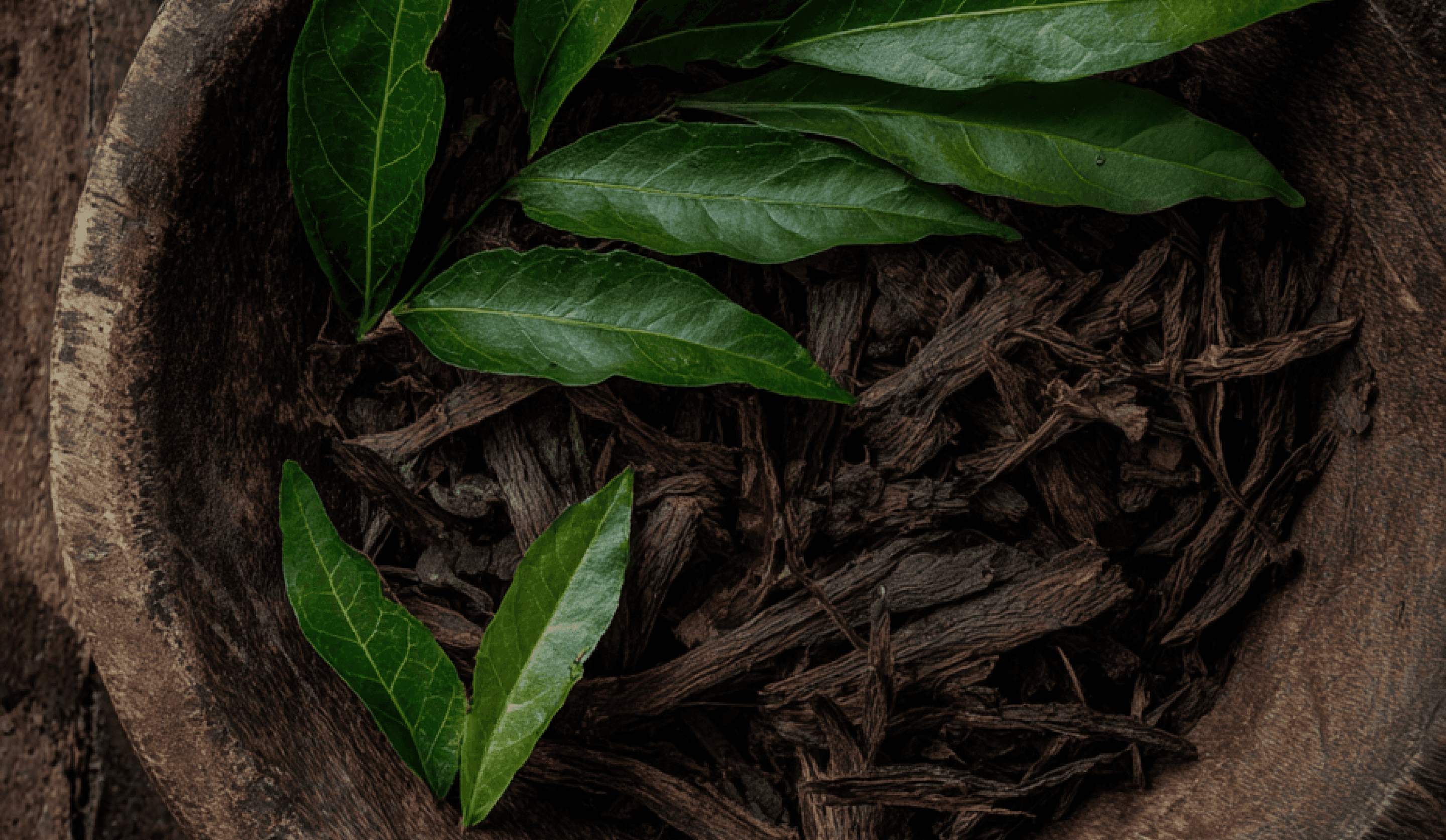
Coca Leaves
Strength
3 / 10
Type of Effect
Stimulant
Method of use
Chewing
Origin
South America
Duration
1-2 hours
Traditional Use
Medicinal, Ritualistic
What are Coca Leaves?
Coca leaves come from the coca plant (Erythroxylum coca) and have been used for thousands of years by Indigenous peoples of the Andes.
Coca leaves are not cocaine.
This distinction is essential.
In their natural form, coca leaves are a mild stimulant, tonic, and cultural medicine, not an intoxicating drug. Their effects are subtle, functional, and deeply tied to daily life in high-altitude regions.
Coca is about endurance, balance, and clarity, not euphoria.
Where do Coca Leaves come from?
Coca plants grow naturally in:
Peru
Bolivia
Colombia
Ecuador
For Andean cultures, coca is:
Sacred
Practical
Everyday
Coca leaves have been used for:
High-altitude adaptation
Long workdays
Hunger suppression
Fatigue reduction
Ritual and prayer
Coca is woven into daily life, not separated as a “drug”.
What makes Coca Leaves psychoactive?
Coca leaves contain:
Very small amounts of natural cocaine alkaloids
Many other compounds that soften and balance the effect
When chewed or brewed as tea, these alkaloids are:
Absorbed slowly
Mild in effect
Buffered by the plant’s full chemistry
This creates a gentle stimulation, not intoxication.
There is no rush, no high, and no crash.
What do Coca Leaves do?
Coca leaves produce a clear, steady, functional state.
Mental effects
Increased alertness
Improved focus
Reduced mental fatigue
Clear, grounded thinking
Emotional effects
Emotional stability
Reduced stress
Calm confidence
Less irritability
Physical effects
Reduced hunger
Increased endurance
Better oxygen utilization at altitude
Reduced altitude sickness symptoms
Coca supports the body and mind working together.
What does a Coca experience feel like?
People often describe coca as:
Clean and steady
Calmly energizing
Grounding
Subtle but noticeable
It feels closer to:
Strong tea
Yerba mate
A gentle adaptogen
Coca does not pull attention inward or outward.
It supports presence and function.
Why do people use Coca Leaves?
Traditionally and today, coca is used for:
Long physical labor
Mountain travel
High-altitude living
Focus and stamina
Ritual offerings
Social connection
In ritual contexts, coca is also used for:
Prayer
Divination
Asking guidance
Marking transitions
Coca is respected as a plant ally, not abused as a shortcut.
Coca Leaves vs Cocaine
This difference cannot be overstated.
Coca leaves:
Mild
Slow
Balanced
Functional
Non-intoxicating
Cocaine:
Highly concentrated
Fast-acting
Addictive
Artificially isolated
Disruptive
Cocaine is not “strong coca”.
It is a chemical extraction that destroys the original context and balance of the plant.
Is Coca safe?
In traditional use, coca leaves are considered very safe.
Key points:
No strong intoxication
No compulsive craving in traditional contexts
Used daily by millions without harm
That said:
Legal status varies widely outside South America
Concentrated extracts are not traditional
Cultural context matters
Coca’s safety comes from form, dose, and tradition.
The role of intention
Coca works best with practical intentions.
Common intentions include:
“Help me work steadily”
“Help me stay present”
“Help me adapt”
“Help me endure”
Coca does not offer insight or visions.
It offers support.
Integration: quiet strength
Coca does not need integration in the psychedelic sense.
Its effects integrate immediately into:
Work
Walking
Thinking
Breathing
The lesson of coca is sustainability.
Energy that does not burn out.
Focus that does not fragment.
Coca in modern times
Today, coca exists at the intersection of:
Sacred tradition
Colonial history
Global drug policy
Cultural misunderstanding
In many parts of the world, coca is judged by what cocaine became.
This misses the truth.
Coca is not a problem plant.
It is a misunderstood one.
A final note
Coca leaves do not try to change you.
They help you continue.
They support breath at altitude, strength in labor, clarity in thought, and steadiness in life.
In a world obsessed with intensity and peak experiences, coca offers something older and wiser:
the ability to keep going, calmly and clearly, without breaking rhythm.
Coca does not take you elsewhere.
It helps you stay exactly where you are, with enough energy to meet what’s in front of you.