Damiana
Strength
2 / 10
Type of Effect
Relaxant
Method of use
Smoking, Oral
Origin
Central and South America, Caribbean
Duration
1-2 hours
Traditional Use
Aphrodisiac, Relaxant
What is Damiana?
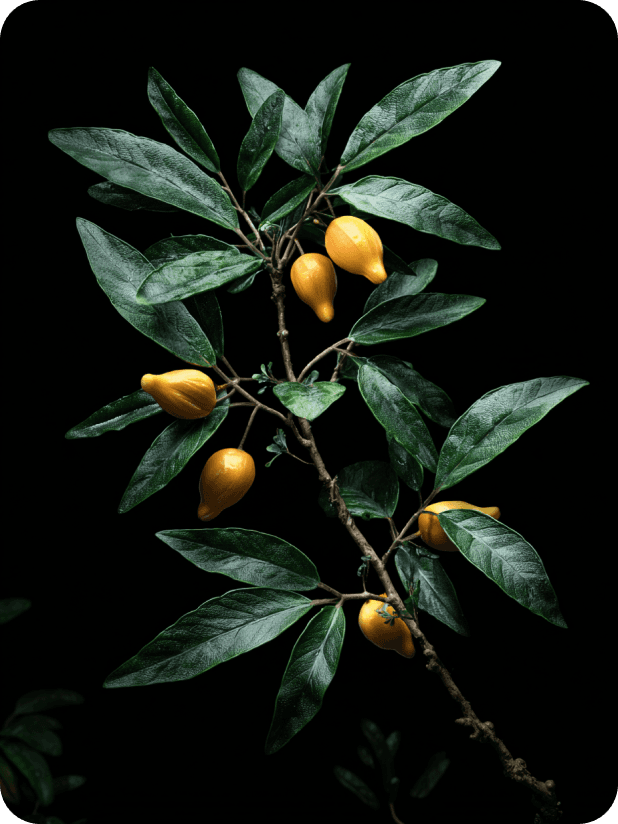
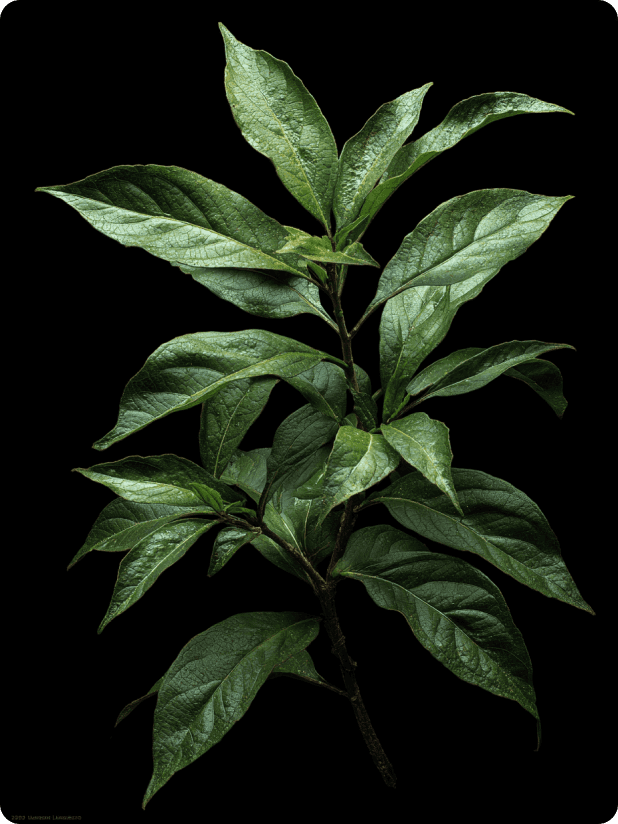
Damiana (Turnera diffusa) is a gentle psychoactive and medicinal plant native to Mexico, Central America, and the Caribbean. It has been used traditionally as a mood enhancer, relaxant, and aphrodisiac.
Damiana is not a psychedelic.
It does not create visions, altered realities, or deep introspection.
Its effects are subtle, warm, and emotionally softening.
Damiana works on mood, sensuality, and relaxation, not perception.
Where does Damiana come from?
Damiana grows naturally in:
Mexico
Central America
The Caribbean
It was used by:
Indigenous Mesoamerican cultures
Traditional herbal medicine systems
Historically, damiana was valued for:
Emotional balance
Sexual health
Stress relief
Digestive support
It was considered a plant of pleasure and calm, not intensity.
What makes Damiana active?
Damiana contains several compounds, including:
Flavonoids
Terpenes
Damianin
Volatile oils
These compounds:
Gently affect the nervous system
Support relaxation
Influence mood and emotional tone
The effect is mild and cumulative, not dramatic.
Damiana does not force a state.
It eases one.
What does Damiana do?
Damiana creates a soft, relaxed, emotionally open state.
Mental effects
Mild mood lift
Reduced mental tension
Calm clarity
Emotional effects
Emotional warmth
Reduced anxiety
Increased openness
Subtle uplift
Physical effects
Body relaxation
Light stimulation in some people
Enhanced sensual awareness
Damiana often feels comforting rather than intoxicating.
What does a Damiana experience feel like?
People often describe damiana as:
Gentle and pleasant
Relaxing without sedation
Slightly euphoric
Emotionally smoothing
It pairs well with:
Quiet evenings
Conversation
Music
Intimate or reflective settings
Damiana does not take you away.
It makes the present more comfortable.
Why do people use Damiana?
Traditionally and today, damiana is used for:
Stress relief
Mild anxiety
Mood support
Libido and sensuality
Nervous tension
It is often chosen by people who want:
Relaxation without intoxication
Emotional softness without dullness
A natural mood enhancer
Damiana vs psychedelics
The difference is clear.
Psychedelics:
Alter perception strongly
Create insight through intensity
Damiana:
Softens emotional tone
Enhances comfort and connection
Psychedelics break patterns.
Damiana loosens them gently.
Is Damiana safe?
Damiana is generally considered low-risk when used in moderation.
Important considerations:
Very high doses may cause headaches or nausea
Not recommended during pregnancy
Effects are subtle and dose-dependent
Damiana is not habit-forming and does not cause dependence.
The role of intention
Damiana responds best to simple, embodied intentions.
Helpful intentions include:
“Help me relax”
“Help me feel open”
“Help me soften stress”
“Help me enjoy the moment”
Without intention, it feels like a pleasant herb.
With intention, it becomes supportive medicine.
Integration: ease and softness
Damiana integrates naturally.
People may notice:
Easier relaxation
Improved mood
Reduced tension
More emotional ease
There is no sharp “after-effect”.
The benefit lies in gentle shifts, not insight.
Damiana in modern times
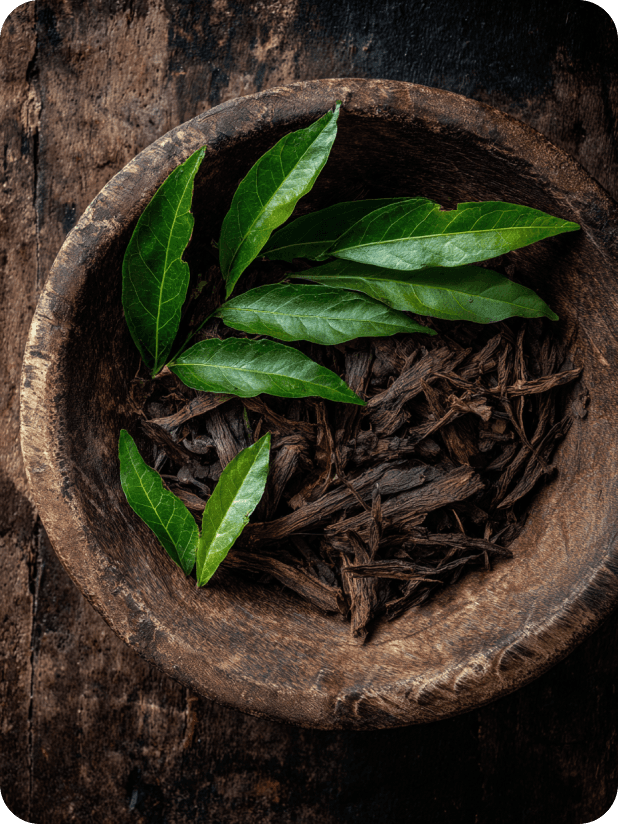
Today, damiana is commonly used as:
Herbal tea
Smoking blend ingredient
Mood-support supplement
It is often misunderstood when expected to behave like a psychedelic.
Damiana belongs to a comfort lineage, not a breakthrough culture.
A final note
Damiana does not challenge, confront, or dissolve.
It invites.
It invites relaxation where there is tension.
Warmth where there is stress.
Pleasure where there is rigidity.
In a world that often equates growth with intensity, damiana reminds us that sometimes healing and balance come not from pushing harder, but from allowing softness back in.