Ginkgo
Strength
1 / 10
Type of Effect
Cognitive Enhancing
Method of use
Oral
Origin
China
Duration
Variable
Traditional Use
Medicinal, Nutritional
What is Ginkgo?
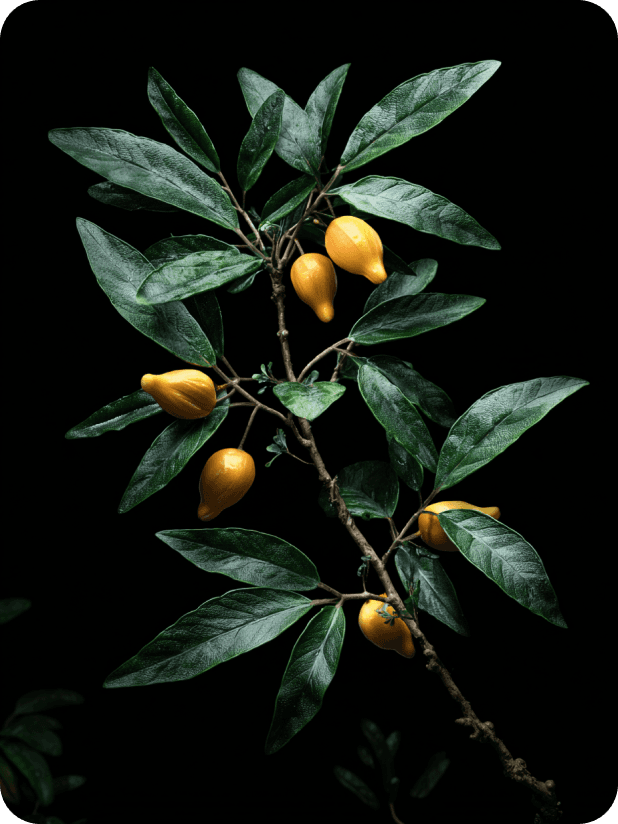
Ginkgo (Ginkgo biloba) is one of the oldest living tree species on Earth, often called a living fossil. It has been used for centuries as a memory, circulation, and cognitive support plant.
Ginkgo is not a psychedelic.
It does not alter perception, create visions, or produce inner journeys.
Its effects are subtle, cognitive, and physiological.
Ginkgo works by supporting blood flow and brain function, not by changing consciousness.
Where does Ginkgo come from?
Ginkgo is native to:
China
It has been cultivated for over 1,000 years, especially in:
Buddhist monasteries
Temple grounds
Traditional Chinese Medicine
Ginkgo trees are symbols of:
Longevity
Resilience
Mental clarity
Continuity
Some ginkgo trees have survived:
Fires
Bombings
Centuries of environmental change
This endurance shaped its reputation as a plant of memory and persistence.
What makes Ginkgo active?
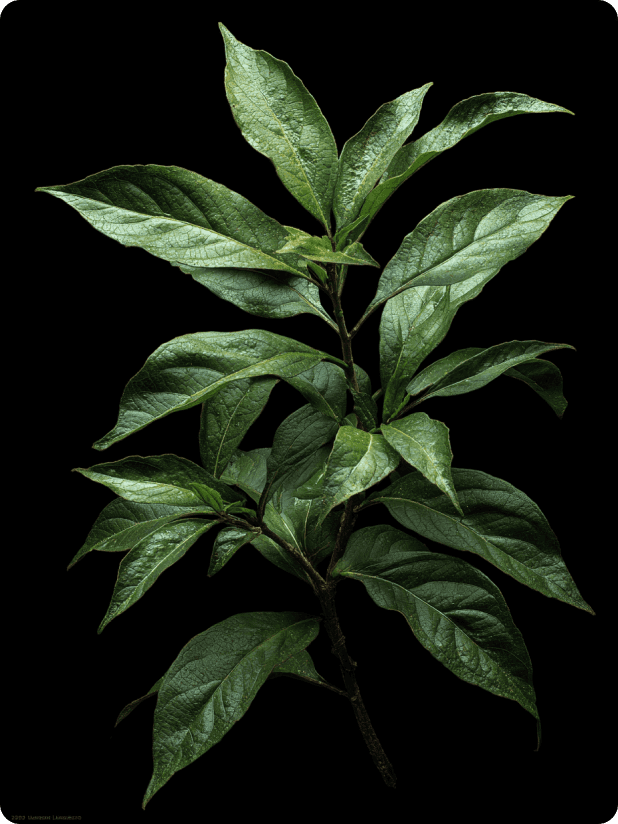
Ginkgo leaves contain several important compounds, including:
Flavonoids
Terpenoids (such as ginkgolides and bilobalide)
These compounds:
Improve blood circulation, especially to the brain
Protect nerve cells
Reduce oxidative stress
Support cognitive performance
Ginkgo does not stimulate the brain directly.
It improves the conditions in which the brain works.
What does Ginkgo do?
Ginkgo produces a clear, supportive cognitive effect over time.
Mental effects
Improved memory (especially recall)
Better mental clarity
Reduced brain fog
Improved focus in some people
Emotional effects
Emotionally neutral
Slight increase in mental confidence
No emotional opening or sedation
Physical effects
Improved circulation
Cold hands and feet may feel warmer
Mild headache relief (in some cases)
Ginkgo does not push the mind.
It supports it quietly.
What does taking Ginkgo feel like?
Most people feel:
Nothing immediately
After weeks of consistent use, some notice:
Thinking feels smoother
Memory retrieval improves
Mental fatigue is reduced
If ginkgo is working, the effect feels functional, not experiential.
There is no “state change”.
Why do people use Ginkgo?
Traditionally and today, ginkgo is used for:
Memory support
Cognitive aging
Focus and mental endurance
Circulatory issues
Supporting long-term brain health
It is often chosen by people who:
Want mental clarity without stimulation
Are sensitive to caffeine
Are thinking long-term, not short-term performance
Ginkgo vs stimulants
This difference matters.
Stimulants:
Increase alertness immediately
Push the nervous system
Can create crashes
Ginkgo:
Works slowly
Improves baseline function
Does not overstimulate
Stimulants override fatigue.
Ginkgo reduces its causes.
Is Ginkgo safe?
Ginkgo is generally considered safe when used appropriately, but there are important cautions.
Important considerations:
Can thin the blood slightly
Should not be combined casually with blood thinners
Not recommended before surgery
Quality and dosage matter
It should be used consistently, not aggressively.
The role of intention
Ginkgo responds best to long-term, practical intentions.
Helpful intentions include:
“Support my memory”
“Protect my cognitive health”
“Improve mental clarity over time”
It is not for acute stress, insight, or emotional processing.
Integration: better function, not insight
Ginkgo integrates invisibly.
People may notice:
Fewer mental lapses
Better concentration
Less mental fatigue
There is nothing to “process”.
The benefit shows up in how smoothly thinking happens.
Ginkgo in modern times
Today, ginkgo is widely used in:
Cognitive support supplements
Aging and longevity protocols
Memory-enhancing formulas
It is sometimes misunderstood when expected to feel dramatic.
Ginkgo is maintenance, not revelation.
A final note
Ginkgo does not expand consciousness.
It protects and preserves it.
It supports the machinery of memory, attention, and clarity quietly, patiently, and over time.
In a world obsessed with instant stimulation and peak states, ginkgo represents something older and wiser:
care for the mind across years, not moments.
Some plants do not change how you feel today.
They change how well you think for decades to come.