Hawaiian Baby Woodrose
Strength
4 / 10
Type of Effect
Psychedelic
Method of use
Oral (Seeds)
Origin
Indian Subcontinent
Duration
6-8 hours
Traditional Use
Shamanic
What is Hawaiian Baby Woodrose?
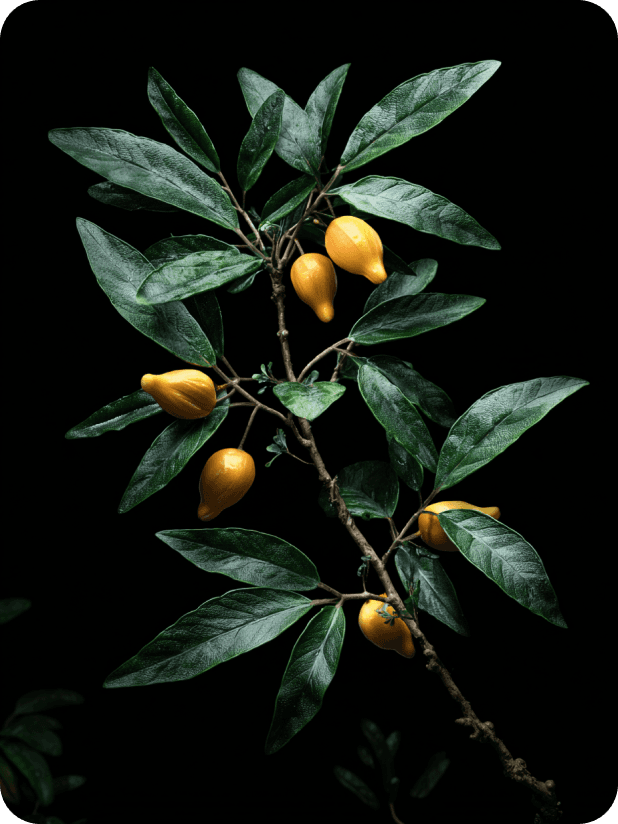
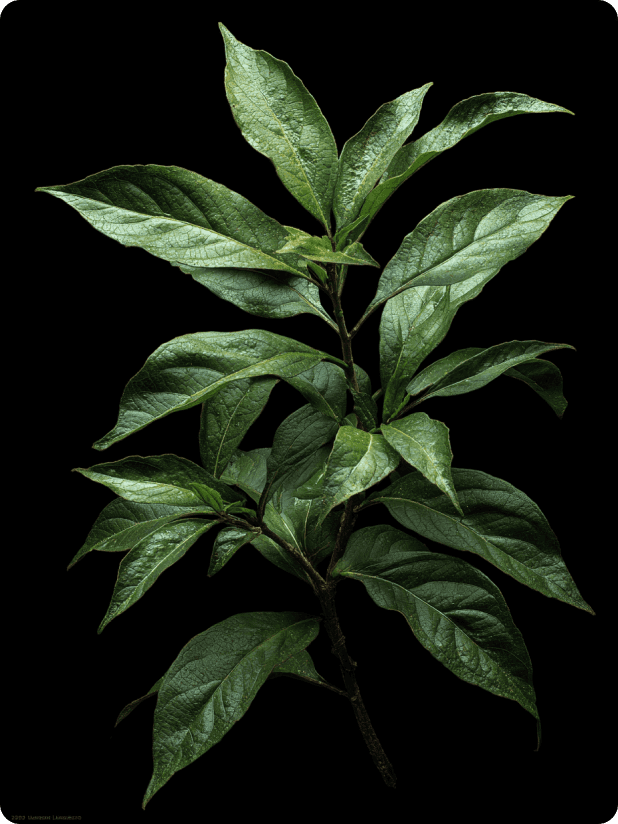
Hawaiian Baby Woodrose is a psychoactive climbing plant best known for its seeds, which contain a naturally occurring compound called LSA (lysergic acid amide).
The plant’s scientific name is Argyreia nervosa.
Hawaiian Baby Woodrose is often compared to LSD because the molecules are related, but the experience is very different.
It is not bright, fast, or playful.
It is heavy, introspective, and body-centered.
Many people describe it as serious, emotional, and physically demanding.
Where does Hawaiian Baby Woodrose come from?
Despite the name, Hawaiian Baby Woodrose is not originally from Hawaii. It is native to India, where it has been used in traditional Ayurvedic contexts.
Over time, it spread to:
Hawaii
Africa
Parts of Southeast Asia
In traditional settings, it was used with care and restraint, not casually.
What makes Hawaiian Baby Woodrose psychoactive?
The seeds contain LSA (lysergic acid amide) and related compounds.
LSA is chemically related to LSD, but its effects are:
Slower
More sedating
More physical
Less visual
LSA affects serotonin receptors, but it also has strong effects on the body, especially blood vessels and the stomach.
This is why Hawaiian Baby Woodrose feels very different from LSD.
What does Hawaiian Baby Woodrose do?
The experience is often long, heavy, and inward-focused.
Mental and emotional effects
Deep introspection
Strong emotional release
Feelings of seriousness or gravity
Increased sensitivity to thoughts and memories
Perceptual effects
Mild visual distortions
Soft patterns or breathing surfaces
Less color and sparkle than LSD
More mental imagery than visual fireworks
Physical effects
Strong nausea
Body heaviness
Muscle tension
Cold or numb sensations
Vasoconstriction (tight or heavy limbs)
For many people, the body effects are the hardest part.
What does a Hawaiian Baby Woodrose experience feel like?
People often describe it as:
Emotionally deep but physically uncomfortable
Quiet and introspective
Serious rather than joyful
Mentally clear but bodily heavy
It does not usually feel euphoric or playful.
Hawaiian Baby Woodrose tends to slow everything down, forcing attention inward.
Why do people use Hawaiian Baby Woodrose?
People are drawn to it for:
Self-reflection
Emotional processing
Curiosity about LSA
Long, inward journeys
A non-stimulating psychedelic experience
It is often chosen by people who want depth without visual intensity, but who are willing to tolerate discomfort.
Hawaiian Baby Woodrose vs LSD
Although related, the experiences are clearly different.
LSD:
Energetic
Clear and stimulating
Highly visual
Outward-facing
Hawaiian Baby Woodrose:
Sedating
Heavy and physical
Mildly visual
Inward-facing
LSD opens the world.
HBWR pulls you inside yourself.
Is Hawaiian Baby Woodrose safe?
Hawaiian Baby Woodrose is not considered gentle.
Common risks include:
Strong nausea and vomiting
Circulatory discomfort
Anxiety due to body load
Long duration
The seeds are also often treated or contaminated, which adds additional risk.
It should not be approached casually or without understanding the physical effects.
The role of intention
Because the experience is heavy and introspective, intention matters.
Helpful intentions are grounded and realistic:
“Help me understand myself”
“Show me what I need to process”
“Help me sit with difficult emotions”
Trying to force joy or visuals often leads to frustration.
Integration: working with seriousness
Insights from Hawaiian Baby Woodrose are often:
Emotional
Personal
Subtle rather than dramatic
Integration may include:
Rest and recovery
Journaling
Emotional processing
Allowing time before interpretation
The experience can linger in the body and mind for days.
Hawaiian Baby Woodrose today
Today, Hawaiian Baby Woodrose exists mostly outside traditional frameworks, which has led to:
Misuse
Underestimation of physical effects
Comparison with LSD that doesn’t hold up
It is a demanding plant, not a shortcut.
A final note
Hawaiian Baby Woodrose is not light, fun, or easy.
It is quiet, heavy, and introspective.
For some, it offers emotional depth and self-understanding.
For others, it feels uncomfortable and unrewarding.
It teaches through slowness and gravity, not beauty or excitement.
If approached, it asks for patience, respect, and a willingness to sit with discomfort rather than escape it.