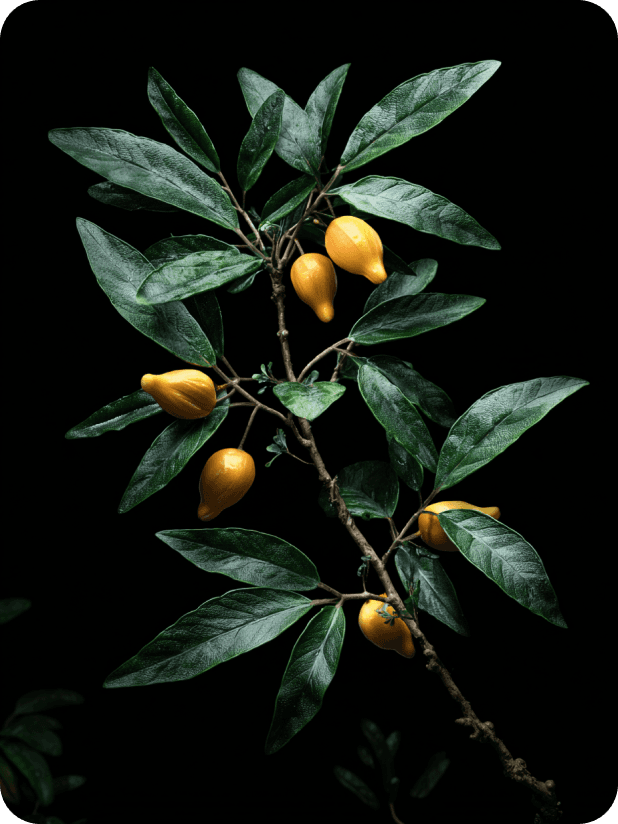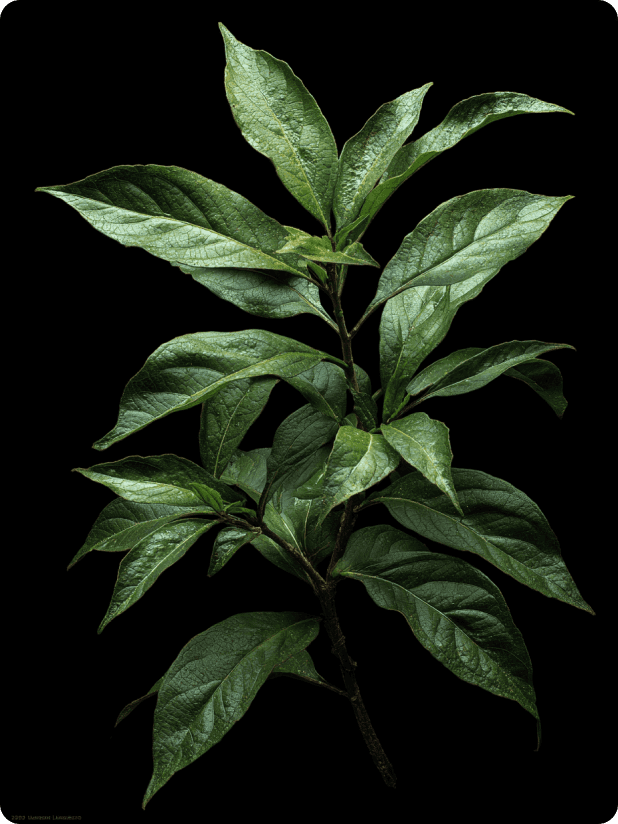
Henbane
Strength
5 / 10
Type of Effect
Hallucinogenic
Method of use
Oral, Smoking
Origin
Europe, North Africa
Duration
Variable
Traditional Use
Shamanic, Healing
What is Henbane?
Henbane (Hyoscyamus niger) is a highly toxic psychoactive plant that has been used in Europe and parts of Asia since ancient times. Like belladonna, mandrake, and datura, henbane belongs to the group of deliriant plants.
Henbane is not a psychedelic.
It does not bring insight, clarity, or emotional opening.
It produces confusion, delirium, and loss of reality.
Where does Henbane come from?
Henbane is native to:
Europe
Western and Central Asia
North Africa
It appears throughout history in:
Ancient Greek and Roman medicine
Medieval herbalism
Witchcraft and occult traditions
Early anesthesia and pain relief
Despite its long history, henbane was always treated as dangerous and unpredictable.
Why was Henbane used historically?
Before modern medicine, henbane was one of the few plants that could:
Reduce pain
Cause sleep or unconsciousness
Sedate patients before surgery
It was also used in:
Magical ointments and brews
Divination rituals
Poisons
The line between medicine and poison was extremely thin.
What makes Henbane psychoactive?
Henbane contains tropane alkaloids, mainly:
Scopolamine
Hyoscyamine
Atropine
These compounds:
Block acetylcholine in the brain
Disrupt memory and awareness
Create realistic hallucinations
Remove the ability to tell what is real
This produces a state of true delirium, not a guided altered state.
What does Henbane do?
Henbane causes a complete breakdown of normal perception.
Mental effects
Severe confusion
Loss of identity and orientation
Inability to reason
Memory blackout
Perceptual effects
Fully realistic hallucinations
Seeing and speaking with imaginary people
Acting normally inside a false reality
No awareness that anything is wrong
Physical effects
Dry mouth and skin
Dilated pupils and blurred vision
Rapid heart rate
Overheating
Loss of coordination
Henbane does not create symbols or visions.
It creates false reality.
What does a Henbane experience feel like?
Accounts from poisonings and historical texts describe:
Days of missing time
Talking, walking, and behaving while hallucinating
Intense fear or paranoia
Confusion that lasts long after
There is rarely insight or meaning.
Henbane does not feel visionary.
It feels lost and dangerous.
Henbane and witchcraft
Henbane became strongly associated with witchcraft because:
It was used in flying ointments
It produced sensations of flight or transformation
It caused vivid but false experiences
These effects were later misunderstood as mystical when they were actually toxic delirium.
Many “visions” were the result of poisoning, not spiritual travel.
Is Henbane safe?
No.
Henbane is extremely dangerous.
Risks include:
Fatal overdose
Long-term cognitive damage
Heart failure
Heat stroke
Accidental injury or death
Dosage is unpredictable, and potency varies widely between plants.
There is no safe recreational or exploratory use.
Henbane vs psychedelics
This distinction is essential.
Psychedelics:
Preserve awareness
Allow reflection
Create symbolic meaning
Henbane:
Destroys awareness
Removes insight
Replaces reality entirely
Psychedelics open perception.
Henbane disconnects it.
Henbane in modern times
Today, henbane is mainly:
A historical and botanical subject
A case study in toxicology
A warning from pre-modern medicine
It has no role in modern therapeutic or spiritual practice.
A final note
Henbane is not a misunderstood teacher.
It is a reminder of a time when humans explored consciousness without understanding the brain, chemistry, or risk.
Its legacy is not wisdom, but caution.
Some plants expand awareness.
Others erase it.
Henbane belongs firmly to the second group.