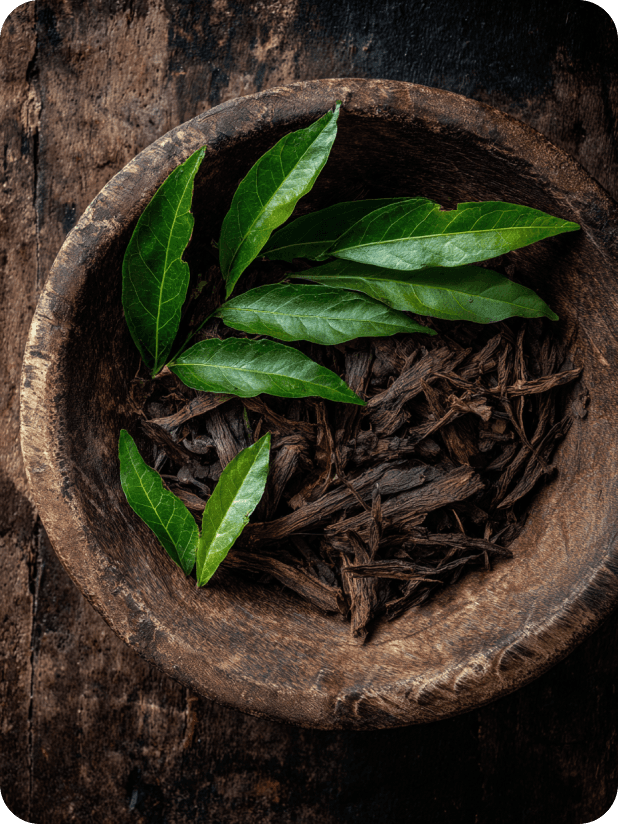
Hops
Strength
1 / 10
Type of Effect
Sedative, Relaxant
Method of use
Oral, Smoking
Origin
Europe, Western Asia
Duration
1-2 hours
Traditional Use
Medicinal, Brewing
What is Hops (Humulus lupulus)?
Hops (Humulus lupulus) are the flower cones of a climbing vine, best known today for their role in beer, where they add bitterness, aroma, and preservation.
Beyond brewing, hops have a long history as a calming, sedative, and nervous system herb.
Hops are not a psychedelic.
They do not create visions, altered perception, or inner journeys.
Their effects are sedating, soothing, and grounding, especially for overactive minds and restless bodies.
Hops work by cooling and quieting, not stimulating.
Where do Hops come from?
Hops are native to:
Europe
Western Asia
North America
They have been used for centuries in:
European herbal medicine
Monastic brewing traditions
Folk remedies for sleep and anxiety
Historically, hops were valued not only for beer, but also for their ability to:
Calm the nerves
Promote sleep
Reduce sexual drive
Cool excess heat and agitation
They were considered a plant of restraint and rest.
What makes Hops active?
Hops contain several biologically active compounds, including:
Humulone and lupulone (bitter acids)
Xanthohumol
Essential oils
Mild phytoestrogens
These compounds:
Support GABA activity in the brain
Reduce nervous system excitability
Promote sedation and muscle relaxation
Hops act as a true nervous system depressant, but a gentle one.
What do Hops do?
Hops produce a cooling, calming effect.
Mental effects
Reduced mental chatter
Easier transition into rest
Quieted overthinking
Emotional effects
Reduced irritability
Emotional softening
Mild flattening at higher doses
Physical effects
Muscle relaxation
Sleepiness
Body heaviness
Reduced sexual arousal
Hops do not energize.
They downshift the system.
What does taking Hops feel like?
People often describe hops as:
Sedating
Cooling
Heavily relaxing
Slightly dulling
It feels similar to:
Letting go of the day
Nervous system “shutdown”
Quiet heaviness before sleep
There is no euphoria and no clarity boost.
Why do people use Hops?
Traditionally and today, hops are used for:
Insomnia
Anxiety and nervous agitation
Restlessness
Menopausal symptoms
Overstimulation
They are especially helpful when:
The mind won’t slow down
The body feels tense or overheated
Sleep feels impossible
Hops vs beer
This distinction matters.
Beer:
Contains alcohol (a depressant)
Is stimulating socially
Can disrupt sleep later
Hops alone:
Calm without intoxication
Support sleep
Do not create a “buzz”
The relaxing effect of beer often comes as much from hops as from alcohol, though alcohol later interferes with sleep quality.
Is Hops safe?
Hops are generally considered safe when used moderately, but there are considerations.
Important points:
Can cause excessive sedation
Not ideal for daytime use
Contains phytoestrogens (caution with hormone-sensitive conditions)
May interact with sedatives or alcohol
As with many sedatives, less is often enough.
The role of intention
Hops respond best to rest-oriented intentions.
Helpful intentions include:
“Help me sleep”
“Help my mind shut down”
“Release tension”
They are not for exploration or emotional inquiry.
Integration: rest and recovery
Hops do not offer insight to integrate.
Their value is:
Sleep achieved
Nervous system quieted
Tension released
If they work, you simply rest.
Hops in modern times
Today, hops are used in:
Sleep teas and tinctures
Herbal sedative blends
Beer and brewing culture
Outside beer, hops are often overlooked as medicine.
Yet historically, they were known as one of the strongest plant sedatives in Europe.
A final note
Hops do not awaken, stimulate, or expand.
They close the day.
They cool heat, quiet noise, and encourage surrender into rest.
In a culture that resists stopping, hops offer an old and necessary lesson:
sometimes healing does not come from insight or effort, but from allowing the system to fully shut down.
Hops remind the body how to rest deeply,
and remind the mind that it does not always need to stay awake to be safe.