Khat
Strength
3 / 10
Type of Effect
Stimulant
Method of use
Chewing
Origin
Horn of Africa, Arabian Peninsula
Duration
3-4 hours
Traditional Use
Social, Recreational
What is Khat?
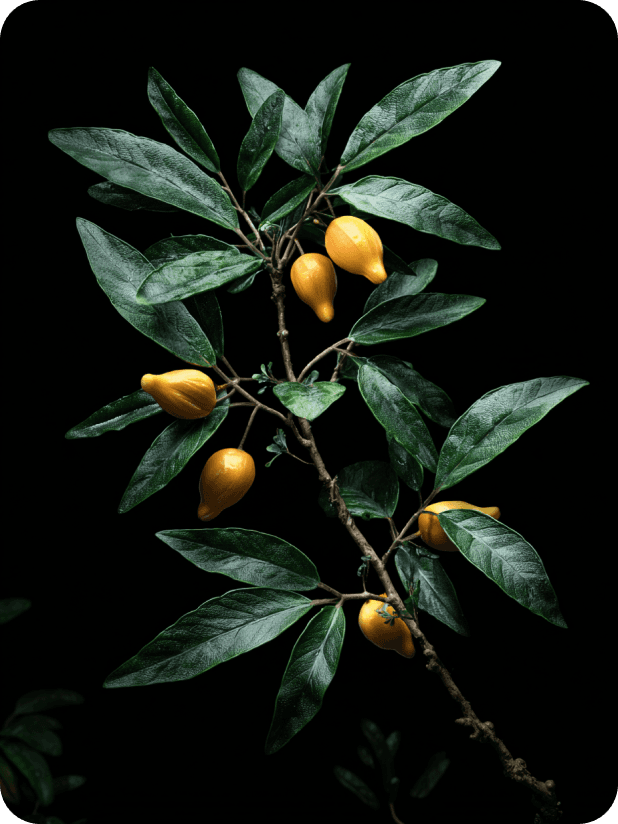
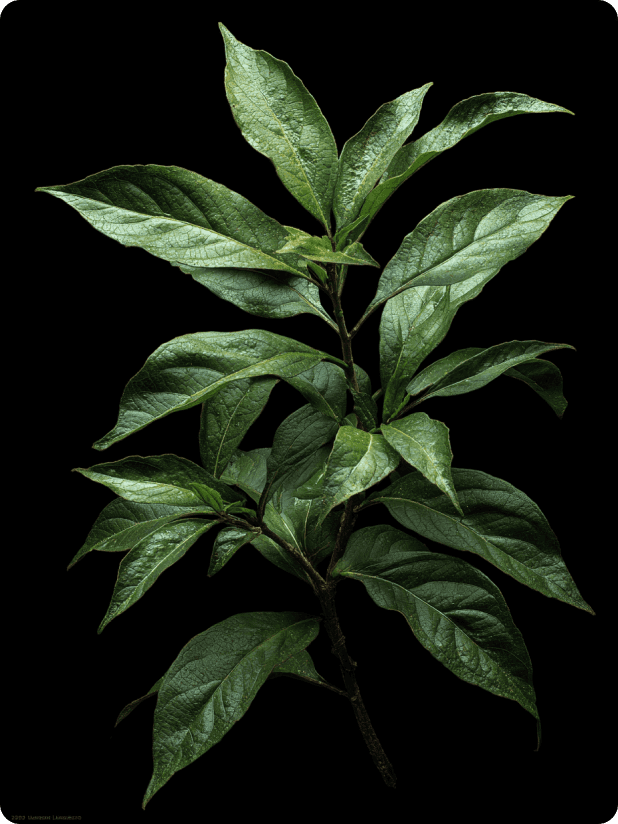
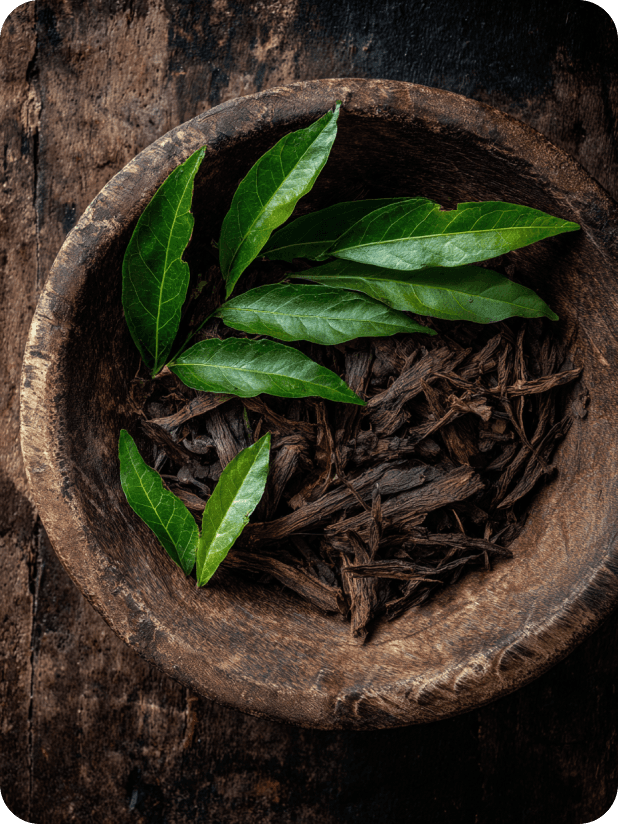
Khat (Catha edulis) is a stimulating psychoactive plant traditionally used in East Africa and the Arabian Peninsula. Its fresh leaves are chewed for their energizing, focusing, and mood-lifting effects.
Khat is not a psychedelic.
It does not alter perception, create visions, or dissolve identity.
Khat is a functional stimulant, closer in effect to strong caffeine or mild amphetamines than to plant medicines used for introspection.
It sharpens attention, increases talkativeness, and reduces fatigue.
Where does Khat come from?
Khat has been used for centuries in:
Ethiopia
Somalia
Kenya
Yemen
It is deeply woven into:
Social gatherings
Business and negotiation
Religious and cultural rituals
Daily routines in some regions
Chewing khat is often a communal activity, lasting hours and structured around conversation and shared presence.
What makes Khat psychoactive?
Khat leaves contain stimulant compounds, mainly:
Cathinone – the primary active stimulant
Cathine – a milder, longer-lasting stimulant
Cathinone is chemically similar to amphetamines, but much weaker.
These compounds:
Increase alertness and energy
Elevate mood
Suppress appetite
Enhance focus and talkativeness
The effects depend strongly on freshness, as cathinone breaks down quickly after harvesting.
What does Khat do?
Khat produces a clear, stimulating state.
Mental effects
Increased focus and alertness
Faster thinking
Heightened concentration
Increased sociability
Emotional effects
Mild euphoria
Confidence
Talkativeness
Reduced inhibition
Physical effects
Reduced fatigue
Suppressed appetite
Increased heart rate
Jaw activity from chewing
Khat does not distort reality.
It intensifies wakefulness and engagement.
What does a Khat experience feel like?
People often describe khat as:
Clean stimulation
Mentally sharp
Socially engaging
Calm but energized
Unlike caffeine, the stimulation builds slowly and can last for hours.
As it wears off, some people experience:
Mental fatigue
Irritability
Low mood
The contrast can be noticeable.
Why do people use Khat?
Traditionally and today, people use khat for:
Staying awake and focused
Long conversations and social bonding
Work endurance
Decision-making and negotiation
Ritual and habit
In many cultures, khat is not considered intoxication, but a normal part of daily or weekly life.
Khat vs coffee or stimulants
Khat sits somewhere between:
Coffee
Nicotine
Mild amphetamines
Compared to coffee:
Longer-lasting
More mood-altering
More appetite-suppressing
Compared to strong stimulants:
Milder
Slower onset
Less intense
Khat stimulates without immediate crash, but repeated use can change that balance.
Is Khat safe?
Khat is not harmless, especially with frequent or heavy use.
Potential risks include:
Dependence
Sleep disruption
Anxiety or irritability
Digestive issues
Cardiovascular strain
Long-term heavy use has been linked to:
Mood instability
Reduced motivation outside khat sessions
Social and economic impact in some communities
Safety depends heavily on frequency, context, and moderation.
The role of intention and context
With khat, context defines the experience.
In traditional settings:
Use is social and time-limited
There are cultural boundaries
Excess is discouraged
Without structure, khat can become:
Habitual
Escapist
Emotionally draining over time
Khat amplifies engagement, but does not guide it.
Integration: stimulation without insight
Khat does not require deep integration, but it does require self-awareness.
Useful reflections include:
Does this support my energy or drain it later?
Is it social connection or avoidance?
Does it replace rest or balance?
Khat gives energy, but borrows it from later.
Khat in modern times
Today, khat exists at the intersection of:
Cultural tradition
Legal restriction
Public health debate
In some countries it is legal and normalized.
In others it is banned due to concerns about dependence and health.
Khat is best understood culturally, not sensationally.
A final note
Khat is not a teacher, healer, or visionary plant.
It is a social stimulant, designed to keep people awake, engaged, and talking.
Used occasionally and within tradition, it can feel connective and functional.
Used excessively or without boundaries, it can quietly drain energy and emotional balance.
Khat reminds us that not all psychoactive plants expand consciousness.
Some simply extend the day, and how you use that extra time is what truly matters.