Lemon Balm
Strength
1 / 10
Type of Effect
Relaxant, Anxiolytic
Method of use
Oral (Tea)
Origin
Mediterranean, Europe
Duration
1-2 hours
Traditional Use
Medicinal, Culinary
What is Lemon Balm?
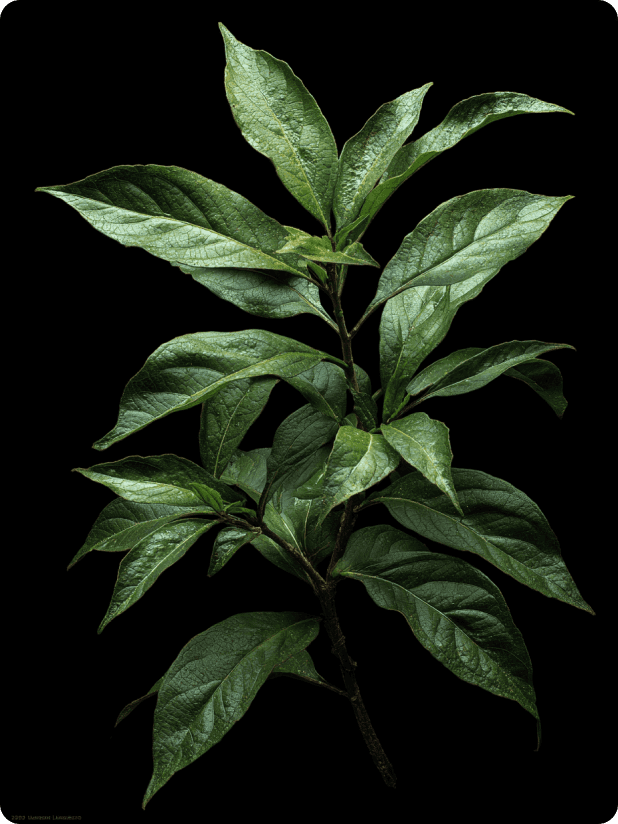
Lemon balm (Melissa officinalis) is a gentle calming and mood-lifting herb from the mint family, traditionally used for anxiety, nervous tension, sleep, digestion, and emotional balance.
Lemon balm is not a psychedelic.
It does not create visions, altered perception, or intense inner states.
Its effects are soft, reassuring, and stabilizing.
Lemon balm works by soothing the nervous system while gently lifting mood.
Where does Lemon Balm come from?
Lemon balm is native to:
Southern Europe
The Mediterranean region
It has been used for over 2,000 years in:
European herbal medicine
Monastic gardens
Folk remedies for the heart and nerves
Historically, lemon balm was known as:
A “heart herb”
A plant for sadness, worry, and agitation
A remedy for nervous stomach and stress
It was associated with comfort, gentleness, and emotional ease.
What makes Lemon Balm active?
Lemon balm contains several calming and balancing compounds, including:
Rosmarinic acid
Flavonoids
Volatile oils (citral, citronellal)
Mild GABA-supporting compounds
These compounds:
Calm nervous system activity
Reduce anxiety
Support mood regulation
Ease stress-related tension
Lemon balm also has mild antiviral and digestive-support effects, adding to its grounding feel.
What does Lemon Balm do?
Lemon balm creates a calm, emotionally light state.
Mental effects
Reduced nervousness
Quieter mental chatter
Easier concentration
Emotional effects
Gentle mood lift
Reduced anxiety
Sense of emotional comfort
Physical effects
Relaxed digestion
Reduced stress-related stomach tension
Support for sleep onset
Lemon balm calms without dulling.
It softens stress while keeping the mind clear.
What does a Lemon Balm experience feel like?
People often describe lemon balm as:
Comforting
Light
Reassuring
Emotionally warm
It feels similar to:
A calm conversation
A safe, familiar presence
Letting worry loosen its grip
There is no “high” and no intoxication.
Why do people use Lemon Balm?
Traditionally and today, lemon balm is used for:
Anxiety and nervous tension
Stress-related digestive issues
Mild low mood
Insomnia linked to worry
Emotional overwhelm
It is especially helpful for people who:
Feel anxious but not depressed
Carry stress in the stomach
Need calm without heaviness
Lemon Balm vs other calming herbs
Compared to lavender:
More emotionally uplifting
Slightly less sedating
Compared to valerian or hops:
Much gentler
Less likely to cause grogginess
Compared to adaptogens:
More immediate
Less structural
Lemon balm sits in a sweet spot:
calm, light, and emotionally supportive.
Is Lemon Balm safe?
Lemon balm is generally considered very safe and well tolerated.
Important considerations:
Very high doses may cause drowsiness
Mild thyroid-inhibiting effects (relevant only in large, long-term doses)
Gentle enough for regular use
It is non-habit forming and suitable for most people.
The role of intention
Lemon balm responds strongly to emotional and nervous-system intentions.
Helpful intentions include:
“Help me calm down”
“Help my heart feel lighter”
“Ease my anxiety”
“Help me feel safe and relaxed”
It works best when you allow softness, not when you push for change.
Integration: emotional ease
Lemon balm integrates naturally.
People may notice:
Less anxiety
Improved digestion under stress
Better sleep quality
Lighter emotional tone
There is no dramatic shift.
The change is gentle but real.
Lemon Balm in modern times
Today, lemon balm is commonly found in:
Calming teas
Stress and sleep blends
Digestive formulas
Because it is mild, it is sometimes overlooked.
But its strength is kindness to the nervous system.
A final note
Lemon balm does not challenge or transform.
It reassures.
It gently tells the nervous system that it does not need to stay tense, alert, or worried.
In a world full of intensity and urgency, lemon balm offers a different medicine:
the quiet relief of feeling okay again.
Sometimes healing is not about going deeper or further,
but about returning to a place of ease, warmth, and simple calm.