Nutmeg
Strength
2 / 10
Type of Effect
Hallucinogenic, Sedative
Method of use
Oral
Origin
Indonesia
Duration
Up to 24 hours
Traditional Use
Medicinal, Culinary
What is Nutmeg?
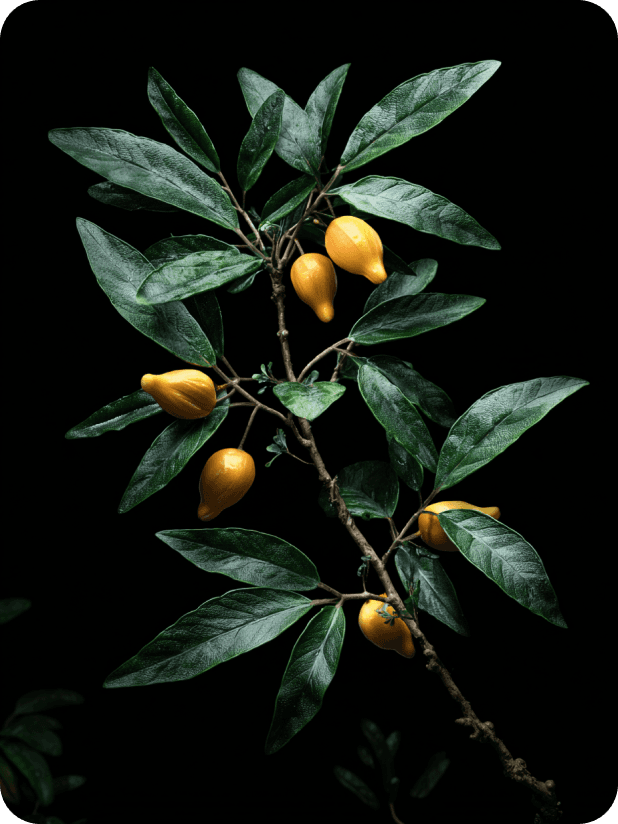
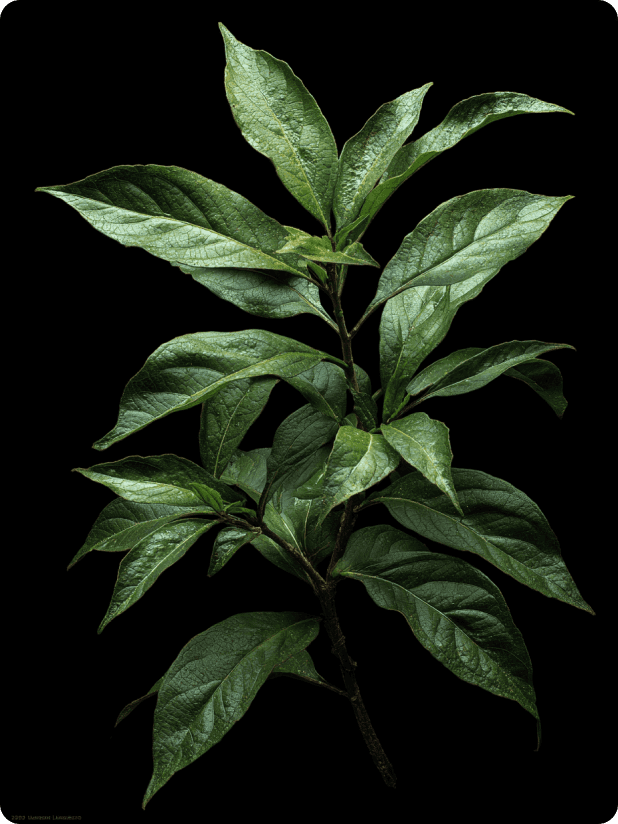
Nutmeg is the seed of the nutmeg tree (Myristica fragrans), a spice commonly used in cooking around the world. It also has a long history of medicinal and psychoactive use, although this side of nutmeg is often misunderstood.
Nutmeg is not a psychedelic.
It does not open perception, create insight, or produce clear altered states.
At high doses, nutmeg acts as a toxic deliriant-like substance, not a visionary plant.
Its effects are unpleasant, confusing, and risky.
Where does Nutmeg come from?
Nutmeg is native to:
The Banda Islands (Indonesia)
It spread globally through trade and became:
A prized culinary spice
A traditional medicine in small doses
Historically, nutmeg was used for:
Digestion
Pain relief
Calming the nerves
These uses involved very small amounts.
What makes Nutmeg psychoactive?
Nutmeg contains several active compounds, including:
Myristicin
Elemicin
Safrole (in small amounts)
At culinary doses, these compounds have no psychoactive effect.
At very high doses, they can:
Affect the nervous system
Disrupt cognition
Cause toxic reactions
Nutmeg does not act like classic psychedelics.
It does not work on serotonin in a clean or meaningful way.
What does Nutmeg do at high doses?
High-dose nutmeg produces a toxic altered state, not a guided experience.
Mental effects
Confusion
Disorientation
Thought loops
Delirium
Emotional effects
Anxiety
Emotional flattening
Irritability
Paranoia in some cases
Physical effects
Strong nausea
Dry mouth and eyes
Rapid heart rate
Headache
Dizziness
Extreme fatigue
Effects often last 24–48 hours or longer.
There is usually no clarity, insight, or meaning.
What does a Nutmeg experience feel like?
People who have tried high-dose nutmeg often describe it as:
Uncomfortable
Confusing
Heavy and exhausting
Mentally dull
Physically unpleasant
It is frequently compared to:
Being poisoned
A bad flu mixed with confusion
Nutmeg does not feel “trippy”.
It feels toxic.
Why is Nutmeg sometimes listed as psychoactive?
Nutmeg appears in psychoactive plant lists because:
It technically alters consciousness at high doses
It was experimented with historically
It is legally accessible
But accessibility does not equal suitability.
Nutmeg is a poor and dangerous substitute for altered-state exploration.
Is Nutmeg safe?
High-dose nutmeg use is not safe.
Risks include:
Acute poisoning
Severe dehydration
Heart strain
Panic and confusion
Long-lasting discomfort
Repeated high-dose use can:
Stress the liver
Affect mental health
Nutmeg toxicity is well documented in medical literature.
Nutmeg vs psychedelics
This difference is essential.
Psychedelics:
Increase awareness
Allow reflection
Create meaning
Nutmeg:
Reduces clarity
Disrupts cognition
Creates confusion
Psychedelics open perception.
Nutmeg scrambles it.
Nutmeg in traditional use
In traditional medicine, nutmeg was used:
In very small doses
For digestion and calming
As a warming spice
These uses are not psychoactive.
Problems arise only when nutmeg is:
Consumed in large amounts
Used intentionally to get “high”
This was never its traditional role.
A final note
Nutmeg is a good example of an important rule in Psylopedia:
Not everything that alters consciousness is worth exploring.
Nutmeg does not teach.
It does not heal.
It does not open insight.
It simply overwhelms the body and mind.
Some plants invite understanding.
Others remind us that toxicity is not wisdom, and that respect sometimes means knowing when not to experiment.