Passionflower
Strength
2 / 10
Type of Effect
Sedative, Relaxant
Method of use
Oral (Tea)
Origin
Americas
Duration
2-3 hours
Traditional Use
Medicinal, Sleep Aid
What is Passionflower?
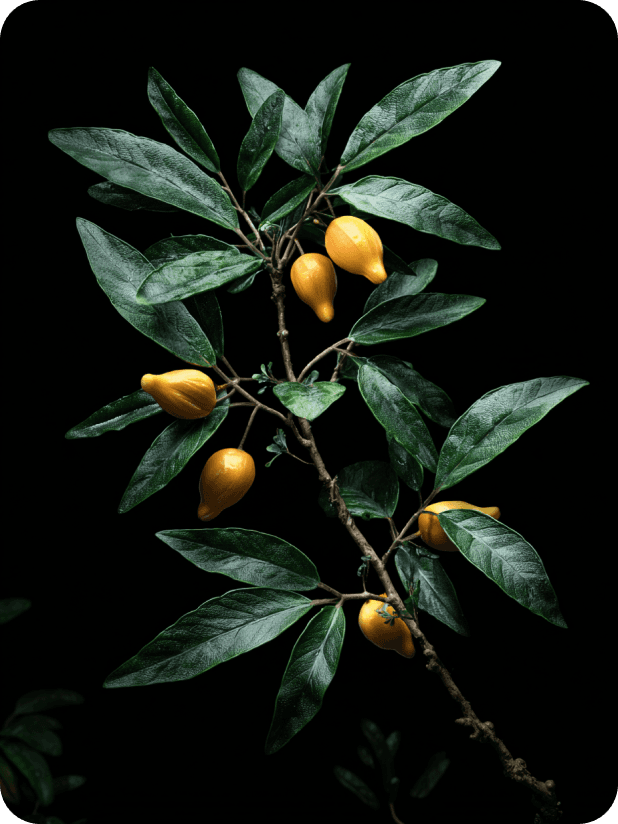
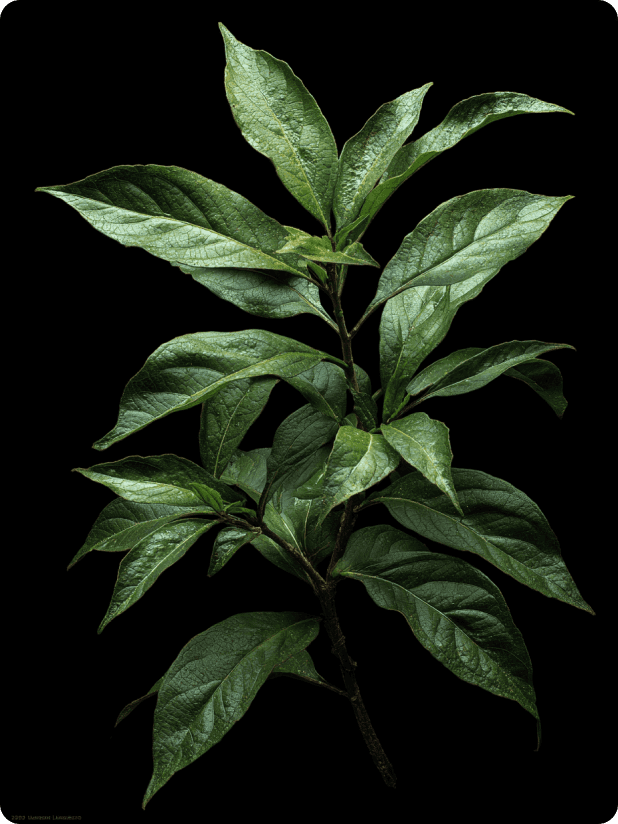
Passionflower (Passiflora incarnata) is a gentle calming plant traditionally used for anxiety, restlessness, sleep, and nervous system regulation. Despite its poetic name and striking appearance, passionflower is not a psychedelic and does not alter perception or consciousness.
Its effects are soft, grounding, and stabilizing.
Passionflower works by quieting the nervous system, not by opening altered states.
Where does Passionflower come from?
Passionflower is native to:
North America
Central America
Parts of South America
It has a long history of use in:
Indigenous medicine
European herbalism
Folk remedies for nerves and sleep
It became especially valued for people who:
Feel mentally overactive
Struggle with anxiety or racing thoughts
Have trouble falling asleep
Passionflower is a plant of rest and reassurance.
What makes Passionflower active?
Passionflower contains several calming compounds, including:
Flavonoids
Harmala-type alkaloids (in very small amounts)
Maltol and other soothing constituents
These compounds:
Support GABA activity in the brain
Reduce nervous system overactivity
Promote relaxation without sedation
The effect is natural and balanced, not heavy or dulling.
What does Passionflower do?
Passionflower creates a calm, settled mental and emotional state.
Mental effects
Reduced mental chatter
Easier transition into rest
Gentle mental quiet
Emotional effects
Reduced anxiety
Emotional steadiness
Sense of safety or calm
Physical effects
Muscle relaxation
Easier breathing
Support for sleep onset
Passionflower does not knock you out.
It lets you relax enough to rest naturally.
What does a Passionflower experience feel like?
People often describe passionflower as:
Soothing
Gentle
Comforting
Emotionally stabilizing
It feels similar to:
Exhaling after holding tension
Settling into stillness
Letting the nervous system downshift
There is no “high” and no altered perception.
Why do people use Passionflower?
Traditionally and today, passionflower is used for:
Anxiety and nervous tension
Insomnia or poor sleep quality
Restlessness and irritability
Stress-related symptoms
It is especially helpful for people who:
Are sensitive to stronger sedatives
Want calm without grogginess
Need emotional steadiness
Passionflower vs stronger calming plants
Compared to stronger sedatives:
Gentler
Less impairing
More suitable for daytime use
Compared to psychedelics:
No perceptual effects
No insight states
Psychedelics expand awareness.
Passionflower soothes it.
Is Passionflower safe?
Passionflower is generally considered very safe when used appropriately.
Important considerations:
Can increase drowsiness when combined with sedatives
Best used in moderate doses
Not recommended in very high doses
It is non-habit forming and well tolerated by most people.
The role of intention
With passionflower, intention is simple and embodied.
Helpful intentions include:
“Help me calm down”
“Help me rest”
“Help my mind slow”
“Help me feel safe”
It does not respond to searching or inquiry.
It responds to allowing rest.
Integration: nervous system trust
Passionflower integrates quietly.
People may notice:
Better sleep
Less anxiety
Improved emotional regulation
Greater sense of ease
There is no dramatic after-effect.
The benefit is felt in daily stability.
Passionflower in modern times
Today, passionflower is commonly used in:
Herbal teas
Sleep blends
Anxiety-support formulas
It is respected for its gentle effectiveness, not mystique.
A final note
Passionflower does not challenge, confront, or awaken.
It holds.
It holds the nervous system when it is tired, overwhelmed, or overstimulated.
In a world that often glorifies intensity and breakthrough, passionflower offers another kind of wisdom:
sometimes healing begins not with expansion, but with permission to rest.
Passionflower teaches the body how to slow down safely and remember that calm is not something to chase, but something to return to.