Sage
Strength
2 / 10
Type of Effect
Cognitive Enhancing
Method of use
Oral, Smoking
Origin
Mediterranean
Duration
Variable
Traditional Use
Healing, Culinary
What is Sage?
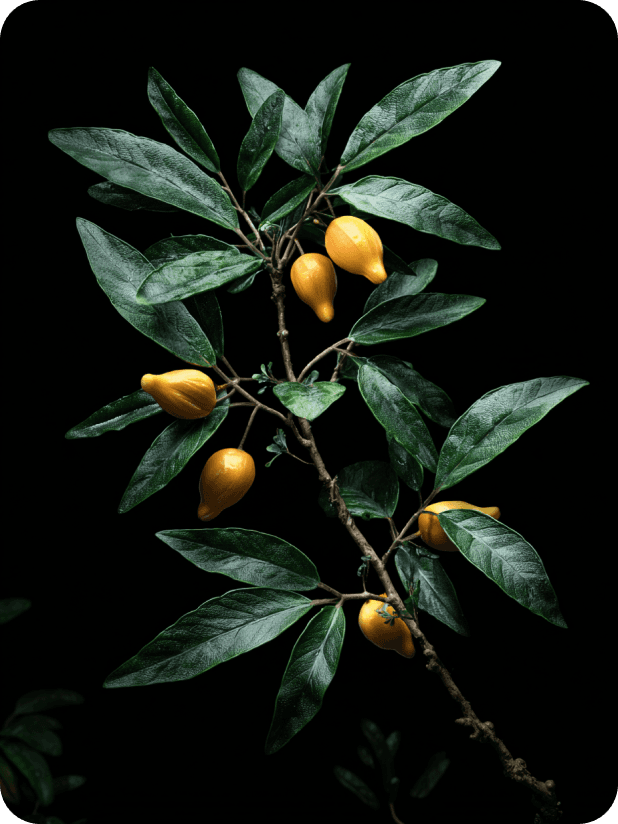
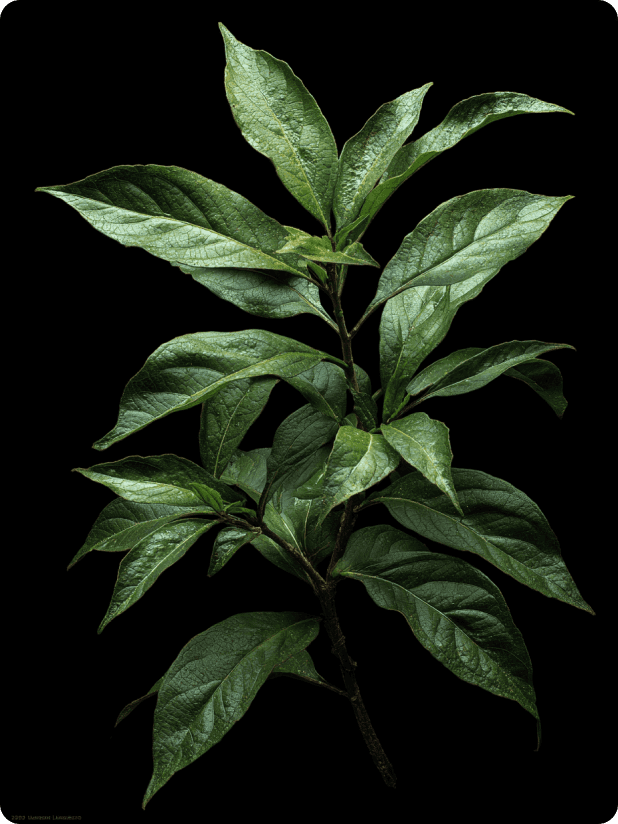
Sage is a medicinal, aromatic plant used across many cultures for cleansing, protection, and mental clarity. The most well-known types are White Sage (Salvia apiana) and Common Sage (Salvia officinalis).
Sage is not a psychedelic.
It does not create visions, altered realities, or journeys.
Its power lies in clearing, grounding, and resetting space and mind.
Sage works through ritual, scent, and attention, not intoxication.
Where does Sage come from?
Different types of sage grow across:
North America
Europe
The Mediterranean
Asia
White Sage has been used traditionally by Indigenous peoples of North America, especially in purification and protection rituals.
Common Sage has a long history in:
European herbal medicine
Cooking and digestion
Memory and throat health
Across cultures, sage has symbolized:
Wisdom
Clarity
Protection
What makes Sage active?
Sage contains essential oils and aromatic compounds, including:
Cineole
Thujone (in small amounts, depending on species)
Camphor
These compounds:
Stimulate the senses
Affect mood and alertness
Create a feeling of freshness and clarity
When burned or brewed, sage works mainly through:
Smell
Breath
Association and ritual
The effect is subtle but noticeable.
What does Sage do?
Sage creates a clearing and grounding effect.
Mental effects
Increased clarity
Reduced mental noise
Feeling “reset”
Improved focus
Emotional effects
Emotional neutrality
Sense of safety or containment
Reduced heaviness
Physical effects
Fresh, sharp aroma
Slight stimulation
Calm alertness
Sage does not add energy.
It removes excess.
What does a Sage experience feel like?
People often describe sage as:
Clearing
Fresh
Centering
Protective
Burning sage can feel like:
Opening windows in a stuffy room
Marking a transition
Ending one state and beginning another
It is less about feeling altered and more about feeling clean and present.
Why is Sage used ritually?
Sage has been used traditionally to:
Cleanse spaces
Prepare for ceremony or prayer
Remove lingering emotional or mental heaviness
Mark beginnings and endings
The ritual matters as much as the plant.
Without intention, sage is just smoke.
With intention, it becomes a boundary.
Is Sage safe?
Sage is generally safe when used properly, but there are considerations.
Important points:
Burning produces smoke (ventilation matters)
White Sage should be used respectfully, not casually
Ingesting large amounts of sage essential oil is unsafe
Thujone-containing species should be used in moderation
Respecting dose, form, and context is key.
Sage vs psychoactive plants
The difference is clear.
Psychoactive plants:
Alter perception or consciousness
Sage:
Alters atmosphere and attention
Psychedelics change the inner world.
Sage changes the container.
The role of intention
Sage responds strongly to clear intention.
Common intentions include:
“Clear this space”
“Let go of what no longer belongs”
“Prepare for focus or rest”
“Create a boundary”
Sage does not teach lessons.
It creates conditions.
Integration: marking transitions
Sage is often used:
Before meditation or ritual
After emotional events
When entering or leaving a space
During life transitions
Its integration is immediate:
a shift in tone and presence.
Sage in modern times
Today, sage is widely used for:
Smudging and cleansing rituals
Meditation preparation
Emotional grounding
Cultural and spiritual practices
As it spreads globally, respectful use and awareness of Indigenous origins are important.
A final note
Sage does not open doors inward.
It clears the room first.
It removes distraction, heaviness, and residue, making space for whatever comes next.
In a world full of noise, sage offers something simple and powerful:
a clean beginning.
Sometimes clarity does not come from adding something new,
but from clearing what was never needed in the first place.