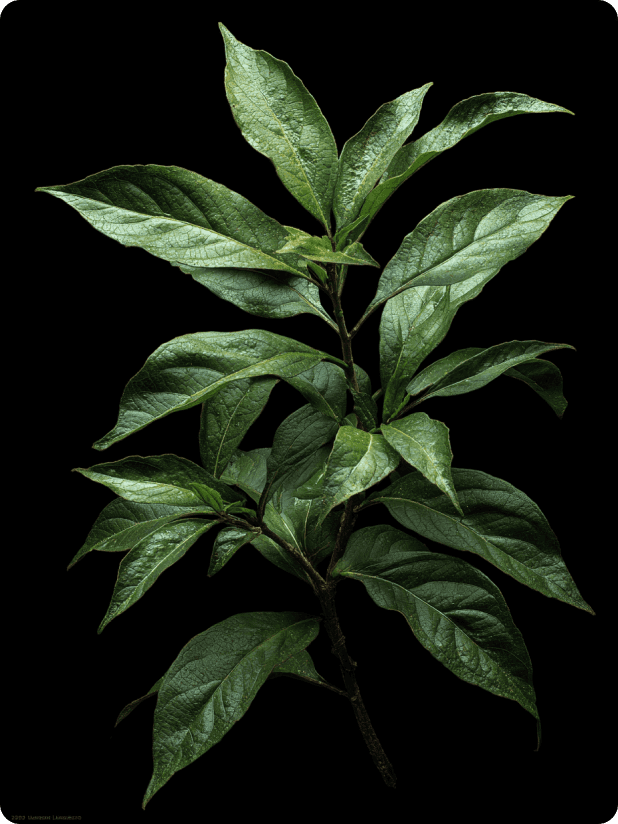
Skullcap
Strength
2 / 10
Type of Effect
Anxiolytic, Sedative
Method of use
Oral (Tea)
Origin
North America, East Asia
Duration
1-2 hours
Traditional Use
Medicinal, Relaxant
What is Skullcap?
Skullcap (Scutellaria lateriflora), often called American skullcap, is a gentle but effective nervous system herb traditionally used for anxiety, mental overstimulation, and emotional tension.
Skullcap is not a psychedelic.
It does not create visions, altered perception, or deep introspection.
Its effect is calming, stabilizing, and grounding, especially for an overactive or stressed mind.
Skullcap works by settling the nervous system, not by sedating it heavily.
Where does Skullcap come from?
American skullcap is native to:
North America
It has a long history in:
Indigenous medicine
North American herbalism
Traditional remedies for “nervous conditions”
Historically, skullcap was used for people who were:
Mentally overworked
Emotionally overstimulated
Anxious or restless
Experiencing nervous exhaustion
It was considered a plant for frazzled nerves, not for sleep alone.
What makes Skullcap active?
Skullcap contains several calming compounds, including:
Flavonoids (such as baicalin and scutellarin)
Volatile oils
These compounds:
Support GABA activity
Calm nervous system firing
Reduce muscle and mental tension
Skullcap does not knock you out.
It takes the edge off without dulling awareness.
What does Skullcap do?
Skullcap creates a clear, calm, and steady mental state.
Mental effects
Reduced racing thoughts
Easier focus
Less mental tension
Emotional effects
Reduced anxiety
Emotional steadiness
Less irritability
Physical effects
Muscle relaxation
Reduced nervous twitching
Support for tension headaches
Skullcap is calming without being heavy.
What does a Skullcap experience feel like?
People often describe skullcap as:
Quieting
Centering
Relieving
Clear-headed
It feels like:
Turning down background noise
Letting go of internal pressure
Settling into calm alertness
There is no “high” and no intoxication.
Why do people use Skullcap?
Traditionally and today, skullcap is used for:
Anxiety
Stress and overwhelm
Nervous exhaustion
Insomnia caused by racing thoughts
Emotional tension
It is especially helpful for people who:
Feel wired but not sleepy
Overthink
Carry stress in the body
Skullcap vs other calming herbs
Compared to valerian:
Much gentler
Less sedating
No heavy grogginess
Compared to passionflower:
More mentally stabilizing
Slightly less emotionally soft
Skullcap sits in the middle:
calm, clear, and functional.
Is Skullcap safe?
Skullcap is generally considered safe and well tolerated when used appropriately.
Important considerations:
Use proper species (American skullcap, not substitutes)
Effects are dose-dependent
Not habit-forming
Quality matters, as skullcap has historically been confused with other plants.
The role of intention
Skullcap responds well to practical, nervous-system-focused intentions.
Helpful intentions include:
“Help my mind slow down”
“Help me release tension”
“Help me feel steady”
It is not for deep emotional exploration or spiritual inquiry.
Integration: calm without collapse
Skullcap integrates smoothly into daily life.
People may notice:
Less anxiety
Clearer thinking
Reduced stress reactions
Better ability to rest without sedation
There is no sharp transition or after-effect.
Skullcap in modern times
Today, skullcap is commonly used in:
Anxiety-support teas
Nervine blends
Stress and burnout formulas
It is respected for being effective without heaviness.
A final note
Skullcap does not challenge the mind or open new inner landscapes.
It steadies what is already there.
In a world where many people live in constant mental overdrive, skullcap offers something simple and valuable:
the ability to slow down without shutting down.
Sometimes clarity does not come from stimulation or insight,
but from giving the nervous system permission to finally relax and stabilize.