Wormwood
Strength
3 / 10
Type of Effect
Stimulant, Hallucinogenic
Method of use
Oral
Origin
Europe, Asia, North Africa
Duration
Variable
Traditional Use
Medicinal, Recreational
What is Wormwood?
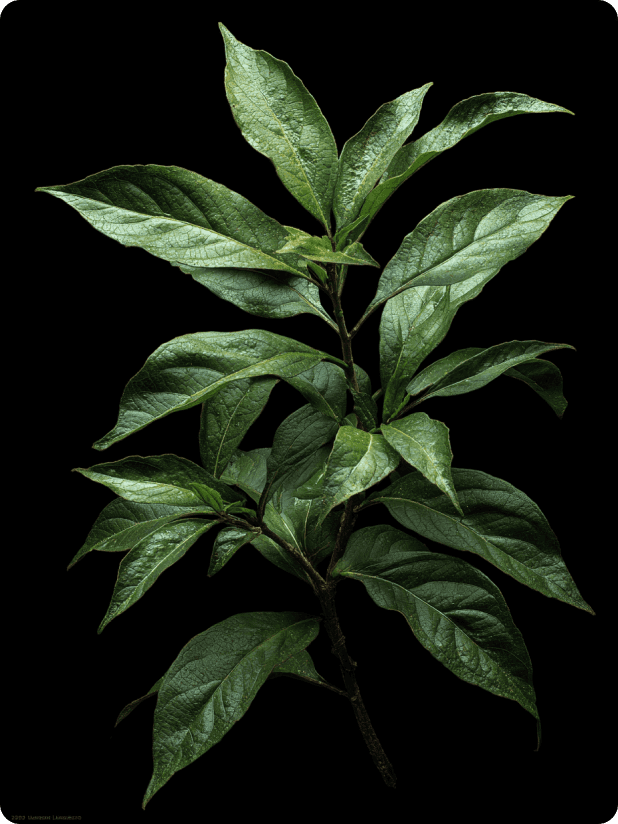
Wormwood (Artemisia absinthium) is a bitter, aromatic herb with a long history in medicine, ritual, and myth. It is best known today because of its association with absinthe, the famous green spirit surrounded by stories of madness and hallucinations.
Wormwood itself is not a psychedelic.
It does not reliably create visions, journeys, or altered realities.
Its effects are subtle, stimulating, and sharpening, more mental than visionary.
Wormwood works on clarity, alertness, and boundaries, not expansion.
Where does Wormwood come from?
Wormwood is native to:
Europe
North Africa
Western Asia
It has been used for centuries in:
Herbal medicine
Digestive remedies
Parasite treatment
Ritual cleansing
Protective magic and folklore
Its intense bitterness made it a symbol of:
Discipline
Purification
Harsh truth
Wormwood was never considered gentle.
What makes Wormwood psychoactive?
Wormwood contains several active compounds, the most discussed being thujone.
Thujone:
Affects the nervous system
Is mildly stimulating
Can cause agitation or confusion at high doses
In normal herbal amounts, thujone does not cause hallucinations.
The myth of “hallucinogenic absinthe” came largely from:
Alcohol intoxication
Adulterants in historical absinthe
Cultural panic and exaggeration
Wormwood’s real effects are far more grounded.
What does Wormwood do?
Wormwood produces a dry, sharp, and alert state.
Mental effects
Increased alertness
Sharper thinking
Reduced mental fog
Heightened focus
Emotional effects
Emotional restraint
Reduced softness
Increased seriousness or resolve
Physical effects
Strong bitter taste
Digestive stimulation
Increased circulation
Mild nervous stimulation
Wormwood does not soften or open.
It tightens and clarifies.
What does a Wormwood experience feel like?
If felt at all, wormwood is often described as:
Dry
Bitter
Clear
Slightly tense
There is:
No emotional warmth
No dreaminess
No inward journey
It feels more like waking up sharply than drifting inward.
Why was Wormwood used historically?
Traditionally, wormwood was used for:
Digestive health
Parasite cleansing
Fever reduction
Mental clarity
Protection rituals
In folklore, it was believed to:
Ward off negative influences
Strengthen willpower
Sharpen perception
It was associated with discipline, not pleasure.
Wormwood and Absinthe
Wormwood became famous through absinthe, but this connection is often misunderstood.
Absinthe:
Is primarily alcohol
Contains many herbs, not just wormwood
Was often adulterated historically
Modern science shows:
Thujone levels in absinthe are low
Alcohol caused most effects attributed to “absinthe madness”
Wormwood was blamed for what alcohol did.
Is Wormwood safe?
In small, traditional herbal amounts, wormwood can be safe.
However:
High doses of thujone are neurotoxic
Prolonged use is not recommended
Concentrated oils are dangerous
Not suitable for pregnancy
Wormwood is a medicine, not a tonic.
It demands restraint.
Wormwood vs psychedelics
The difference is fundamental.
Psychedelics:
Expand perception
Soften boundaries
Increase emotional flow
Wormwood:
Sharpens perception
Strengthens boundaries
Restrains emotion
Psychedelics dissolve.
Wormwood cuts clean.
Wormwood in modern times
Today, wormwood is mostly used as:
A bitter digestive herb
A symbolic plant in ritual or art
A misunderstood ingredient in absinthe
Its psychoactive reputation is largely mythological.
A final note
Wormwood does not comfort, open, or enchant.
It clarifies.
It strips away softness and asks for honesty, discipline, and attention.
In a landscape of plants that dissolve ego and expand emotion, wormwood stands apart as a reminder that some altered states are not about going deeper, but about standing sharper, clearer, and more awake in what already is.
Wormwood teaches not through visions, but through bitterness that wakes you up.