Psychedelic Safety: Harm Reduction Principles
A practical guide to reducing risk before, during, and after psychedelic experiences, covering substance testing, drug interactions, trip sitting, and when to seek emergency help.

The Philosophy of Harm Reduction
Harm reduction is a public health framework that meets people where they are. Rather than insisting on abstinence as the only acceptable outcome, it recognizes that some people will use psychoactive substances regardless of legal status, and offers practical strategies to minimize risk. Organizations like DanceSafe, the Zendo Project, Fireside Project, and TripSit have adapted this philosophy specifically for psychedelic contexts, providing education, peer support, and on-the-ground services at festivals and in online communities.
The core principle is pragmatic: if someone is going to have a psychedelic experience, they deserve accurate information about what they are taking, how it interacts with their body and medications, and what to do if something goes wrong. Moralistic judgment does not reduce harm. Information does.
Substance Testing
One of the most impactful harm reduction practices is testing substances before use. Reagent test kits (such as Marquis, Mecke, and Ehrlich reagents) can identify the presence or absence of certain compound classes, helping confirm that a substance is what it is claimed to be. Ehrlich reagent, for example, turns purple in the presence of indole alkaloids like LSD and psilocybin, which helps rule out more dangerous substitutes like NBOMe compounds.
Fentanyl test strips have become increasingly important as fentanyl contamination has spread beyond the opioid supply into stimulants and, in rare cases, other substance categories. A single strip costs roughly one to two dollars and can detect fentanyl at concentrations as low as 0.25 micrograms per milliliter. For those who want greater certainty, laboratory testing services like DrugsData (formerly EcstasyData) and Energy Control in Spain can provide full quantitative analysis.
No test is perfect. Reagent kits confirm the presence of a compound class but cannot measure purity or dosage. They are a first line of defense, not a guarantee of safety.
Medical Contraindications and Drug Interactions
Certain medical conditions and medications create serious risks when combined with psychedelics. Some of the most important interactions include:
- ●SSRIs and SNRIs: Selective serotonin reuptake inhibitors can blunt or block the effects of classical psychedelics (psilocybin, LSD, DMT). More critically, combining serotonergic psychedelics with SSRIs in some contexts may increase the risk of serotonin syndrome, a potentially life-threatening condition characterized by agitation, hyperthermia, and rapid heart rate.
- ●MAOIs: Monoamine oxidase inhibitors (including those found in ayahuasca as harmine and harmaline) interact dangerously with many substances, including MDMA, certain foods, and other serotonergic compounds. The combination can cause severe hypertensive crises or serotonin syndrome.
- ●Lithium: Multiple case reports associate the combination of lithium with LSD or psilocybin with seizures. This is considered one of the most dangerous known psychedelic drug interactions, and most harm reduction resources strongly advise against it.
- ●Heart conditions: Psychedelics can elevate heart rate and blood pressure. People with cardiovascular conditions should consult a physician before considering any psychedelic use.
- ●Tramadol: This opioid painkiller lowers the seizure threshold and has been associated with seizures when combined with psychedelics.
This is not an exhaustive list. The TripSit interaction chart and the Spirit Pharmacist database are useful resources for checking specific combinations.
Trip Sitting: The Role of a Trusted Companion
A trip sitter is someone who remains sober (or relatively so) during another person's psychedelic experience, offering quiet support and reassurance. The Zendo Project, which provides psychedelic peer support at events like Burning Man, trains its volunteers according to four principles: create a safe space, sit rather than guide, talk through rather than down, and consider the experience a difficult one rather than a bad one.
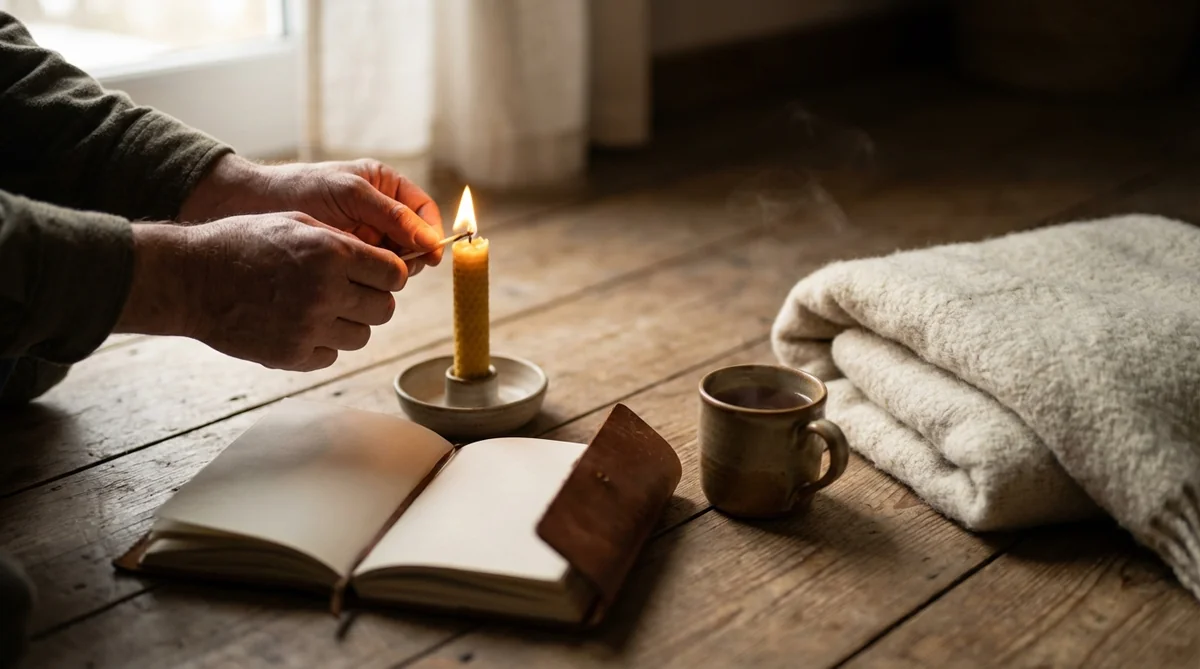
A good sitter does not try to direct or interpret the experience. They do not panic if the person cries, goes silent, or expresses fear. They maintain a calm, non-judgmental presence and help with practical needs: water, blankets, a change of environment, or simply the reassurance that the effects are temporary and will pass.
What a sitter should not do: leave the person alone in an unsafe environment, give them additional substances, attempt amateur psychotherapy, or invalidate their experience by telling them to "just relax."
When to Seek Emergency Help
Most psychedelic experiences, even difficult ones, resolve on their own within hours. However, certain situations warrant professional medical attention:
- ●Persistent psychosis: If someone remains unable to distinguish reality from the experience well after the substance should have worn off (typically 8 to 12 hours for LSD, 6 hours for psilocybin), professional evaluation is appropriate.
- ●Serotonin syndrome symptoms: Agitation combined with fever, rapid heart rate, muscle rigidity, or clonus (involuntary rhythmic muscle contractions) requires emergency care.
- ●Seizures: Any seizure during or after psychedelic use warrants immediate medical attention.
- ●Suicidal ideation: If someone expresses persistent thoughts of self-harm, contact emergency services or the 988 Suicide and Crisis Lifeline.
- ●Severe cardiovascular symptoms: Chest pain, extremely rapid heart rate, or difficulty breathing should not be attributed to "just the trip."
The Fireside Project (62-FIRESIDE / 623-473-7433) offers a free psychedelic peer support line staffed by trained volunteers, available for those who need someone to talk to during or after an experience but do not require emergency medical care.
Key Organizations
- ●DanceSafe: Provides drug checking services, reagent test kits, and education at music events across North America.
- ●Zendo Project (MAPS): Peer support for psychedelic experiences at festivals and events, trained in compassionate, non-directive care.
- ●Fireside Project: A free phone and text support line for people during or after psychedelic experiences.
- ●TripSit: An online harm reduction community with a real-time chat, a comprehensive drug interaction chart, and factsheets on hundreds of substances.