History
Timeline
A selective history of humanity's relationship with psychoactive plants, from ancient ritual to modern science.
Ancient use
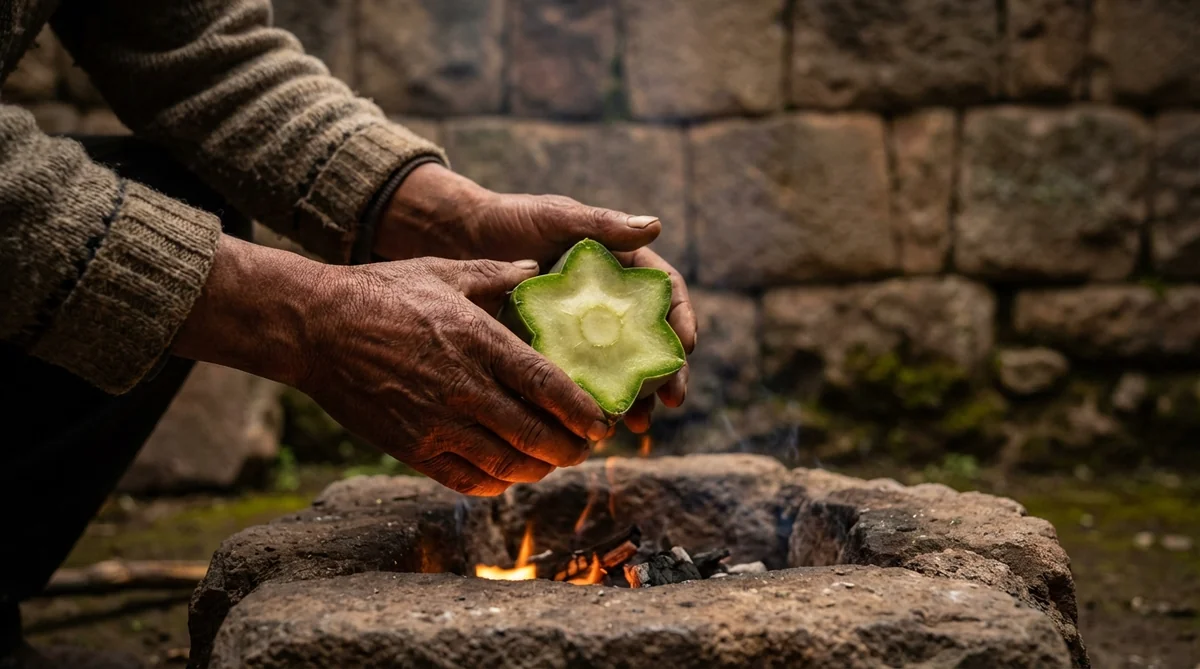
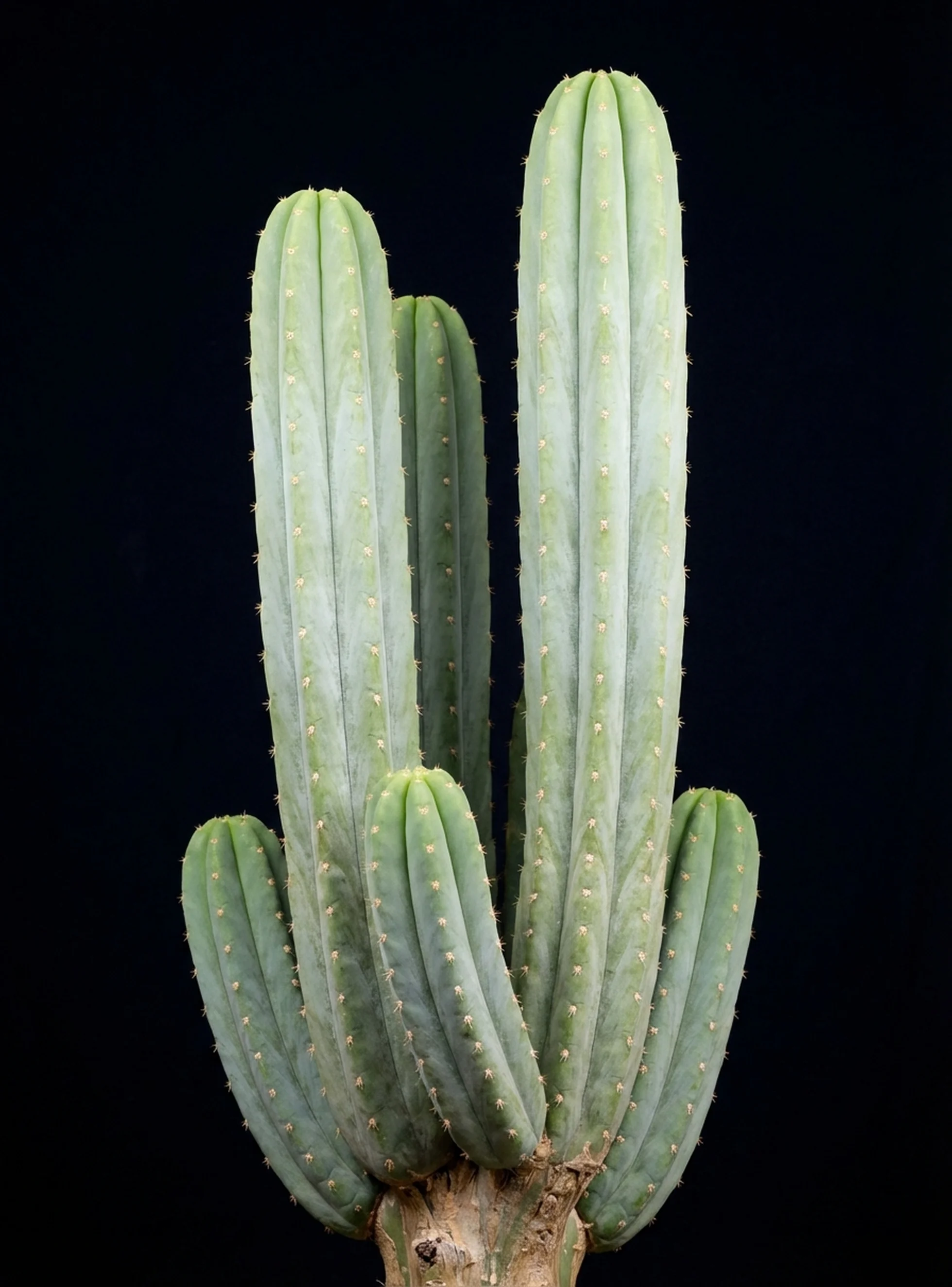
San Pedro in the Andes
Archaeological evidence from a cave in northern Peru suggests San Pedro cactus was used in healing ceremonies, making it one of the oldest documented psychoactive plant traditions in the Americas.
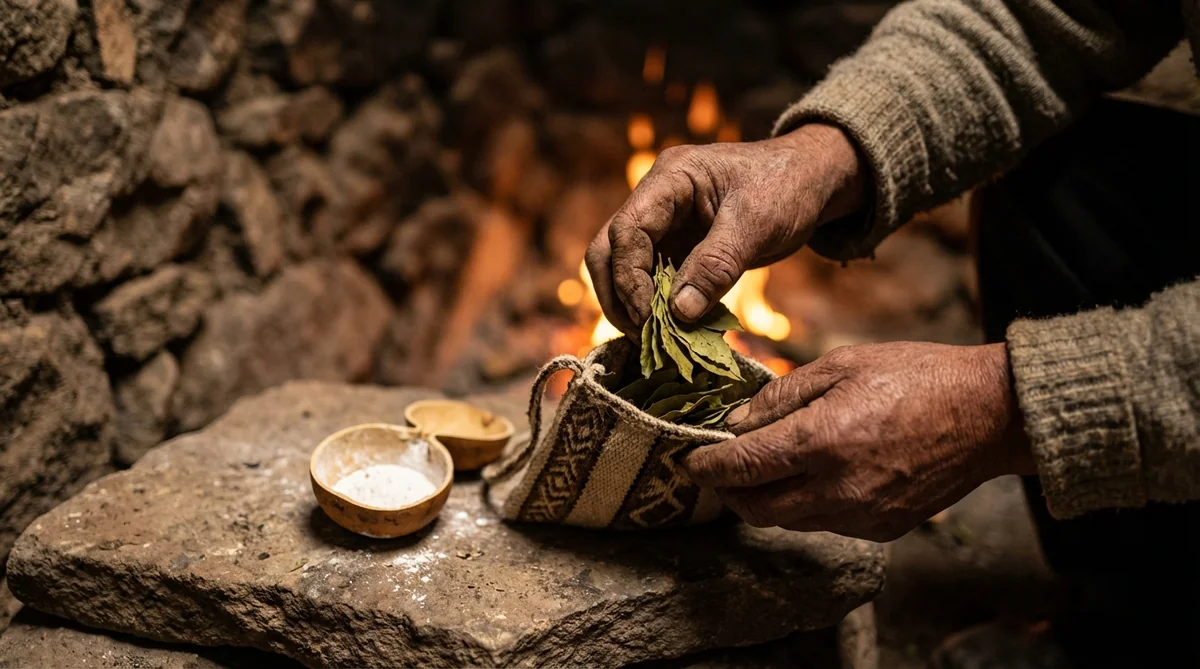
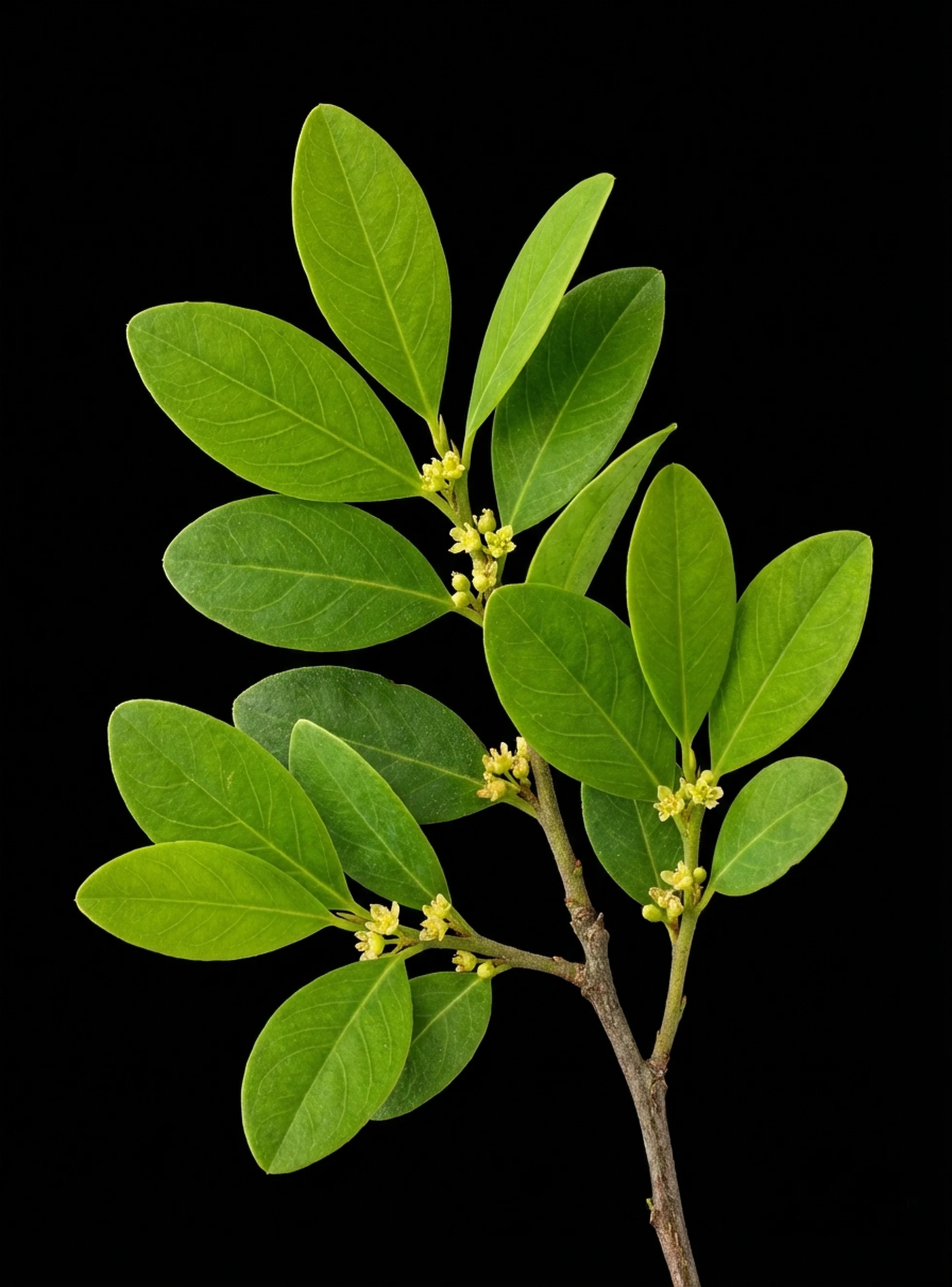
Coca chewing in the Andes
Traces of coca alkaloids found in the teeth and hair of ancient Andean mummies suggest coca leaf chewing was practiced for thousands of years before recorded history.
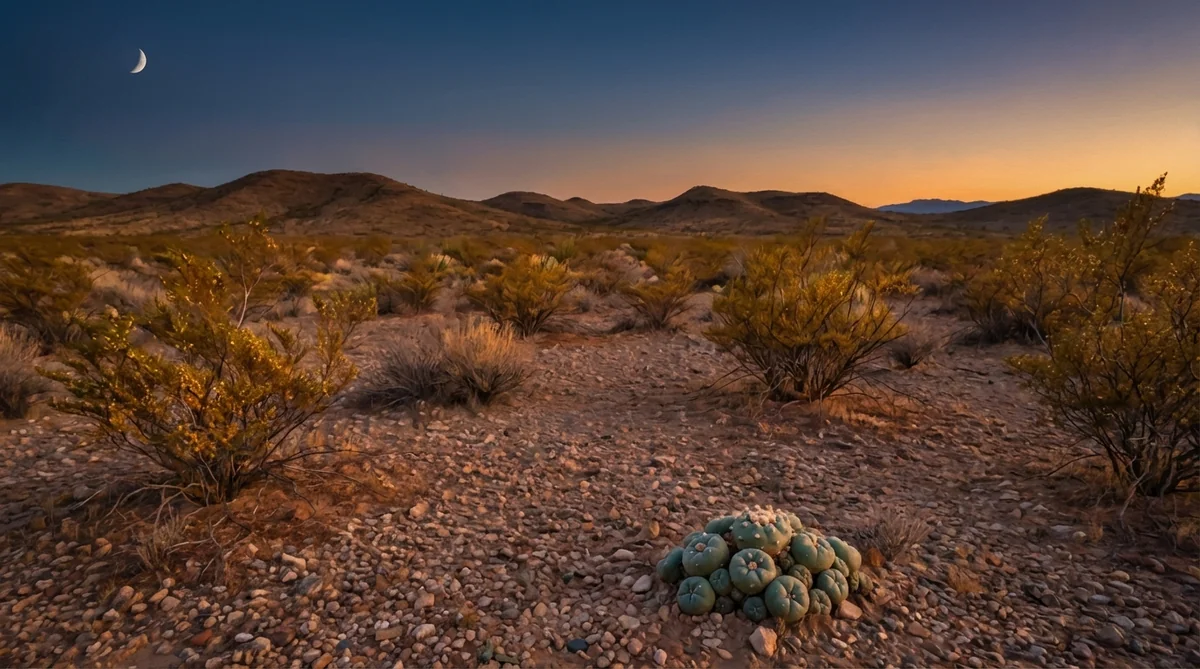
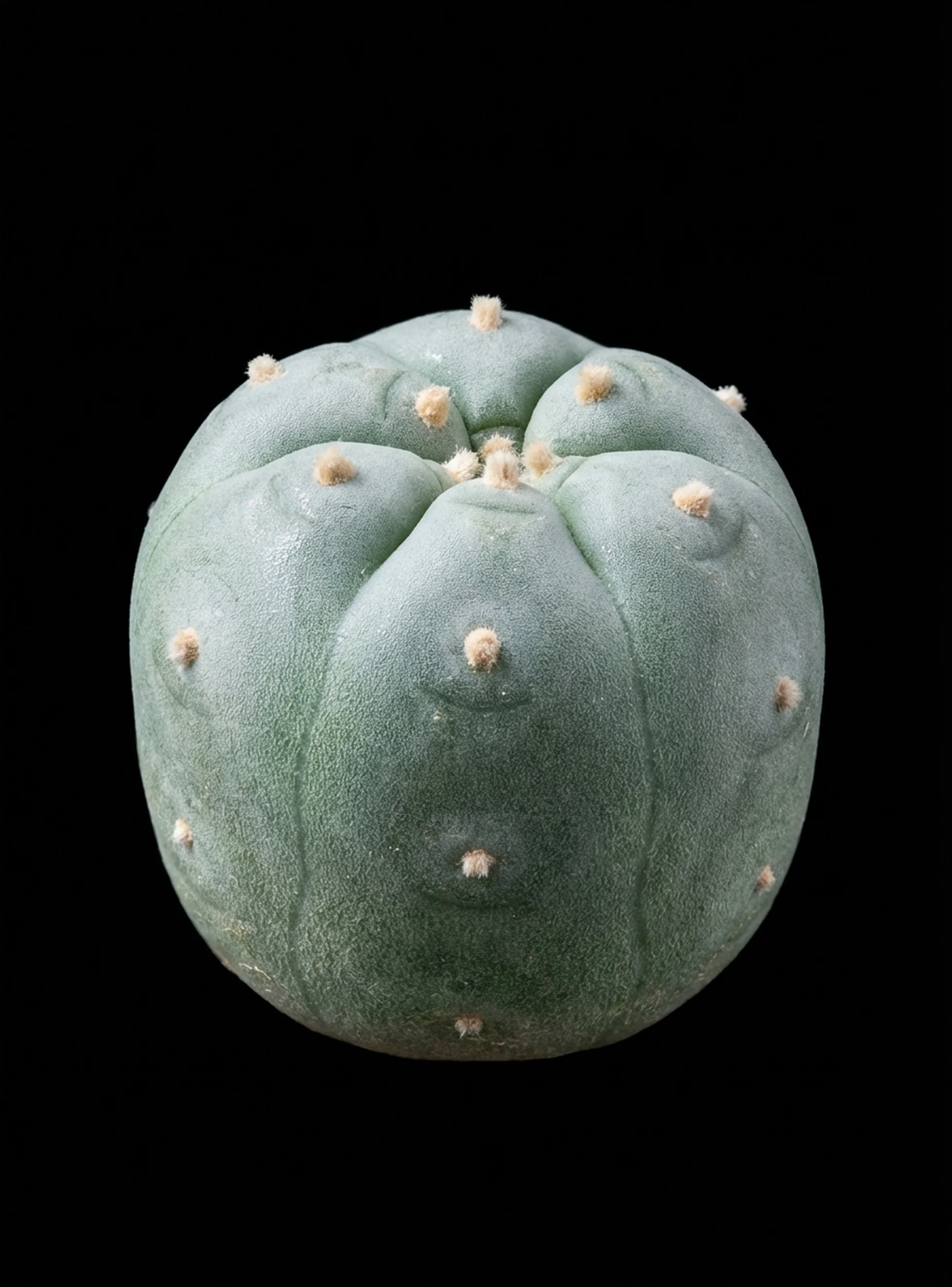
Peyote in the Rio Grande
Archaeological evidence suggests peyote was used in ceremonial contexts along the Rio Grande region, one of the oldest documented psychedelic traditions in North America.
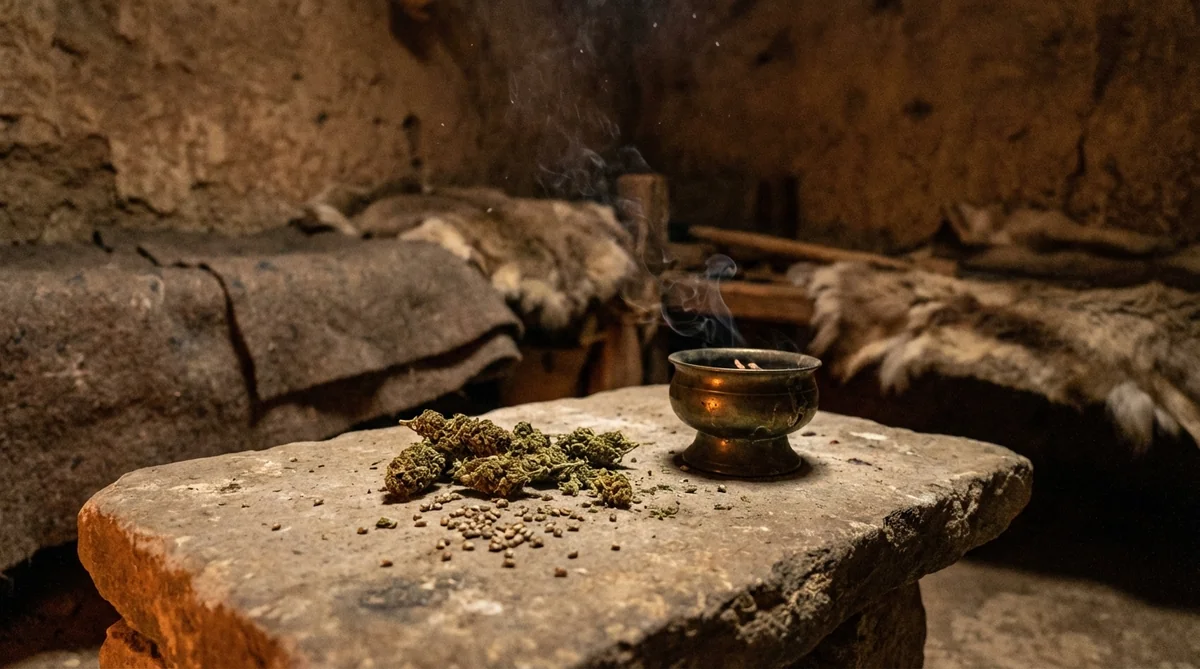
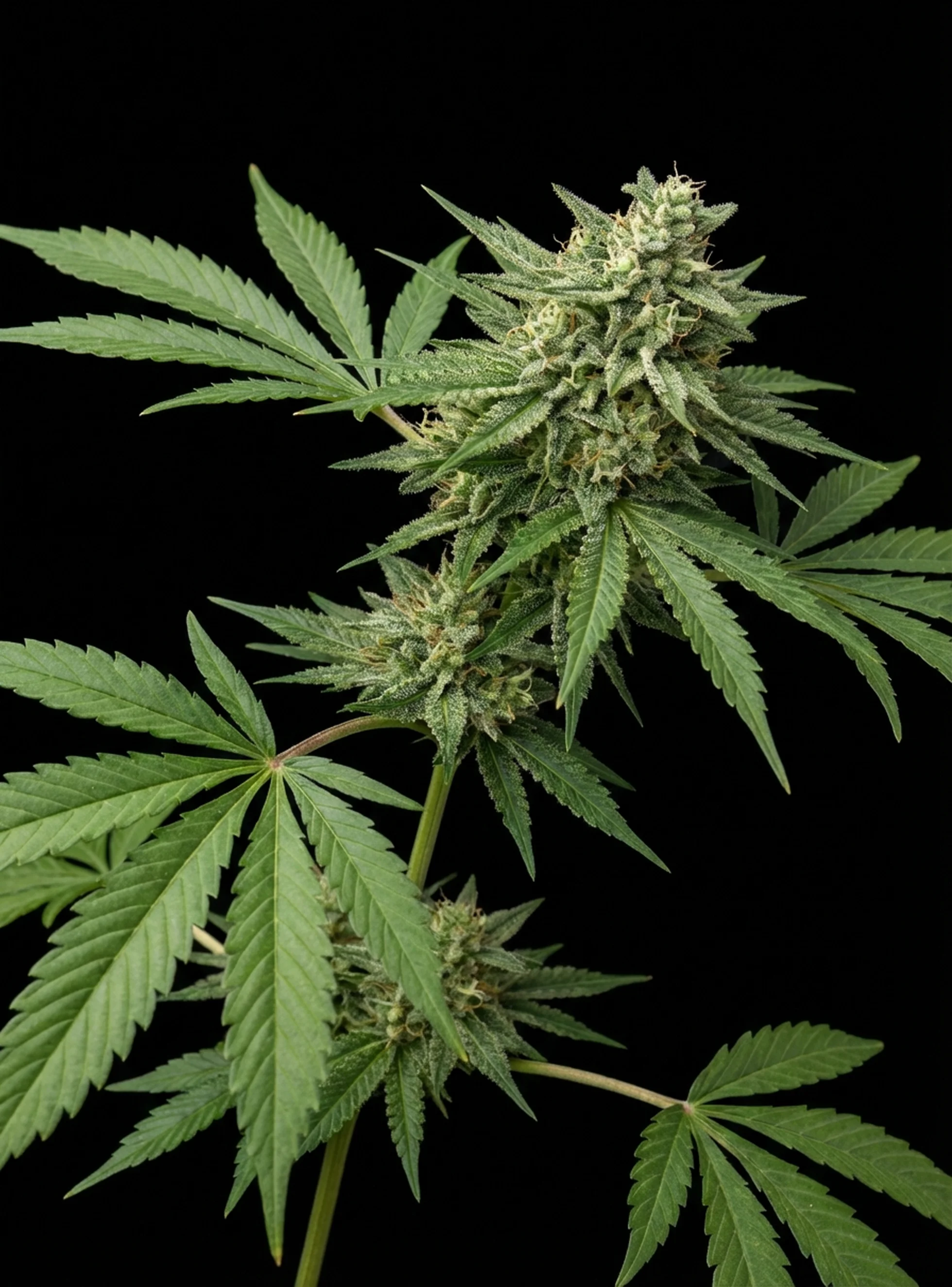
Cannabis in Central Asia
Cannabis seeds and residues have been found in burial sites across Central Asia and western China, indicating early ritual and medicinal use alongside its cultivation for fiber.
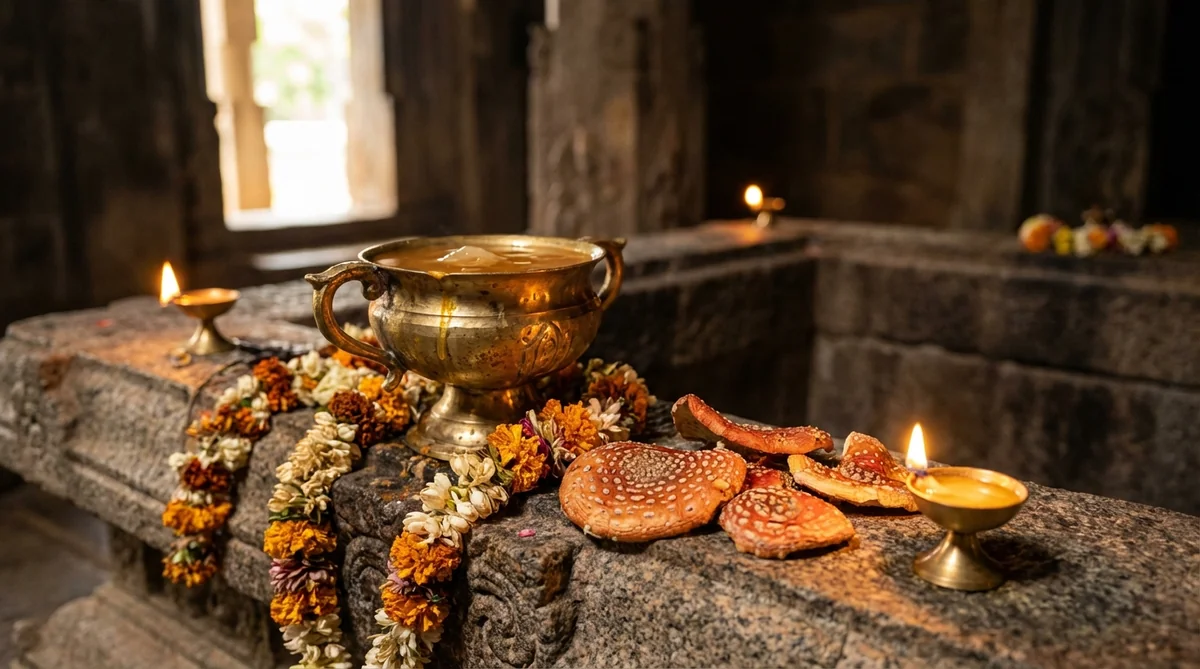
Soma in the Vedic texts
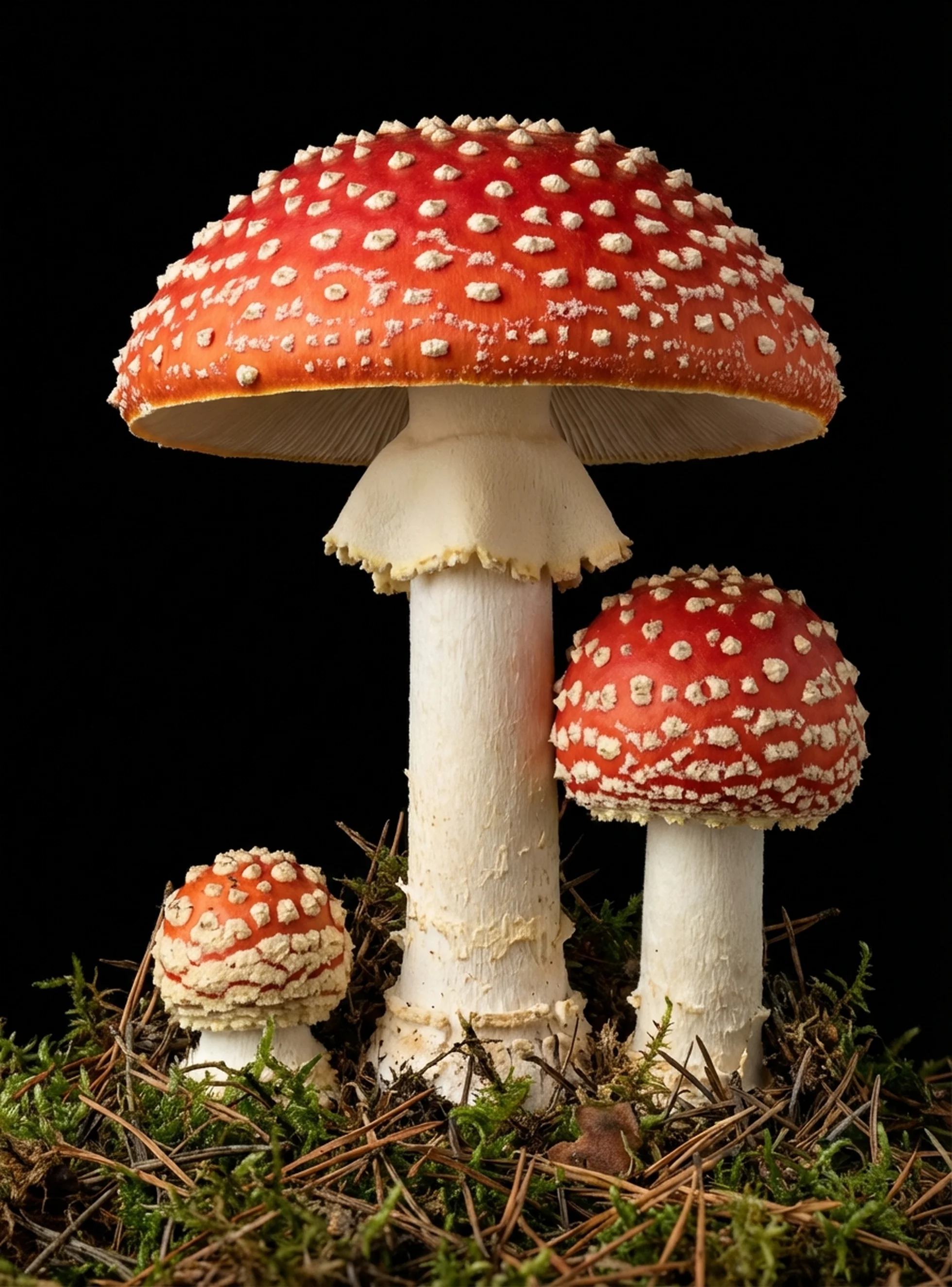
The Rigveda contains over 100 hymns dedicated to Soma, a ritual drink whose botanical identity remains debated. Candidates include Amanita muscaria and ephedra.
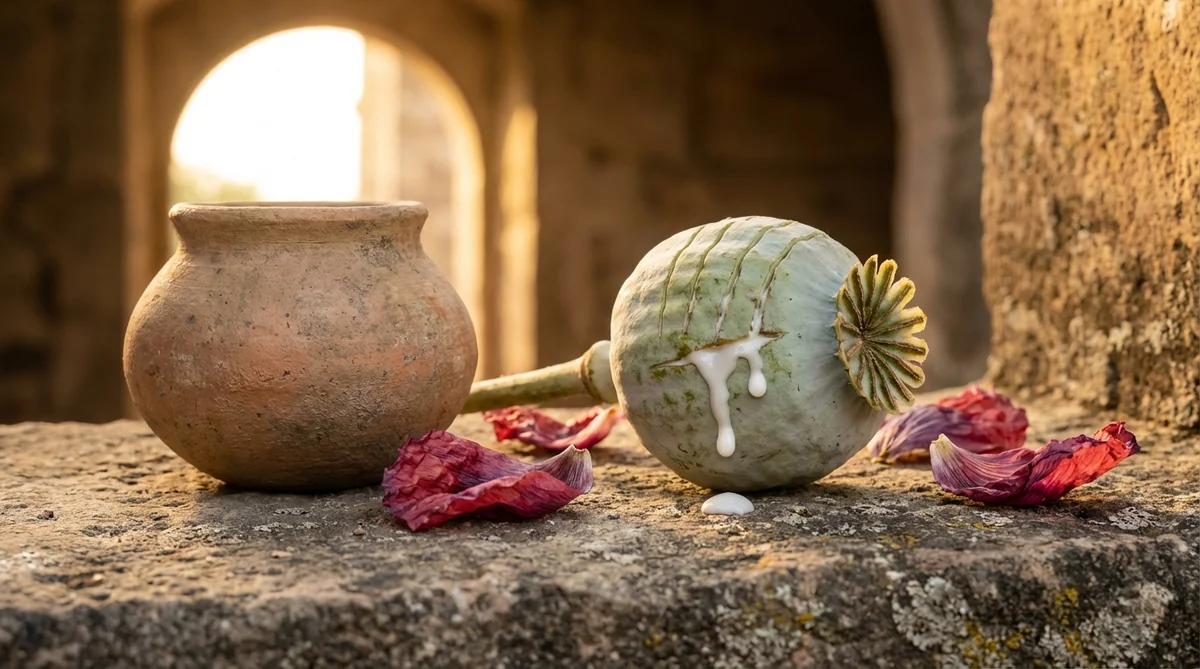
Opium cultivation in the Mediterranean
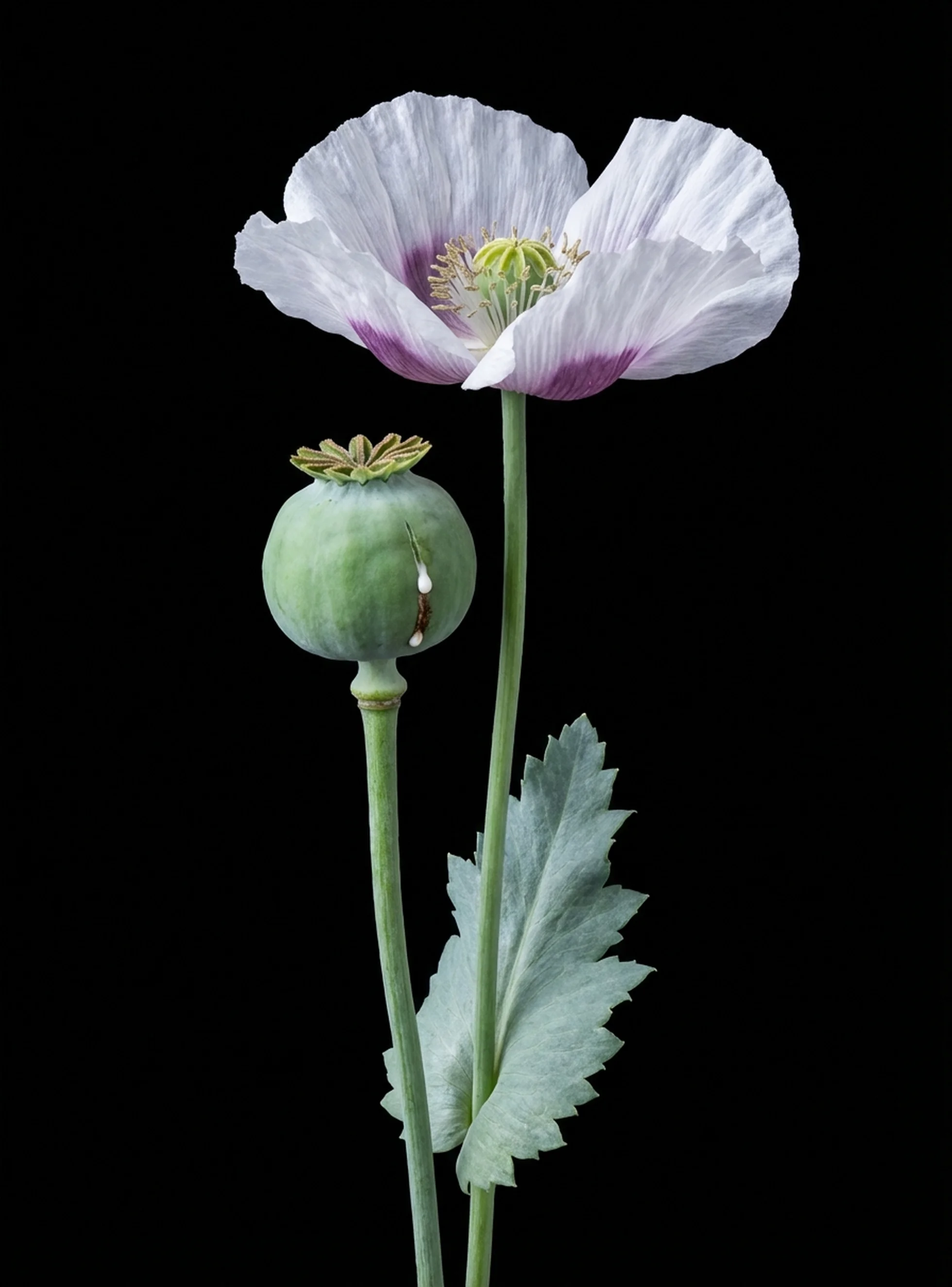
The opium poppy was cultivated across the eastern Mediterranean for medicinal and ritual purposes. Residues have been found in Bronze Age vessels from Cyprus.
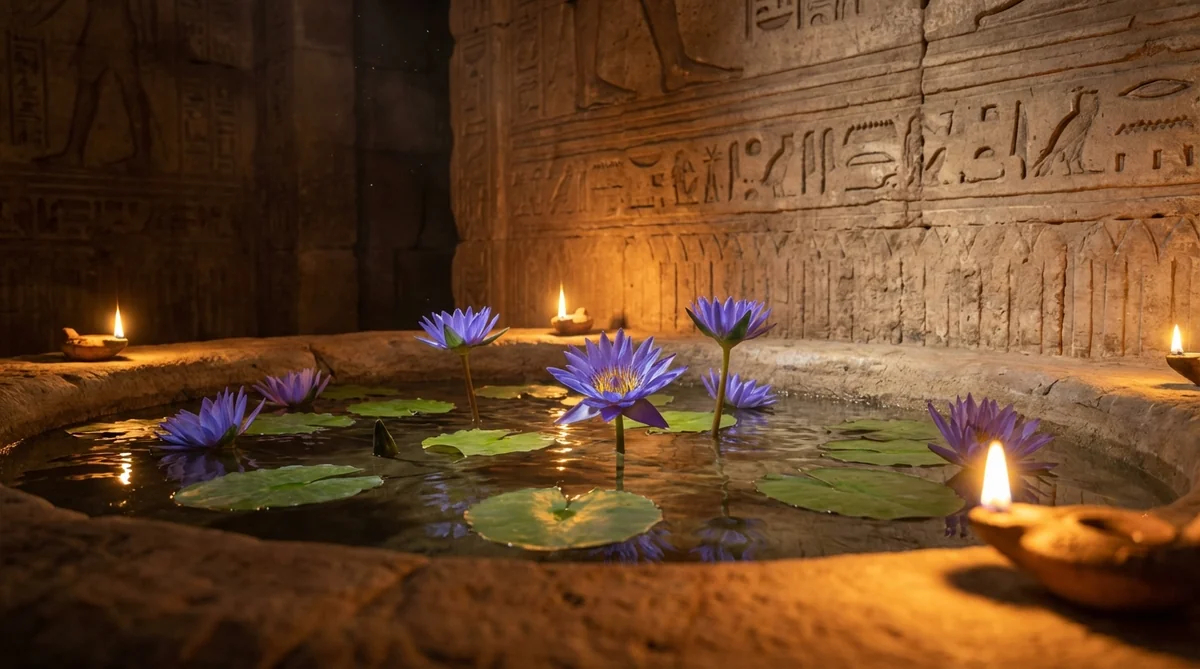
Blue Lotus in Ancient Egypt
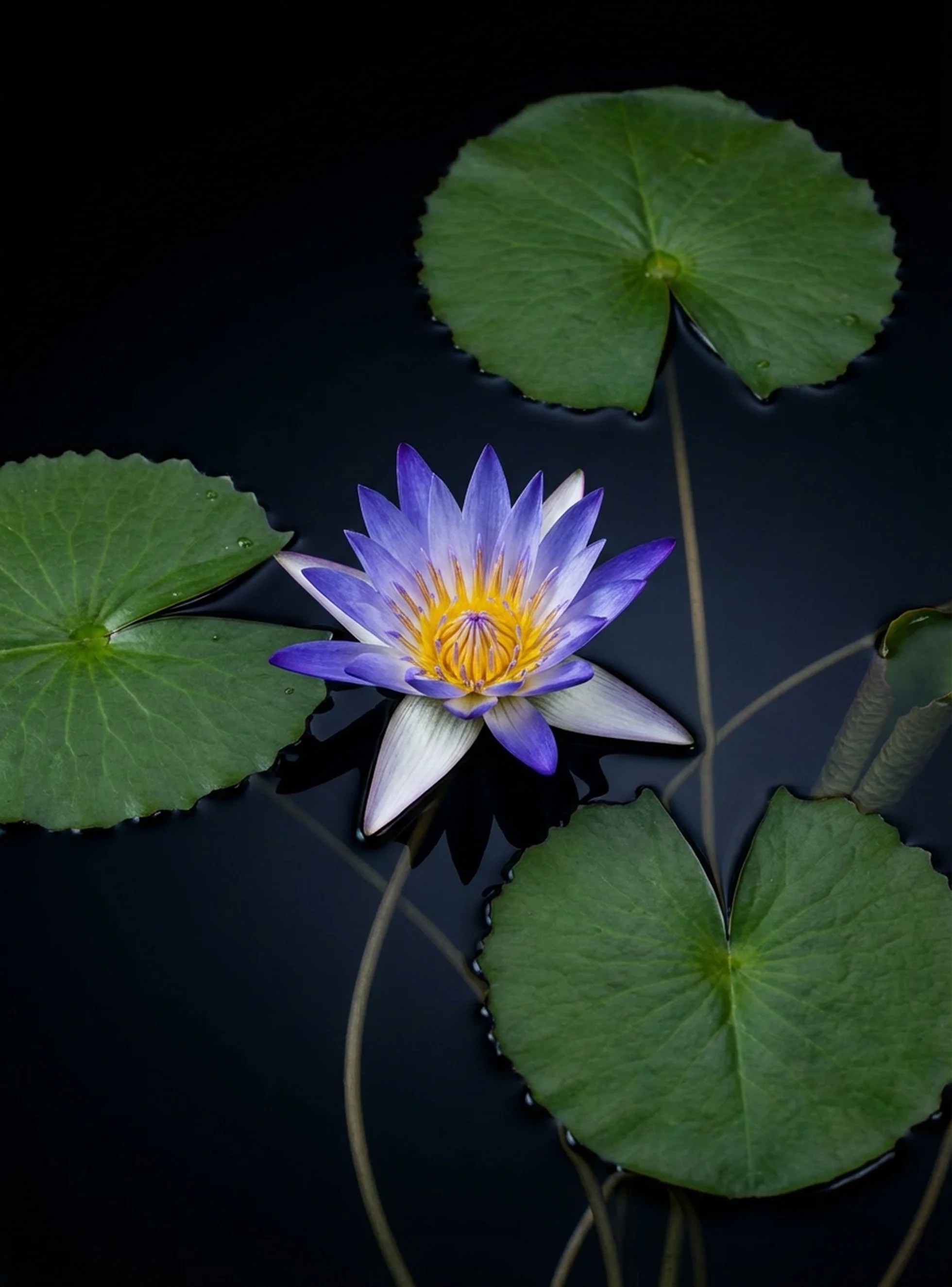
Depictions of Nymphaea caerulea appear throughout Egyptian art and funerary contexts. The flower was associated with rebirth, the sun god Ra, and altered states of consciousness.
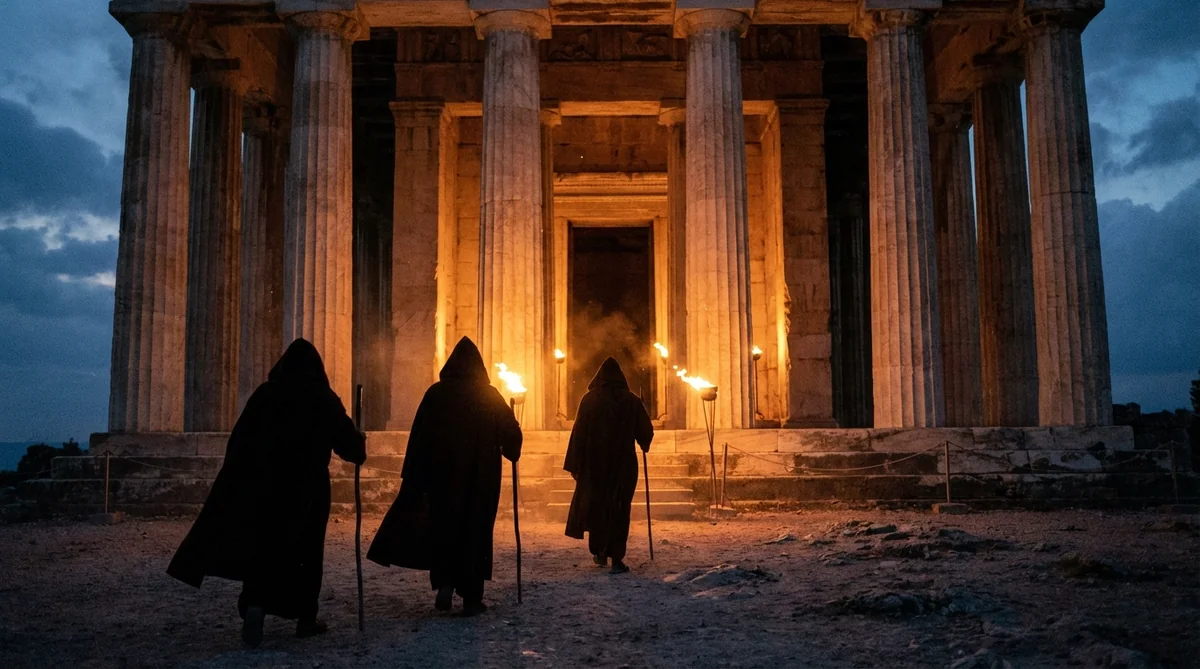
Eleusinian Mysteries in Greece
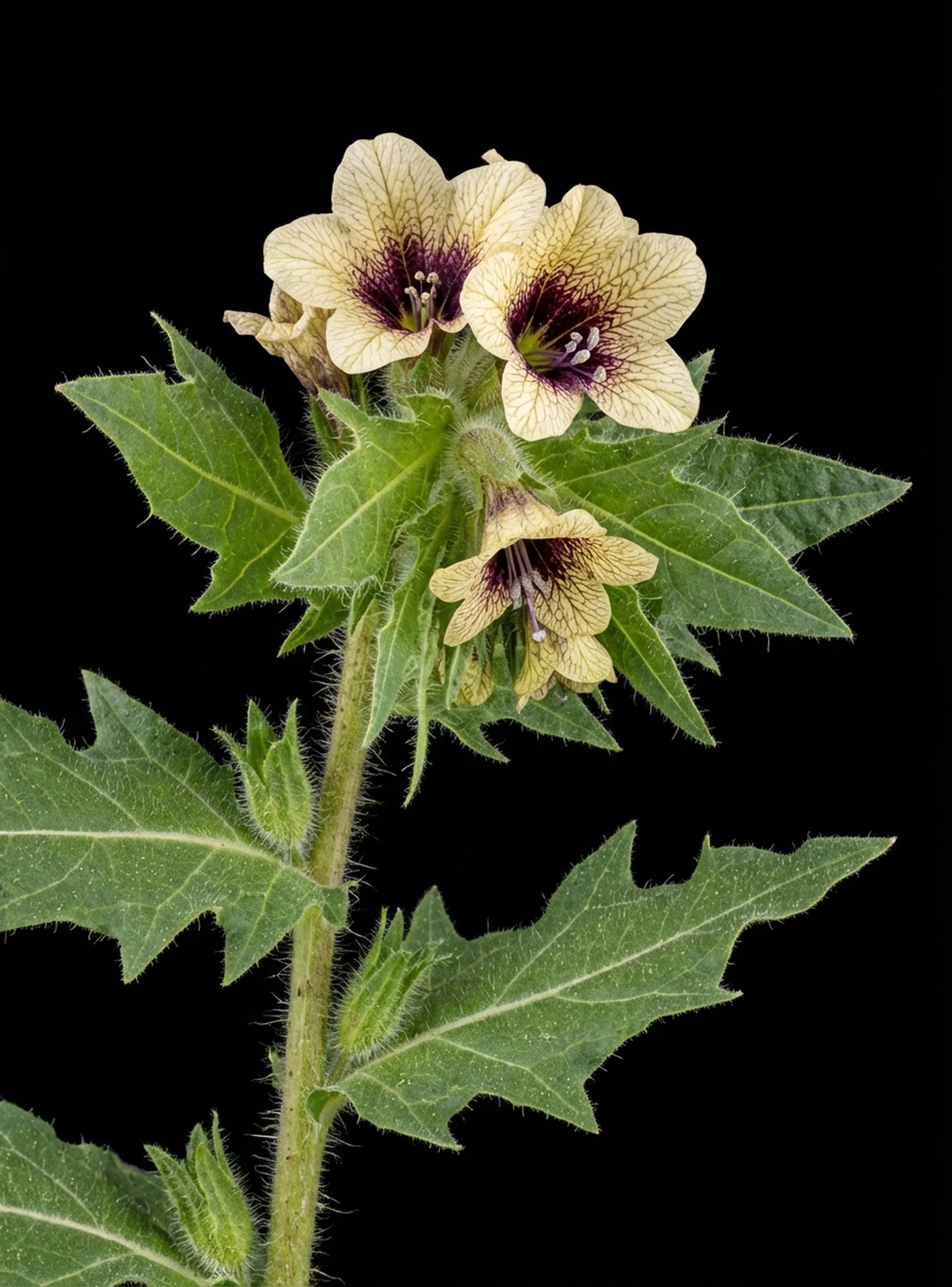
Initiates at Eleusis consumed kykeon, a sacred drink that may have contained ergot alkaloids. Henbane and other nightshades were also known to Greek herbalists.
Traditional cultures
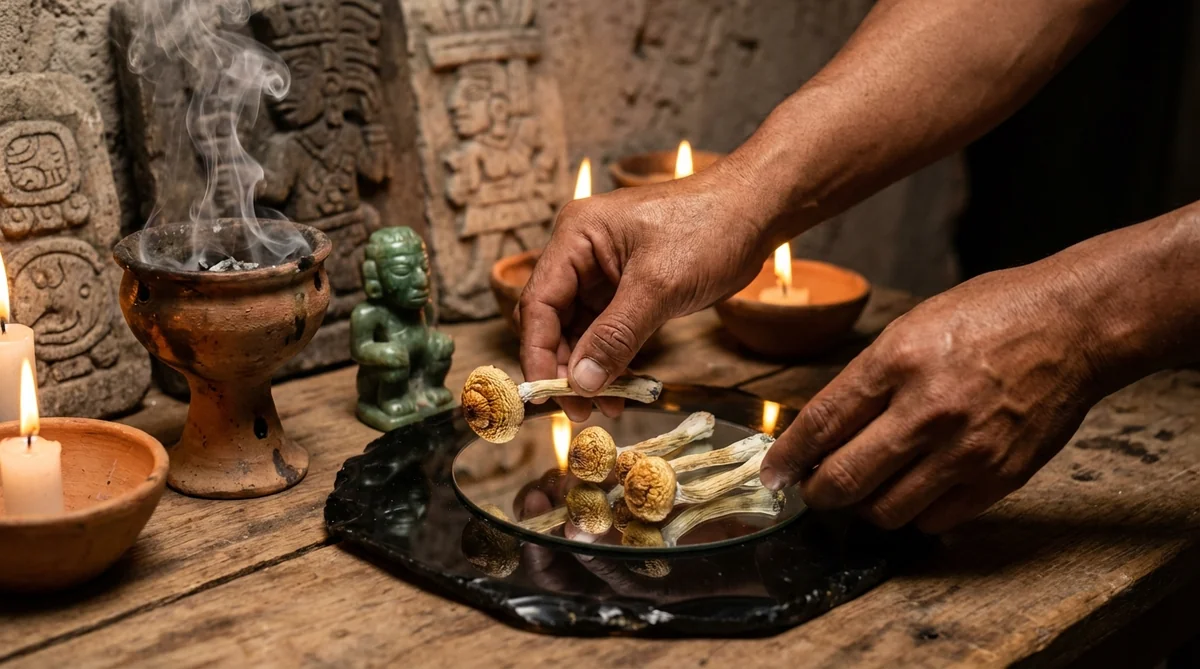
Aztec use of teonanacatl
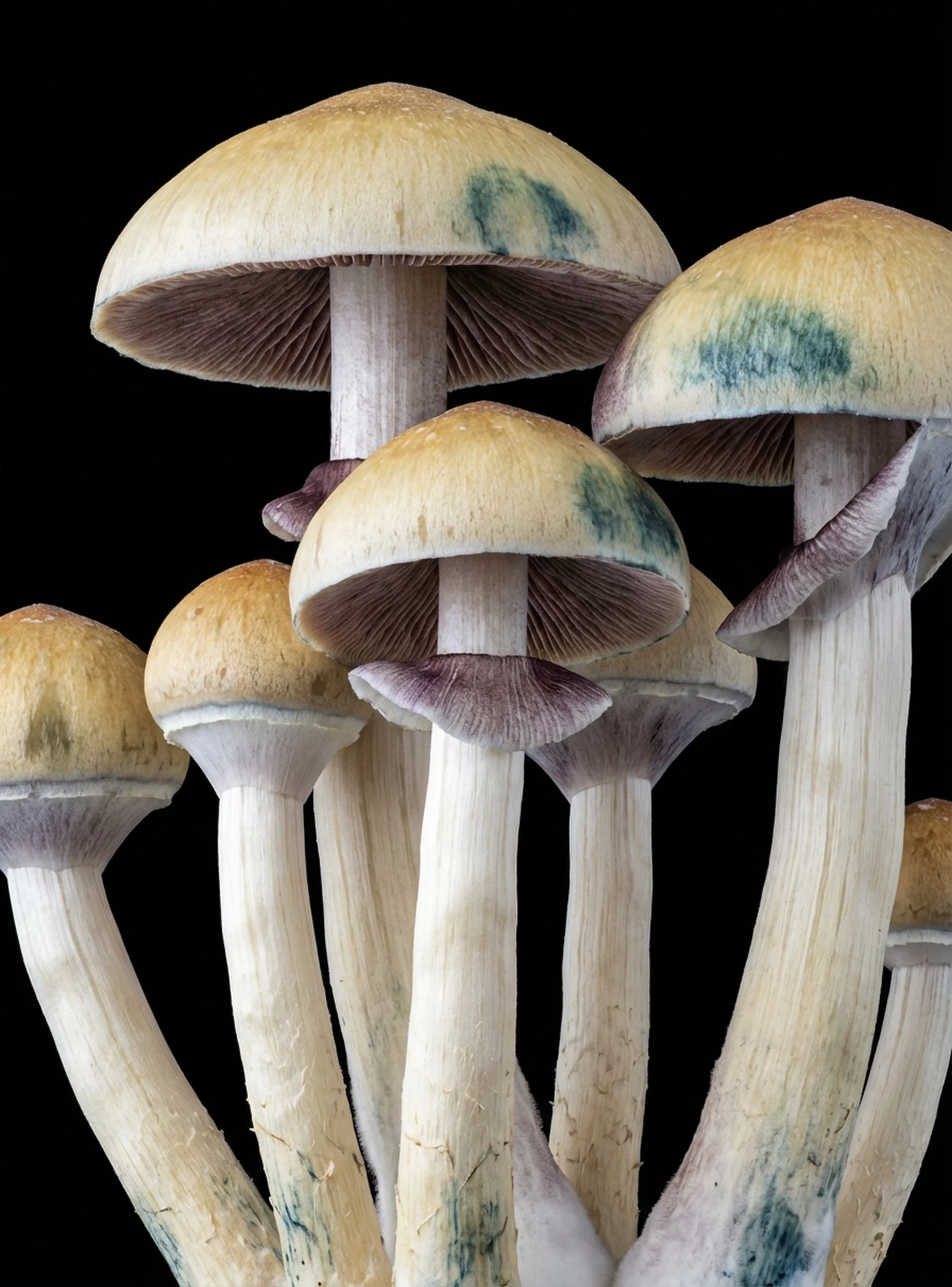
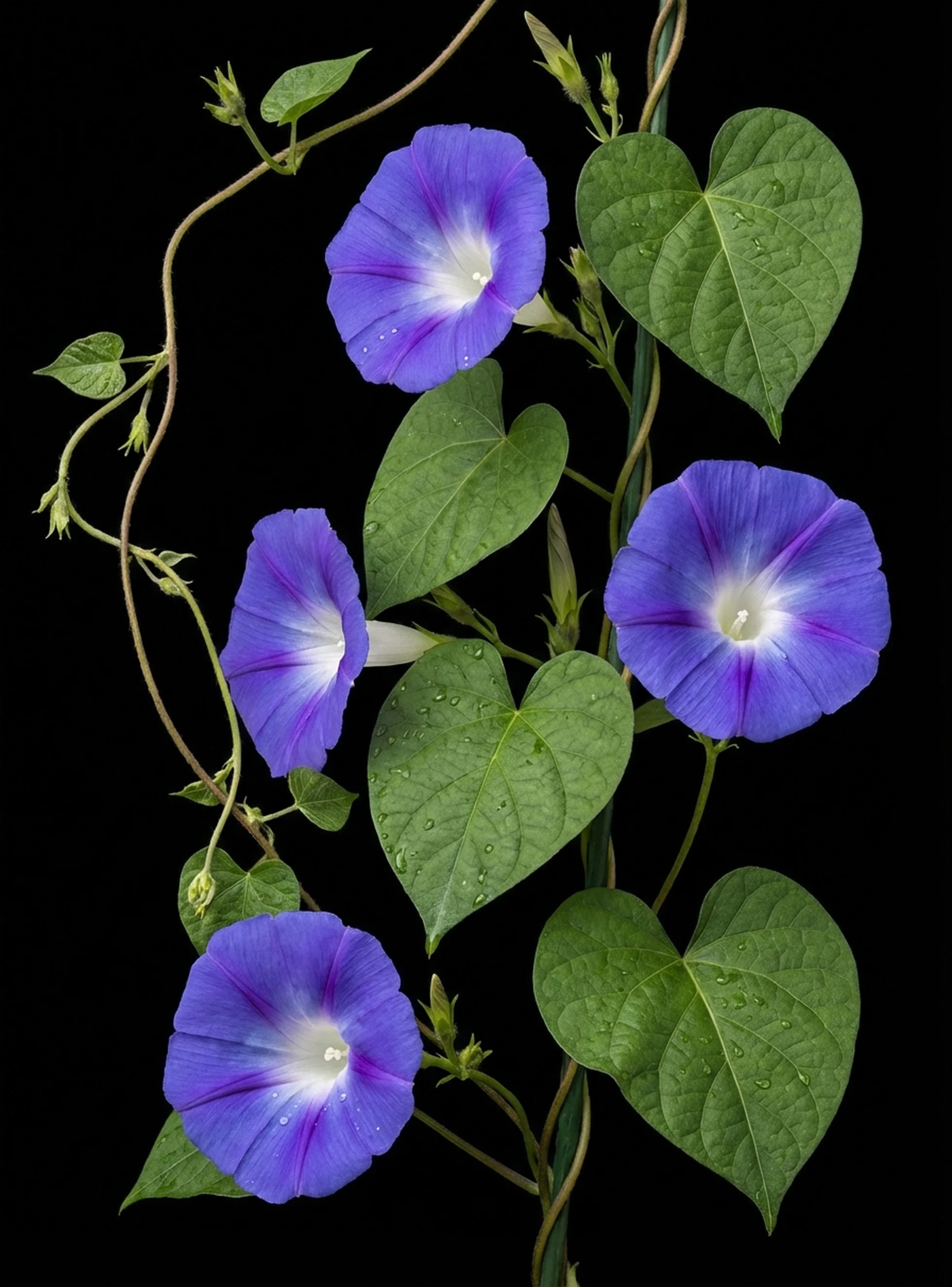
Psilocybin mushrooms, called teonanacatl or 'flesh of the gods,' were used in Mesoamerican religious ceremonies. Spanish colonial records document their significance alongside morning glory seeds (tlitlitzin).
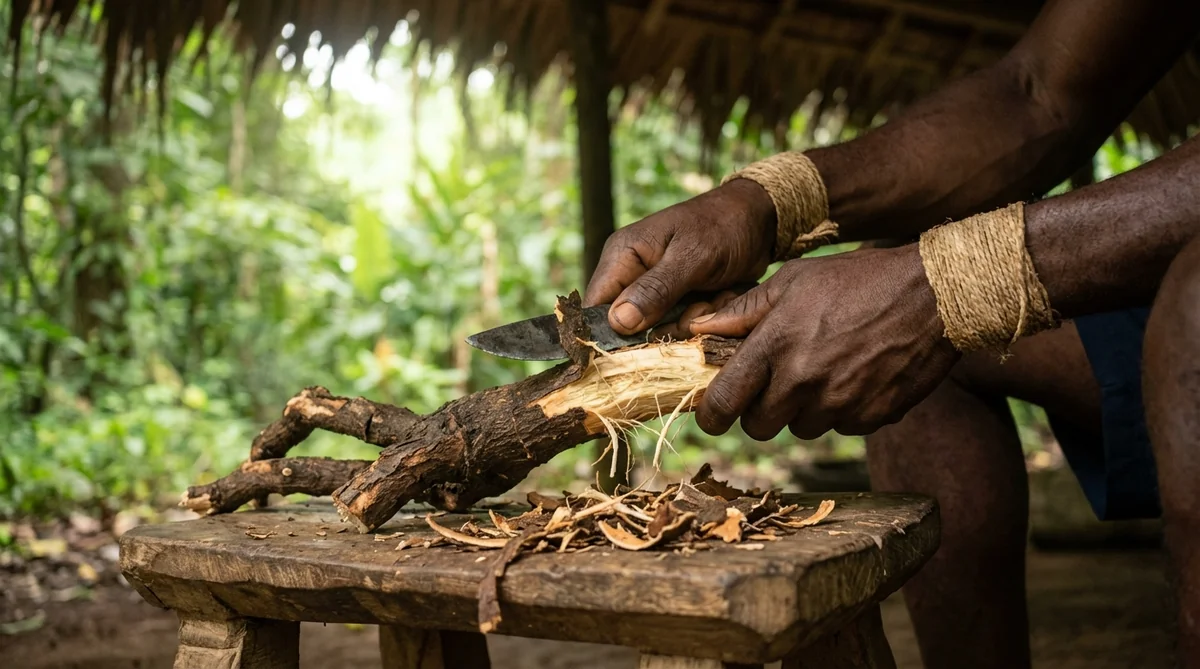
Iboga in Bwiti tradition
The Bwiti spiritual practice in Central Africa incorporated iboga root bark into initiation ceremonies, a tradition that continues in Gabon and Cameroon.
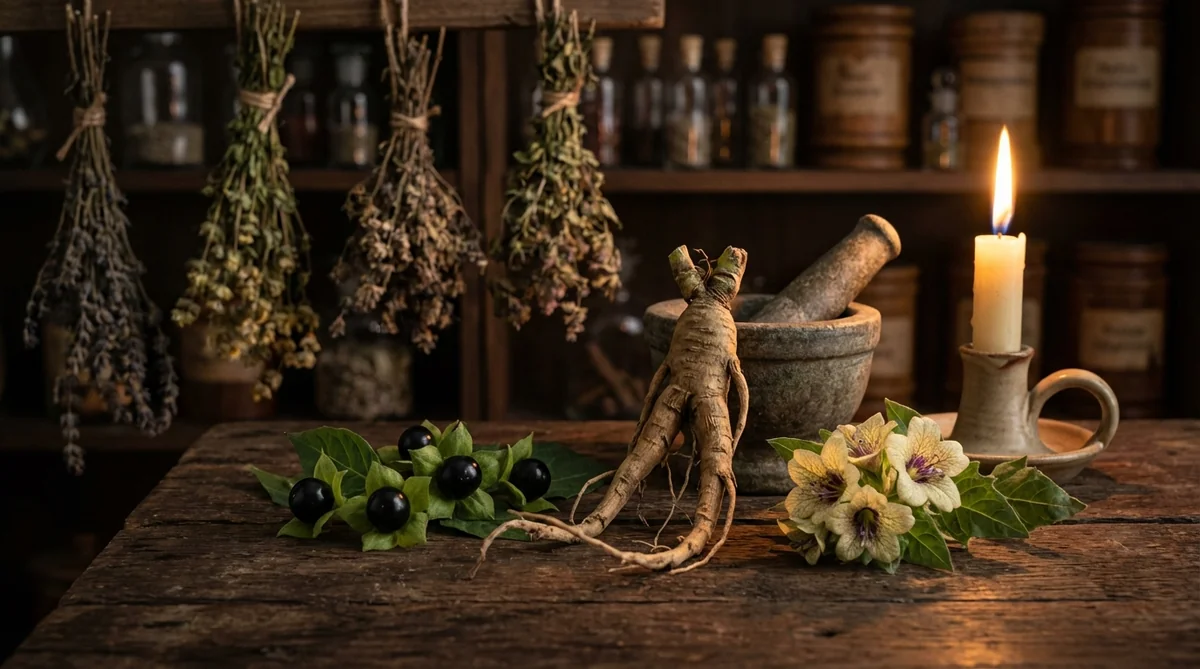
European witchcraft and nightshades
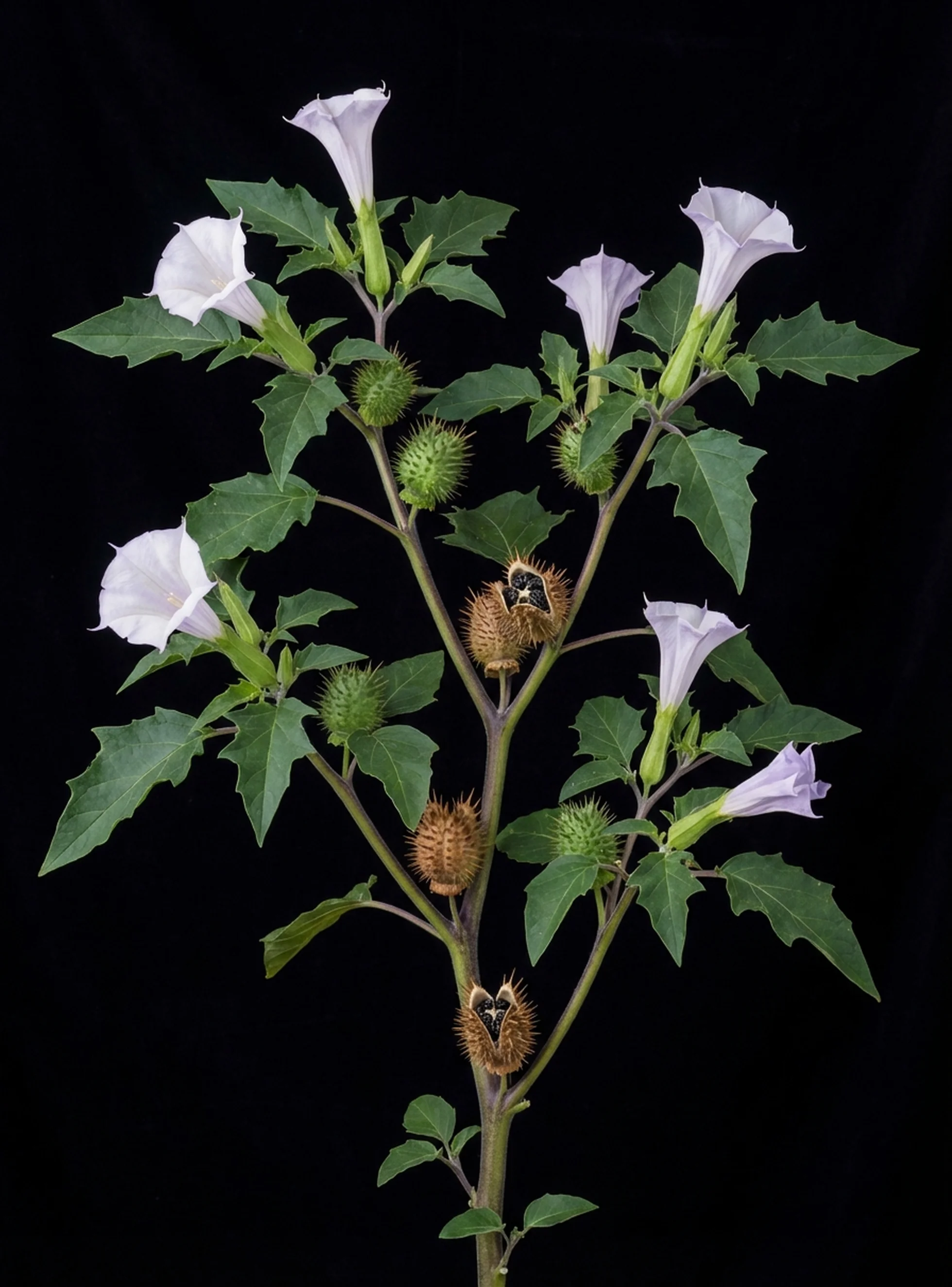
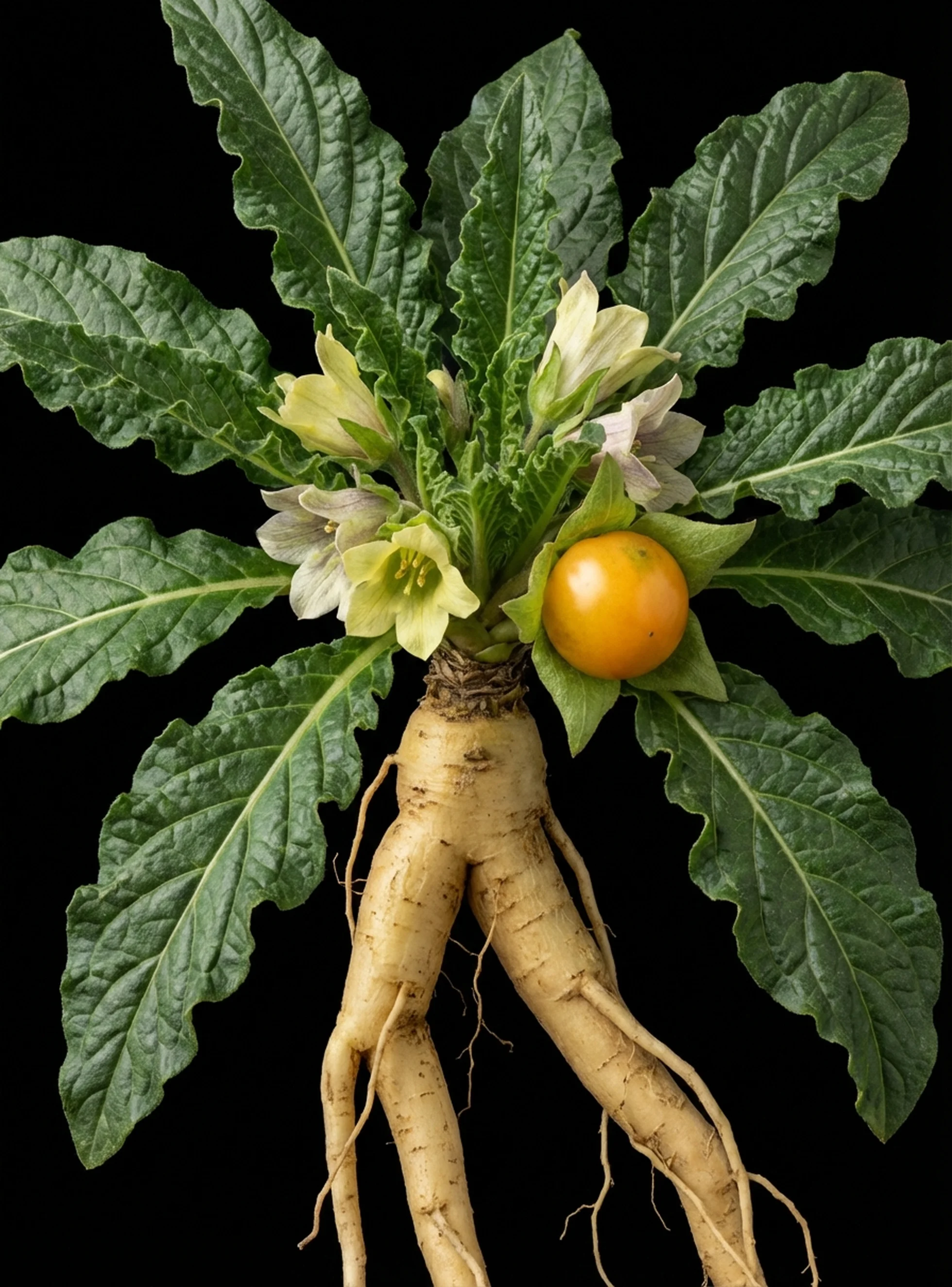
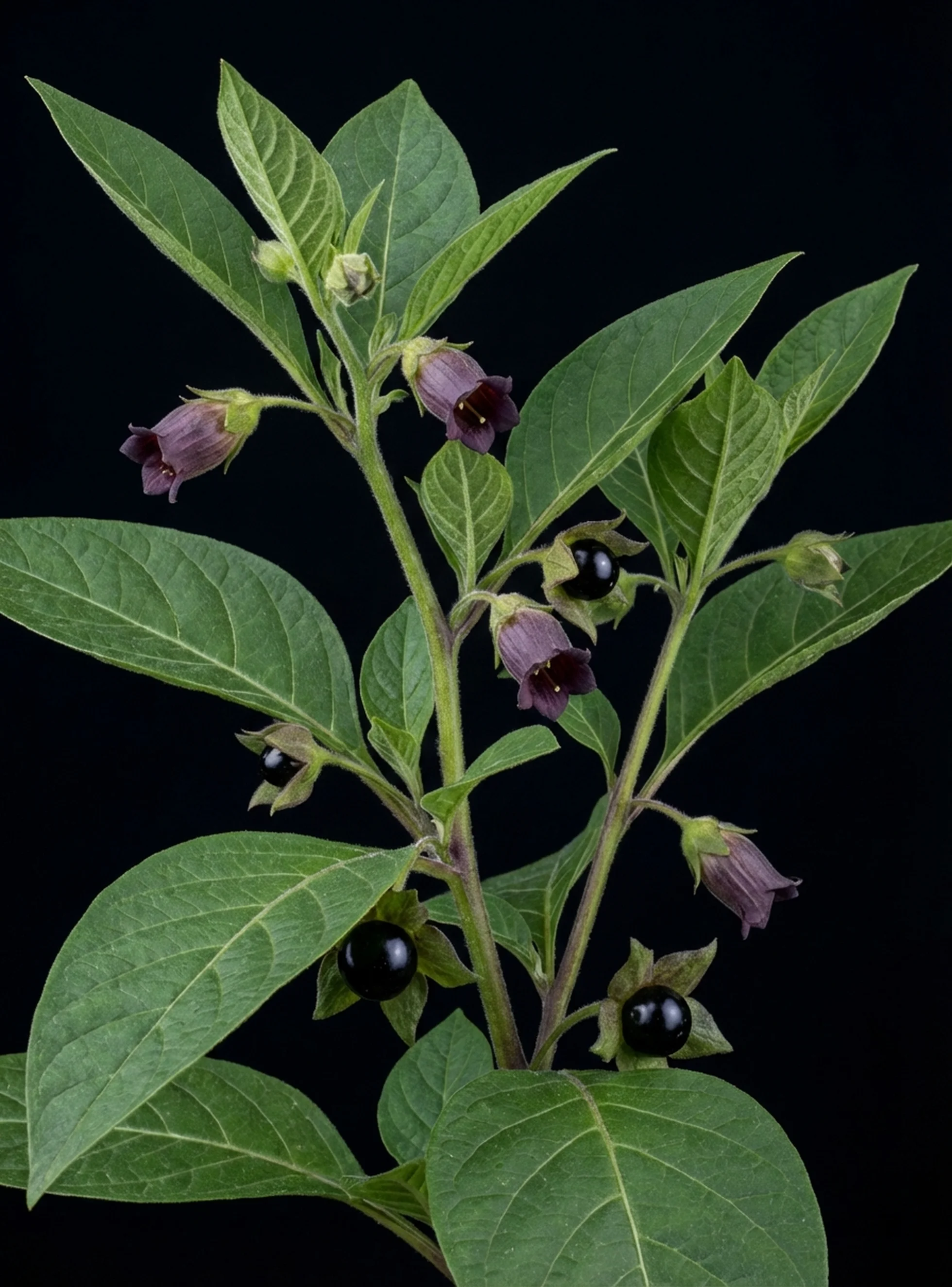
Belladonna, mandrake, and henbane appeared in European folk medicine and were associated with witchcraft. Their tropane alkaloids produce vivid, dream-like states.
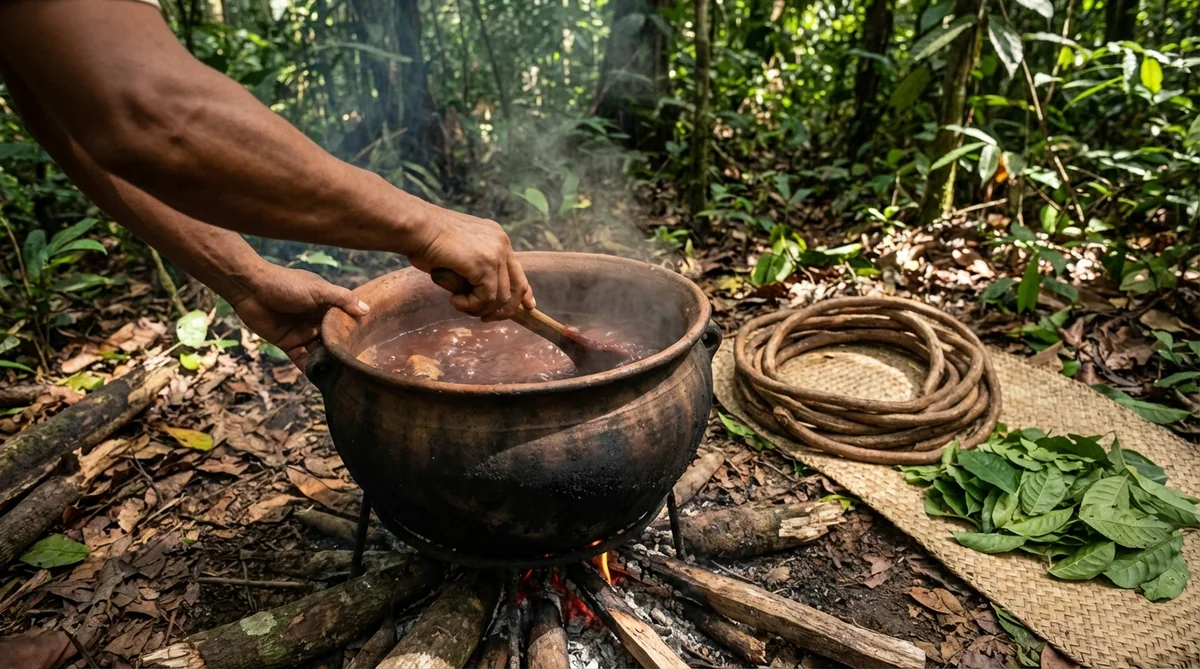
Ayahuasca documented in the Amazon
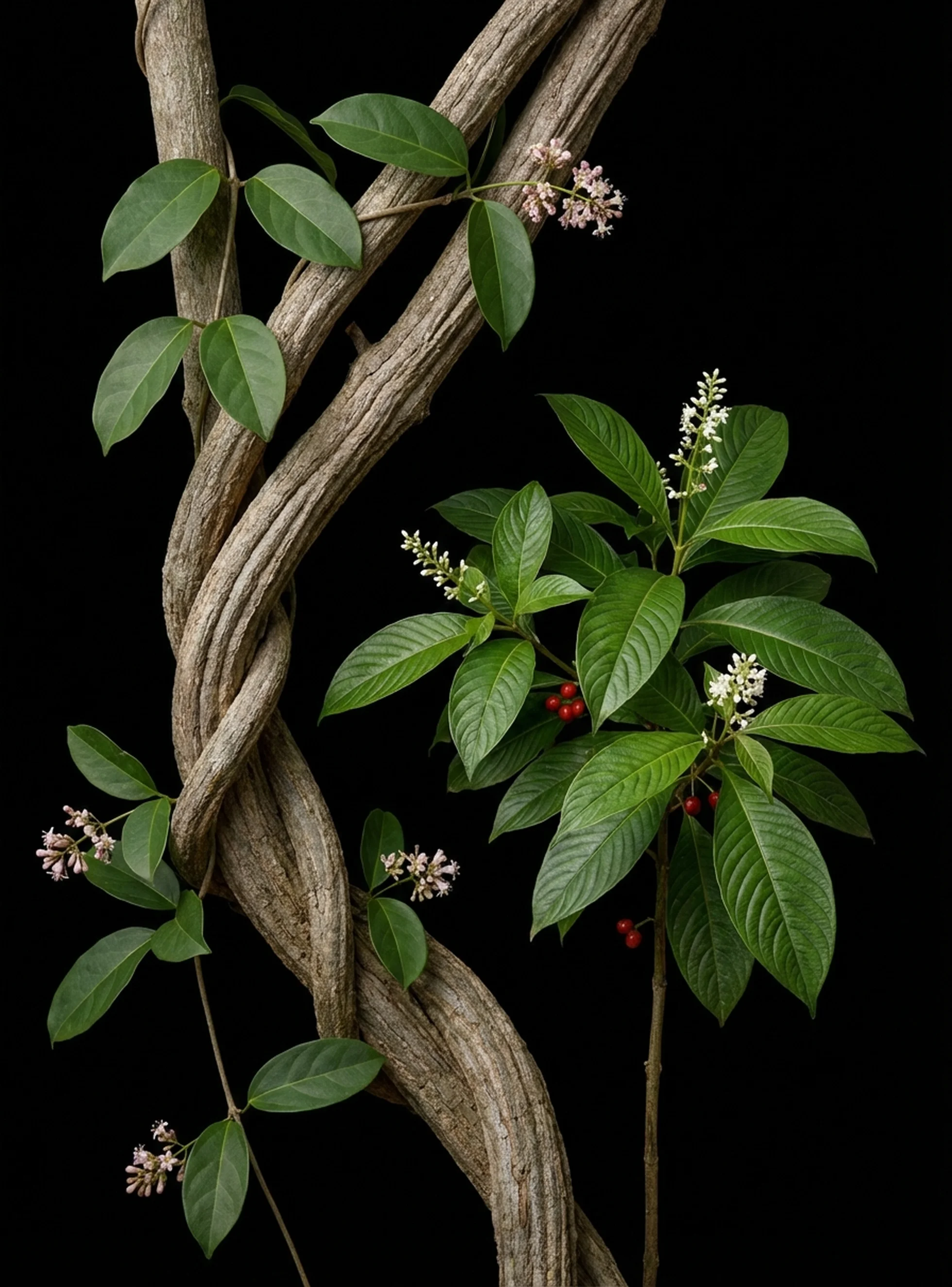
While its origins are likely much older, European missionaries and explorers first documented ayahuasca use among Amazonian peoples during the colonial period. Syrian rue served as an MAO inhibitor in analogous traditions across Eurasia.
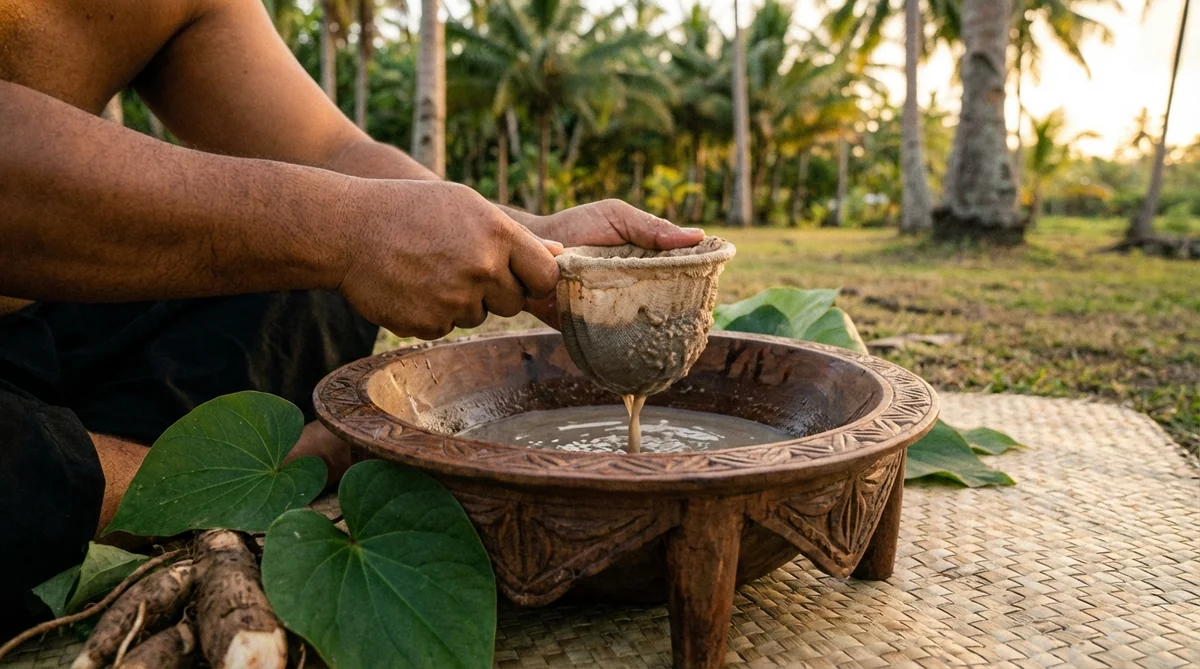
Kava ceremonies in the Pacific
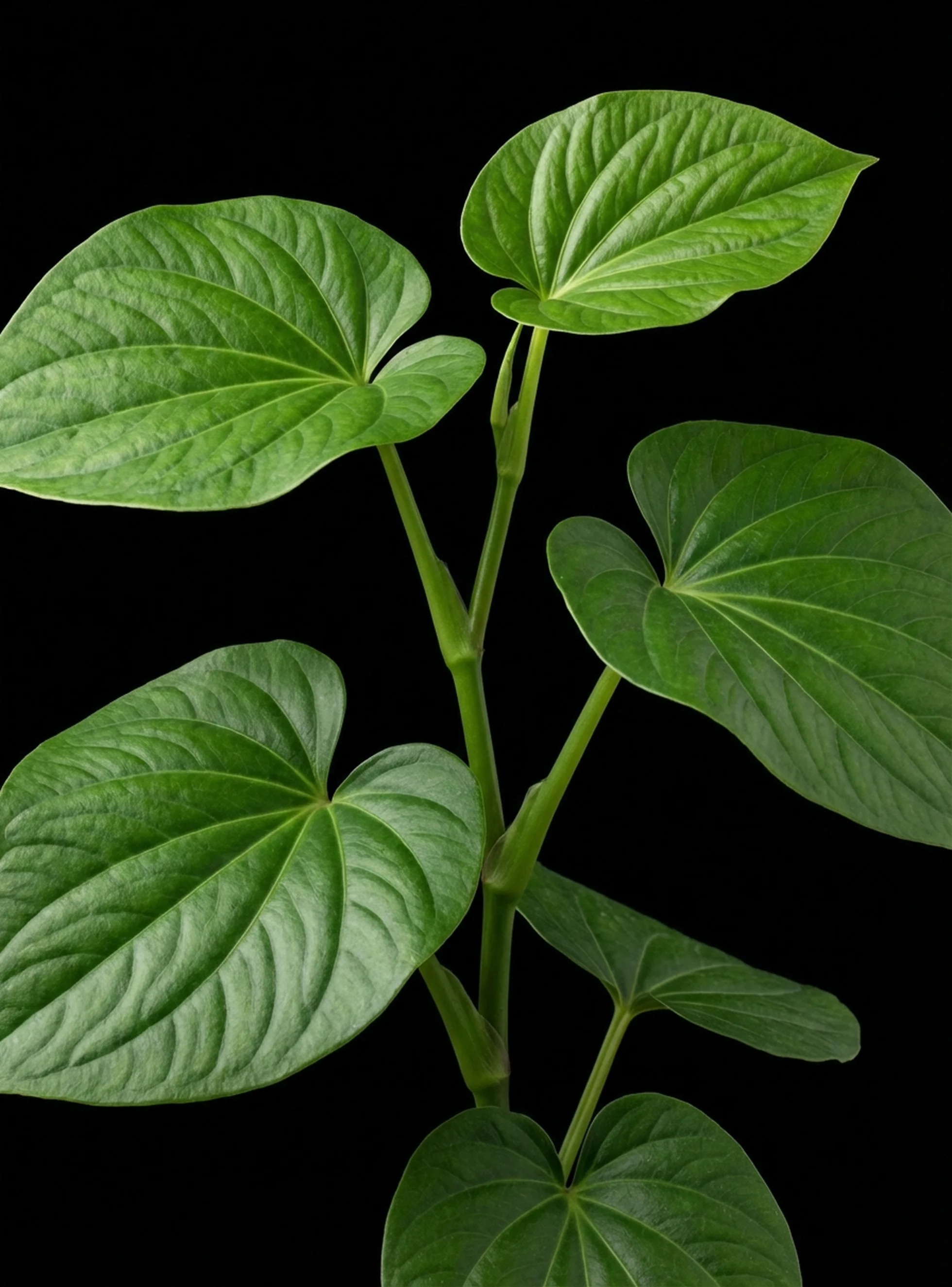
Though kava had been central to Pacific Island cultures for millennia, European naturalists began documenting its role in social, political, and spiritual ceremonies across Fiji, Tonga, and Samoa.
Modern rediscovery
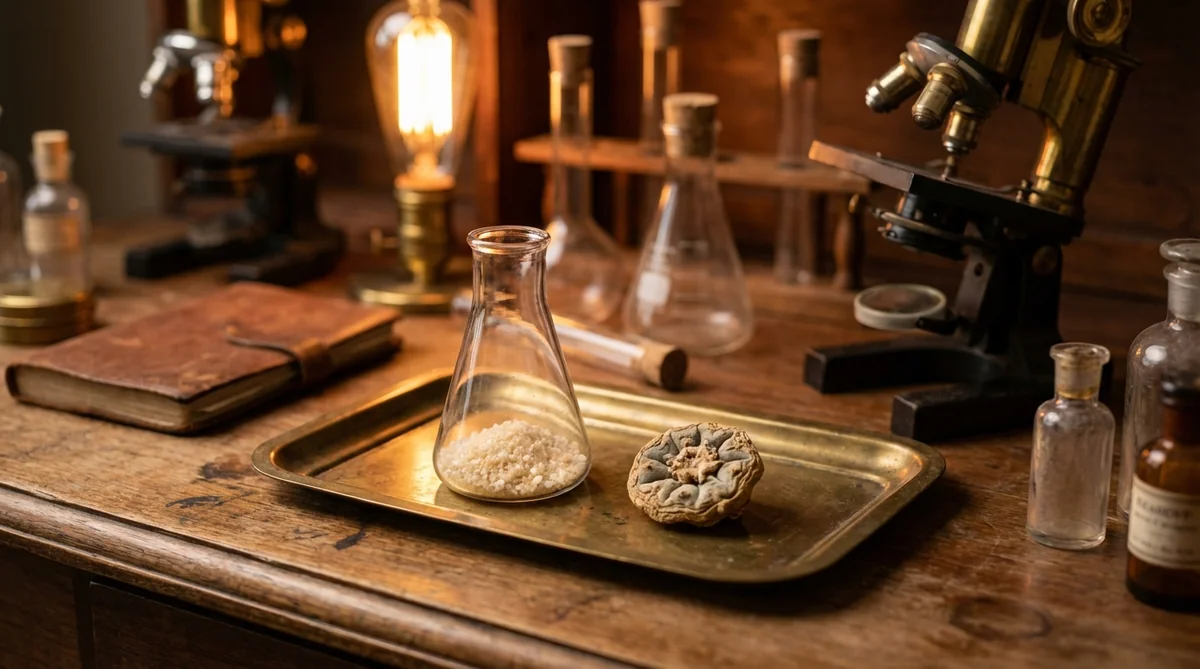
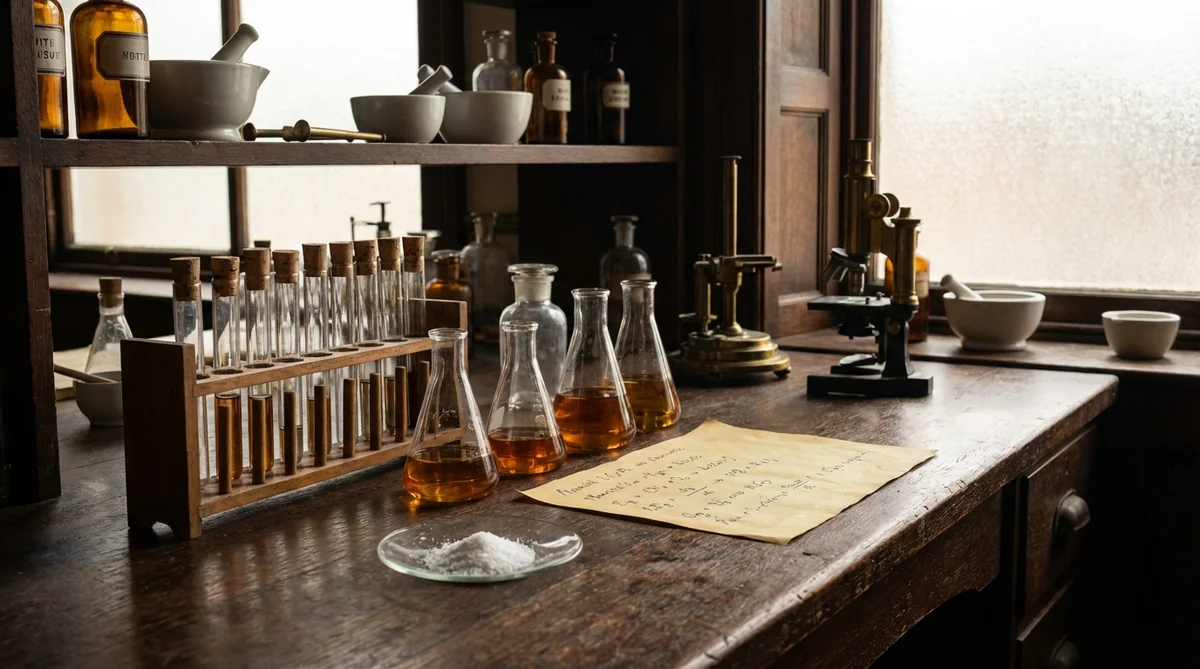
MDMA synthesized at Merck
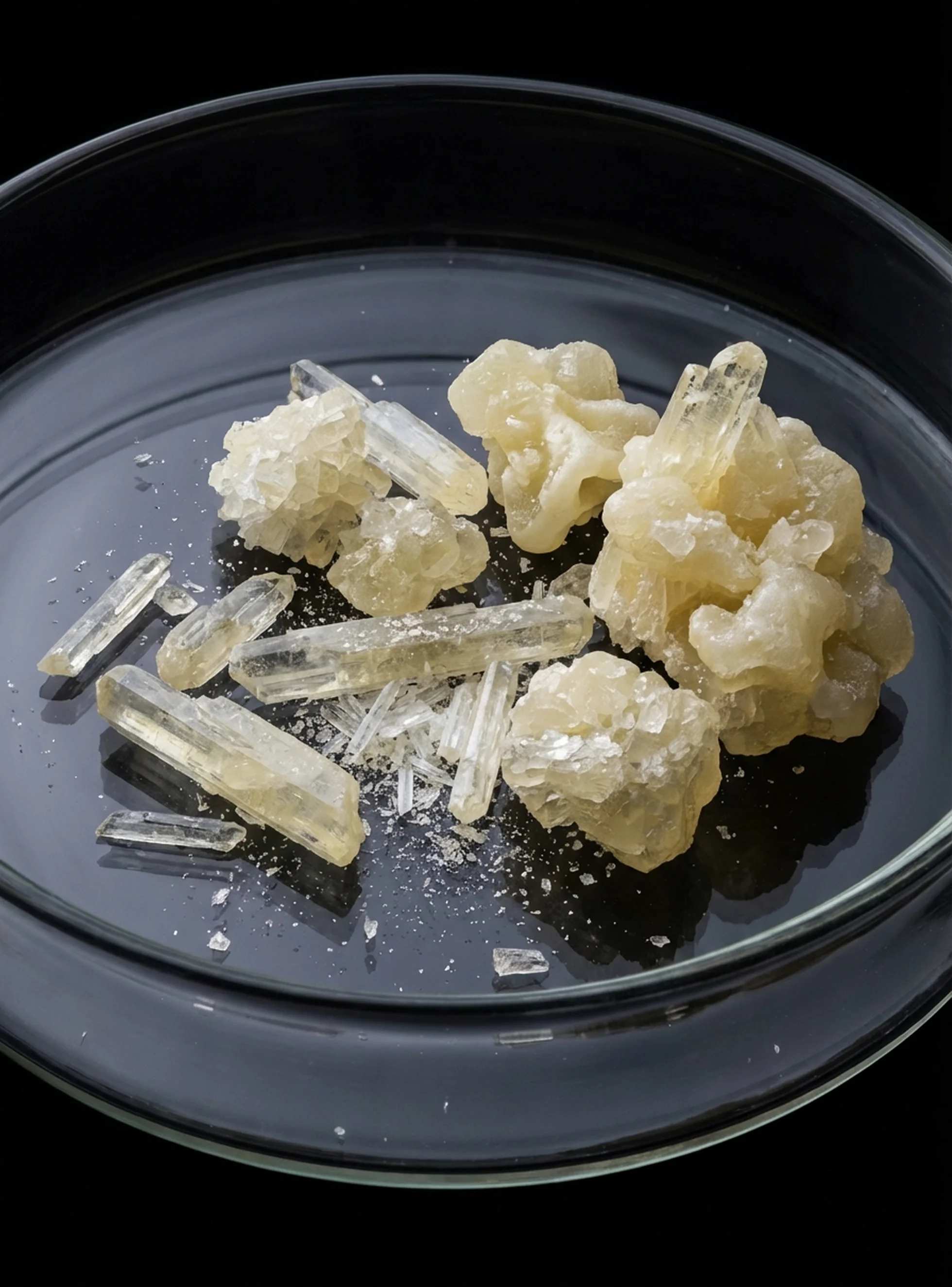
MDMA was first synthesized by Merck chemist Anton Kollisch as a pharmaceutical intermediate. Its psychoactive properties would not be explored for another six decades.
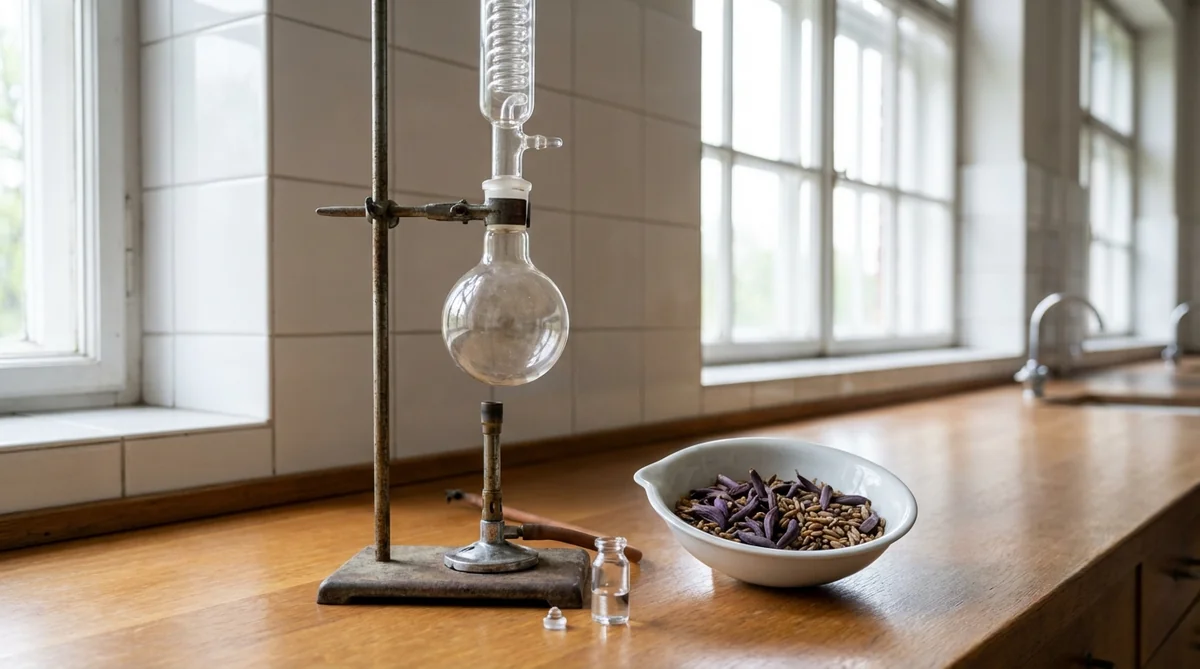
Albert Hofmann synthesizes LSD
Working at Sandoz Laboratories in Basel, Hofmann synthesized lysergic acid diethylamide from ergot alkaloids. Its psychoactive properties were discovered accidentally five years later.
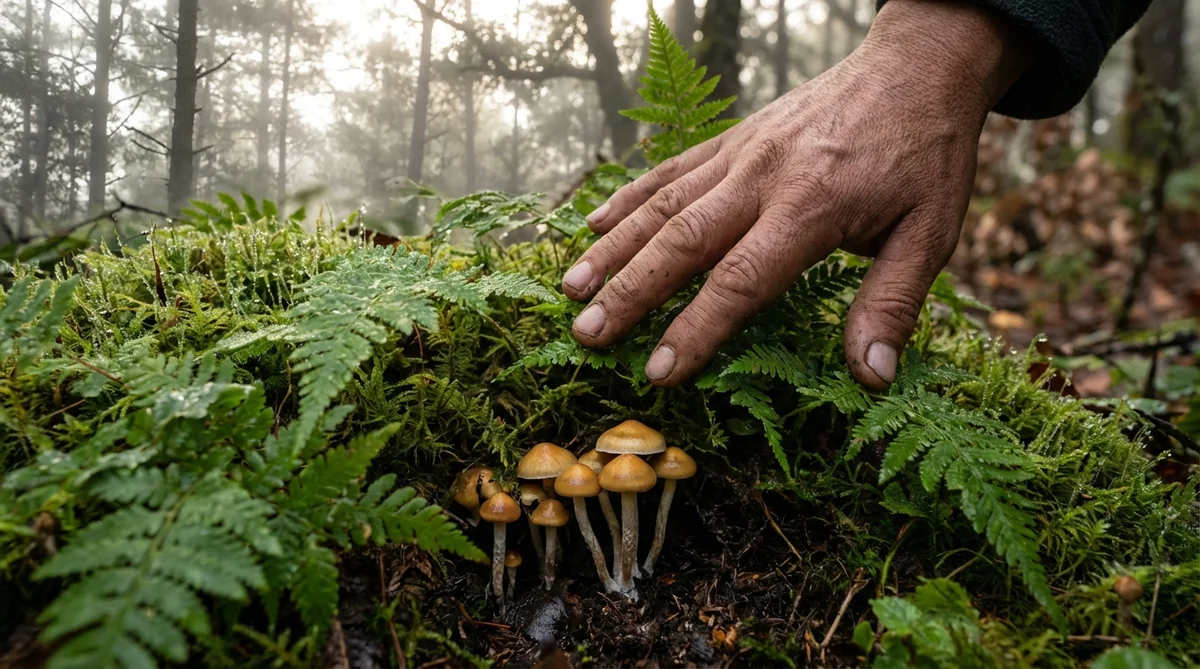
R. Gordon Wasson in Oaxaca
Wasson participated in a Mazatec mushroom ceremony led by Maria Sabina. His account, published in Life magazine, introduced psilocybin mushrooms to Western awareness.
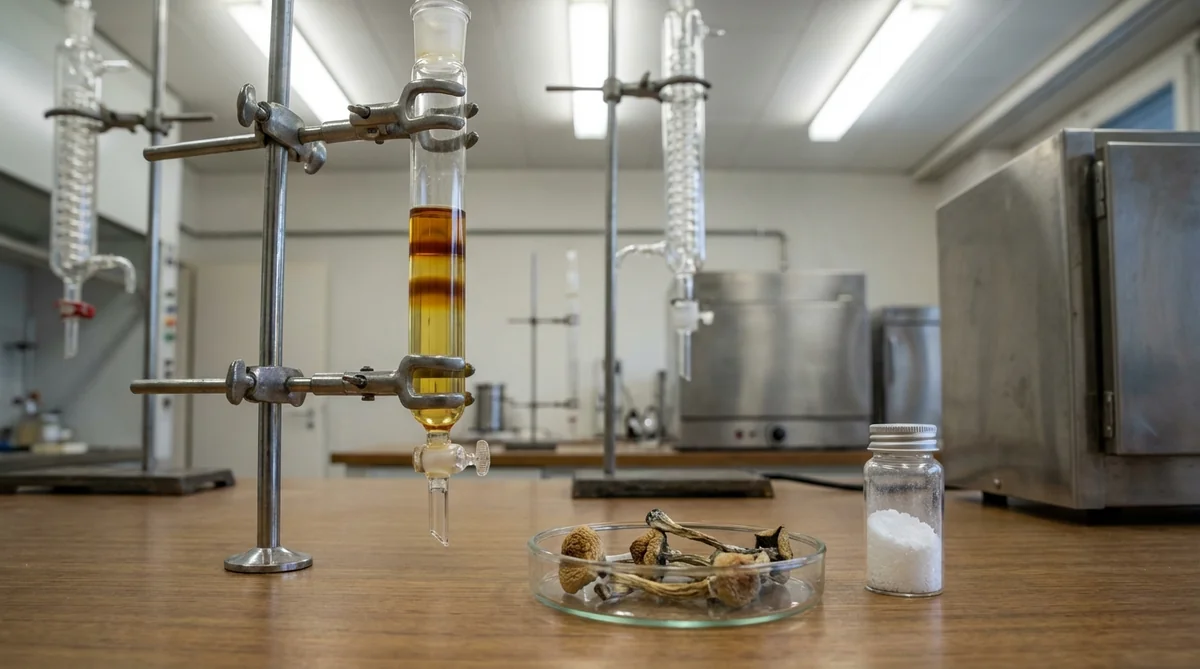
Psilocybin isolated
Hofmann isolated psilocybin and psilocin from Psilocybe mexicana, establishing the chemical basis for the mushroom's psychoactive effects.

Ketamine synthesized
Calvin Stevens at Parke-Davis synthesized ketamine as a safer alternative to phencyclidine (PCP). It entered clinical use as an anesthetic and later gained recognition for its antidepressant properties.
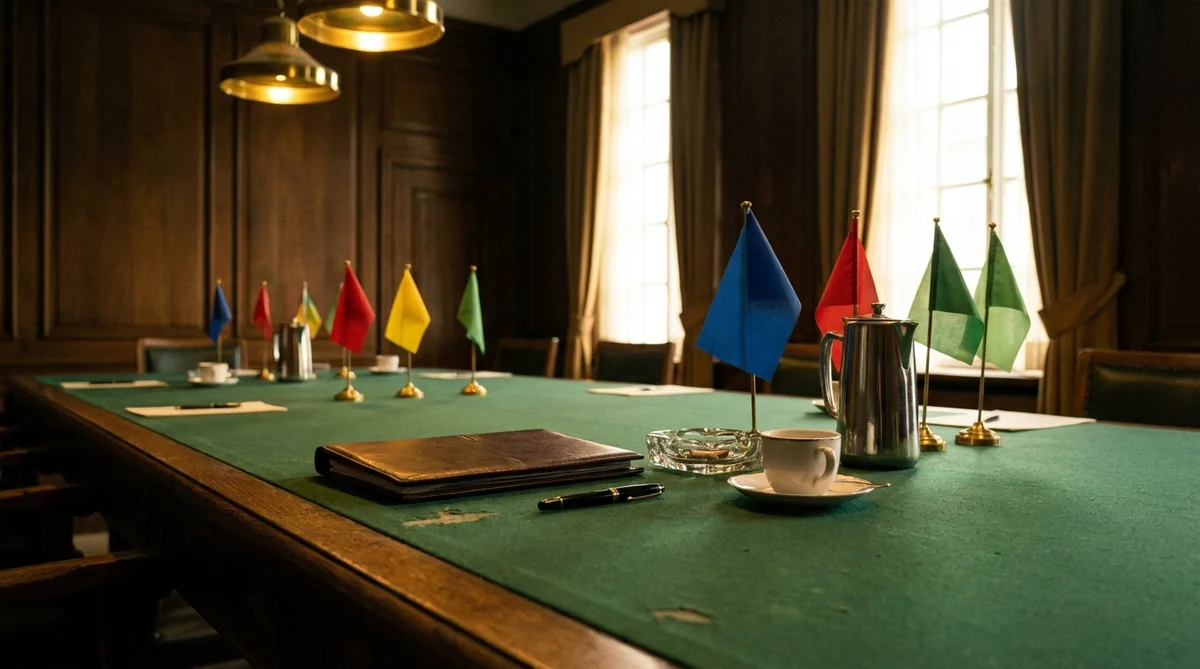
UN Convention on Psychotropic Substances
Most classical psychedelics were classified as Schedule I substances internationally, effectively halting clinical research for decades.
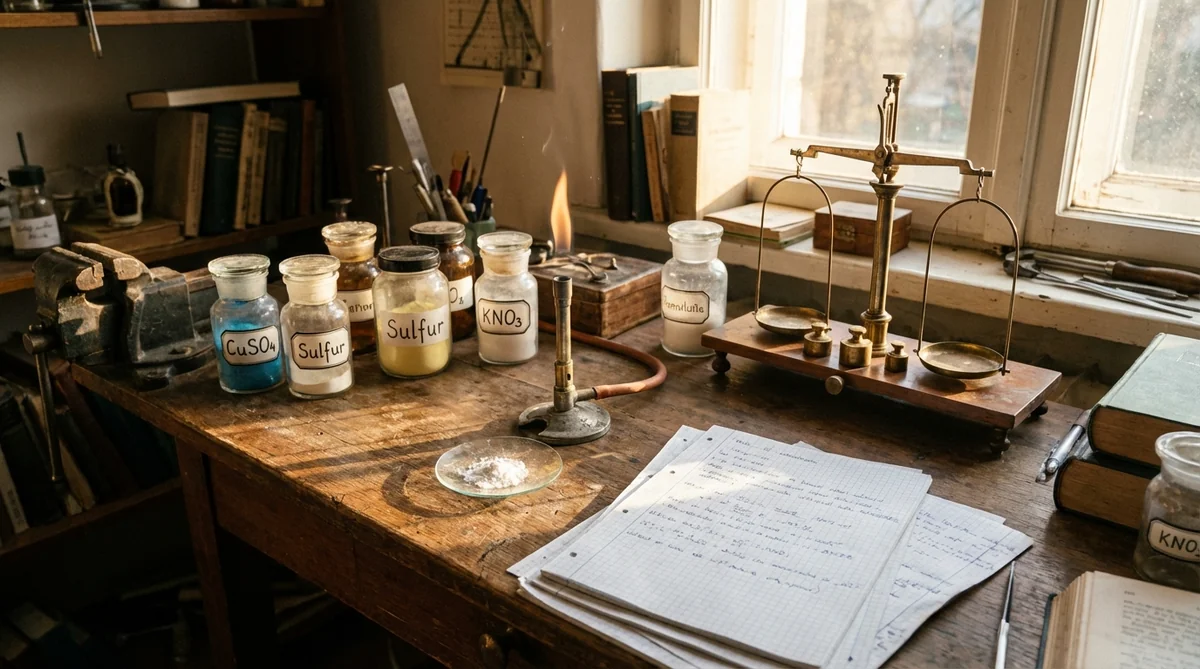
2C-B synthesized by Shulgin
Alexander Shulgin synthesized 2C-B in his private laboratory and documented its effects in PiHKAL. It became one of the most popular phenethylamine psychedelics.
Johns Hopkins psilocybin study
Roland Griffiths published a landmark study showing that psilocybin could occasion mystical experiences with lasting positive effects on wellbeing and meaning.
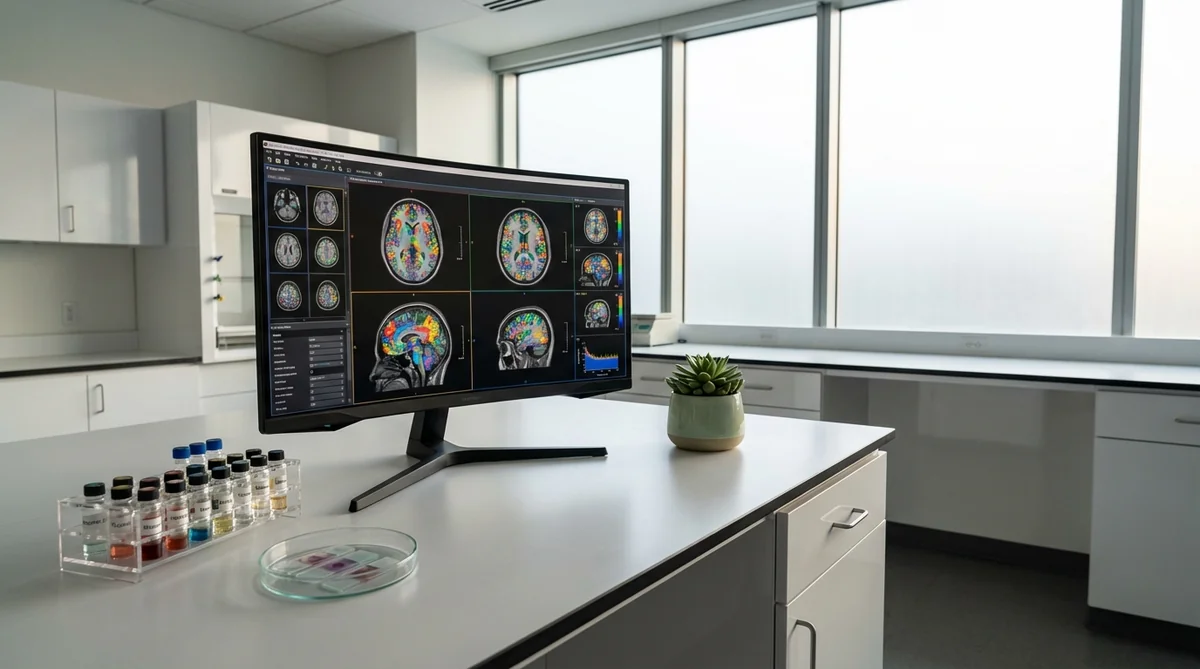
Psychedelic renaissance
Clinical trials for psilocybin, MDMA, and ibogaine expanded rapidly. Oregon became the first U.S. state to legalize psilocybin-assisted therapy.
Substances by antiquity