Kanna
Strength
3 / 10
Type of Effect
Mood Elevating
Method of use
Chewing, Smoking
Origin
South Africa
Duration
1-2 hours
Traditional Use
Stress, Appetite Loss
What is Kanna?
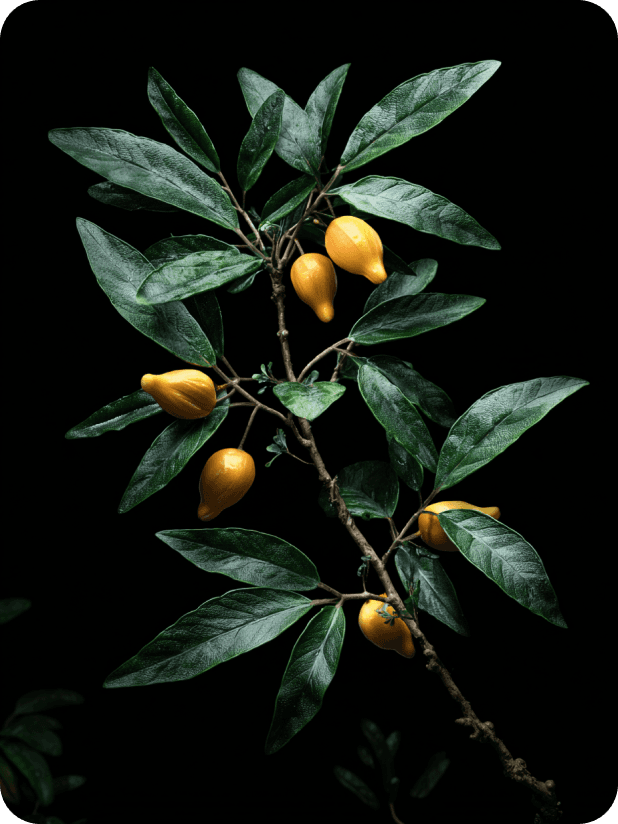
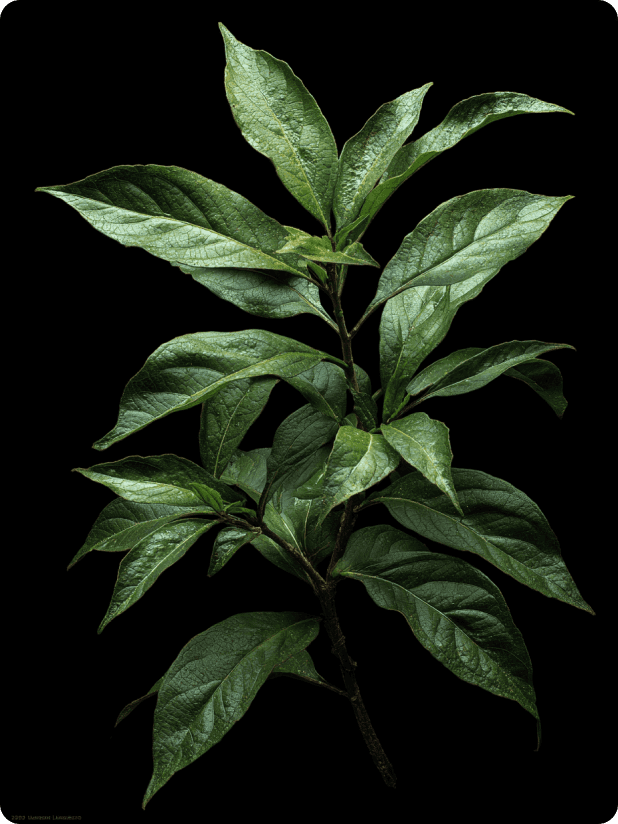
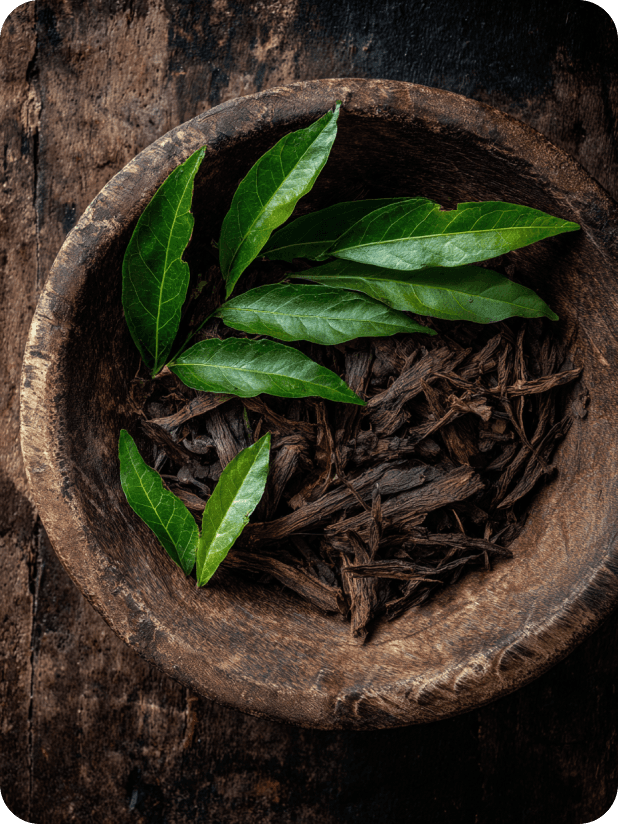
Kanna (Sceletium tortuosum) is a mood-enhancing psychoactive plant native to South Africa. It has been used for centuries by Indigenous peoples as a social, emotional, and stress-relieving medicine.
Kanna is not a psychedelic.
It does not create visions, altered realities, or deep dissociation.
Instead, Kanna works as a gentle emotional regulator.
It softens anxiety, lifts mood, and increases emotional openness, often without impairing clarity.
Where does Kanna come from?
Kanna grows naturally in the dry regions of Southern Africa.
It was traditionally used by:
Khoisan peoples
Hunters and travelers
Healers and community members
Historically, kanna was:
Chewed
Fermented
Used before long journeys
Taken to reduce hunger, fear, and fatigue
Its role was practical and emotional, not mystical.
What makes Kanna psychoactive?
Kanna contains several active compounds, mainly:
Mesembrine
Mesembrenone
Mesembrenol
These compounds:
Inhibit serotonin reuptake (similar to mild antidepressants)
Increase serotonin availability
Affect stress and emotional regulation
Gently stimulate without agitation
This gives kanna its mood-lifting and calming profile.
What does Kanna do?
Kanna creates a clear, emotionally open state.
Mental effects
Reduced anxiety
Calmer thinking
Increased focus
Less rumination
Emotional effects
Elevated mood
Emotional warmth
Increased empathy
Easier social connection
Physical effects
Mild stimulation or relaxation (dose-dependent)
Light body comfort
Reduced stress response
Kanna often feels like relief without dulling.
What does a Kanna experience feel like?
People often describe kanna as:
A soft emotional lift
Feeling more relaxed but present
Easier social interaction
Light, clean stimulation
At higher doses, it can feel:
More sedating
Introspective
Emotionally sensitive
Kanna rarely overwhelms.
It gently adjusts emotional tone.
Why do people use Kanna?
People use kanna for:
Anxiety relief
Stress reduction
Mood support
Social ease
Focus and motivation
It is often chosen by people who:
Want emotional support without intoxication
Are sensitive to stimulants
Want a natural alternative to pharmaceuticals
Kanna vs antidepressants or stimulants
While kanna affects serotonin, it is much milder than pharmaceutical antidepressants.
Antidepressants:
Act slowly over weeks
Often blunt emotions
Kanna:
Acts quickly
Preserves emotional range
Feels more flexible
It is also very different from stimulants, as it does not force energy or focus.
Is Kanna safe?
Kanna is generally considered low-risk when used responsibly, but there are important cautions.
Key considerations:
Should not be combined with SSRIs or other antidepressants
High doses may cause headaches or nausea
Quality and dosage matter
Used correctly, kanna is gentler than many synthetic mood enhancers.
The role of intention
Kanna works best with simple, emotional intentions.
Helpful intentions include:
“Help me relax”
“Help me feel open”
“Help me soften stress”
“Help me connect”
It does not answer questions or provoke insight.
It supports emotional balance.
Integration: everyday support
Kanna’s effects are often immediately usable.
People may notice:
Easier conversations
Reduced baseline stress
Improved mood stability
Less emotional reactivity
Integration is about not overusing it and noticing how it affects daily life.
Kanna in modern life
Today, kanna is often used as:
A natural anxiolytic
A mood supplement
A social support plant
A focus and calm enhancer
It fits well into modern life because it:
Does not impair function
Does not demand ritual
Does not overwhelm
A final note
Kanna does not take you elsewhere.
It helps you feel better where you already are.
Its strength is subtle but reliable, working not through intensity or insight, but through emotional ease and balance.
In a world where stress is constant and nervous systems are overloaded, kanna offers something rare:
the experience of being calm, open, and emotionally present, without needing to escape or shut down.