Wild Dagga
Strength
2 / 10
Type of Effect
Euphoric
Method of use
Smoking, Oral
Origin
South Africa
Duration
1-2 hours
Traditional Use
Ceremonial, Recreational
What is Wild Dagga?
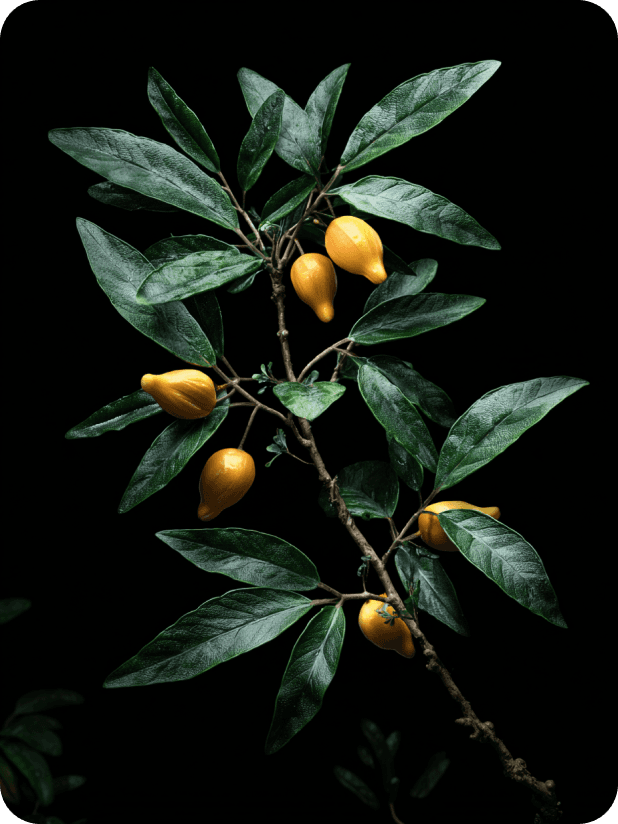
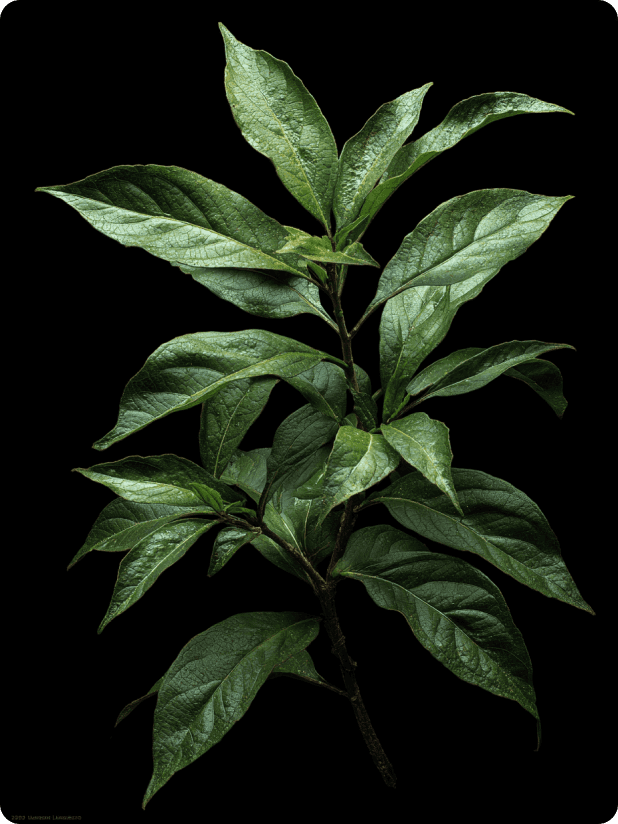
Wild Dagga (Leonotis leonurus), also known as Lion’s Tail, is a mild psychoactive plant native to Southern Africa. It has been used traditionally for relaxation, mood elevation, and gentle altered states.
Wild Dagga is not cannabis, despite often being compared to it.
It does not produce a strong “high” or intoxication.
Its effects are subtle, warm, and calming, closer to a light herbal relaxant than a psychedelic or stimulant.
Wild Dagga works on mood and body tone, not perception.
Where does Wild Dagga come from?
Wild Dagga grows naturally in:
South Africa
Zimbabwe
Surrounding regions of Southern Africa
It has been used traditionally by:
Indigenous healers
Rural communities
Herbal medicine practices
Historically, it was used for:
Relaxation
Mild pain relief
Coughs and respiratory support
Calming the nerves
It was never treated as a powerful visionary plant.
What makes Wild Dagga psychoactive?
Wild Dagga contains several active compounds, most notably:
Leonurine
Other diterpenoids and flavonoids
These compounds:
Have mild effects on the nervous system
Support relaxation and mood balance
Do not strongly affect perception or cognition
Wild Dagga does not strongly interact with cannabinoid receptors, despite the nickname “dagga”.
What does Wild Dagga do?
Wild Dagga creates a gentle, body-centered relaxation.
Mental effects
Mild calm
Reduced mental tension
Slight mood lift
Clear thinking
Emotional effects
Emotional softness
Subtle euphoria in some people
Reduced stress or irritability
Physical effects
Body relaxation
Warmth in the chest
Light sedation at higher amounts
Possible dry mouth
Wild Dagga tends to feel comforting rather than stimulating.
What does a Wild Dagga experience feel like?
People often describe it as:
Light and pleasant
Relaxing without dullness
Socially easy
Short-lived
It does not pull attention inward strongly or push it outward.
Wild Dagga feels like taking the edge off, not leaving the room.
Why do people use Wild Dagga?
Traditionally and today, people use Wild Dagga for:
Stress relief
Mild anxiety
Relaxation in the evening
Herbal experimentation
Gentle mood support
It is often chosen by people who:
Want something milder than cannabis
Are sensitive to THC
Prefer herbal relaxation without intoxication
Wild Dagga vs Cannabis
Although often compared, the difference is important.
Cannabis:
Strong psychoactive effects
Alters perception and thinking
Can cause anxiety or paranoia
Wild Dagga:
Much milder
Mostly body-focused
Rarely causes anxiety
Cannabis changes the state.
Wild Dagga softens it.
Is Wild Dagga safe?
Wild Dagga is generally considered low-risk when used occasionally.
Important considerations:
Effects are mild and dose-dependent
Overuse offers little added benefit
Smoking any plant material has respiratory risks
There is no strong evidence of dependence or toxicity in traditional use.
The role of intention
With Wild Dagga, intention is simple.
Helpful intentions include:
“Help me relax”
“Help me unwind”
“Help me soften stress”
Wild Dagga does not respond to deep questioning or spiritual seeking.
It responds to simplicity.
Integration: everyday calm
Wild Dagga integrates naturally into daily life.
People may notice:
Easier relaxation
Slightly improved sleep
Reduced nervous tension
There is usually no “after-effect” to process.
Wild Dagga in modern times
Today, Wild Dagga is often:
Marketed as a cannabis alternative
Used in herbal smoking blends
Explored as a mild relaxant
Its real value lies not in replacement, but in gentle support.
A final note
Wild Dagga does not teach lessons, open doors, or challenge identity.
It comforts.
It eases the body, softens the mood, and takes the edge off the day.
In a world full of intensity, Wild Dagga reminds us that not every altered state needs to be dramatic.
Sometimes, a little calm is enough.