
CBD is a non-psychoactive cannabinoid from cannabis that acts on the endocannabinoid system without producing intoxication, studied for anxiety, inflammation, and epilepsy.
CBD
CBD is a non-psychoactive cannabinoid from cannabis that acts on the endocannabinoid system without producing intoxication, studied for anxiety, inflammation, and epilepsy.
Fact file
- Type
- Synthetic compound
- Other names
- CBD, as the compound is overwhelmingly encountered in commercial, clinical, standardization
- Origin
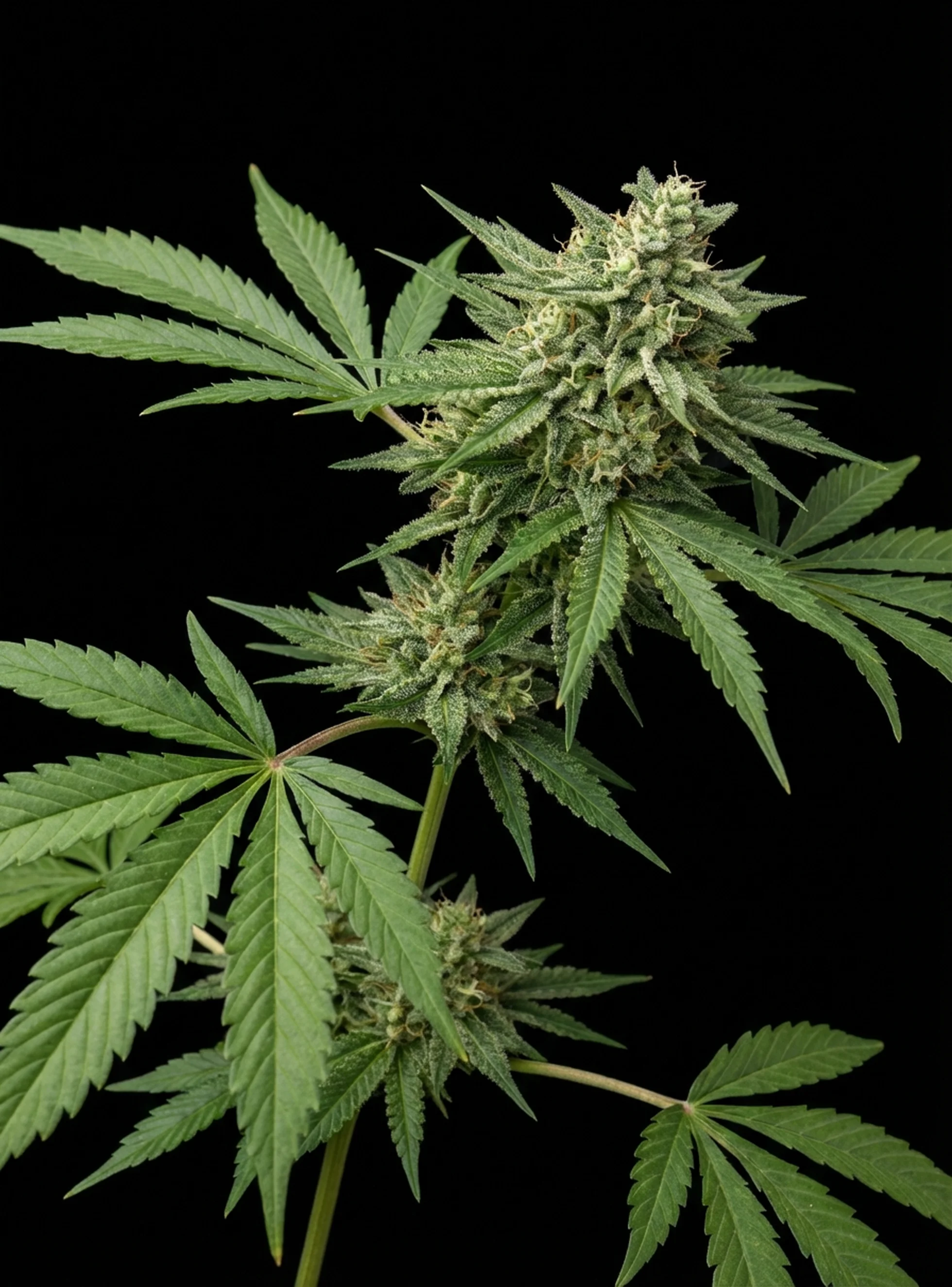
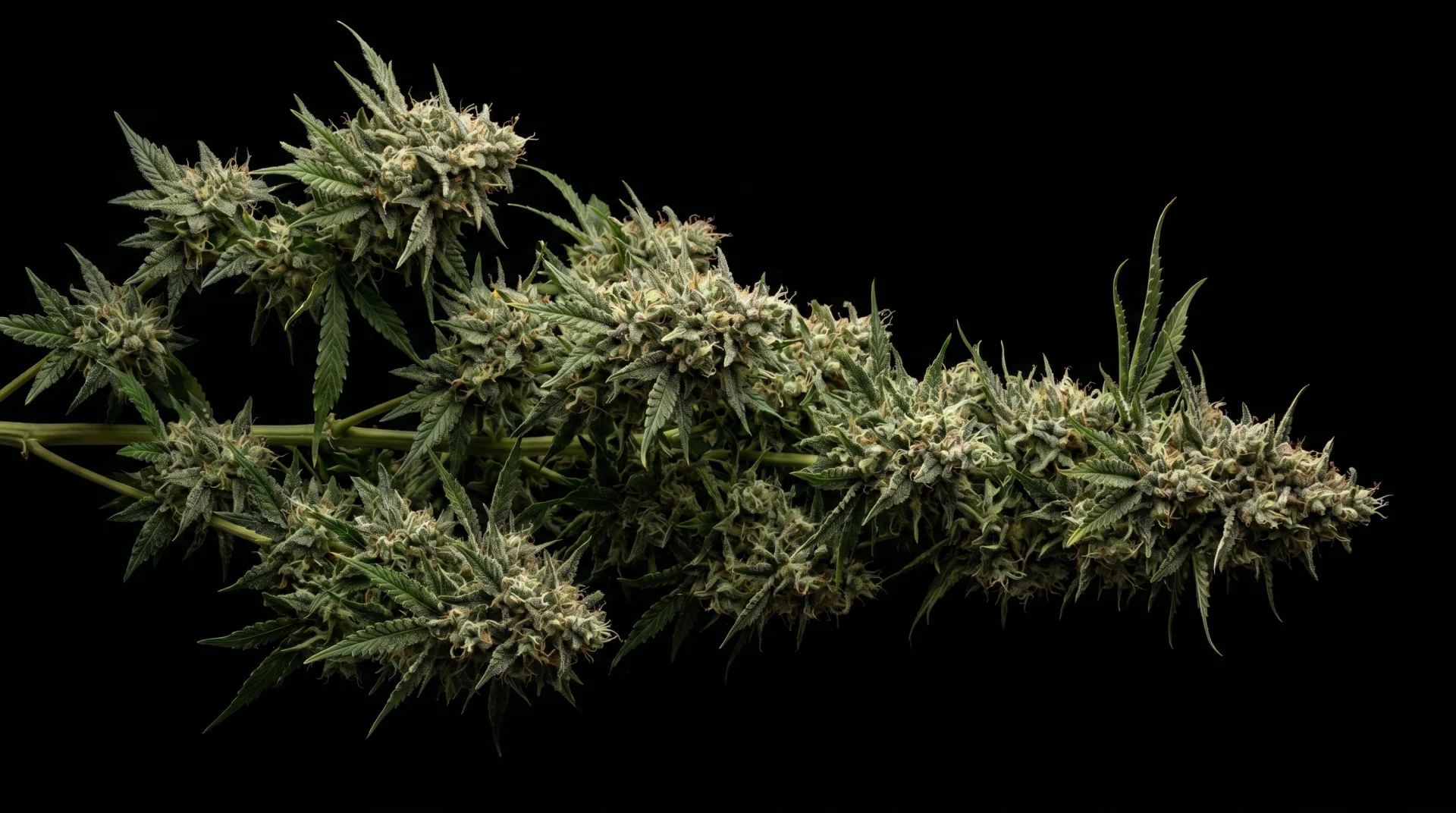
- as free CBD (the active form) and as cannabidiolic acid (CBDA), the carboxylic acid precursor that is converted to active CBD through heating via decarboxylation[3][5]. The proportion of CBD relative to THC varies dramatically across different cannabis genetics, with this variation rooted in polymorphic differences in cannabinoid synthase genes distributed across multiple chromosomes of the cannabis genome, creating a genotypically complex landscape where THC and CBD content represent independently inherited traits[29]. Industrial hemp varieties selected for agricultural production have been specifically bred to produce high CBD and low THC content, typically achieving ratios of 20:1 or higher (CBD:THC), whereas recreational cannabis strains commonly exhibit the reverse ratio with higher THC relative to CBD[3]. Geographic distribution of cannabis growing regions extends globally across temperate and subtropical latitudes, though quality and regulatory status of cultivation varies dramatically by jurisdiction. Hemp cultivation for CBD extraction has rapidly expanded across North America and Europe following legalization of hemp-derived products, with industrialized production now occurring in numerous countries including Canada, the European Union member states, and increasingly throughout Asia.
What is CBD?
Most molecules from the cannabis plant arrive with weather. They tilt the room, shift the music, alter the pace of one's own thinking. Cannabidiol is the cannabinoid that does almost none of this, and that is the strangest thing about it.
CBD shares a molecular formula and a botanical home with THC, yet produces no high, no perceptual drift, no sense of the room becoming a stage. What it does, when it does anything at all, is more like a slow easing: shoulders settling, a held breath finding its way out, a familiar anxious edge losing some of its grip. The compound has earned an FDA approval for two rare seizure disorders, a credible body of anxiety research, and an enormous wellness market that has, almost without exception, oversold what it can do.
This is a substance held between two stories. One is the careful clinical story of a real, modest, useful pharmacology. The other is the cluttered marketplace story of gummies and tinctures sold for everything from sleep to cancer. The space between those two stories is where most of the honest questions live.
The substance
Cannabidiol (commonly CBD) is a phytocannabinoid: one of more than a hundred chemically distinct compounds produced by Cannabis sativa. Alongside THC (tetrahydrocannabinol), it is the most abundant and most extensively studied cannabinoid in the plant.
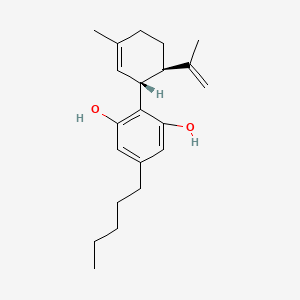
Chemically, CBD is a terpenophenol with the molecular formula C₂₁H₃₀O₂ and a molecular weight of 314.47 g/mol. The naturally occurring form is the (−)-enantiomer; synthetic production can yield either enantiomer or a racemic mixture, though the natural (−)-form shows superior pharmacological activity and is preferred in clinical formulations. Pure CBD presents as an off-white to pale-yellow crystalline solid, highly lipophilic and almost insoluble in water.
In the broader taxonomy of psychoactive substances, CBD sits in an unusual position. It is a cannabis compound that is not psychoactive in the classical sense: no perceptual change, no euphoria, no impairment of consciousness. Functionally it lives closer to the anxiolytic and anticonvulsant categories than to anything resembling a hallucinogen, sedative-hypnotic, or stimulant. It is, in clinical terms, a non-intoxicating cannabinoid with measurable effects on anxiety, seizure threshold, and inflammation.
Strength and duration
Duration
Aftereffects: Oral ingestion (capsules, edibles, oil swallowed)**
Molecular structure
Chemistry and mechanism
CBD's pharmacology is unusual not because any single mechanism is dramatic, but because it touches many systems at once. There is no clean lock-and-key story here.
At the cannabinoid receptors that THC famously activates, CBD is almost a non-event. It binds CB1 with low affinity and behaves as an allosteric modulator and weak antagonist rather than an agonist. At CB2, it shows partial agonism that may underlie some of its anti-inflammatory and immunomodulatory effects. The absence of CB1 agonism is the clearest reason CBD does not produce a high: the receptors most responsible for cannabis intoxication are simply not being switched on.
The more interesting binding happens elsewhere. CBD shows relatively high affinity at the 5-HT1A serotonin receptor, which is implicated in anxiety regulation; this interaction is widely thought to mediate much of its anxiolytic effect. It modulates the TRPV1 channel involved in pain and temperature sensing, in a dose-dependent way that can either activate or desensitize the channel. It antagonizes the orphan receptor GPR55, enhances signaling at certain glycine receptors, and indirectly raises adenosine tone by inhibiting adenosine reuptake. There is also emerging evidence of partial agonism at the dopamine D2 high-affinity state, which has prompted interest in possible antipsychotic effects.
Clinically, the most consequential pharmacology is metabolic. CBD is processed in the liver primarily by CYP3A4, CYP2C19, and CYP2C9, and it inhibits these same enzymes. This is the source of its drug interactions: any medication metabolized by those pathways may accumulate to higher than expected levels in someone taking CBD. The plasma half-life is long (around 18 to 32 hours), the active metabolite 7-OH-CBD retains pharmacological activity, and effects often outlast and underlast plasma concentration in non-linear ways.
How people encounter it
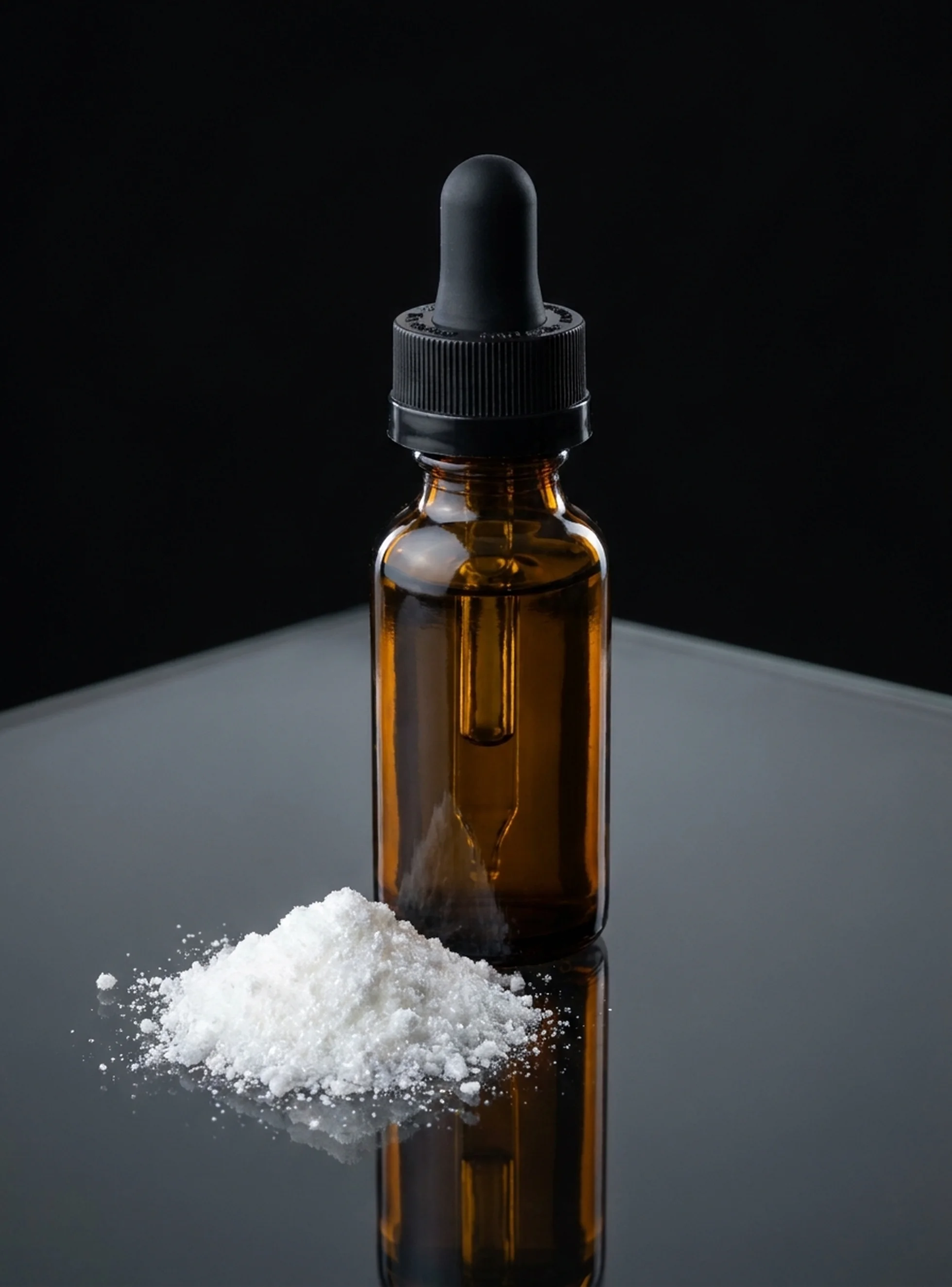
Most people meet CBD as a small brown bottle with a dropper, or as a gummy in a colorful pouch, rather than in any clinical or ceremonial setting. The compound has been thoroughly absorbed into the wellness economy, and that is now its dominant context.
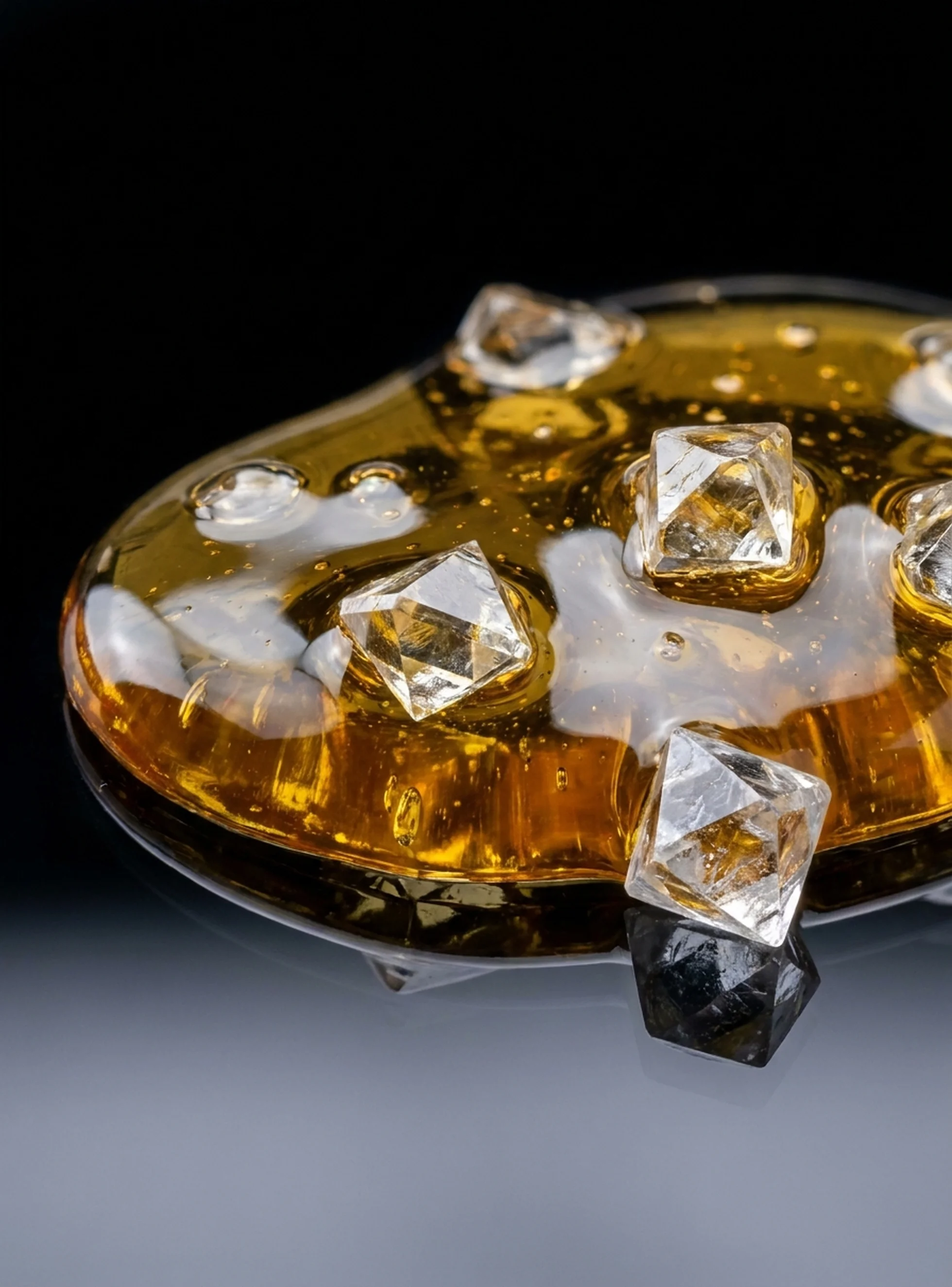
The most common forms are CBD oil and tinctures (the compound dissolved in a carrier such as MCT, hemp seed, or olive oil), capsules and softgels, edibles (gummies, chocolates, drinks), topical creams and balms, and vape concentrates. Products are sold in three rough categories: full-spectrum (containing the legally permitted trace of THC and other plant compounds), broad-spectrum (THC removed but other cannabinoids retained), and isolate (close to 99 percent pure CBD as a white powder).
The pharmacological profile shifts substantially with route. Inhalation through vaporization produces the fastest onset, with effects beginning within minutes and bioavailability around 11 to 45 percent, but pulmonary safety concerns are increasingly documented. Sublingual drops held under the tongue offer intermediate kinetics, with onset in roughly 15 to 45 minutes and bioavailability between 13 and 35 percent. Plain oral ingestion has the slowest onset (often 45 minutes to two hours), the lowest bioavailability (around 6 to 20 percent due to extensive first-pass metabolism), and the longest duration. A high-fat meal can multiply oral absorption substantially. Topical applications act locally without producing significant systemic levels.
Clinically, the most disciplined encounter with CBD remains Epidiolex, an FDA-approved oral solution prescribed for specific epilepsy syndromes. This is the only context in which CBD is used at pharmaceutical-grade purity with structured dosing, monitoring, and outcome tracking. For everything else, the consumer market is, in a regulatory sense, the encounter.
Origin and history
Cannabis itself has been in human company for thousands of years, woven through medicine, fiber production, ritual, and ordinary life across Asia, the Middle East, Africa, and the Americas. Cannabidiol as a discrete compound is much younger. Its story is mostly a twentieth-century laboratory story, told in glassware and chromatograms rather than ceremony.
CBD was first isolated from cannabis in the late 1930s and early 1940s, in the same wave of phytochemistry that yielded cannabinol (CBN) and, later, THC. The compound was present, but its structure was not yet fully understood. That work belonged to Raphael Mechoulam and his colleagues in Israel, who in 1963 elucidated the complete three-dimensional structure of CBD, and the following year did the same for Δ⁹-THC. Mechoulam's lab achieved the first chemical synthesis of both compounds in 1965. For the first time, researchers could study these molecules in pure, defined form rather than as ill-characterized fractions of plant extract.
Early pharmacological work, much of it in the 1940s by Loewe and others, established a fundamental distinction: THC produced catalepsy, intoxication, and corneal areflexia in animal models, while CBD did not. CBD also prolonged barbiturate-induced sleep and inhibited liver enzymes, the first hint of the drug-interaction profile that still matters today. For decades these findings sat in relative obscurity, overshadowed by the broader politics of cannabis prohibition.
The modern revival began with anecdote. In the 2000s and early 2010s, families of children with treatment-resistant epilepsy began reporting dramatic seizure reductions from CBD-rich cannabis preparations. Those reports moved a UK pharmaceutical company, GW Pharmaceuticals, to develop a standardized formulation. Rigorous trials in Lennox-Gastaut and Dravet syndromes followed, and in June 2018 the FDA approved Epidiolex, the first cannabis-derived medication ever cleared by the agency. The same year, the US Farm Bill removed hemp (cannabis with under 0.3 percent THC) from Schedule I, opening the door to the consumer CBD market that now dominates the cultural picture.
What had begun as a quiet laboratory curiosity became, within a decade, both a clinical medicine and a billion-dollar shelf at the pharmacy.

Effects
The most useful way to describe CBD's effects is to begin with what they are not. There is no perceptual distortion. Visual fields stay ordinary. Sounds do not gain depth or color. Time does not stretch or compress. The sense of self remains intact, and reality testing is unimpaired. Whatever else CBD is, it is not a psychedelic, and it is not an intoxicant.
What it tends to produce, when it produces something noticeable, is a quiet down-shift across several dimensions at once.
On the somatic level, people often report a softening of physical tension: shoulders that have been held for hours unclenching, a loosening in the jaw or stomach, an easier breath. Pain, when present, is not always reduced in raw intensity; rather, it can become less emotionally sticky, less central to attention. Some users describe this as feeling at a slight remove from the discomfort rather than fixed inside it.
On the emotional level, the most consistent and best-evidenced effect is anxiolysis. Racing thoughts slow. The chest-tightening, stomach-curling quality of anticipatory anxiety often eases. Mood is generally described as more even rather than elevated; equanimity rather than euphoria. In controlled studies of public-speaking-induced anxiety, this effect emerges as a measurable, statistically significant reduction relative to placebo.
On the cognitive level, performance is essentially preserved. Complex thought, decision-making, and task focus remain intact, and some users report that mental noise and rumination quiet enough to allow clearer attention. Driving and workplace cognition do not appear to be impaired in controlled testing, a sharp departure from the cognitive footprint of THC.
On the perceptual level there is, in healthy adults, almost nothing to report.
A recurring and somewhat counterintuitive feature is the bell-shaped dose-response. In a controlled trial of healthy participants given 150, 300, or 600 mg before a public-speaking task, only the middle dose produced significant anxiety reduction; both lower and higher doses essentially matched placebo. More is not always better. Above the optimal range, some people report a flattening of affect or a creeping sedation that overshoots calm and starts to feel like emotional anesthesia.
Individual variability is substantial. Some people feel something within an hour of a moderate dose. Others, taking the same product on the same schedule, report nothing distinguishable from baseline for weeks. Both reports can be honest. The compound's footprint is real, but it is modest, and it does not always announce itself.
Risks and limits
CBD has a relatively mild acute safety profile, and there are no documented cases of life-threatening overdose at the doses used clinically or recreationally. That is the honest headline. The picture beneath it is more textured, and three concerns deserve real weight.
Drug interactions are the most under-mentioned risk in marketing material. CBD inhibits the cytochrome P450 enzymes (especially CYP3A4, CYP2C19, and CYP2C9) that metabolize a large fraction of all prescription drugs. Concurrent use can raise plasma levels of those drugs and amplify their effects. Particular caution is warranted with warfarin and other anticoagulants (a documented case showed non-linear INR rises with concurrent CBD), with clobazam and other antiepileptic medications, with immunosuppressants, and with any drug whose dosing has a narrow therapeutic window. This is not theoretical; it is the most clinically actionable feature of CBD pharmacology, and it tends to be skipped over on packaging.
Hepatotoxicity at higher doses is the second concern. Risk of drug-induced liver injury appears low at doses below roughly 300 mg per day, but liver enzyme elevations and frank injury have been documented at moderate-to-high doses (300 to 1000 mg/day), particularly when CBD is combined with valproate. In one open-label trial, healthy adults taking 1500 mg daily for several weeks showed notable enzyme elevations, with several participants discontinuing for that reason. The Epidiolex label explicitly recommends baseline and periodic liver function testing.
Pregnancy and lactation are a clear contraindication. The FDA strongly advises against CBD use in either context. Animal studies have shown reproductive system abnormalities in developing male fetuses at high doses, and CBD is transferred into breast milk at measurable concentrations. The combination of these signals, together with the role of endocannabinoid signaling in early brain development, makes the precaution unambiguous.
Other risks worth naming: common side effects include dry mouth, diarrhea, reduced appetite, drowsiness, and irritability. Inhaled CBD is increasingly recognized as carrying real pulmonary inflammatory risk, and recent comparative studies suggest CBD aerosol may produce more airway inflammation than nicotine aerosol in laboratory models. Product quality is itself a hazard category: in one large analysis of over two hundred US CBD products, roughly three quarters deviated from their labeled potency by more than 10 percent, and meaningful proportions contained heavy metals, residual solvents, or pesticide residues.
None of this rises to the level of a fearful warning. CBD is not, in ordinary use, a dangerous compound. But the cultural framing of CBD as essentially harmless deserves to be replaced with something more accurate: a generally well-tolerated substance with specific, knowable risks that depend on dose, route, and what else someone is already taking.
Integration and aftercare
Integration is an unusual word to apply to CBD, because the compound rarely produces an experience that needs integrating in the dramatic sense. There is no shattering insight to make peace with, no vision to translate into ordinary life. What there is, instead, is a question of relationship: what is CBD for, in this particular life, and is it doing what it was asked to do?
The most useful integration practice with CBD is honest tracking. Because effects tend to be subtle and individually variable, the line between real benefit, placebo response, and ordinary fluctuation can be genuinely difficult to see from the inside. A simple daily rating of the target symptom (anxiety, sleep, pain) before starting, and continued through the trial period, gives the future self something to look at. Two to four weeks of consistent daily use is usually a fair test for chronic conditions; less than that is closer to a guess.
For people using CBD therapeutically, combination with other practices is often where the meaningful change lives. CBD alongside psychotherapy for anxiety, alongside physical therapy for chronic pain, alongside sleep hygiene work for insomnia, alongside conventional medications under clinical oversight: these are the contexts in which the modest pharmacological lift seems to compound into something more than itself. The compound on its own is not usually transformative. As one element in a wider pattern of care, it can be a quiet contributor.
Discontinuation is gentle. There is no documented withdrawal syndrome, no rebound, no taper requirement in the strict sense. A gradual reduction over a few weeks is reasonable mostly because it lets a person notice what, if anything, has actually changed. Some people find the gains hold without ongoing use. Others find that symptoms return, which is itself useful information.
The deeper integration question is one of expectation. CBD is not a transformation, not a cure, not a path. It is a small pharmacological lever. Treating it as such tends to produce both fairer judgments about whether to continue and a healthier relationship with what it actually does.
Legal and ethical context
The cannabis plant is one of the most cultivated and adaptable crops in the world, and CBD-rich hemp has rapidly become a global industry. The ecological footprint of large-scale hemp cultivation is generally favorable compared to many other industrial crops; hemp grows quickly, requires relatively little input, and can support soil health. Sustainability concerns sit less with the plant itself and more with how it is grown and processed: water-intensive indoor cultivation, pesticide use on outdoor crops, and the energy and solvent profile of extraction operations all vary enormously between producers.
The sharper ethical questions are economic and structural. The pharmaceutical CBD market in the United States is dominated by a single approved product (Epidiolex), held under patent, available only by prescription, and priced in the thousands of dollars per month. The consumer CBD market is the opposite picture: vast, lightly regulated, with substantial documented quality problems, and aimed primarily at wealthy, urban, predominantly white consumers. The result is a sharp access gradient, with insured patients able to obtain a clean pharmaceutical product for narrow indications, and everyone else navigating a marketplace where roughly three out of four products do not match their own labels.
Racial and historical equity matters here too. Cannabis prohibition has been enforced unevenly for decades, with Black and Latino communities arrested and incarcerated at far higher rates than white users for the same conduct. The CBD industry has, on the whole, not centered the communities most harmed by prohibition. Decriminalization has begun to narrow some arrest disparities, but the commercial benefits of legal cannabis (and of legal hemp-derived CBD) have flowed disproportionately to those who were always least at risk.
The legal picture is genuinely confusing and worth treating as ethics rather than mere bureaucracy. In the United States, the 2018 Farm Bill legalized hemp-derived products containing under 0.3 percent THC at the federal level, while the FDA has continued to treat CBD as an unapproved drug for therapeutic use yet has largely declined to enforce against the consumer market. Some states (notably Idaho and Nebraska) maintain stricter rules and treat CBD as effectively prohibited. The European Union sets a tighter THC ceiling (0.2 percent) and varies dramatically by country: France permits only zero-THC extracts, Spain allows topical but not ingestible products, Germany and Italy run more open markets, and Japan requires fully THC-free isolate. Late-2025 US legislation closed the so-called hemp loophole by redefining limits in terms of total THC across all isomers and acid precursors, addressing the rise of converted-from-CBD intoxicating products. The take-home is not that CBD is morally compromised because it is regulated unevenly, but that someone using it should know the actual rules in their jurisdiction, and should hold the marketplace to a standard the regulators are not currently enforcing.
Common misconceptions
Frequently asked questions

Reflection
What is interesting about CBD is not the size of its effects, but the size of the story we have built around them.
The pharmacology is real and modest. The clinical wins are narrow and earned. The shelves at the pharmacy, the gummies at the gas station, the breathless promises of sleep and serenity and cancer cures, are something else: a culture metabolizing its desire for an easy interior with a molecule that is, on its own terms, only quietly useful.
Maybe the more honest question is what it would mean to take a small, well-tolerated, clinically grounded compound on its own scale. Not as a cure, not as a hack, not as a lifestyle. Just as one more lever, with its own modest range, in a life that is mostly built of other things.
What does it mean when something works, but only a little? And what would it cost us to let that be enough?
Sources
Pharmacology and mechanism of action
- ●Mechoulam, R., & Shvo, Y. (1963). Hashish, I: The structure of cannabidiol. Tetrahedron, 19(12), 2073-2078.
- ●Pertwee, R. G. (2008). The diverse CB1 and CB2 receptor pharmacology of three plant cannabinoids: Δ⁹-tetrahydrocannabinol, cannabidiol and Δ⁹-tetrahydrocannabivarin. British Journal of Pharmacology, 153(2), 199-215.
- ●Russo, E. B., Burnett, A., Hall, B., & Parker, K. K. (2005). Agonistic properties of cannabidiol at 5-HT1A receptors. Neurochemical Research, 30(8), 1037-1043.
- ●Iannotti, F. A., Hill, C. L., Leo, A., Alhusaini, A., Soubrane, C., Mazzarella, E., et al. (2014). Nonpsychotropic plant cannabinoids, cannabidivarin (CBDV) and cannabidiol (CBD), activate and desensitize transient receptor potential vanilloid 1 (TRPV1) channels in vitro. ACS Chemical Neuroscience, 5(11), 1131-1141.
- ●Seeman, P. (2016). Cannabidiol is a partial agonist at dopamine D2High receptors, predicting its antipsychotic clinical dose. Translational Psychiatry, 6(10), e920.
Pharmacokinetics and metabolism
- ●Millar, S. A., Stone, N. L., Yates, A. S., & O'Sullivan, S. E. (2018). A systematic review on the pharmacokinetics of cannabidiol in humans. Frontiers in Pharmacology, 9, 1365.
- ●Jiang, R., Yamaori, S., Takeda, S., Yamamoto, I., & Watanabe, K. (2011). Identification of cytochrome P450 enzymes responsible for metabolism of cannabidiol by human liver microsomes. Life Sciences, 89(5-6), 165-170.
- ●Taylor, L., Gidal, B., Blakey, G., Tayo, B., & Morrison, G. (2018). A phase 1, randomized, double-blind, placebo-controlled, single ascending dose, multiple dose, and food effect trial of the safety, tolerability and pharmacokinetics of highly purified cannabidiol in healthy subjects. CNS Drugs, 32(11), 1053-1067.
Clinical trials and therapeutic use
- ●Devinsky, O., Cross, J. H., Laux, L., Marsh, E., Miller, I., Nabbout, R., et al. (2017). Trial of cannabidiol for drug-resistant seizures in the Dravet syndrome. New England Journal of Medicine, 376(21), 2011-2020.
- ●Thiele, E. A., Marsh, E. D., French, J. A., Mazurkiewicz-Beldzinska, M., Benbadis, S. R., Joshi, C., et al. (2018). Cannabidiol in patients with seizures associated with Lennox-Gastaut syndrome (GWPCARE4): a randomised, double-blind, placebo-controlled phase 3 trial. The Lancet, 391(10125), 1085-1096.
- ●Bergamaschi, M. M., Queiroz, R. H. C., Chagas, M. H. N., de Oliveira, D. C. G., De Martinis, B. S., Kapczinski, F., et al. (2011). Cannabidiol reduces the anxiety induced by simulated public speaking in treatment-naïve social phobia patients. Neuropsychopharmacology, 36(6), 1219-1226.
- ●Zuardi, A. W., Rodrigues, N. P., Silva, A. L., Bernardo, S. A., Hallak, J. E. C., Guimarães, F. S., & Crippa, J. A. S. (2017). Inverted U-shaped dose-response curve of the anxiolytic effect of cannabidiol during public speaking in real life. Frontiers in Pharmacology, 8, 259.
- ●Elms, L., Shannon, S., Hughes, S., & Lewis, N. (2019). Cannabidiol in the treatment of post-traumatic stress disorder: a case series. Journal of Alternative and Complementary Medicine, 25(4), 392-397.
Safety and adverse effects
- ●Bergamaschi, M. M., Queiroz, R. H. C., Zuardi, A. W., & Crippa, J. A. S. (2011). Safety and side effects of cannabidiol, a Cannabis sativa constituent. Current Drug Safety, 6(4), 237-249.
- ●Watkins, P. B., Church, R. J., Li, J., & Knappertz, V. (2021). Cannabidiol and abnormal liver chemistries in healthy adults: results of a phase I clinical trial. Clinical Pharmacology & Therapeutics, 109(5), 1224-1231.
- ●Grayson, L., Vines, B., Nichol, K., & Szaflarski, J. P. (2018). An interaction between warfarin and cannabidiol, a case report. Epilepsy & Behavior Case Reports, 9, 10-11.
Product quality and the consumer market
- ●Bonn-Miller, M. O., Loflin, M. J. E., Thomas, B. F., Marcu, J. P., Hyke, T., & Vandrey, R. (2017). Labeling accuracy of cannabidiol extracts sold online. JAMA, 318(17), 1708-1709.
- ●Gurley, B. J., Murphy, T. P., Gul, W., Walker, L. A., & ElSohly, M. (2020). Content versus label claims in cannabidiol (CBD)-containing products obtained from commercial outlets in the state of Mississippi. Journal of Dietary Supplements, 17(5), 599-607.
Regulation and policy
- ●Mead, A. (2019). Legal and regulatory issues governing cannabis and cannabis-derived products in the United States. Frontiers in Plant Science, 10, 697.
- ●US Food and Drug Administration. (2018). FDA approves first drug comprised of an active ingredient derived from marijuana to treat rare, severe forms of epilepsy. FDA News Release.
- ●World Health Organization Expert Committee on Drug Dependence. (2018). Cannabidiol (CBD): Critical review report. Geneva: WHO.
For how we evaluate sources and structure our claims, see the methodology.