Empathic opening
The walls between self and other grow thin
A heightened capacity for compassion and emotional attunement, both toward oneself and others. Boundaries between self-concern and concern for others soften.
Typical intensity
What is Empathic opening?
Empathic opening is the softening of the boundary between self-concern and concern for others. Under ordinary conditions, empathy requires effort, an act of imagination or emotional labor. In altered states, particularly with MDMA and psilocybin, empathy can become effortless, a default orientation rather than something that must be generated.

Effects
The experience often begins with a shift in how one relates to one's own suffering. Self-criticism softens. The internal dialogue becomes gentler. From this foundation, the capacity to feel what others feel expands naturally.
People describe being able to sense another person's emotional state with unusual accuracy, feeling the sadness behind someone's smile, or suddenly understanding a long-standing conflict from the other person's perspective. The experience is not telepathy; it is more like the removal of the filters that normally prevent empathic information from reaching awareness.
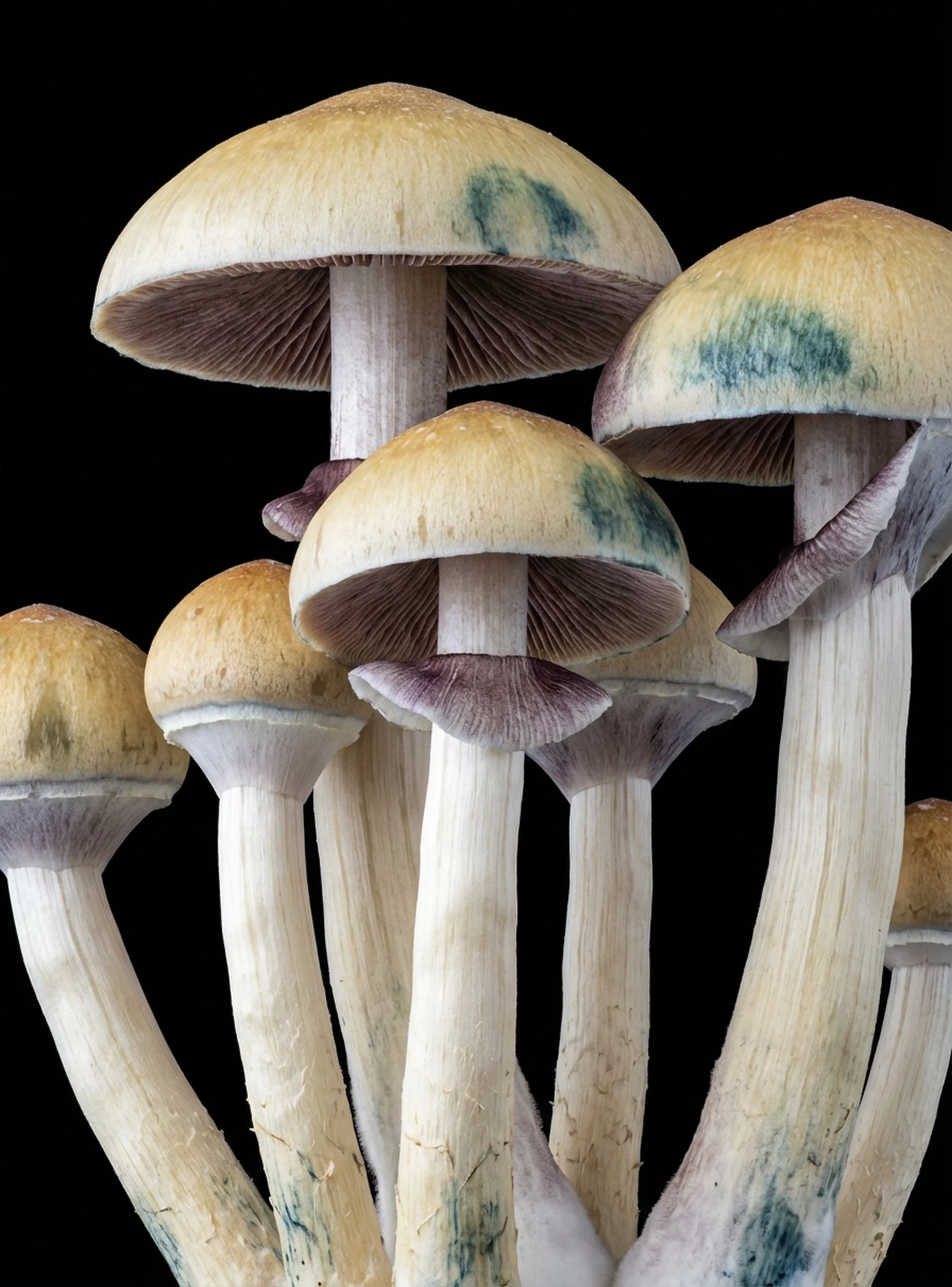
MDMA is the substance most strongly associated with empathic opening, to the point where it was originally called "empathogen." Psilocybin, ayahuasca, and low-dose LSD can also produce it, particularly in relational settings where another person is present.
Integration and aftercare
The integration challenge of empathic opening is translating the effortless compassion of the altered state into the effortful compassion of daily life. The state shows what is possible; integration means building practices that approximate it.
Many people find that the memory of empathic opening makes them more willing to extend compassion in ordinary situations, not because they can feel what they felt during the experience, but because they know the capacity exists within them.

Reflection
Who in your life would you understand differently if the walls between your experience and theirs were temporarily removed?
Related medicines
Substances commonly associated with empathic opening.