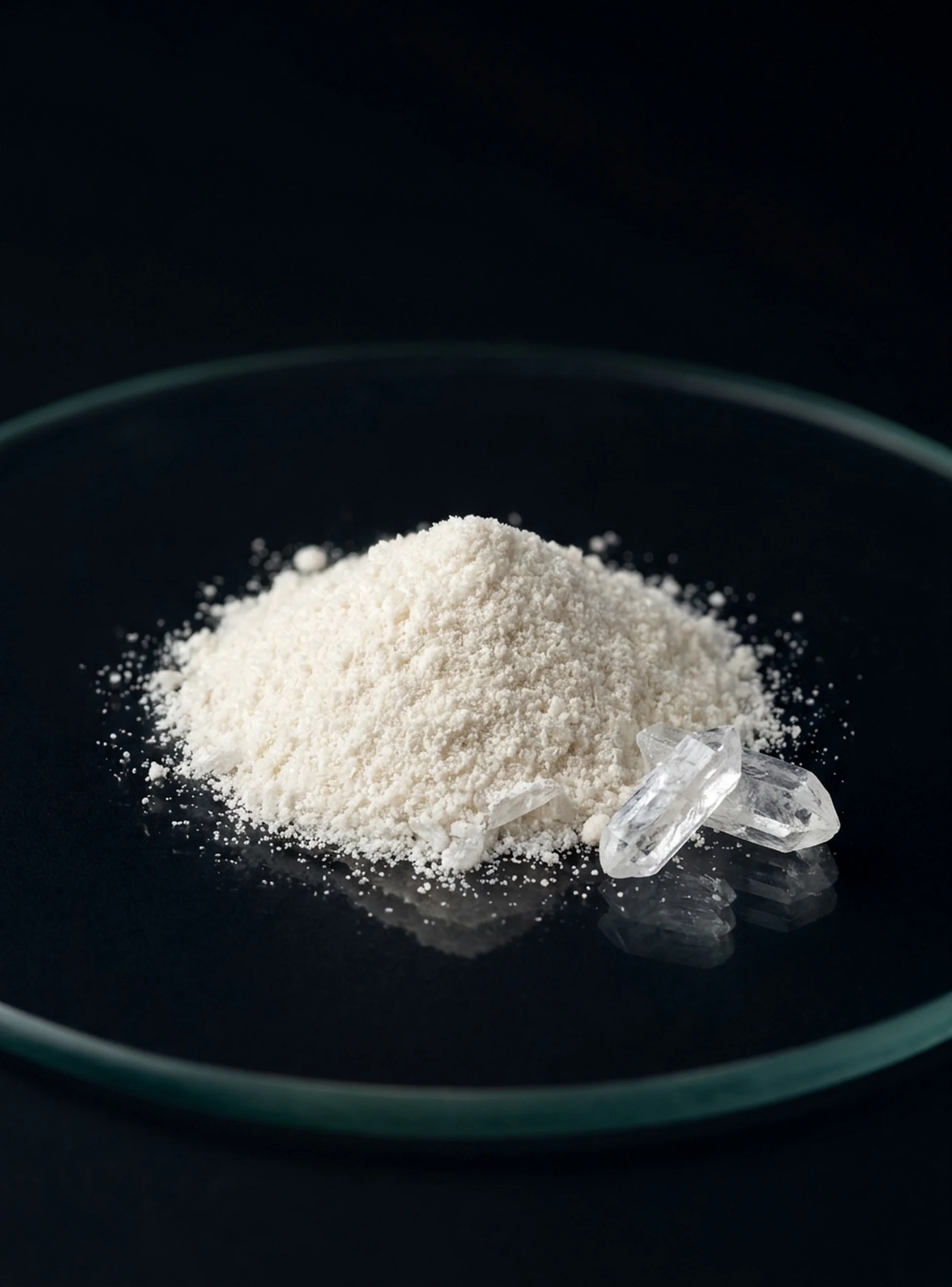

5-MeO-DMT is a tryptamine found in the Sonoran Desert toad and several plants, producing an extremely brief but profound non-dual state often described as the dissolution of self into pure awareness.
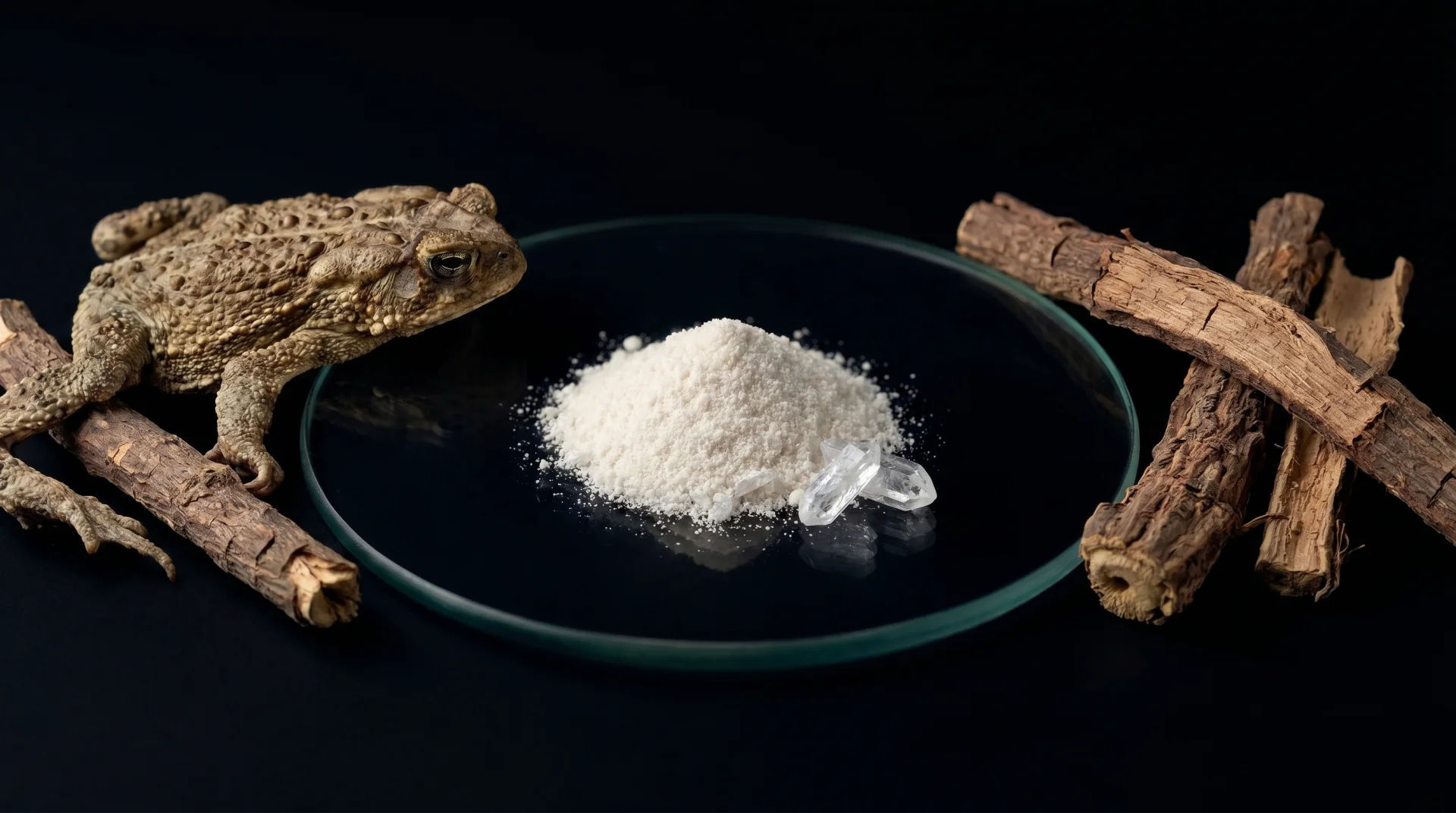
5-MeO
DMT
5-MeO-DMT is a tryptamine found in the Sonoran Desert toad and several plants, producing an extremely brief but profound non-dual state often described as the dissolution of self into pure awareness.
Fact file
- Type
- Synthetic compound
- Other names
- as it lacks chiral centers, 5-HT), sharing the indoleethylamine core scaffold
- Origin
- The Sonoran Desert Toad
- Duration
- 15 min to 45 min
What is 5-MeO-DMT?
There is a category of substance that opens a door, and there is a category that removes the wall the door was set into. 5-MeO-DMT belongs to the second category.
A single methoxy group, added to the molecule otherwise known as DMT, produces a compound that most people who have encountered it describe as the most pharmacologically intense experience available to a human nervous system. Where classical psychedelics tend to elaborate the world (more color, more pattern, more meaning), 5-MeO-DMT tends to simplify it, often to the point of erasure. Many describe a kind of whiteout, a luminous absence of figure and ground, with no remaining sense of being someone observing it.
The peak is short. The total experience, when smoked or vaporised, is shorter than a sitcom episode. The afterward can be much longer.
This page treats 5-MeO-DMT with more caution than any other entry in the library, not because it is the most dangerous compound here in a strict toxicological sense, but because it is the most likely to produce experiences that outrun a person's capacity to integrate them. There is a great deal worth understanding before reading further.
The substance
5-MeO-DMT is the common name for 5-methoxy-N,N-dimethyltryptamine, a substituted tryptamine in the indolealkylamine family. Its IUPAC designation is 2-(5-methoxy-1H-indol-3-yl)-N,N-dimethylethanamine; its molecular formula is C₁₃H₁₈N₂O.
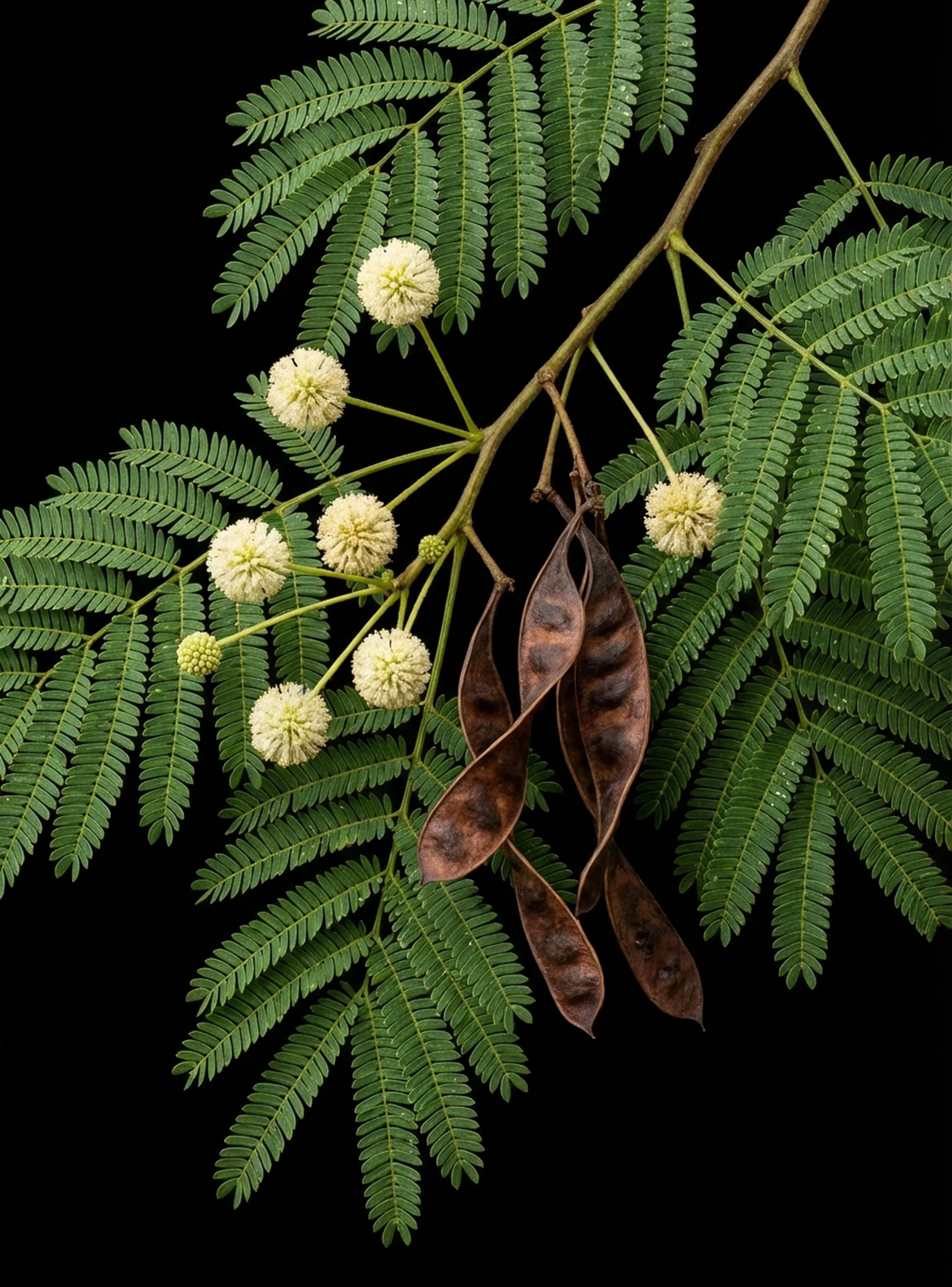
It occurs in nature across an unusual range of organisms. Plant sources include several species in the genera Anadenanthera (the seed of which is the basis for traditional yopo and cohoba snuffs), Virola, Phalaris, and others, mostly distributed across South and Central America. It has been identified in two Amanita species. It is also produced by the Sonoran Desert toad, Incilius alvarius (formerly Bufo alvarius), which secretes it from glands on the back of its head and neck. Trace amounts have been detected in human cerebrospinal fluid, though the role of endogenous 5-MeO-DMT in human physiology, if any, is not understood.
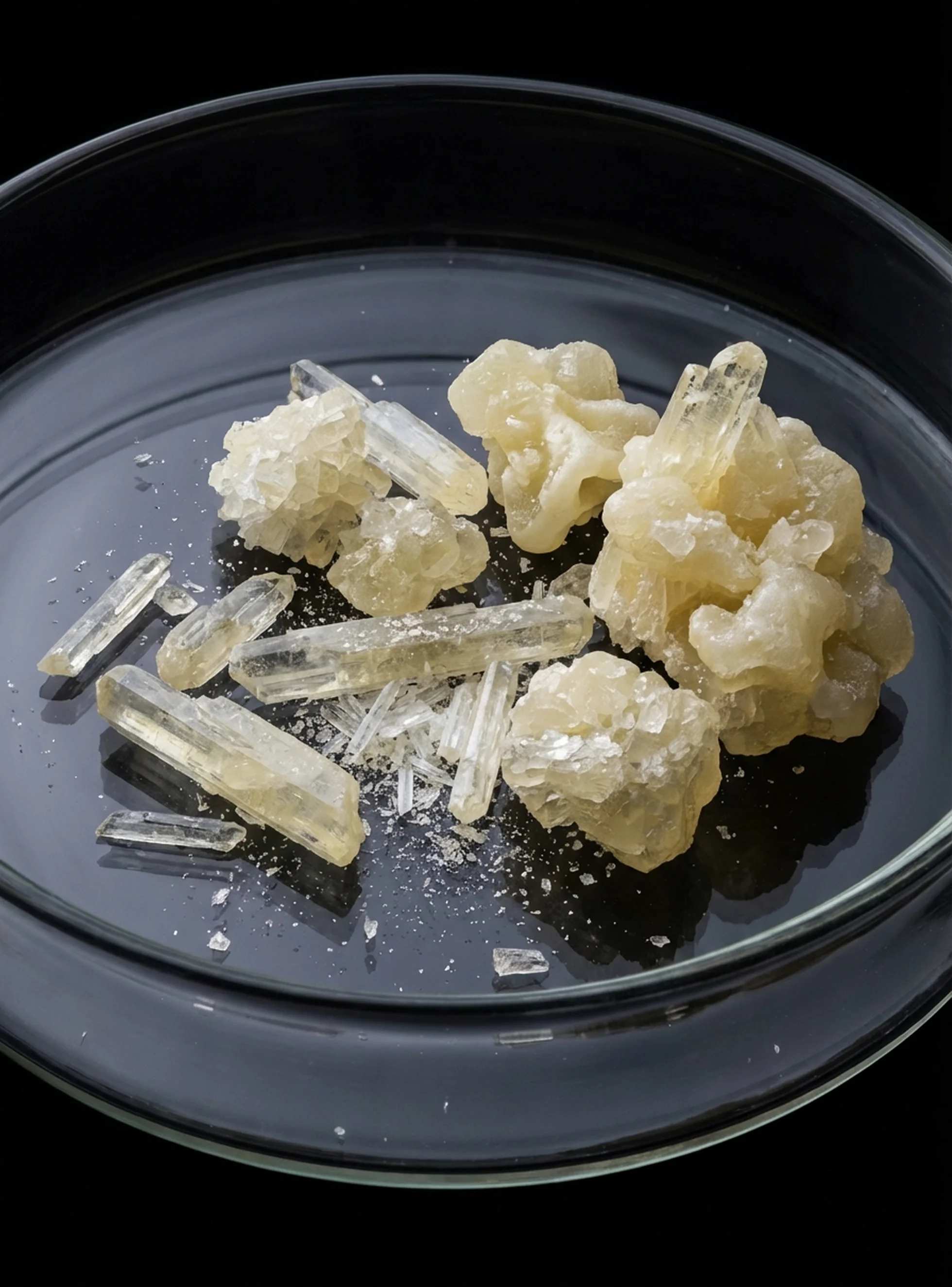
Synthetic 5-MeO-DMT and 5-MeO-DMT extracted from toad secretion are the same molecule. The toad-derived form arrives mixed with bufotenine, cardioactive bufagins, and other compounds; the synthetic form arrives as a near-pure crystalline powder. The pharmacology proper is identical.
Strength and duration
Duration
Aftereffects: The intensity is compressed into a narrow window, creating the most overwhelming acute subjective experience. Memory of the peak is often fragmented or absent. Users report either rapid return to baseline or persisting altered perception for 30-60+ minutes. Some report "flashback" sensations or partial re-entry into the experience hours or days later.
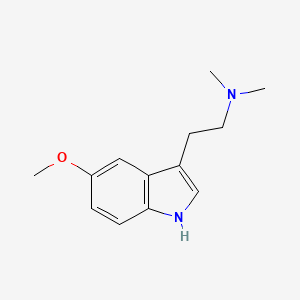
Molecular structure
Chemistry and mechanism
Structurally, 5-MeO-DMT is a close relative of serotonin. The same indole ring, the same two-carbon chain ending in an amine. The differences are small: a methoxy group at the 5-position of the indole ring (instead of serotonin's hydroxyl), and two methyl groups on the terminal nitrogen (instead of two hydrogens). This near-resemblance is the basis for its activity at serotonin receptors.
The defining pharmacological feature of 5-MeO-DMT, and the one that distinguishes it from classical psychedelics, is its strong preference for the 5-HT1A receptor over the 5-HT2A receptor. Reported binding affinities suggest a 300- to 1,000-fold selectivity for 5-HT1A. Most classical psychedelics, including psilocybin and LSD, act primarily at 5-HT2A and produce the visual phenomena commonly associated with that receptor. 5-MeO-DMT acts there too, but its 5-HT1A activity appears to dominate the experience, which may help explain why visual content is famously sparse and the alteration in self-reference is famously extreme.
It also engages a wider set of targets, including the serotonin transporter (SERT), the sigma-1 receptor, and to a lesser extent dopamine and noradrenaline pathways. Recent work suggests that the antidepressant signal observed in early clinical trials may be carried more by the 5-HT1A pathway than by the 5-HT2A pathway, raising the possibility that future analogues could retain the therapeutic effect with less of the overwhelming subjective intensity.
Metabolism is rapid and proceeds primarily through monoamine oxidase A (MAO-A), which is why oral 5-MeO-DMT alone is essentially inactive: the gut and liver dismantle it before it reaches the brain. The same fact explains why combining 5-MeO-DMT with an MAO inhibitor radically changes the pharmacokinetics, increasing systemic exposure and prolonging the experience. The interaction is not benign, and is addressed in Risks.
A secondary metabolic pathway, via the cytochrome enzyme CYP2D6, produces bufotenine (5-HO-DMT), itself an active 5-HT2A agonist. Genetic variation in CYP2D6 means different people produce different amounts of this metabolite from the same dose.

How people encounter it
Most contemporary encounters with 5-MeO-DMT fall into one of three categories.
The first is vaporisation or smoking of synthetic 5-MeO-DMT. This is the route used in the vast majority of underground retreat settings and in the most advanced clinical trials. Onset is almost immediate, often within seconds; the peak passes within a few minutes; the entire arc is typically complete inside an hour. The intensity of this route is what most public reports describe.
The second is smoking or vaporising the dried secretion of Incilius alvarius, the Sonoran Desert toad. The pharmacological effect is similar, with the qualifications that the secretion is a chemical mixture (5-MeO-DMT typically makes up 10 to 30 percent of the dry weight, with bufotenine and cardioactive bufagins making up the rest) and that the harvest of these toads is now a serious conservation issue. Many practitioners and harm-reduction networks have moved away from the toad-derived form entirely, on both ecological and pharmacological grounds.
The third is traditional snuff use of plants in the Anadenanthera and Virola genera, principally by Indigenous peoples of the Amazon and the Orinoco basins. These preparations contain 5-MeO-DMT alongside other tryptamines and are administered intranasally, typically through a hollow tube. The pharmacokinetics are slower and the experience reportedly less catastrophic than vaporisation; the cultural context is also entirely distinct from contemporary recreational or clinical use.
Intramuscular and intranasal synthetic preparations are also used, primarily in research and harm-reduction contexts. They tend to produce a slower onset and a longer, somewhat less acutely overwhelming experience than vaporisation. Oral use of 5-MeO-DMT alone produces almost no effect; oral use combined with a monoamine oxidase inhibitor produces a multi-hour experience and carries serious interaction risks.
The duration data on this page reflect the most common modern route: vaporised synthetic 5-MeO-DMT.

Origin and history
The Indigenous history is the longest and the least often told. Archaeological and ethnographic evidence indicates that snuffs derived from Anadenanthera seeds, which contain 5-MeO-DMT and related tryptamines, have been used in the Andes, the Caribbean, and the Amazon for at least several thousand years. Pipes, snuff trays, and other paraphernalia recovered from sites in northern Chile and Argentina date back more than two millennia. Virola preparations are still used today by several Amazonian peoples, including the Yanomami, in healing and ceremonial contexts. These traditions have their own internal logic, their own protocols, and their own teachers; they are not interchangeable with the contemporary practices that have grown up around the molecule.
The laboratory history is shorter. The compound was first synthesised in 1936 by the Japanese chemists Toshio Hoshino and Kenya Shimodaira. It was identified in plants in 1959, when Pachter and colleagues isolated it from the bark of Dictyoloma incanescens. Vittorio Erspamer and his collaborators identified it in Bufo alvarius secretion in 1967. For most of the twentieth century, it remained a footnote in the pharmacology literature.
The decisive cultural moment came in 1984, when a 20-page pamphlet titled Bufo Alvarius: the Psychedelic Toad of the Sonoran Desert, written by Ken Nelson under the pseudonym Albert Most, circulated through underground networks. It explained how to harvest and dry the toad's secretion. From that point, recreational and ceremonial use of toad-derived 5-MeO-DMT spread rapidly. By the 2000s, retreat-style ceremonies, often borrowing visual and verbal cues from Amazonian traditions to which they had no actual lineage, had become a small global industry.
Synthetic 5-MeO-DMT followed in the 1990s. Clinical research, dormant since the 1960s, resumed seriously in the late 2010s. In 2019, the Irish biopharmaceutical company GH Research began Phase 1 trials of a vaporised synthetic formulation; subsequent trials in patients with treatment-resistant depression have produced strikingly fast antidepressant signals, and Phase 3 work is now underway. Whether those signals will hold up at scale, and what kind of access to them will exist outside wealthy countries, are open questions.

Effects
The phenomenology of 5-MeO-DMT is unusually difficult to describe, and people who have experienced it often say so directly. Reports across clinical, ceremonial, and informal contexts converge on a small set of features.
Perceptually, the experience is famously sparse rather than rich. Where psilocybin or LSD tend to elaborate the visual field with pattern and color, 5-MeO-DMT tends to flatten or erase it. Many users describe a whiteout, a uniform brightness; others describe an equivalent darkness, or a sense of being inside a sound. Some report no perceptual content at all. Time perception is consistently distorted, often dilated to the point where the question of duration ceases to apply.
Emotionally and phenomenologically, the most commonly reported feature is a profound and often complete dissolution of the ordinary self-reference. In epidemiological surveys, around 90 percent of users report what they describe as full ego dissolution; around 75 percent meet the standard criteria for a complete mystical experience on validated questionnaires. These figures are higher than for any other commonly studied psychedelic. Many people describe the encounter as more real than ordinary reality, and many also describe it as the most difficult thing they have ever been through. Reports of peace, love, unity, and awe coexist with reports of fear, terror, and what some describe as a kind of obliteration. Both can occur in the same session.
Cognitively, narrative thought is typically suspended during the peak. People often report being unable to remember who they are, what they were doing, or what year it is. Conceptual structure thins out; the sense of being an individual mind running a continuous story tends to give way. Memory of the peak itself is frequently fragmented or absent afterwards, even when the surrounding moments are vivid.
Somatically, heart rate and blood pressure typically rise. Some people experience tremor, muscle tension, nausea, or strong involuntary movement. The body load is greater than for most classical psychedelics.
The experience is short by clock time. The total arc of a vaporised dose is typically 15 to 45 minutes, with the most intense portion lasting only a few minutes. The afterward, the period of integration, is not short.
The research base is still small, and individual variability is large. The descriptions above are central tendencies, not promises.

Risks and limits
Of all the substances covered on this site, 5-MeO-DMT carries the highest density of serious considerations. The list below is not exhaustive, but it covers what is currently understood.
Cardiovascular load. Acute heart rate and blood pressure rise sharply during the experience. People with hypertension, arrhythmias, coronary artery disease, structural heart abnormalities, or any prior cardiac event face elevated risk. Several deaths have been reported in association with 5-MeO-DMT use; in some cases, undisclosed cardiovascular disease appears to have been the proximate cause. Cardiac evaluation, including ECG, is part of the standard medical screening in clinical settings.
Serotonin syndrome with MAO inhibitors and serotonergic drugs. This is the single most dangerous interaction class. Combining 5-MeO-DMT with monoamine oxidase inhibitors (pharmaceutical MAOIs, Banisteriopsis caapi, harmaline, harmine, Peganum harmala) sharply increases systemic exposure and has caused fatal serotonin syndrome. Combining with SSRIs, SNRIs, tramadol, dextromethorphan, and other serotonergic drugs carries the same class of risk. Medical screening for current medications is not optional.
Pre-existing psychiatric conditions. Personal or family history of schizophrenia, psychotic disorders, bipolar I, or dissociative identity disorder is treated as a strong contraindication in clinical research, because of the risk of triggering or worsening these conditions. PTSD, severe anxiety disorders, and current suicidal ideation also warrant unusual caution.
Acute psychological reactions. Around a third of users in survey data report some degree of acute fear, panic, or paranoia during the experience. Most resolve as the compound clears. A smaller subset report what feels like a reactivation, intrusive recurrence, or persistent anxiety in the days, weeks, or occasionally months following a session. Some users describe needing professional support to process the experience.
The integration problem. This is specific to 5-MeO-DMT and worth naming directly. Because the peak experience can be both extraordinarily intense and extraordinarily difficult to remember in detail, some people find it disproportionately hard to make sense of afterwards. Reports of months-long destabilisation are not common, but they are not rare either. The ability to sit with ambiguity, the availability of skilled support, and the quality of preparation all appear to matter.
Misidentification. 5-MeO-DMT is roughly four to ten times more potent by weight than DMT. Treating one as the other is one of the most common ways people end up in trouble. Reagent tests can confirm an indole but cannot reliably distinguish the two; analytical confirmation requires chromatography or mass spectrometry.
Toad-derived material. The chemistry of toad secretion is not standardised; the cardioactive bufagins it contains carry their own toxicity. The conservation case against continued harvest is independently strong (see Ethics & Ecology).
Pregnancy and lactation. No safety data exist; treat as contraindicated.
None of this is meant to frighten, and none of it is meant to be ignored. Set, setting, screening, sober support, and time afterwards all matter more here than for almost any other substance covered in this library.

Integration and aftercare
Integration matters for most psychedelic experiences. With 5-MeO-DMT, it tends to matter more.
The reasons are structural. The peak is short and frequently amnestic, which means that what people are integrating is often not a remembered narrative but a felt aftershock. The intensity of the experience often outruns existing frameworks of meaning, and there can be a strong impulse to either over-interpret what happened (treating fragmentary impressions as cosmic certainties) or to dissociate from it entirely. Both responses tend, with time, to settle.
A few practices recur in clinical and informed ceremonial contexts. Rest is the first one, and the most underrated. The nervous system has been through something; sleep is typically uneven for the first night or two, and the body is asking for slowness. Journaling tends to help less than usual at first, because the experience often resists language; sketches, sound, gesture, or simply talking with someone present at the session sometimes work better. Returning to writing later, when the impressions have settled, can be useful.
Time and patience are perhaps the most important practices. Some people report that the meaning of a session continues to develop over months, and that early certainty about what it 'was' tends to revise itself. There is no reliable timeline.
Community and skilled support matter. The retreats and clinical programmes with the best track record are the ones that include preparation sessions before and integration sessions after, often spanning weeks. Peer integration circles, when run by people with experience, can also be valuable. A licensed therapist familiar with non-ordinary states, where one is available, can be a stabilising presence, particularly if the experience surfaces material that connects to existing trauma.
It is fair, and sometimes accurate, to say that an experience was overwhelming and that one is still figuring out what to make of it. That is not a failure of integration. It may simply be the work, taking the time it takes.
Legal and ethical context
There are three intertwined ethical questions that any honest treatment of 5-MeO-DMT has to name.
The toad. Incilius alvarius, the Sonoran Desert toad, is in trouble. Its range is a narrow band across the Sonoran Desert in northern Mexico and the southwestern United States. Decades of habitat loss and water-table changes had already put pressure on the species; the rapid expansion of toad-based ceremonial use since the 1990s has added direct collection pressure. The toad is now classified as endangered under Mexican law and is increasingly difficult to find in parts of its historic range. The collection process, however carefully done, is also a stress on the animal. There is no way to make large-scale toad-derived ceremonial use sustainable. Synthetic 5-MeO-DMT is, pharmacologically, the same molecule, and it does not require harvesting a vulnerable species. Most informed harm-reduction networks and a growing share of ceremonial practitioners have moved away from the toad-derived form entirely, on both ecological and welfare grounds.
Indigenous knowledge and contemporary ceremony. The ceremonial use of 5-MeO-DMT-containing plants by Amazonian and Orinocan peoples is a long, specific tradition. Most contemporary commercial 'toad ceremonies' borrow visual and verbal cues from these traditions without any actual lineage, training, or accountability. The framing of these sessions as 'ancestral medicine' is, in many cases, marketing. A more honest framing acknowledges that the modern practice is a young one, with a recent and largely commercial chapter, and that the long-running Indigenous traditions deserve their own space.
Access and commercialisation. The current legal status of 5-MeO-DMT (Schedule I in the United States, comparable elsewhere) coexists with a parallel reality of clinical trials, biotech patents, and underground retreats that can cost upward of $10,000 for a single weekend. Whatever one thinks of the legal regime, the access pattern that has emerged under it favours the wealthy and the well-connected. This is not unique to 5-MeO-DMT, but it is unusually visible here.
Legality is a question of law, not of ethics, and the two do not always track. The legal status of 5-MeO-DMT in your jurisdiction is recorded separately on this page; the ethical questions outlined above apply regardless.
Common misconceptions
Frequently asked questions

Reflection
Most of what we encounter in life arrives gradually enough that we can keep up with it. We have time to make a story of it, to slot it into who we already are.
5-MeO-DMT, on the accounts that are currently available, does not allow this. It tends to remove the storyteller before it removes anything else. What people describe afterwards is rarely a tale of having seen something extraordinary. More often it is the puzzled report of having been somewhere where there was no one to see anything, and of returning to a self that now has to make room for the fact of that.
Whether this is a glimpse of something true about consciousness, a temporary derangement of the brain's self-modelling circuits, or both, is not yet a question with a confident answer. The clinical data are early. The phenomenological data are old, fragmentary, and resistant to language. The honest position is that something significant happens, that its meaning is not settled, and that the question of how much weight to place on it remains open.
If there is a quiet observation worth ending on, it might be that some experiences are best treated less as answers and more as places one has been. The work of a life, for most people, is not done in those places. It is done back here.
Sources
Pharmacology and chemistry
- ●Halberstadt, A. L. & Geyer, M. A. (2011). Multiple receptors contribute to the behavioral effects of indoleamine hallucinogens. Neuropharmacology, 61(3), 364–381.
- ●Shen, H. W., Jiang, X. L., Winter, J. C. & Yu, A. M. (2010). Psychedelic 5-methoxy-N,N-dimethyltryptamine: metabolism, pharmacokinetics, drug interactions, and pharmacological actions. Current Drug Metabolism, 11(8), 659–666.
- ●Ray, T. S. (2010). Psychedelics and the human receptorome. PLOS ONE, 5(2), e9019.
- ●Cameron, L. P., Tombari, R. J., Lu, J. et al. (2021). A non-hallucinogenic psychedelic analogue with therapeutic potential. Nature, 589, 474–479.
Phenomenology and clinical research
- ●Davis, A. K., Barsuglia, J. P., Lancelotta, R. et al. (2018). The epidemiology of 5-methoxy-N,N-dimethyltryptamine (5-MeO-DMT) use: benefits, consequences, patterns of use, subjective effects, and reasons for consumption. Journal of Psychopharmacology, 32(7), 779–792.
- ●Uthaug, M. V., Lancelotta, R., van Oorsouw, K. et al. (2019). A single inhalation of vapor from dried toad secretion containing 5-methoxy-N,N-dimethyltryptamine (5-MeO-DMT) in a naturalistic setting is related to sustained enhancement of satisfaction with life, mindfulness-related capacities, and a decrement of psychopathological symptoms. Psychopharmacology, 236(9), 2653–2666.
- ●Reckweg, J. T., Mason, N. L., van Leeuwen, C. et al. (2022). A phase 1, dose-ranging study to assess safety and psychoactive effects of a vaporized 5-methoxy-N,N-dimethyltryptamine formulation (GH001) in healthy volunteers. Frontiers in Pharmacology, 13, 760671.
- ●GH Research (2022). GH001 in patients with treatment-resistant depression: Phase 1/2 trial results. Company filings and conference presentations.
History, ethnobotany, and conservation
- ●Ott, J. (2001). Pharmañopo-psychonautics: human intranasal, sublingual, intrarectal, pulmonary and oral pharmacology of bufotenine. Journal of Psychoactive Drugs, 33(3), 273–281.
- ●Weil, A. T. & Davis, W. (1994). Bufo alvarius: a potent hallucinogen of animal origin. Journal of Ethnopharmacology, 41(1–2), 1–8.
- ●Most, A. (1984). Bufo Alvarius: the Psychedelic Toad of the Sonoran Desert. Venom Press.
- ●Torres, C. M. & Repke, D. B. (2006). Anadenanthera: Visionary Plant of Ancient South America. Haworth Press.
- ●Davis, E. W. & Weil, A. T. (1992). Identity of a New World psychoactive toad. Ancient Mesoamerica, 3(1), 51–59.
Risk and harm reduction
- ●Brito-da-Costa, A. M., Dias-da-Silva, D., Gomes, N. G. M. et al. (2020). Toxicokinetics and toxicodynamics of ayahuasca alkaloids N,N-dimethyltryptamine (DMT), harmine, harmaline and tetrahydroharmine: clinical and forensic impact. Pharmaceuticals, 13(11), 334.
- ●Sklerov, J., Levine, B., Moore, K. A., King, T. & Fowler, D. (2005). A fatal intoxication following the ingestion of 5-methoxy-N,N-dimethyltryptamine in an ayahuasca preparation. Journal of Analytical Toxicology, 29(8), 838–841.
For how we evaluate sources and structure our claims, see the methodology.