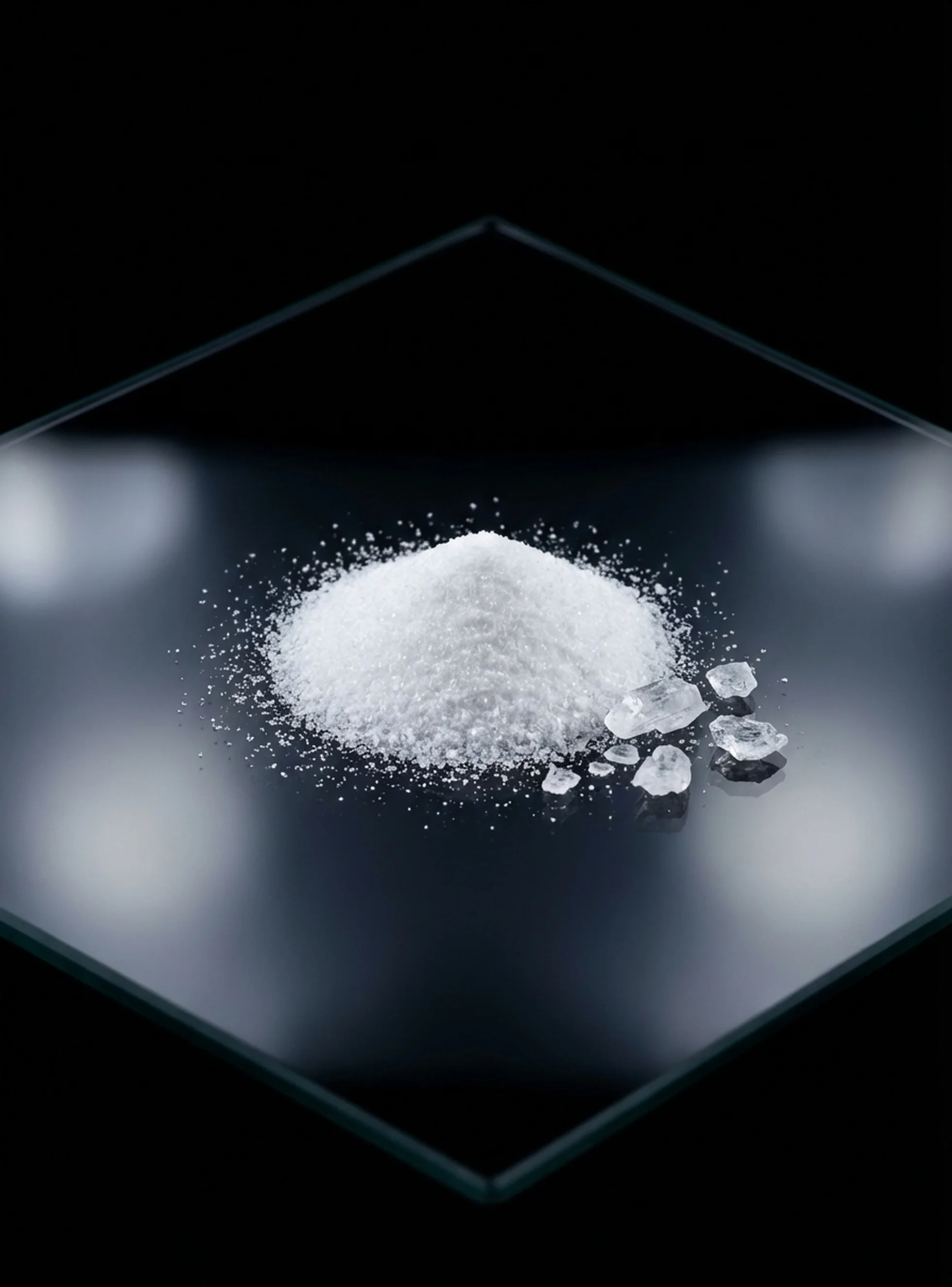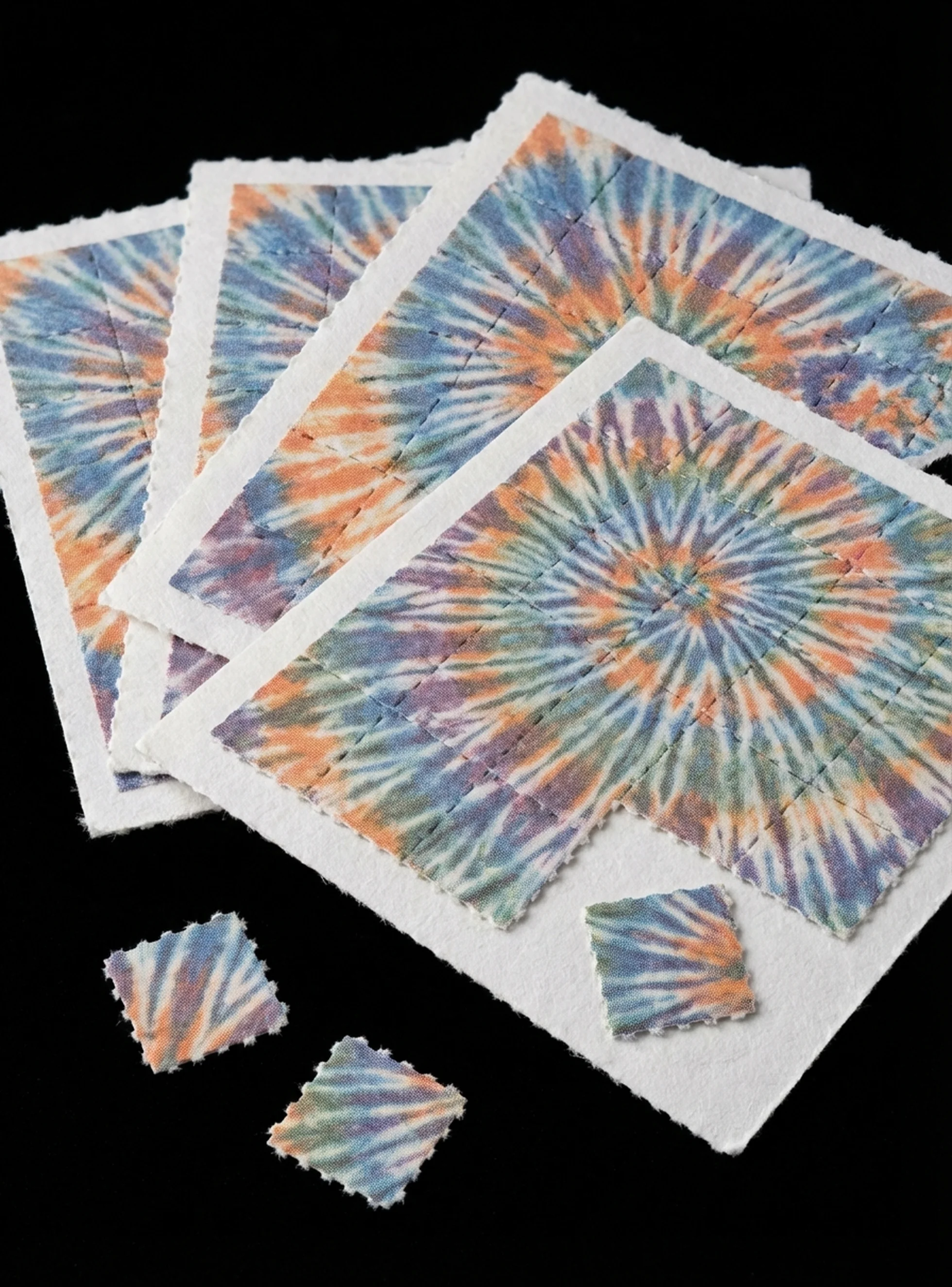

LSD is a semisynthetic ergot alkaloid and one of the most potent psychedelics known, producing 8-12 hours of expanded perception, emotional range, and cognitive flexibility.
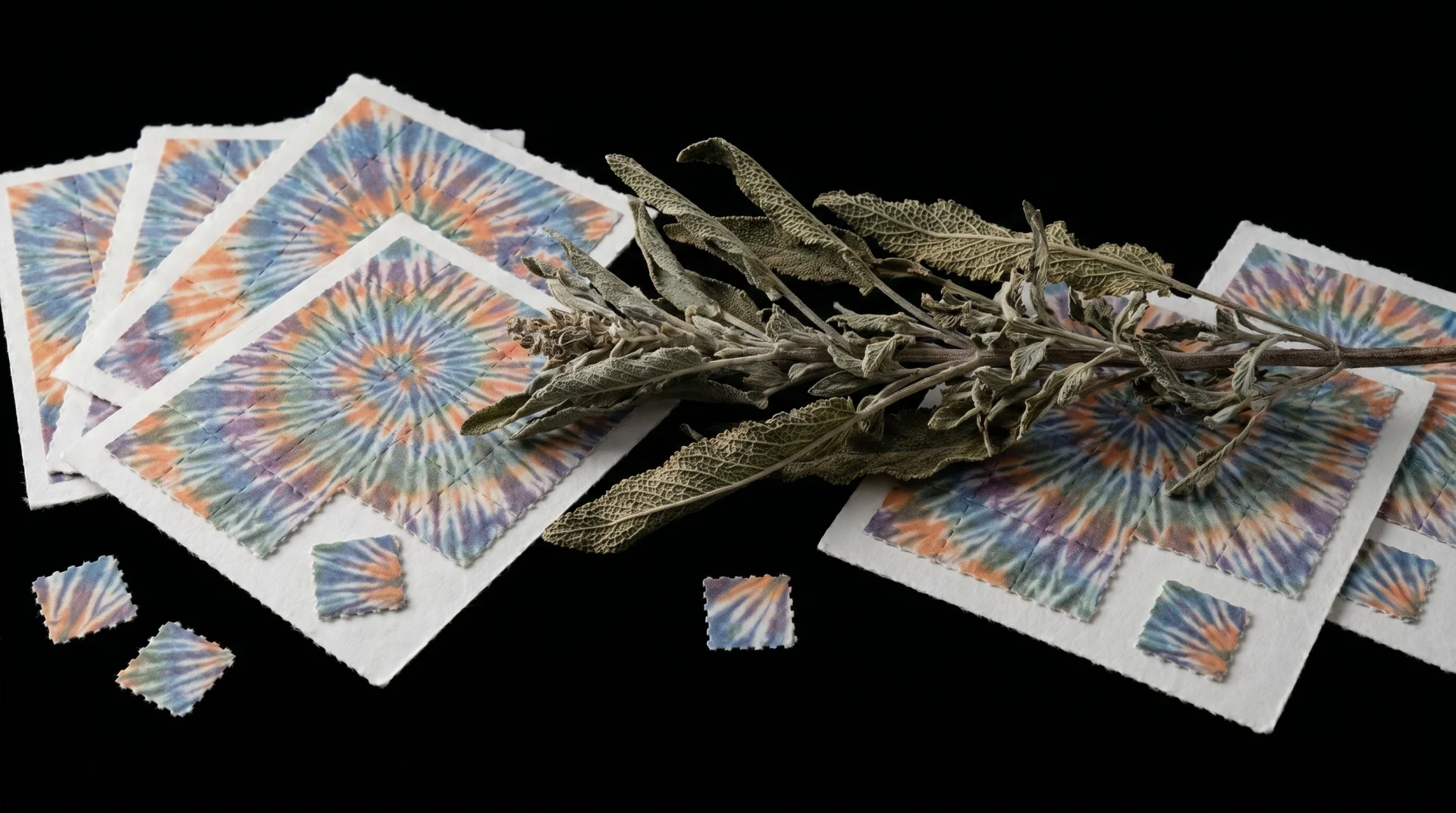
LSD
LSD is a semisynthetic ergot alkaloid and one of the most potent psychedelics known, producing 8-12 hours of expanded perception, emotional range, and cognitive flexibility.
Fact file
- Type
- Synthetic compound
- Botanical name
- Claviceps purpurea
- Other names
- acid, tabs, blotter, doses
- Origin
- Basel, Switzerland (Sandoz Labs)
- Duration
- 8-12 hours
- Strength
- Moderate
- Legal status
- Illegal in all 10 listed jurisdictions
What is LSD?
A colorless crystal, nearly tasteless, synthesized in a Basel laboratory in 1938 and then forgotten for five years. When its inventor accidentally absorbed a trace amount through his skin one April afternoon, the world he cycled home through had become something else entirely: colors pulsing, shapes breathing, ordinary perception revealed as one possibility among many.
LSD occupies a singular position among psychoactive compounds. It is entirely synthetic, with no roots in any indigenous tradition, yet it has reshaped how modern science understands consciousness itself. Its effects, unfolding over eight to twelve hours, tend to be more cognitive and perceptual than physical, more architectural than organic. Where other substances in this family often feel rooted in the body or the earth, LSD has a quality that people sometimes describe as electric, crystalline, or geometric.
What follows is a map of this compound, drawn from decades of clinical research, pharmacology, and careful observation. It is not a guide for use. It is an invitation to understand what LSD is, what it does, and what remains unknown.
Identity
Scientific name: Lysergic acid diethylamide (LSD-25)
Common names: LSD, acid, lysergide
Chemical class: Ergot alkaloid derivative, specifically a lysergic acid amide (ergolamide class). Its molecular formula is C₂₀H₂₅N₃O.
Substance type: Fully synthetic. LSD does not occur in nature. Its parent structure, lysergic acid, derives from ergot alkaloids produced by Claviceps purpurea, a fungus that parasitizes rye and other grains, but LSD itself is a laboratory creation.
Appearance: Colorless or white crystalline powder, odorless, and nearly tasteless. In its pure form, it degrades under UV light and heat but remains stable in darkness at room temperature.
Taxonomic position: LSD belongs to the classic serotonergic psychedelics, compounds whose primary effects arise from agonism at the serotonin 5-HT2A receptor. Within this group, it sits alongside psilocin (from mushrooms) and mescaline (from cacti), though its fully synthetic origin and ergoline molecular scaffold set it apart structurally.
Strength and duration
Intensity profile
Duration
Aftereffects: ** - **Evening of ingestion:** Insomnia very common despite fatigue; euphoria or openness may persist - **Next morning:** Brain fog, mild fatigue reported by some; others report well-rested; mood elevation may continue - **1-2 days post:** Some users report lingering emotional openness or perspective shifts; others rapid return to baseline
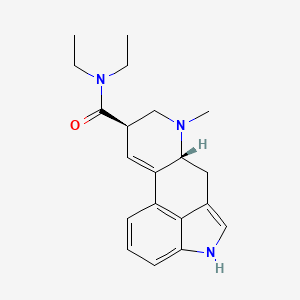
Molecular structure
Chemistry
LSD's molecular architecture centers on a tricyclic indole-based structure derived from lysergic acid, with a diethylamide group attached at the carboxylic acid position. The indole ring it shares with serotonin is the structural key to its psychoactive power. Only the 9S enantiomer (the dextro configuration) is pharmacologically active; its mirror image, 9R-LSD, is biologically inert.
Primary mechanism: serotonin 5-HT2A agonism
LSD's defining psychedelic effects arise from partial agonist activity at the serotonin 5-HT2A receptor, particularly in cortical pyramidal neurons. This has been established through two lines of evidence: ketanserin, a 5-HT2A antagonist, blocks LSD-induced perceptual changes in humans, and mice lacking 5-HT2A receptors do not respond to the compound with psychedelic effects.
At the 5-HT2A receptor, LSD binds with exceptionally high affinity (Ki of 0.27 nM), meaning it locks on tightly and at very low concentrations. This binding triggers downstream cascades that increase functional connectivity across distant cortical regions, reduce the filtering activity of the thalamus (allowing more sensory input to reach conscious awareness), and decrease the usual anticorrelation of the default mode network with task-positive networks, a neural signature correlated with the dissolution of ordinary self-boundaries.
Secondary mechanisms
LSD is not a single-target compound. It also activates 5-HT1A receptors (involved in mood regulation), 5-HT2C receptors (modulating affect and appetite), and the trace amine-associated receptor TAAR1 (which influences glutamate and dopamine neurotransmission). These secondary interactions shape the tone, depth, and emotional valence of the experience in ways that remain only partially understood.
Metabolism and duration
After oral ingestion, LSD is metabolized in the liver primarily by CYP1A2 and CYP2D6 enzymes. Its plasma half-life is 2.5 to 4 hours, meaning most of the compound is cleared from the blood within several hours. Yet subjective effects persist for 8 to 12 hours. This dissociation between blood levels and experienced duration is one of LSD's characteristic features, suggesting that receptor occupancy or downstream circuit changes outlast the molecule's presence in plasma. The primary metabolite, 2-oxo-LSD, is inactive.
Methods of Encounter
LSD is most commonly encountered as blotter paper: small squares of perforated paper onto which the compound has been absorbed. Other forms include liquid solutions (LSD dissolved in ethanol or water), gelatin capsules, and, rarely, crystalline powder. The compound is nearly always taken orally or sublingually.
Clinical contexts
In current clinical trials (including the Compass Pathways COMP360 protocol), LSD is administered as a precisely measured liquid or tablet in a controlled medical setting. Participants undergo weeks of psychological preparation and months of structured integration. Medical monitoring continues throughout the session. These protocols represent the most carefully controlled encounter with LSD available today.
Informal contexts
Outside clinical research, people encounter LSD in a range of settings: personal exploration, social gatherings, creative practice, and micro-protocols (repeated low-level ingestion intended for cognitive or mood support, though evidence for efficacy remains limited). Approximately 4 to 5 percent of US adults report lifetime use.
How route shapes experience
The route of administration primarily affects onset and intensity trajectory rather than the fundamental character of the experience. Oral or sublingual ingestion produces a gradual onset over 20 to 45 minutes, with effects building over 2 to 3 hours and lasting 8 to 12 hours total. Intravenous administration (used only in historical research settings) compresses the timeline dramatically, with onset within minutes but shorter overall duration.
Purity concerns
A significant safety consideration: studies have found that 10 to 20 percent of blotter sold as LSD in some markets contains NBOMe compounds instead, substances with a substantially higher toxicity profile. Reagent testing (particularly the Ehrlich test, which produces a purple color in the presence of indole compounds like LSD and no color for NBOMe) provides a basic screening tool, though it cannot confirm the specific compound or its purity.

Origin & History
LSD has no ancient lineage. It emerged from a laboratory bench in Basel, Switzerland, on April 16, 1938, when a 32-year-old chemist named Albert Hofmann synthesized it as the 25th compound in a systematic series of lysergic acid derivatives. He was looking for respiratory and circulatory stimulants. The new compound showed modest interest in animal tests and was shelved.
Five years later, on another April afternoon, Hofmann returned to LSD-25, suspecting he had missed something. During the synthesis he inadvertently absorbed a trace of the compound, likely through skin contact. By 4:20 PM he noted unusual sensations in his laboratory notebook. He left work, bicycled home through the streets of Basel, and entered a state of profound perceptual alteration that lasted hours. On May 25, 1943, he intentionally ingested a measured quantity, confirming his suspicion. This was the first controlled human encounter with a psychedelic compound in the modern sense.
By 1947, Sandoz Pharmaceuticals had patented LSD and began distributing it under the brand name Delysid to research institutions across Europe. Psychiatrists in Switzerland, Germany, and France explored its potential as a tool for understanding psychosis and facilitating psychotherapy. In Canada, Humphry Osmond and Abram Hoffer investigated LSD-assisted treatment for alcoholism, with early results that showed genuine promise.
But during the same decade, the compound entered darker territory. The CIA's MKULTRA program administered LSD to unwitting subjects in psychiatric hospitals and prisons, seeking applications in interrogation and mind control. The program produced no useful intelligence and caused significant psychological harm, representing one of the most serious ethical violations in medical research history.
Through the late 1950s and early 1960s, LSD moved beyond clinical walls. Artists, writers, and intellectuals in San Francisco and New York began experimenting outside medical contexts. Timothy Leary's public advocacy accelerated this shift, and by 1966, LSD had become entangled with the counterculture movement, anti-war activism, and rising public anxiety about social disruption. California banned possession in May 1966. The federal government placed LSD on Schedule I in October of the same year. Most countries followed within a few years.
For three decades, serious research effectively ceased. The revival began quietly in the early 2000s, as neuroscientists at institutions like Johns Hopkins and Imperial College London reopened investigation into psychedelic compounds. By 2024, Compass Pathways had received FDA Breakthrough Therapy designation for LSD-assisted treatment of treatment-resistant depression, and multiple Phase 2 and Phase 3 trials were underway.

Effects
The LSD experience unfolds over 8 to 12 hours: a gradual ascent, a sustained plateau, and a gentle descent back to ordinary awareness. Effects move across four dimensions, each with its own character.
Perceptual
Scoring 6.5/10 on Psylopedia's strength scale, this is the dimension most people associate with LSD. The earliest shifts tend to arrive within 30 to 45 minutes: colors brighten, textures sharpen, peripheral vision may shimmer. As effects deepen, geometric patterns often emerge, superimposed on the visual field like a lattice of light. Colors may intensify to a degree that feels almost impossible.
At peak intensity, closed-eye visuals can become immersive: three-dimensional landscapes, kaleidoscopic structures, forms that some people interpret as symbolic figures. Synesthesia (hearing a color, seeing a sound) is reported by some. Time perception frequently distorts, with minutes feeling stretched into something much longer.
Cognitive
Also rated 6.5/10, the cognitive dimension is where LSD often feels most distinctly itself. Thoughts tend to accelerate and loosen their usual associative boundaries. Connections between memories, ideas, or abstract concepts may emerge with a feeling of sudden clarity. Focused attention becomes difficult, while lateral thinking may feel unusually accessible.
Some people report insight that feels pre-verbal, arriving as direct comprehension rather than articulated thought. Others describe difficulty distinguishing thought from external reality at the peak.
Emotional
Rated 5.5/10, the emotional dimension is more variable and context-dependent. The direction depends heavily on set (mindset, expectations, psychological state) and setting (physical and social environment).
On one trajectory, people may feel euphoria, awe, or a profound sense of connection. On another, anxiety or existential unease may surface, particularly during the come-up phase. At higher intensity, some people report mystical-type experiences: feelings of unity, dissolution of ordinary self-boundaries, encounters with what feels like deep significance. These states cannot be willed into being.
Difficult emotional experiences are not uncommon. They tend to resolve as effects wear off but should not be dismissed.
Somatic
The physical dimension is the mildest at 3.5/10. Heart rate typically increases by 20 to 40 beats per minute. Pupils dilate. Body temperature may rise slightly. Some people notice muscle tension or brief nausea early on. Compared to psilocybin, LSD tends to feel less body-centered. Compared to MDMA, it produces less physical activation. The relatively low somatic load is one of LSD's distinguishing characteristics.
Coming down
Effects typically begin fading 5 to 8 hours after ingestion. Colors return to normal, geometric patterns dissolve, and the sense of time passage reestablishes itself. Residual emotional openness may persist for hours. Insomnia on the evening of the experience is common, even when fatigue is present. Most people feel functionally normal by the following day.
A note before reading
Each experience is different. What you may notice depends on dose, setting, and the body and mind you bring to it.
What people often notice
Emotional spectrum
Visual
Imagery can become vivid and immersive, often with rich geometry, color depth, and scenes that feel layered onto the room.
Cognitive
Rapid pattern recognition is common, with frames and assumptions dissolving and reforming in quick succession.

Risks & Limits
LSD does not damage organs. It does not cause neuronal death. No deaths from direct LSD-induced cardiovascular effects have been documented in modern medical literature. The actual risks are primarily psychological and situational, and they deserve honest attention rather than exaggeration or dismissal.
Psychological risks
Acute psychological distress during the session occurs in an estimated 20 to 30 percent of recreational users, characterized by anxiety, panic, or overwhelming fear. In the vast majority of cases, it resolves as effects wear off (within 6 to 12 hours). Reassurance, a safe environment, and time are usually sufficient.
LSD does not cause psychotic illness in neurologically typical individuals. In people with pre-existing psychotic vulnerability (often undiagnosed schizophrenia spectrum or bipolar I disorder), it can precipitate an acute episode, similar to how extreme stress can activate latent vulnerability. Screening for personal and family psychiatric history is considered essential.
Hallucinogen persisting perceptual disorder (HPPD)
Some people report brief visual disturbances (geometric patterns, brightened colors, trailing) occurring days or weeks after the experience without re-exposure. Recognized in the DSM-5, HPPD prevalence estimates vary widely. Most cases are mild and resolve over time. The mechanism remains unclear.
Physical considerations
Heart rate and blood pressure increase modestly. For healthy individuals, this presents minimal concern. For those with uncontrolled hypertension, cardiac arrhythmias, or coronary artery disease, these changes represent contraindications. Pregnancy is also considered an absolute contraindication due to insufficient safety data.
Drug interactions
Combinations with MAOIs carry risk of severe serotonergic overstimulation. SSRIs and SNRIs may theoretically enhance effects, though clinical documentation is limited. Lithium has been associated with intensified effects in case reports. Benzodiazepines are sometimes used as a rescue intervention during acute distress.
The adulterant problem
Perhaps the most concrete danger in uncontrolled settings is not LSD itself but what is sold in its place. NBOMe compounds, found in an estimated 10 to 20 percent of blotter in some markets, have caused seizures, severe vasoconstriction, and deaths. Reagent testing provides a basic screening tool.
Set, setting, and support
Many risks are modulated by context. A person's psychological state, the physical environment, the presence of trusted support, and the absence of time pressure all shape the likelihood of difficult experiences. These do not ensure safety, but they represent the most well-established variables for risk reduction.

Integration
The experience does not end when the effects wear off. In many ways, the more consequential phase begins afterward, as the mind works to absorb what it encountered.
Integration is not a technique. It is a practice of attention, a willingness to sit with what surfaced and to let meaning emerge without forcing it. Some insights may feel vivid in the moment but dissolve upon reflection. Others arrive quietly, days later, as shifted priorities or softened patterns of thought. Both responses are normal.
In the immediate aftermath
The hours following the experience often carry residual emotional openness or sensitivity. Sleep may be delayed despite physical tiredness. Many people find it helpful to rest, to be in gentle company, and to resist the impulse to immediately interpret or narrativize everything that happened. Talking through the experience with someone who was present, or simply sitting with it in silence, can both serve the process.
In the days and weeks that follow
Journaling is one of the most commonly reported integration practices, not because it is prescribed, but because the experience often generates material that feels worth recording before it fades. Some people find that movement, time in nature, or creative expression helps them process what arose. Others seek conversation with a therapist, a trusted friend, or a peer support community.
In clinical settings, integration is formalized: the Compass Pathways protocol includes nine integration sessions over six weeks, guided by a therapist, moving from emotional processing to meaning-making to long-term perspective. This structure reflects a recognition that the experience alone is not the intervention. The work of connecting insight to daily life is what gives it staying power.
What integration is not
It is not a checklist, and it is not a frame that should minimize difficult material. If the experience surfaced something painful or destabilizing, that material deserves careful attention, ideally with professional support rather than self-guided processing alone.
Some people feel a clear shift immediately. For others, the effects of integration are slow and subtle, revealing themselves over weeks or months. Both timelines are valid.
Microdosing
Microdosing LSD involves taking 5 to 15 micrograms -- roughly one-tenth of a standard dose -- at regular intervals. At these quantities, the characteristic features of an LSD experience (visual phenomena, ego dissolution, time distortion) are absent. What remains is a subtle alteration in attentional quality and mood that most people can notice without it being disruptive.
Common protocols
The Fadiman protocol (one dosing day followed by two rest days) was originally developed with LSD in mind. LSD's extended half-life of 8-12 hours means effects can persist well into the evening, which is one reason the protocol includes substantial off-days. Doses are typically calibrated by dividing a known quantity precisely -- volumetric dosing in distilled water is the most reliable method.
What to expect
Reports are highly individual. Some people describe a gentle brightening of focus or mood on dosing days; others notice little or experience mild anxiety. Controlled research suggests expectation accounts for a meaningful share of reported benefits -- though neurobiological effects at these doses are measurable in brain imaging studies.
Practical considerations
LSD's long half-life is the primary practical factor distinguishing it from psilocybin in microdosing contexts. Dosing in the morning is important -- afternoon doses frequently disrupt sleep onset. Tolerance develops quickly, making consistent off-days essential. At true microdose levels, HPPD risk appears to be low, though anyone with a history of psychosis or hallucinogen-related anxiety should approach with particular caution.
For protocols, evidence, and integration practices, see the dedicated Microdosing guide.
Ethics & Ecology
LSD is entirely synthetic. There is no plant to overharvest, no endangered species to protect, no indigenous ceremony to honor or accidentally appropriate. In this sense, many of the ethical considerations that surround plant-based psychedelics do not apply in the same way.
But the absence of ecological concerns does not mean an absence of ethical ones.
Access and equity
LSD is illegal in virtually every country. Research exemptions exist, but they are narrow: an estimated 100 to 200 people globally have legal therapeutic access through clinical trials in any given year. If LSD-assisted therapy eventually receives regulatory approval, projected costs ($3,000 to $10,000 per session, based on comparable psilocybin therapy pricing) risk creating a treatment available primarily to the wealthy. Clinical trials have historically enrolled predominantly white, affluent participants through university networks, raising questions about whose experiences and outcomes are shaping the science.
The weight of prohibition
LSD's legal history is inseparable from the politics of the 1960s counterculture. Its placement on Schedule I in 1966 was driven as much by social anxiety and political pressure as by pharmacological evidence. The War on Drugs enforcement that followed disproportionately affected low-income communities and communities of color. Any conversation about LSD's future therapeutic role must reckon with this history rather than treat legalization as a neutral scientific inevitability.
Commercialization tensions
As private companies invest in LSD-assisted therapy protocols, questions of intellectual property, pricing, and public benefit come into focus. The compound itself is long out of patent, but specific therapeutic protocols can be patented, creating potential monopolies on access. Advocacy for open-access protocols, insurance coverage, and community-based therapeutic models represents one response to these tensions.
Misconceptions
LSD causes permanent brain damage.
No scientific evidence supports this claim. LSD does not cause neuronal death or documented brain damage in humans. Animal toxicology studies show no neurotoxicity. The original 1967 claims of chromosome damage have been repeatedly disproven.
LSD will make you permanently insane.
LSD does not cause psychotic illness in neurologically typical individuals. In people with pre-existing psychotic vulnerability (often undiagnosed), it can precipitate an acute episode, but this reflects the vulnerability rather than a property of the compound itself. The acute episode typically resolves as effects wear off.
LSD is addictive.
LSD does not produce physical dependence. There is no withdrawal syndrome. Tolerance develops rapidly (within 24 to 48 hours), making compulsive daily use essentially self-limiting. Most people who use LSD do not develop patterns of compulsive use.
Flashbacks are miniature LSD experiences that recur unprompted.
The visual disturbances sometimes called "flashbacks" (clinically, HPPD) are brief perceptual phenomena, typically lasting seconds to minutes, not hours. They are not pharmacological re-exposure to the compound. The mechanism is likely perceptual or attentional rather than chemical, and the experience is far milder than the original effects.
LSD makes you see things that aren't there.
Most LSD effects are enhancements and distortions of existing visual input rather than pure hallucinations. Pattern intensification, color saturation, and geometric overlays are characteristic. People typically maintain awareness that their perceptions are altered. True hallucinations (seeing objects with no external correlate) are possible but less common than perceptual distortion.
FAQ

Reflection
LSD arrived in the world by accident, a molecule that a chemist set aside for five years because he did not yet know what it could do. When he finally absorbed it through his skin on a spring afternoon in 1943, what he encountered was not a new substance so much as a new question: what is ordinary perception leaving out?
That question has not been answered. Decades of research have mapped the receptors, the neural networks, the pharmacokinetics. We know what LSD binds to. We know how long it lasts. We know it does not damage the brain. And still, the central phenomenon, the way a colorless, tasteless compound can, for a few hours, reveal the architecture of perception itself, remains more felt than explained.
Perhaps that is the point. Not every question needs a conclusion. Some are better left as openings.
Sources
Primary and Historical Sources
- ●Hofmann, A. (1980). LSD: My Problem Child. McGraw-Hill.
- ●Stoll, W. A. (1947). Lysergsäure-diäthylamid, ein Phantastikum aus der Mutterkorngruppe. Schweizerische Archiv für Neurologie und Psychiatrie, 60(1), 279-323.
- ●Hoffer, A., & Osmond, H. (1967). The Hallucinogens. Academic Press.
Pharmacology and Chemistry
- ●Nichols, D. E. (2016). Psychedelics. Pharmacological Reviews, 68(2), 264-355.
- ●Passie, T., Seifert, J., Schneider, U., & Emrich, H. M. (2002). The pharmacology of lysergic acid diethylamide: A review. CNS Drug Reviews, 8(4), 365-383.
- ●Nichols, D. E., & Nichols, C. D. (2008). Serotonin receptors. Chemical Reviews, 108(5), 1614-1641.
- ●Blair, J. B., et al. (2000). Effect of ring-substitution on the serotonin receptor binding of lysergic acid amides. Journal of Medicinal Chemistry, 43(24), 4701-4710.
Neuroimaging and Consciousness
- ●Carhart-Harris, R. L., et al. (2012). Neural correlates of the LSD experience revealed by multimodal neuroimaging. Proceedings of the National Academy of Sciences, 109(6), 2138-2143.
- ●Carhart-Harris, R. L., Friston, K. J., & Nutt, D. J. (2020). REBUS and the anarchic brain: Toward a unified model of the brain action of psychedelics. Pharmacological Reviews, 72(4), 885-900.
- ●Geyer, M. A., & Vollenweider, F. X. (2008). Serotonin research: Contributions to understanding psychosis. Trends in Pharmacological Sciences, 29(9), 445-453.
Clinical Trials and Therapeutic Research
- ●Compass Pathways (2024). COMP360 trial information and press releases.
- ●MIND Foundation (2024). Research overview (Swiss trials).
- ●Griffiths, R. R., et al. (2016). Psilocybin produces substantial and sustained decreases in depression and anxiety in patients with life-threatening cancer. Journal of Psychopharmacology, 30(12), 1181-1197.
- ●MAPS (2024). Research overview and non-profit model.
Safety, Risks, and HPPD
- ●Abraham, H. D., & Wolf, E. (1988). Visual phenomenology of the LSD flashback. Archives of General Psychiatry, 45(3), 243-247.
- ●Wikstrom, M., et al. (2016). NBOMe compounds: Toxicity and forensic considerations. Clinical Toxicology, 54(7), 568-575.
- ●Cohen, M. M., & Shiloh, Y. (1985). Genetic toxicology of lysergic acid diethylamide (LSD-25). Mutation Research, 47(3-4), 183-209.
Analogs and Testing
- ●Brandt, S. D., et al. (2016). Return of the lysergamides. Drug Testing and Analysis, 8(3-4), 276-285.
- ●Pinterova, N., et al. (2021). Lysergamide use and misuse: A systematic review. Psychopharmacology, 238(5), 1287-1315.
Legal and Social Context
- ●DEA Office of Diversion Control (2024). Orange Book: Controlled Chemical Precursors.
- ●Provine, D. M. (2007). Unequal Under Law: Race in the War on Drugs. University of Chicago Press.
- ●McCoy, A. W. (2007). A Question of Torture: CIA Interrogation, from the Cold War to the War on Terror. Metropolitan Books.
Epidemiology
- ●SAMHSA (2023). National Survey on Drug Use and Health (NSDUH), 2022. U.S. Department of Health and Human Services.
For how we evaluate sources and structure our claims, see the methodology.
States you may encounter
Altered states of consciousness commonly reported with this substance.
Visual geometrycommon
Intricate, often symmetrical patterns that appear with closed or open eyes. Fractals, lattices, and spirals are commonly reported, sometimes evolving into more complex forms.
Ego dissolutioncommon
A temporary loss of the boundary between self and world. The sense of being a separate individual fades or disappears, often described as merging with everything.
Thought loops
Recurring patterns of thought that cycle repeatedly, sometimes with insight, sometimes with discomfort. The same idea returns with variations, each pass revealing a new facet.
Microdosing this medicine
A different context entirely: sub-perceptual doses taken at intervals over weeks, not a single session.
Microdosing lens
What the research shows, common protocols, and the risks that are often underplayed.