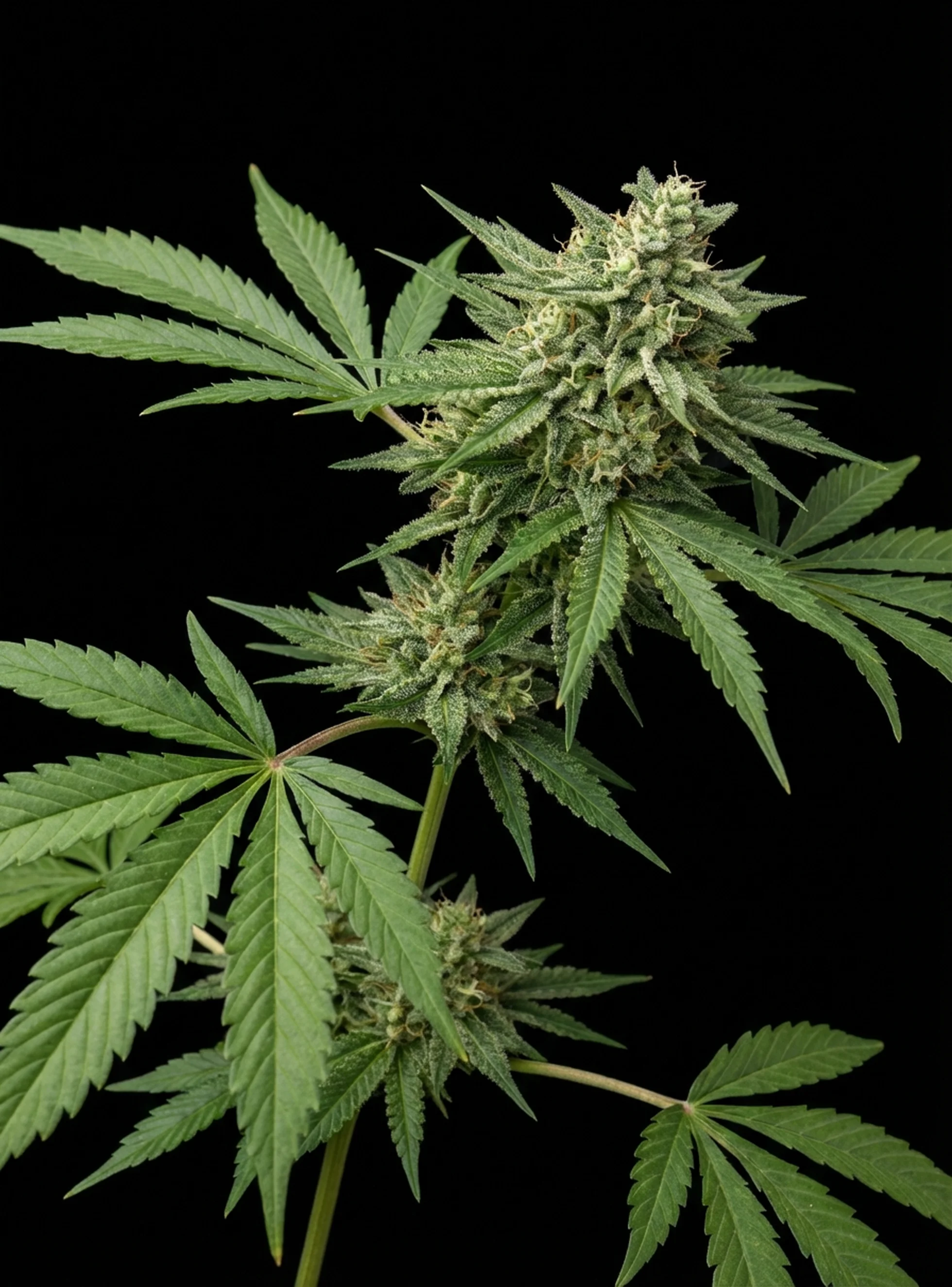

DMT is an endogenous tryptamine found across the plant and animal kingdoms, producing one of the most intense and short-lived psychedelic states known, often described as a journey to another dimension.
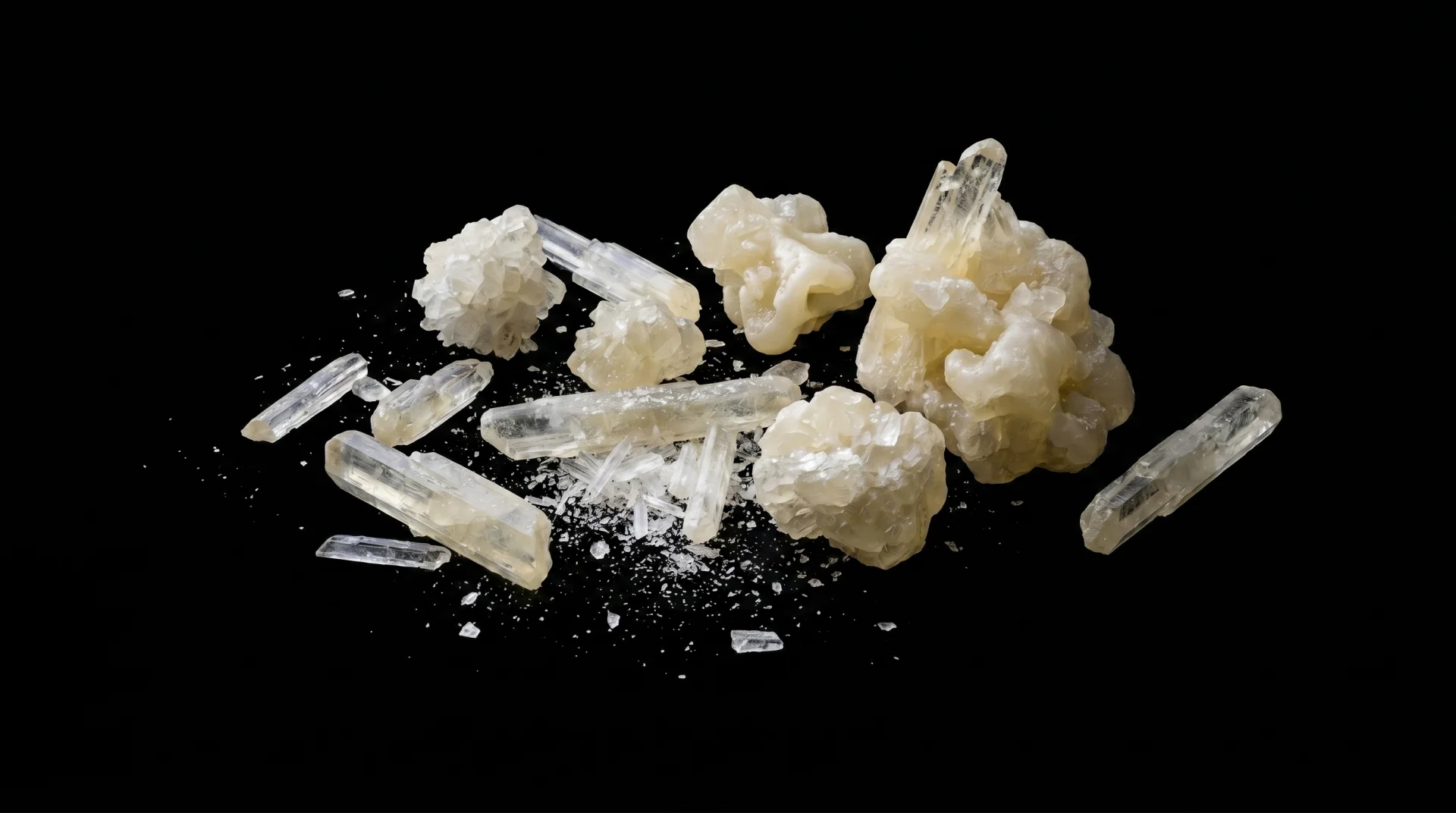
DMT is an endogenous tryptamine found across the plant and animal kingdoms, producing one of the most intense and short-lived psychedelic states known, often described as a journey to another dimension.
DMT
Fact file
- Type
- Synthetic compound
- Botanical name
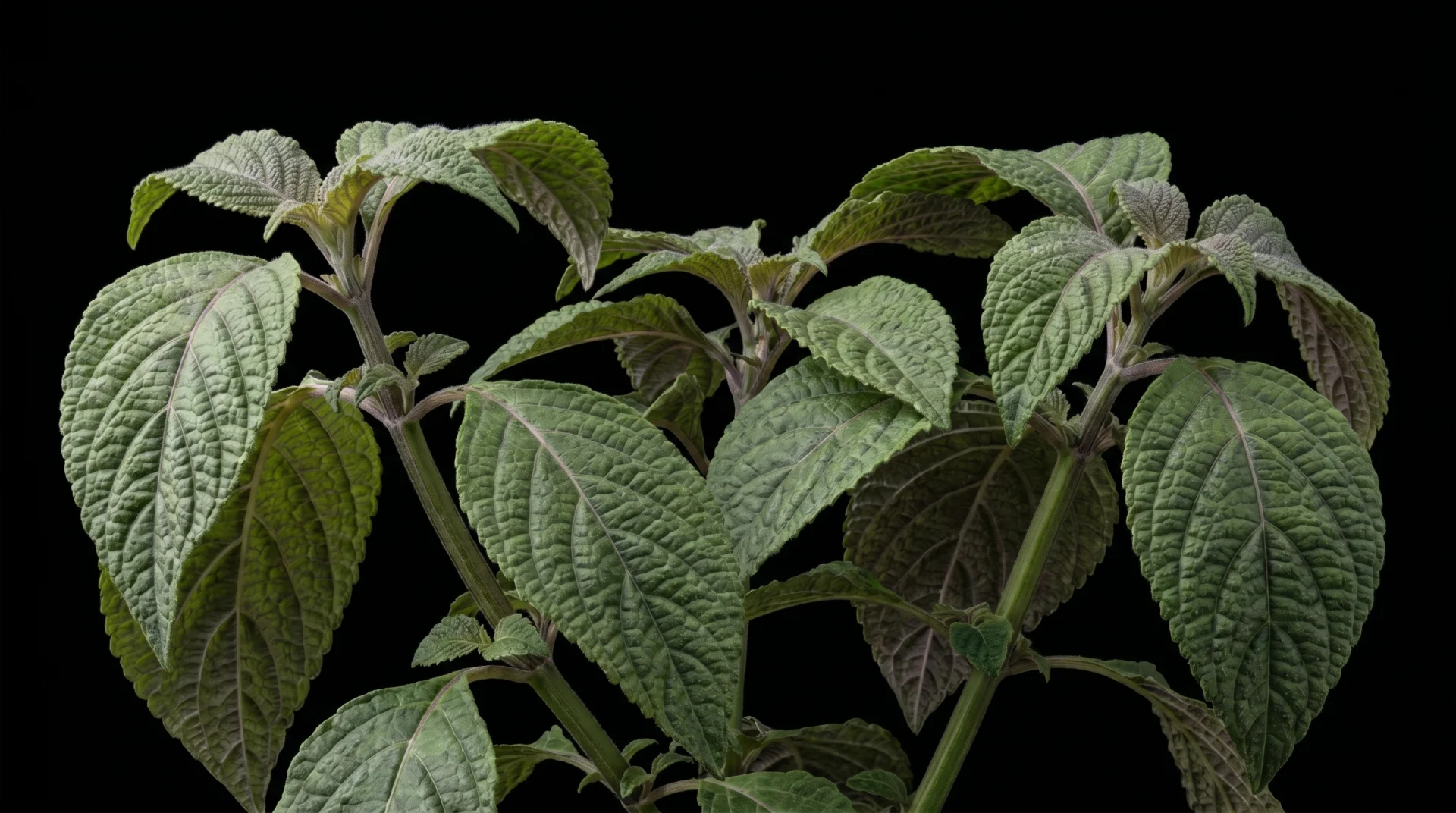
- Psychotria viridis
- Other names
- Spirit molecule, The businessman's trip, Dimitri
- Origin
- Amazon Basin (as plant compounds)
- Duration
- 5-20 minutes (smoked)
- Strength
- Intense
- Legal status
- Illegal in 8 of 12 listed jurisdictions, and varies elsewhere
What is DMT?
Somewhere in the Amazon basin, centuries before Western chemistry had a name for it, people learned to combine two plants that, taken alone, do nothing remarkable. Together, they open a door that lasts four hours and rearranges the furniture of the mind. In a laboratory in Toronto in 1931, a chemist synthesized the same molecule without knowing what it could do. It sat on a shelf for decades, waiting.
DMT is a compound that exists on both sides of a strange line: it is found in over fifty plant species, possibly in trace amounts in the human body, and can be produced in a flask. Its effects, when inhaled, arrive within seconds, peak in minutes, and resolve in less than half an hour. In that compressed window, people report encounters so vivid, so structurally alien, that the usual vocabulary of altered states often fails. The geometry folds. Presences appear. Time stretches until it loses its shape entirely.
What makes DMT unusual is not just its intensity (which is considerable) but its brevity, and the questions it leaves behind. It is one of the fastest-acting and shortest-lived of the classical psychedelics, and yet the experiences it produces tend to linger far longer than the chemistry would suggest.
Identity
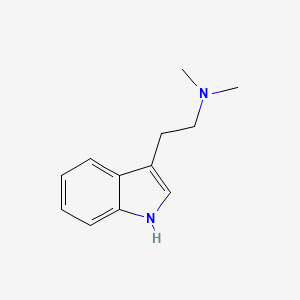
N,N-Dimethyltryptamine (DMT) is an indole alkaloid belonging to the substituted tryptamine family. Its molecular formula is C₁₂H₁₆N₂, with a molecular weight of 188.27 g/mol. The compound is structurally close to serotonin, differing primarily in the dimethyl substitution on the terminal amine.
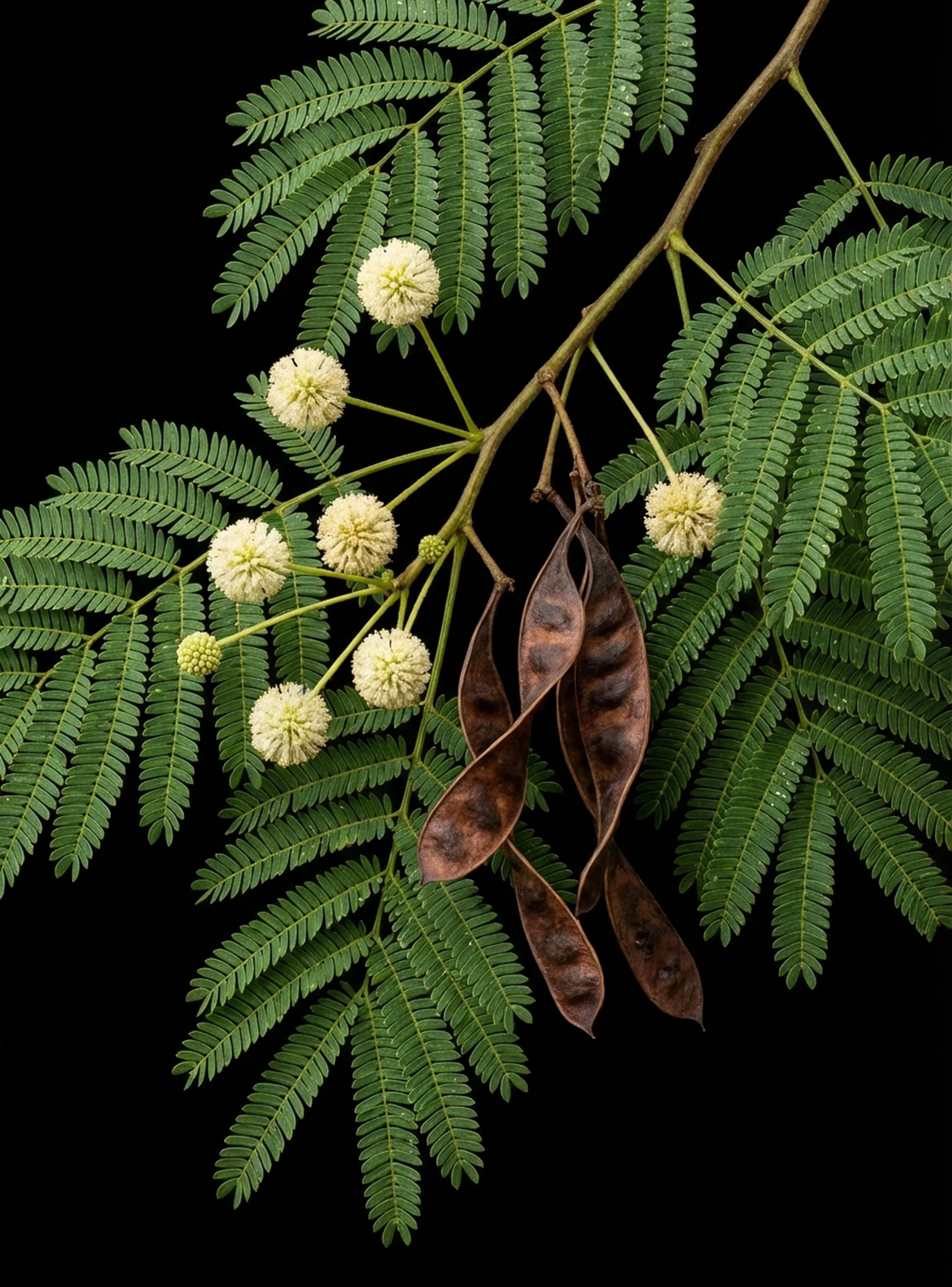
DMT occupies an unusual dual classification: it is both a naturally occurring compound, found in over fifty plant species (including Psychotria viridis, Anadenanthera peregrina, and several Acacia species), and a synthetic one, first prepared in a laboratory in 1931. Both forms are chemically identical. Trace amounts have been detected in mammalian tissues, including human samples, though the significance of this remains debated.
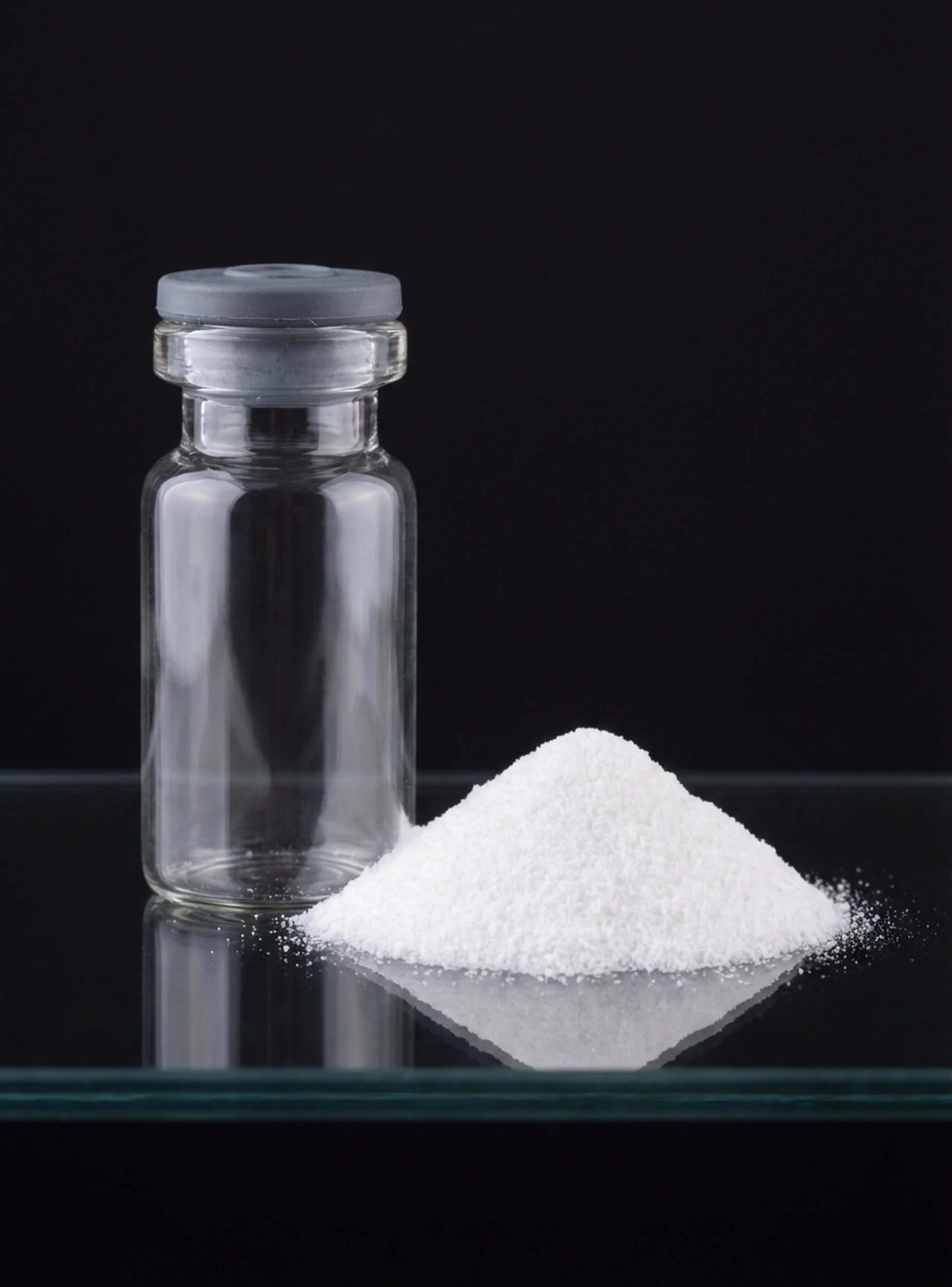
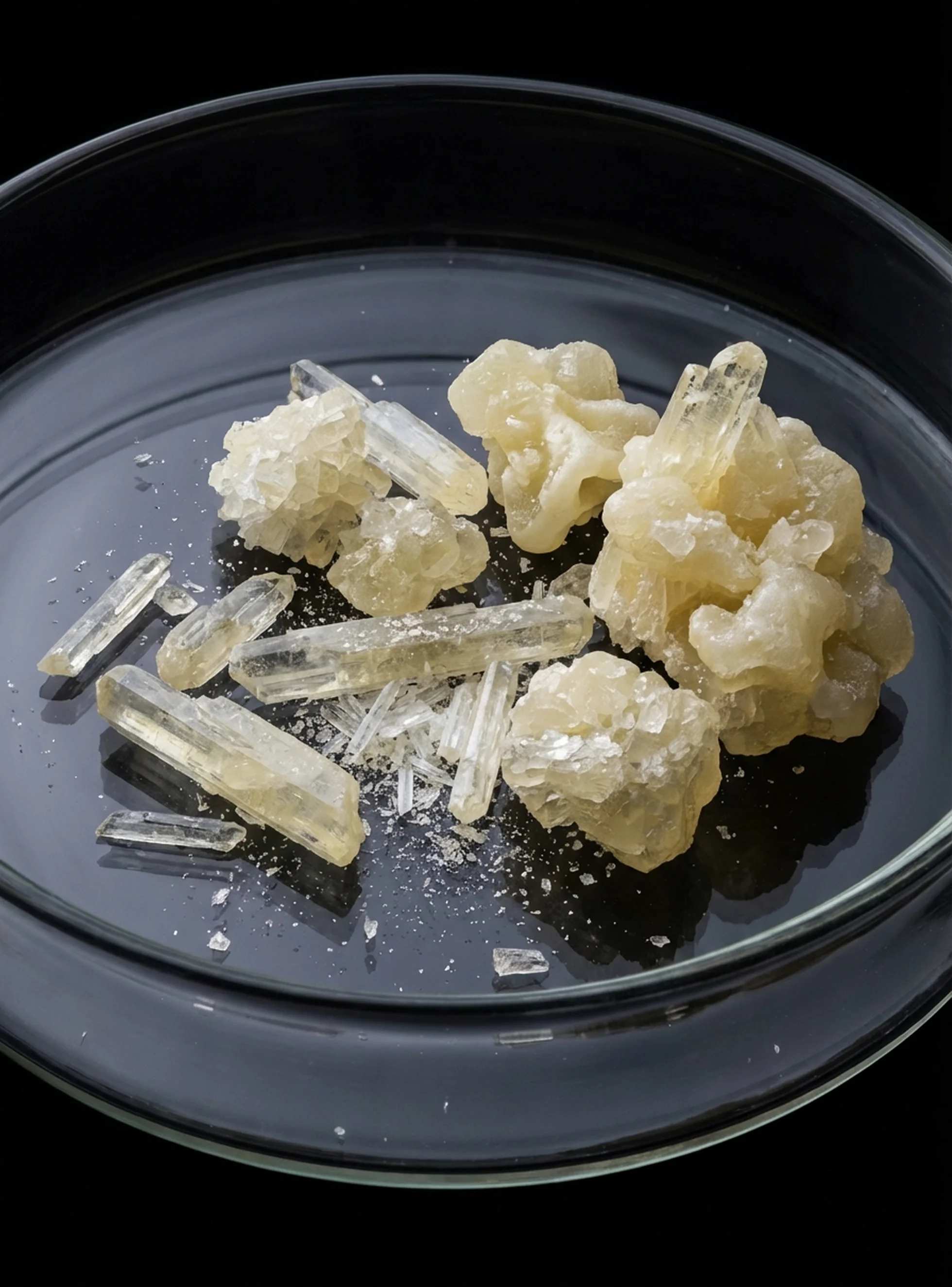
In its freebase form, DMT appears as a white to yellowish crystalline solid with a characteristic bitter, metallic taste. It is poorly soluble in water but dissolves readily in organic solvents. Among classical psychedelics, DMT is distinguished by its rapid onset (seconds when inhaled), short duration (15 to 20 minutes), and steep intensity curve. It is most commonly encountered as freebase crystals, as a component of the ayahuasca brew, or as yopo snuff prepared from Anadenanthera seeds.
Strength and duration
Intensity profile
Duration
Aftereffects: ** Residual perceptual shifts, emotional processing; users often silent or verbally processing. **20–60 min:** Clarity returns; sense of profundity and difficulty articulating experience; possible residual perceptual trails or color shifts. **60–120 min:** Full cognitive baseline; emotional/philosophical processing may continue. **24+ hours:** Psychological integration; lasting changes in perspective reported by most users; emotional/existential processing common. |
Molecular structure
Chemistry
DMT's core structure is an indole ring system, the same bicyclic aromatic scaffold found in serotonin and tryptophan, with an ethylamine side chain bearing two methyl groups at the nitrogen. The compound has no chiral centers, making it achiral.
Primary mechanism. DMT acts primarily as a partial agonist at the serotonin 5-HT2A receptor, with a binding affinity (Ki) of approximately 54 nM. This receptor, concentrated in cortical layers II and III, drives the characteristic psychedelic phenomenology: visual phenomena, synesthesia, and the dissolution of ordinary self-boundaries. When DMT activates 5-HT2A, it stimulates excitatory glutamatergic neurons that disrupt thalamic gating, the brain's filtering system for sensory input. The result is a flood of sensory data reaching the cortex without the usual editorial process.
Secondary targets. DMT also binds to several other serotonin receptor subtypes (5-HT1A, 5-HT2C, 5-HT7) and to the sigma-1 receptor with high affinity (Ki approximately 40 nM). The sigma-1 receptor has shown neuroprotective effects in laboratory studies, though its role in subjective effects remains speculative. TAAR1 is another emerging target, with potential involvement in visual processing.
Network effects. Like other classical psychedelics, DMT reduces activity in the Default Mode Network (DMN), the brain's resting-state system associated with self-referential thought. Simultaneously, it increases communication between regions that normally operate in isolation. The visual cortex begins talking to the prefrontal cortex in ways it ordinarily does not. This combination of reduced self-narration and expanded cross-talk may underlie both the perceptual intensity and the sense of boundary dissolution that people report.
Metabolism. DMT is rapidly broken down by monoamine oxidase A (MAO-A) in the liver and gut wall, which is why oral DMT alone has very low bioavailability (around 10%). Combined with MAO inhibitors, as in ayahuasca, oral bioavailability rises substantially. The plasma half-life is estimated at only 1 to 3 minutes. All known metabolites are pharmacologically inactive.
Open questions. Whether the body produces DMT endogenously in meaningful quantities remains debated. Trace amounts have been detected in human cerebrospinal fluid and urine, but no confirmed synthesis pathway or functional role has been established.

Methods of Encounter
DMT reaches people through several distinct routes, and the route shapes the experience as much as the compound itself.
Inhaled (freebase vapor). The most common form outside traditional contexts. Freebase crystals are vaporized and inhaled, producing effects within seconds. The onset is nearly instantaneous, the peak arrives in 1 to 3 minutes, and most effects resolve within 15 to 20 minutes. This route tends to produce the most visually intense experiences, often described as rapid immersion into entirely unfamiliar perceptual territory.
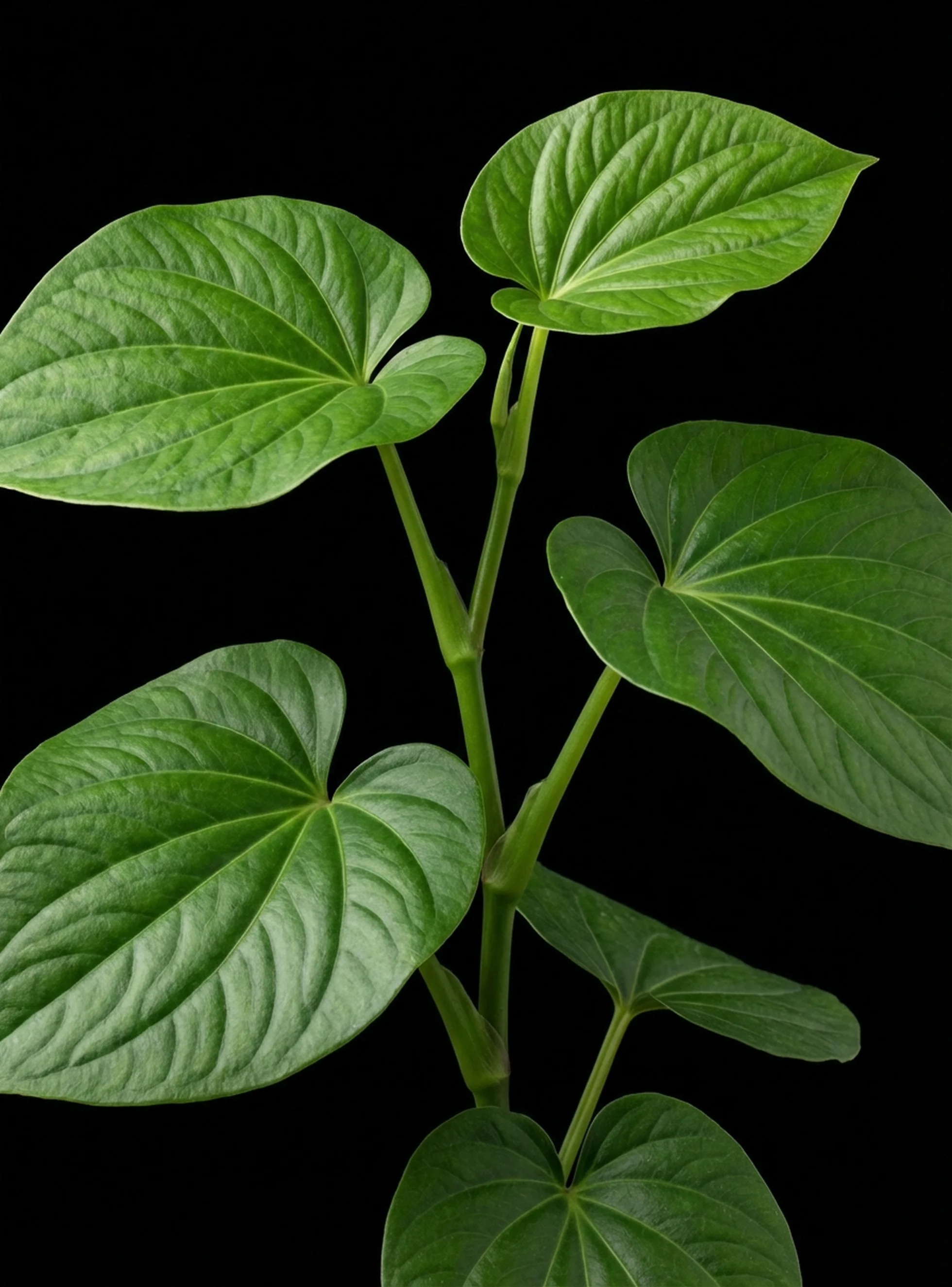
Oral, with MAO inhibitor (ayahuasca and analogues). In traditional Amazonian practice, DMT-containing plants (typically Psychotria viridis) are combined with Banisteriopsis caapi, a vine containing beta-carboline MAO inhibitors. Without the MAO inhibitor, gut enzymes destroy DMT before it reaches the brain. With it, onset stretches to 30 to 120 minutes, and the experience lasts 4 to 6 hours. The emotional and introspective dimensions tend to become more prominent, while visuals are often less overwhelming. Nausea and vomiting are common, and in traditional contexts this purging is integrated into the ceremony.
Insufflated (nasal). Ground seeds of Anadenanthera peregrina (yopo) have been used as a nasal snuff in Venezuelan and Brazilian traditions for centuries. Onset is faster than oral but slower than inhaled, with effects lasting roughly 10 to 20 minutes.
Intravenous (clinical research only). Used in controlled research settings, this route produces the fastest onset and precise control. It has been central to studies at the University of New Mexico and Imperial College London.
Each route carries its own risk profile. Inhaled DMT involves variable purity and potential solvent residues. Oral preparations carry the risk of MAO inhibitor interactions, particularly for people taking serotonergic medications. Reagent tests can confirm the presence of an indole compound but cannot distinguish DMT from closely related molecules like 5-MeO-DMT.

Origin & History
Long before a Western chemist gave it a name, DMT was already at work in the cultures of the Amazon basin. Quechua, Shipibo, and Tukano peoples, among others, developed the ayahuasca brew, a preparation that combines a DMT-containing plant with a monoamine oxidase inhibitor to make the compound orally active. This represents a remarkable piece of applied pharmacology: out of tens of thousands of plant species in the rainforest, these communities identified and paired two that, together, produce an effect neither achieves alone. How this knowledge was arrived at, whether through systematic experimentation over centuries or other means, remains an open and genuinely interesting question.
In the Orinoco region, the Piaroa and Yanomami peoples used yopo, a snuff prepared from Anadenanthera peregrina seeds, for shamanic divination. In northeastern Brazil, Mimosa tenuiflora root bark found its way into ritual brews connected to both Indigenous and Afro-Brazilian traditions, though colonial suppression disrupted much of this practice.
The Western story of DMT begins in 1931, when Richard Manske, a chemist at the University of Toronto, synthesized the compound as part of routine tryptamine chemistry research. He had no idea it was psychoactive. That discovery would wait another 25 years. The compound sat in the chemical literature, a footnote without a context.
In the 1950s and 1960s, phytochemists began identifying DMT in the plants that Indigenous peoples had used for centuries, giving a molecular name to practices that already had deep cultural roots. Then, in 1990, psychiatrist Rick Strassman at the University of New Mexico conducted the first FDA-approved human study of intravenous DMT, administering it to 60 volunteers under controlled conditions. His research produced the first systematic characterization of DMT's effects in a clinical setting: the rapid onset, the entity encounters reported by over half the participants, the steep intensity, and the absence of serious adverse events. Strassman's subsequent book, DMT: The Spirit Molecule (2001), brought the compound to popular attention.
The 2000s saw the rise of ayahuasca tourism, particularly in Peru and Ecuador, where hundreds of retreat centers now serve a largely Western clientele. Simultaneously, institutions like Imperial College London and Johns Hopkins University began neuroimaging studies, positioning DMT as a tool for investigating consciousness itself. The compound now lives in two worlds at once: the ceremonial and the clinical, the ancient and the emerging.

Effects
DMT's effects arrive with a speed and intensity that distinguishes it from every other classical psychedelic. With the inhaled route, the transition from ordinary consciousness to peak experience can happen in under a minute. What follows is often described not as an alteration of reality but as a replacement of it.
Perceptual (intensity: 9.5/10). The visual dimension is where DMT registers most powerfully. At lower intensities, colors sharpen and surfaces breathe with geometric patterns. At higher intensities, the visual field may reorganize entirely. People often report immersion in complex three-dimensional spaces, sometimes architectural, sometimes organic, frequently both. Colors can feel more saturated than anything encountered in ordinary life. Synesthesia is commonly reported. Auditory perception also shifts: humming, buzzing, or whirring sounds are frequently described, sometimes accompanied by the sense of linguistic communication from an unclear source.
Emotional (intensity: 9/10). Awe is the most commonly reported feeling, often so intense it borders on overwhelm. Many people describe a simultaneous sense of profound beauty and total alienness. In Strassman's clinical research, 50 to 70 percent of participants reported encounters with apparent non-human presences or entities, experiences that carried powerful emotional weight regardless of later interpretation. Fear at onset is also common, often giving way to acceptance or wonder as the experience unfolds. Difficult emotional content, including confrontation with mortality or existential uncertainty, is not uncommon and should not be minimized.
Cognitive (intensity: 8/10). Thinking during the peak often ceases to follow linear patterns. People report rapid ideation alternating with complete thought-stopping. A recurring theme is the sense of understanding complex information instantaneously, paired with difficulty translating that understanding into language afterward. This "ineffability paradox" is reported by a large majority of people who encounter DMT at significant intensity. With the oral route, cognitive flow tends to be more sustained, allowing for more continuous introspection.
Somatic (intensity: 7/10). The body dimension, while less dominant than the perceptual or emotional, is distinctly present. Onset often brings tingling or vibration, sometimes traveling from the extremities inward. Temperature shifts and muscle tension are common. At peak intensity, the sense of the body's boundaries may dissolve, making it difficult to locate where one's physical form begins and ends. With the oral route, nausea and vomiting are expected rather than exceptional, affecting the majority of people. In traditional ayahuasca contexts, this purging is understood as an integral part of the process, not a side effect.
The duration data already in the database (onset 1 to 3 minutes, peak 3 to 8 minutes, total 15 to 20 minutes for the inhaled route) captures the timeline but not the subjective experience of time itself. Time dilation is extreme. A 15-minute session may feel like hours, or like time has stopped having meaning altogether. The composite intensity score of 8/10 reflects a substance that, despite its brevity, produces some of the most intense altered states reported in the psychedelic literature.
A note before reading
Each experience is different. What you may notice depends on dose, setting, and the body and mind you bring to it.
What people often notice
Emotional spectrum
Visual
Imagery can become vivid and immersive, often with rich geometry, color depth, and scenes that feel layered onto the room.
Cognitive
Rapid pattern recognition is common, with frames and assumptions dissolving and reforming in quick succession.

Risks & Limits
DMT has shown a favorable safety profile in clinical research. In Strassman's study of 60 participants receiving intravenous DMT, no serious adverse events requiring emergency intervention were reported, and long-term follow-up revealed no lasting psychiatric harm. No deaths have been documented from DMT toxicity alone. That said, safety in a controlled clinical environment and safety in uncontrolled settings are different things.
Psychological risks. The most common acute risk is panic, reported in roughly 40 percent of clinical participants as transient anxiety during onset. In unprepared individuals or unsupportive settings, this can escalate. The speed and intensity of the experience, particularly the rapid dissolution of familiar self-boundaries, can be genuinely frightening. A small percentage of people (estimated under 5 percent) report lingering depersonalization or derealization lasting hours to days after use, though this typically resolves without intervention. More broadly, around half of those who encounter DMT at significant intensity report some degree of worldview shift afterward, which can range from quietly meaningful to deeply disorienting.
People with a personal or family history of psychotic disorders (schizophrenia, bipolar I with psychosis) face elevated risk. The current understanding is that DMT does not cause psychosis in psychologically healthy individuals but may precipitate latent vulnerability in those predisposed.
Physiological risks. Clinical data shows modest, transient increases in blood pressure during DMT administration. For individuals with uncontrolled hypertension or significant heart disease, this warrants caution. Respiratory irritation is a concern with the inhaled route, though no unique respiratory damage has been documented.
Drug interactions. The most significant interaction risk involves MAO inhibitors. The oral ayahuasca route inherently involves MAO inhibition, which dramatically increases the risk of serotonin syndrome if combined with other serotonergic medications (SSRIs, SNRIs, tramadol, St. John's Wort). This is not a theoretical concern; it is a pharmacological certainty that requires careful attention.
Purity and identification. Outside clinical settings, the substance may contain residual solvents, plant material, or closely related compounds like 5-MeO-DMT. Standard reagent tests cannot distinguish between these compounds. Only laboratory analysis provides reliable identification.
Tolerance. Rapid tolerance develops with repeated use, and cross-tolerance exists with other 5-HT2A agonists including psilocybin, LSD, and mescaline.
Set, setting, and support. The brevity of inhaled DMT does not reduce the importance of preparation, environment, and a trusted, sober companion. The intensity compresses a great deal of psychological material into a very short window, and the conditions surrounding that window matter.

Integration
The DMT experience, particularly when inhaled, ends quickly. The work of understanding it does not.
Integration is less a technique than a practice of attention. It begins with the simplest things: rest, quiet, the company of someone who will not demand explanations before you have them. Many people find that the first hours after a significant DMT encounter are best spent in stillness, allowing the residue of the experience to settle before trying to organize it into language.
Journaling and reflection. Writing, drawing, or recording impressions while they are still fresh can be valuable, though some people find that the attempt feels reductive. There is no rush. The details that matter tend to persist. Returning to notes days or weeks later often reveals patterns that were invisible in the moment.
Conversation and community. Talking with others who have familiarity with these states can help, not because they can interpret your experience for you, but because they can normalize the strangeness of it. Integration circles offer a space where the unusual does not need to be defended or explained away. For those who encountered difficult material, a therapist experienced with psychedelic states can provide meaningful support.
Time and patience. One of the most common integration challenges with DMT is the sense that something profoundly important was understood and then immediately forgotten. This is not a failure of memory. It may simply be that some experiences resist translation into the frameworks of ordinary cognition. Sitting with that gap, rather than trying to force it closed, is itself a form of integration.
A note on caution. The intensity of DMT can produce a strong impulse toward immediate life changes: quitting a job, ending a relationship, adopting a new worldview. These impulses deserve time, not urgency. The insights that prove most durable tend to be the ones that still feel true weeks later, after the novelty has settled and the ordinary world has reasserted itself.
Integration is not a checkbox on a to-do list. It is an ongoing conversation between the experience and the life that surrounds it.
Ethics & Ecology
DMT exists at the intersection of ancient practice and modern demand, and the ethical questions surrounding it are not simple.
Cultural origins and appropriation. The ayahuasca tradition belongs to Indigenous Amazonian peoples, Quechua, Shipibo, Tukano, and others, who developed these practices over centuries within specific cultural and ecological contexts. The transformation of this knowledge into a global tourism industry (estimated at $40 to $100 million annually in Peru alone) raises genuine questions about who benefits. Most economic returns flow to non-Indigenous operators, while traditional knowledge holders receive comparatively little. Engaging with these traditions carries a responsibility to support, rather than extract from, the communities that created them.
Ecological considerations. High demand for Psychotria viridis, Banisteriopsis caapi, and other DMT-containing plants has raised sustainability concerns. While ayahuasca harvesting is a small fraction of total Amazonian deforestation, overharvesting of specific species is a real risk in high-tourism areas. Some retreat centers now cultivate plants locally. Synthetic production avoids ecological pressure on plant populations, though it introduces its own environmental footprint.
Legal context. DMT is classified as a controlled substance in most Western jurisdictions. In Brazil, Peru, and Colombia, ayahuasca use holds cultural or religious exemptions. The legal statuses already recorded in the database reflect a global landscape where the same compound can mean a felony in one country and a protected cultural practice in another. Legality and morality are not the same question, but the legal reality shapes who can access these experiences safely and who faces significant risk for doing so.
Commercialization. If DMT moves toward therapeutic approval, the tension between access and profit will sharpen. Patent landscapes, wealth-gated clinical programs, and the potential exclusion of marginalized communities from benefits built partly on Indigenous knowledge are concerns the psychedelic field is only beginning to address.
Misconceptions
DMT is produced in large amounts by the pineal gland.
Trace amounts of DMT have been detected in mammalian tissue, but no confirmed synthesis pathway in the pineal gland has been established. The "spirit molecule" hypothesis, popularized by Rick Strassman, is compelling but remains speculative. Elegance is not evidence.
DMT is completely safe because it's natural.
DMT does have a favorable safety profile in clinical settings, but that finding comes from controlled research, not from its presence in plants. Many natural compounds are highly toxic. DMT's relative safety is an empirical observation, not a logical consequence of its natural origins.
DMT is released when you die, explaining near-death experiences.
There is no evidence for a surge of endogenous DMT at the moment of death. While some phenomenological similarities exist between DMT experiences and near-death accounts, no controlled comparison has been conducted. The DMT-death connection remains an untested hypothesis.
A 'breakthrough' is a binary event that you either achieve or miss.
The DMT experience exists on a continuous spectrum. The term "breakthrough" is user-defined and has no standardized meaning in clinical literature. Most people who encounter DMT at significant intensity report some degree of the phenomena commonly associated with that word.
Underground use is just as safe as clinical research.
While well-prepared informal settings can reduce risk considerably, the differences are real: medical monitoring, psychiatric screening, verified purity, and structured integration support all contribute to the lower risk profile observed in research settings.
FAQ

Reflection
There is something unsettling about a compound that can, in a matter of seconds, dismantle the perceptual world a person has spent their entire life constructing, and then hand it back, mostly intact, fifteen minutes later.
DMT does not offer conclusions. It does not arrive with a lesson plan. What it does, by most accounts, is present consciousness with something it cannot easily assimilate: an experience so far outside the ordinary that the usual tools of interpretation, memory, language, and narrative, struggle to hold it.
Perhaps the most honest thing that can be said about DMT is that it raises questions the answers to which may not be linguistic at all. Whether the entities people report encountering are neural artifacts, psychological projections, or something else entirely is a question that science has not yet resolved, and may not be the right question to begin with.
What remains, after the chemistry has cleared and the world has reassembled itself, is a quiet recognition: that consciousness is stranger and more flexible than ordinary experience would suggest, and that there are doorways within it that most people never know are there.
Sources
Clinical Research
- ●Strassman, R. J., Qualls, C. R., Uhlenhuth, E. H., & Kellner, R. (1994). Dose-response study of N,N-dimethyltryptamine in humans. Archives of General Psychiatry, 51(2), 85-97.
- ●Strassman, R. J., Qualls, C. R., Uhlenhuth, E. H., & Kellner, R. (1994). Dose-response study of N,N-dimethyltryptamine in humans. II. Subjective effects and preliminary results of a new rating scale. Journal of Psychopharmacology, 8(1), 20-27.
- ●Carhart-Harris, R. L., et al. (2014). The entropic brain: A theory of conscious states informed by neuroimaging research with psychedelic drugs. Frontiers in Human Neuroscience, 8, 20.
- ●Carhart-Harris, R. L., et al. (2011). Neural correlates of the psychedelic state as determined by fMRI studies with psilocybin. PNAS, 109(6), 2138-2143.
- ●Roseman, L., Nutt, D. J., & Carhart-Harris, R. L. (2018). Quality of acute psychedelic experience predicts therapeutic efficacy of psilocybin for treatment-resistant depression. Frontiers in Pharmacology, 8, 974.
Pharmacology and Neuroscience
- ●Vollenweider, F. X., & Kometer, M. (2010). The neurobiology of psychedelic drugs: Implications for the treatment of mood disorders. Nature Reviews Neuroscience, 11(9), 642-651.
- ●Glennon, R. A., Titeler, M., & McKenney, J. D. (1984). Evidence for 5-HT1a involvement in the mechanism of action of hallucinogenic agents. Life Sciences, 35(25), 2505-2511.
- ●Su, T. P., Hayashi, T., Maurice, T., Buch, S., & Rudy, T. A. (2010). The sigma-1 receptor as a pluripotent modulator in living systems. Trends in Pharmacological Sciences, 31(12), 557-566.
- ●Shen, H. W., Jiang, X. L., Winter, J. C., & Yu, A. M. (2010). Psychedelic 5-methoxy-N,N-dimethyltryptamine: Metabolism, pharmacokinetics, drug interactions, and toxicity. Journal of Clinical Psychopharmacology, 30(2), 141-153.
- ●Szara, S. (1956). Dimethyltryptamine: Its metabolism in man; the relation to schizophrenia and an analysis of its psychotomimetic properties. Psychopharmacologia, 1(1), 1-10.
Ethnobotany and Traditional Knowledge
- ●McKenna, D. J., Towers, G. H., & Abbott, F. S. (1984). Monoamine oxidase inhibitors in South American hallucinogenic plants. Journal of Ethnopharmacology, 10(2), 195-223.
- ●Ott, J. (1994). Ayahuasca Analogues: Pangaean Entheogens. Natural Products Co.
- ●Labate, B. C., & Cavnar, C. (Eds.). (2014). The Therapeutic Use of Ayahuasca. Springer.
- ●Manske, R. H. F. (1931). Synthesis in the indole series. Journal of the American Chemical Society, 53(4), 1106-1107.
- ●Erspamer, V. (1967). Occurrence of indole derivatives in nature. Progress in the Chemistry of Organic Natural Products, 16, 380-437.
Toxicology and Safety
- ●Gable, R. S. (2004). Comparison of acute lethal toxicity of commonly abused drugs. Addiction, 99(1), 86-96.
- ●Schenberg, E. E., et al. (2015). Acute bipolar II disorder and suicidality associated with ayahuasca. Journal of Clinical Psychopharmacology, 35(2), 212-214.
For how we evaluate sources and structure our claims, see the methodology.
States you may encounter
Altered states of consciousness commonly reported with this substance.
Visual geometry
Intricate, often symmetrical patterns that appear with closed or open eyes. Fractals, lattices, and spirals are commonly reported, sometimes evolving into more complex forms.
Entity contactcommon
The perception of encountering autonomous beings or presences during deep psychedelic states. These presences may communicate, teach, or simply observe.
Ego dissolution
A temporary loss of the boundary between self and world. The sense of being a separate individual fades or disappears, often described as merging with everything.