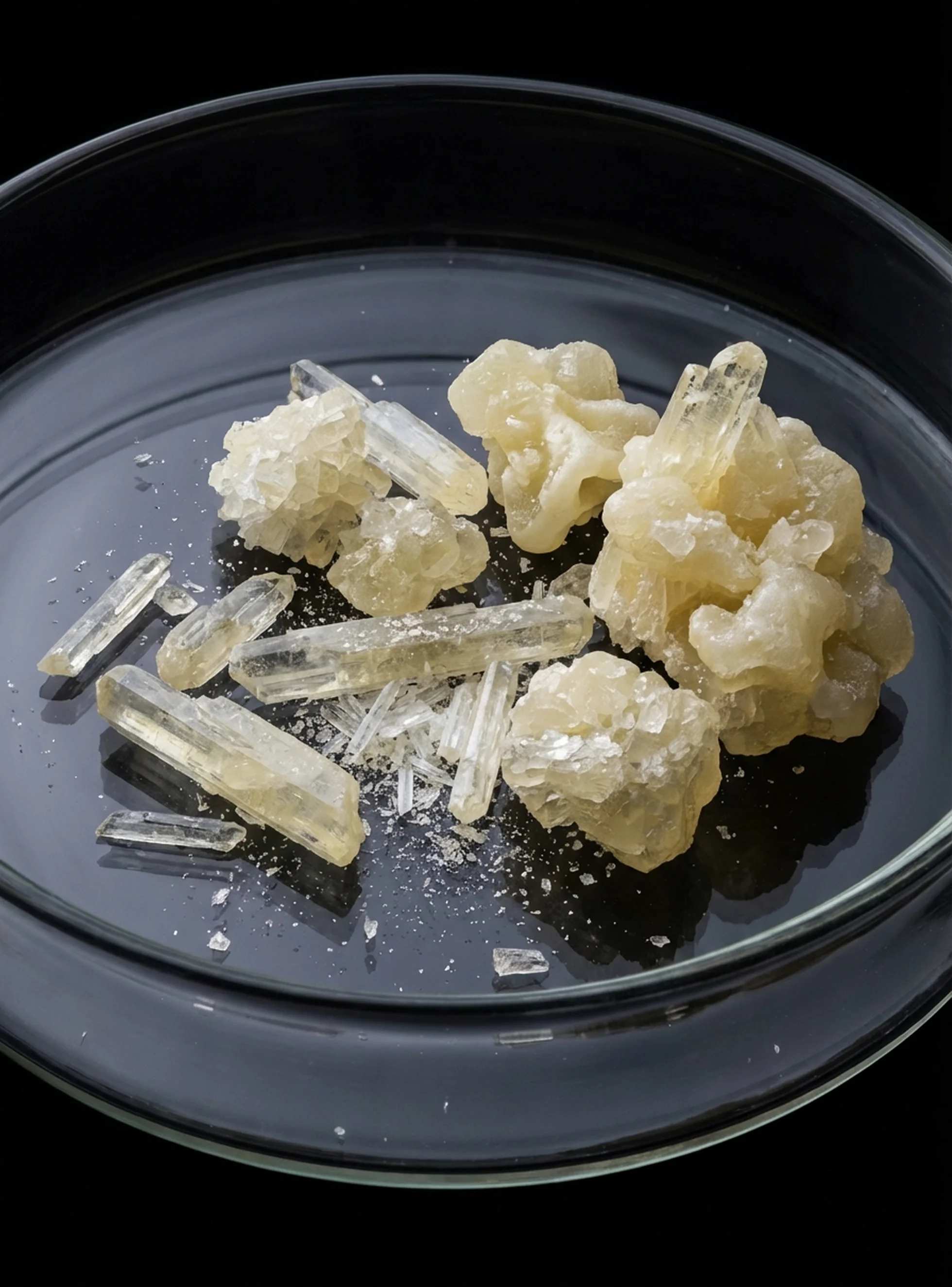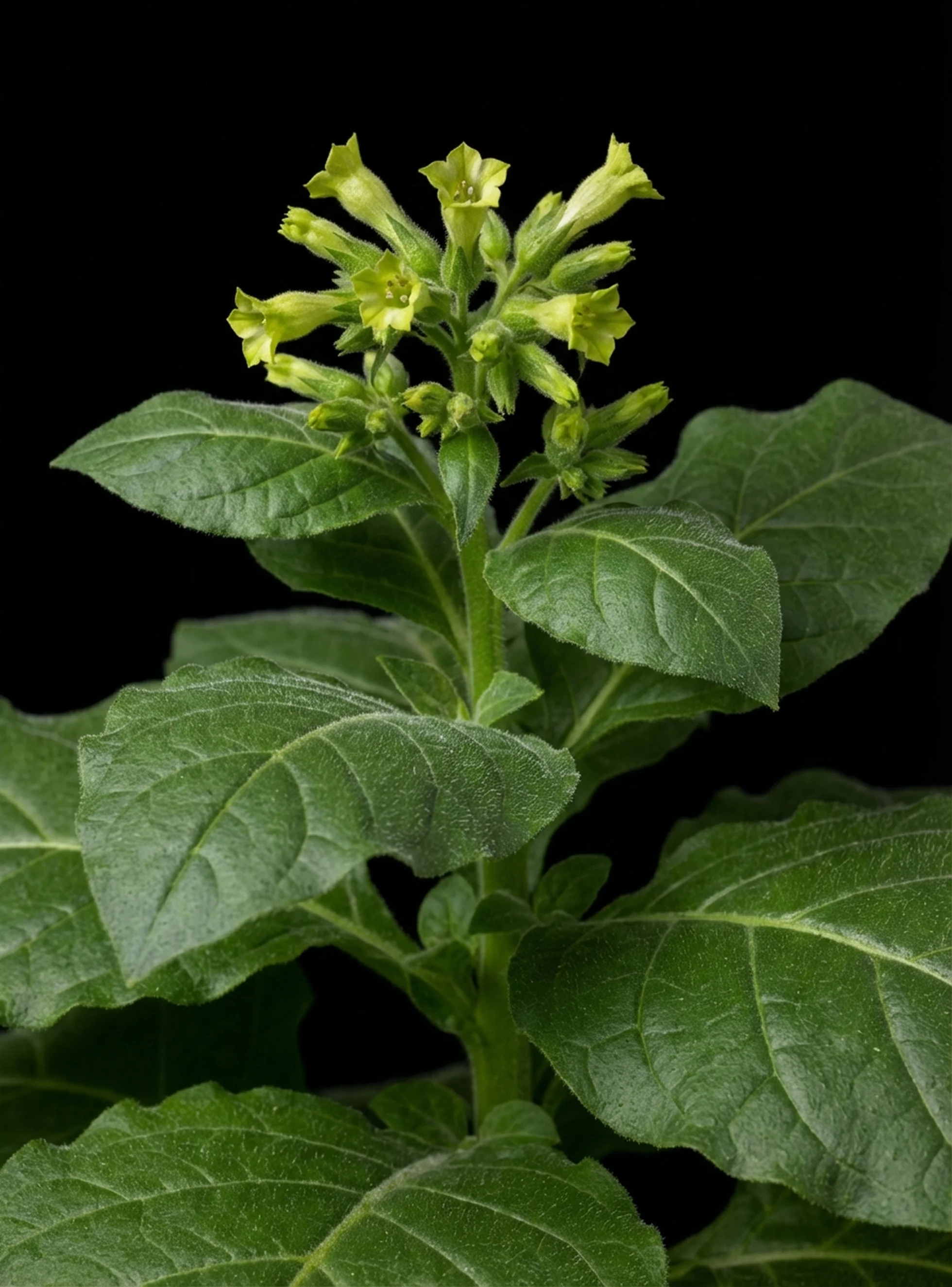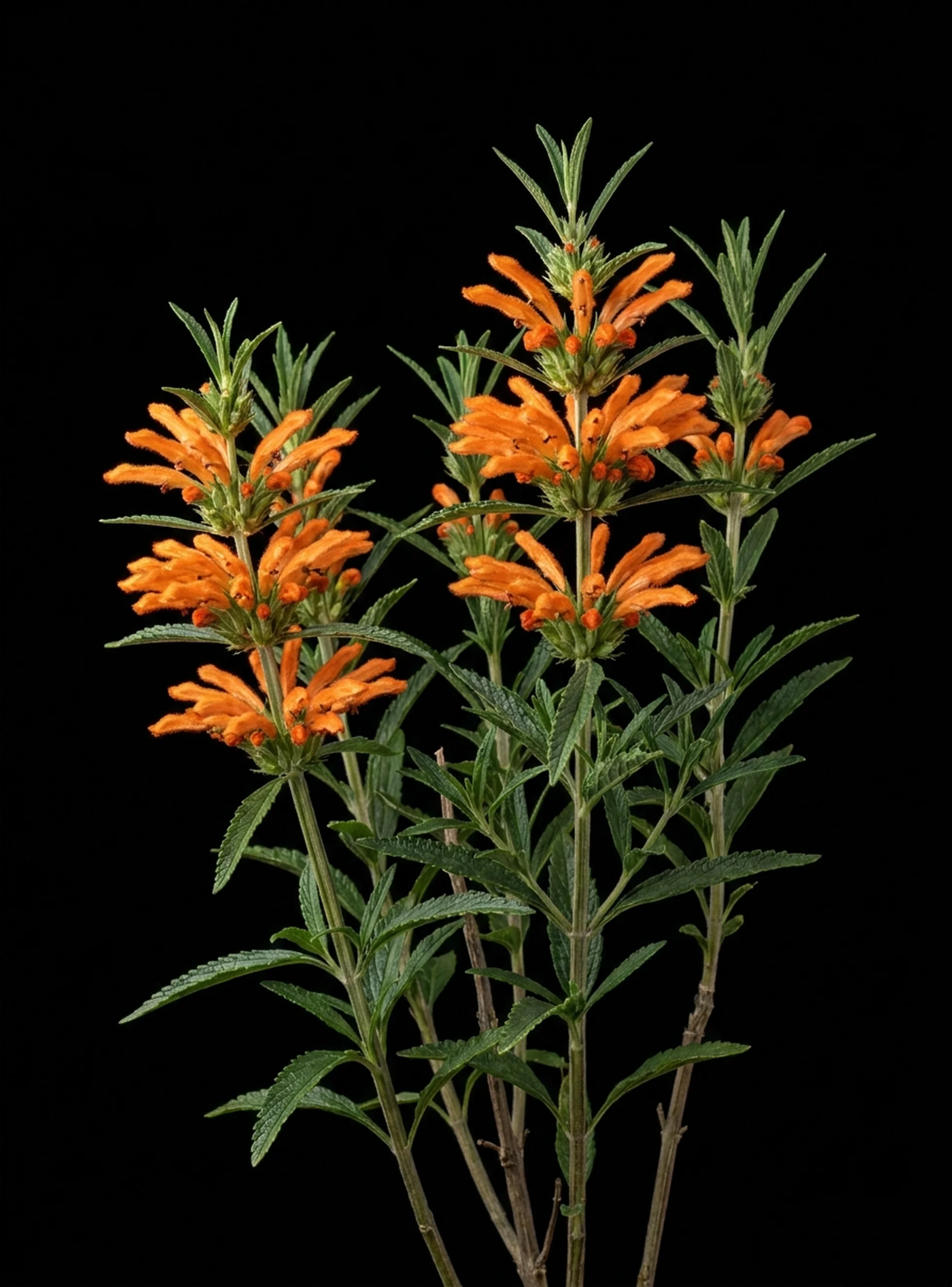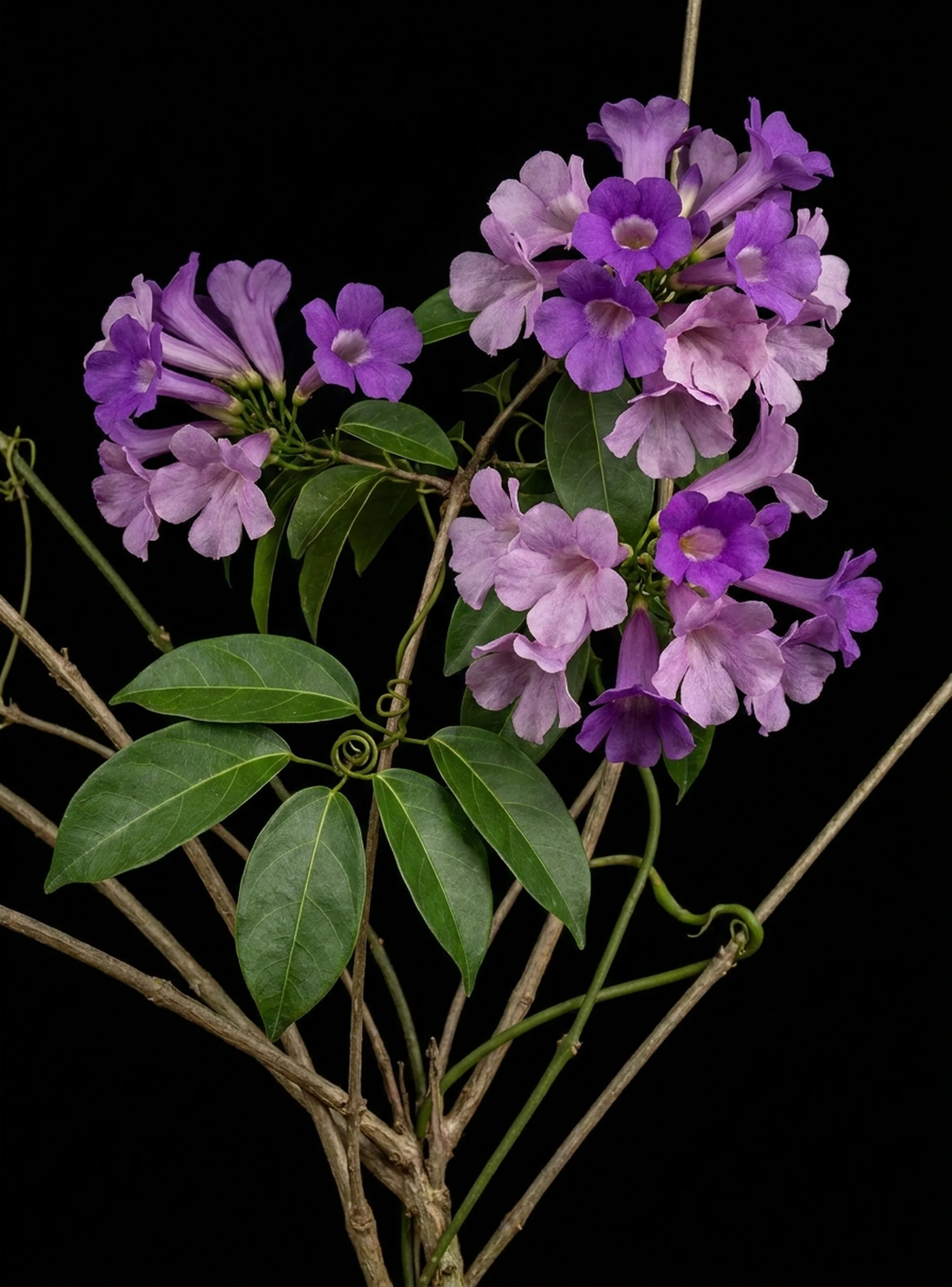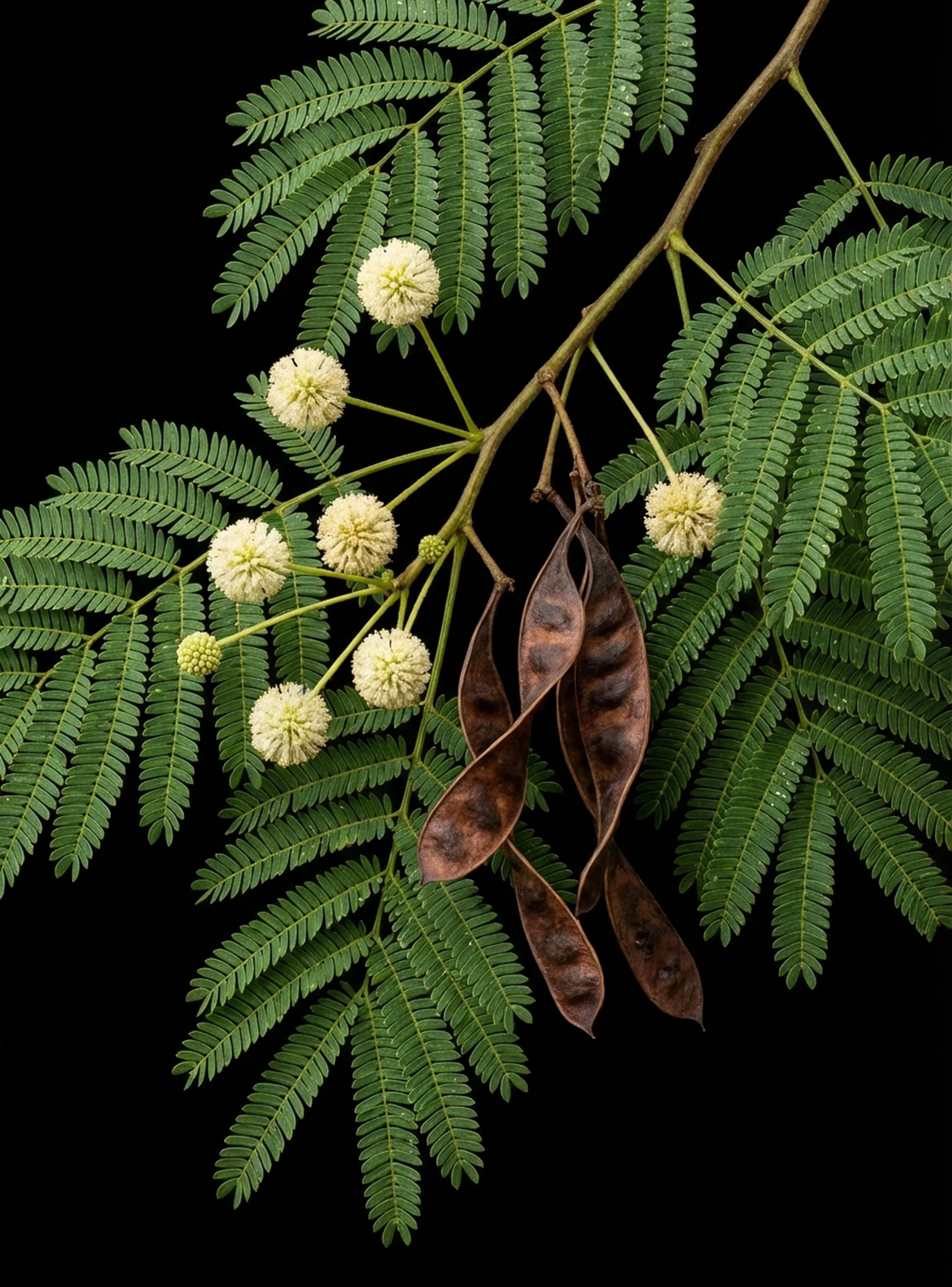

Yopo is a South American tree whose seeds are ground into a powerful DMT and bufotenine-containing snuff, used in ceremony across the Orinoco basin for centuries.

Yopo
Yopo is a South American tree whose seeds are ground into a powerful DMT and bufotenine-containing snuff, used in ceremony across the Orinoco basin for centuries.
Fact file
- Type
- Plant
- Botanical name
- Anadenanthera peregrina
- Other names
- Yopo, yopo snuff, yopo powder, epena
- Origin
- Orinoco Basin, South America
- Duration
- 1-2 hours
- Strength
- Intense
- Legal status
- Illegal in 29 of 32 listed jurisdictions, and varies elsewhere
What is Yopo?
In the forests along the Orinoco River, a tree drops flat, bead-like seeds into the undergrowth. For thousands of years, only certain people have known what those seeds can do. Ground to a fine powder, mixed with ash, and blown into the nose through a hollow bone or carved pipe, the preparation hits the bloodstream in under five minutes. What follows is brief, intense, and not easily described in ordinary language.
Yopo is among the fastest-acting and most physically demanding of the classical psychedelic preparations. The experience lasts roughly an hour, sometimes less, but its intensity often surpasses substances that take far longer to unfold. Where psilocybin builds slowly over an hour and holds for several more, yopo arrives all at once, like stepping through a door that opens directly onto the middle of the story. The body responds first: a racing heart, a rush of heat, a strange heaviness in the limbs. Then the rest follows.
What makes yopo distinct is not just what it does, but how it does it, and who has historically been permitted to encounter it. This is not a substance with a casual tradition. Among the Piaroa people of Venezuela, only trained shamans used it, and only within carefully structured ceremonies. The powder was understood as powerful and potentially dangerous, a tool that required preparation, skill, and respect. That context matters as much as the chemistry.
Identity
Yopo refers to a psychoactive snuff prepared from the seeds of Anadenanthera peregrina (L.) Speg., a medium-to-large tree in the Fabaceae (legume) family native to northern South America. Other common names include cohoba, vilca, cebil, epena, nopo, and parica, depending on the region and language.
The tree grows 20 to 30 meters tall, with bipinnate (doubly compound) leaves and dense clusters of pale yellow flowers. The pharmacologically relevant parts are the seeds, found in flat, slightly curved pods 7 to 20 centimeters long. Each pod holds 4 to 8 hard, round seeds, dark brown to tan, with a smooth, bead-like surface.
The primary active compound is 5-methoxy-N,N-dimethyltryptamine (5-MeO-DMT), an indole alkaloid in the substituted tryptamine class. Bufotenine (5-hydroxy-DMT) is present as a secondary alkaloid, with trace amounts of N,N-DMT. This places yopo in the broader family of tryptamine-containing psychedelics, alongside psilocybin mushrooms, ayahuasca, and smoked DMT, though its route of administration (intranasal snuff) and alkaloid profile give it a character quite different from its relatives.
Anadenanthera peregrina is sometimes confused with its close relative A. colubrina, which grows further south and has a different alkaloid ratio. The two species overlap in some ethnobotanical literature, and distinguishing them in older sources requires care.
Strength and duration
Intensity profile
Duration
Aftereffects: **
Chemistry
The seeds of Anadenanthera peregrina contain several indole alkaloids, but the primary driver of yopo's effects is 5-methoxy-N,N-dimethyltryptamine (5-MeO-DMT), present at 0.5 to 2% of seed dry weight. A secondary alkaloid, bufotenine (5-hydroxy-DMT), is present at lower concentrations (0.05 to 0.5%), with trace amounts of N,N-DMT.
5-MeO-DMT is a non-selective serotonin receptor agonist. It binds with particular affinity to the 5-HT1A receptor, which modulates mood, anxiety, and autonomic function, as well as the 5-HT1D, 1E, 1F, and 7A subtypes. It also engages sigma-1 receptors. The compound is structurally similar to serotonin itself but carries a methoxy group at the 5-position that increases its lipophilicity, allowing it to cross the blood-brain barrier rapidly and efficiently.
This lipophilicity, combined with direct absorption through the nasal mucosa, explains yopo's unusually fast onset. When administered as snuff, the alkaloids bypass the digestive system entirely. They pass across the vascular nasal tissue into the bloodstream and reach the brain within minutes. Peak plasma levels arrive in 5 to 15 minutes. By contrast, if taken orally without a monoamine oxidase inhibitor, 5-MeO-DMT is destroyed by MAO-A enzymes in the liver before it reaches the brain, rendering it inactive.
The elimination half-life is estimated at 15 to 30 minutes. The primary metabolic product, 5-methoxyindoleacetic acid, is pharmacologically inactive. This rapid metabolism accounts for the experience's short duration.
Bufotenine, the secondary alkaloid, is also a 5-HT1A agonist but with weaker affinity. Its contribution to the overall experience is not well characterized. Trace beta-carbolines detected in the seeds have potential MAO-inhibiting activity, but whether they are present in sufficient quantity to meaningfully affect the experience remains an open question.
No human neuroimaging studies of yopo or 5-MeO-DMT exist. What is known about the compound's effects on brain networks is inferred from studies of structurally related substances like psilocybin and N,N-DMT, which disrupt the default mode network and increase cross-communication between brain regions that ordinarily operate independently.

Methods of Encounter
The traditional and primary route is intranasal insufflation, the snuff itself. Seeds are roasted, ground to a fine powder, and often mixed with an alkaline substance (lime from snail shells or plant ash) to increase alkaloid absorption. The powder is then blown into the nostrils, either self-administered or delivered by a partner using a hollow bone or carved pipe. Onset occurs within 1 to 5 minutes, peak effects arrive at 10 to 25 minutes, and the total experience typically resolves in 45 to 60 minutes. The experience is sudden and physically demanding, with somatic effects often arriving before perceptual changes.
Among the Piaroa people of the Orinoco basin, yopo is used exclusively in shamanic contexts by trained practitioners. The setting is ceremonial, the purpose diagnostic or healing, and uninitiated use is traditionally prohibited. Other Indigenous groups in the Orinoco and Rio Negro regions have similar documented practices, though contemporary use has declined significantly due to colonial disruption, missionary activity, and disease.
Some ethnobotanical sources describe historical smoking of yopo seeds, which would produce a faster onset (1 to 3 minutes) and shorter total duration (20 to 40 minutes), with additional pulmonary irritation from combustion.
Oral ingestion without an MAO inhibitor is essentially inactive, as 5-MeO-DMT is rapidly metabolized in the liver. Some speculation exists about traditional combination with MAO-inhibiting plants, but documented evidence is limited.
In modern Western contexts, yopo is encountered primarily through online ethnobotanical vendors who sell seeds or processed snuff, often in jurisdictions where legal status is ambiguous. These encounters tend to be individual or in small groups, outside traditional ceremonial frameworks. No formal clinical or therapeutic protocols exist.

Origin & History
Anadenanthera peregrina is native to the tropical lowlands of the Orinoco River basin, the Rio Negro, and the upper Amazon tributaries, a landscape of riparian forests, seasonal flooding, and extraordinary botanical diversity. The tree has been part of this ecosystem for millennia, its roots fixing nitrogen into the soil, its canopy sheltering life, its pods dropping seeds that animals carry through the forest.
Archaeological sites in Venezuela and Colombia contain ceramic vessels and stone bowls from 1000 BCE to 1000 CE depicting figures with exaggerated nasal passages and powder at the nose, imagery consistent with snuff use. Whether these specifically represent yopo (rather than other snuffs) is debated, as chemical residue analysis from pre-Columbian artifacts is limited. What is clear is that the practice of nasal insufflation has deep roots in the region.
The best-documented living tradition belongs to the Piaroa people of Venezuela's Orinoco basin, where yopo holds a specific ceremonial function. Piaroa shamans use the snuff to enter states of heightened perception, to communicate with spirit beings, and to diagnose the spiritual origins of illness. This is not a casual practice. It is a formalized technology requiring training, preparation, and responsibility. Among the Yanomami of the Brazil-Venezuela border, a related practice (sometimes using the related species A. colubrina) was documented by 20th-century anthropologists, though cultural disruption has significantly reduced its continuity.
Spanish colonial accounts from the 16th and 17th centuries mention snuff use among Caribbean and northern South American peoples, though these records often conflate different substances and seldom name yopo specifically. Colonial religious authorities sometimes discouraged Indigenous ceremonial practices, framing them as "demonic" or "pagan," but yopo itself was never the primary target of suppression the way coca was.
The modern scientific story begins in 1951, when researchers isolated 5-MeO-DMT from Anadenanthera peregrina seeds, giving a molecular name to what communities along the Orinoco had known for generations. Richard Evans Schultes, the Harvard ethnobotanist who spent decades documenting plant use among Amazonian peoples, provided the most thorough Western scholarly record of yopo's cultural context through the 1950s to 1970s. His death in 2001 marked the loss of a singular firsthand observer.
Since the 1990s, yopo seeds have become available through online ethnobotanical commerce, placing the substance in Western hands largely divorced from its original context. Meanwhile, the Indigenous communities from whom this knowledge originates continue to face land encroachment, cultural erosion, and the consequences of centuries of colonial disruption. The tree still grows along the Orinoco. The question of who encounters it, and how, continues to evolve.

Effects
The yopo experience arrives fast and fully formed. Where many psychedelics offer a gradual ascent, yopo is closer to a sudden immersion. Within minutes of administration, the body becomes the first territory of change, and the mind follows.
Somatic. This is the dimension that distinguishes yopo from most of its relatives, and it rates notably high at 8.5 out of 10 on the intensity scale. The heart accelerates rapidly, sometimes reaching 120 to 160 beats per minute. Breathing may become fast and shallow, occasionally triggering a panicked sense of breathlessness. Heat flushes through the body. The limbs may feel heavy, locked, or somehow belonging to someone else. Many people report an inability to move during peak intensity, not paralysis exactly, but a profound unwillingness or incapacity of the body to respond to ordinary commands. Nausea affects roughly a third to half of those who encounter it, related in part to the nasal irritation of the snuff itself. The physical intensity is a defining feature, not a side effect.
Emotional. Rated at 8 out of 10, the emotional landscape of yopo tends to be vast and volatile. Fear and awe often coexist, sometimes shifting from one to the other within seconds. During the onset, anxiety may spike sharply, particularly in those who are unprepared for the speed of arrival. At the peak, some people report overwhelming reverence, a sense of contact with something immeasurably larger than the self. Others encounter raw terror. The emotional experience tends to lag slightly behind the somatic onset but outlasts it, with residual sensitivity or openness persisting for hours or days.
Cognitive. At 7.5 out of 10, cognitive effects are profound but often difficult to articulate afterward. Thought patterns may accelerate initially, then shift into something non-linear, a direct, wordless knowing that bypasses the internal monologue. At higher intensities, thought may dissolve entirely, replaced by states that people describe as pure awareness without content, or as communication with presences that feel distinctly non-human. Time perception warps dramatically: 30 minutes may feel like hours, or the concept of duration may temporarily lose meaning.
Perceptual. Rated at 6.5 out of 10, visual effects are present but often secondary to the somatic and emotional overwhelm. Mild experiences bring color saturation changes and subtle geometric patterns. Moderate ones add tunnel vision, breathing surfaces, and occasional entity-like forms. At higher intensities, full visionary scenes may emerge, though these are less commonly emphasized in accounts than with smoked N,N-DMT. The most striking perceptual changes tend to be tactile: vibrations, electric sensations, dissolution of body boundaries. Auditory shifts (ringing, buzzing, high-frequency tones) are common.
The total duration, onset to baseline, runs approximately 45 to 60 minutes, with aftereffects (fatigue, emotional sensitivity, slight dreaminess) extending for several hours. The composite intensity of 8 out of 10 places yopo in the "intense" category, approaching "overwhelming" for some people. Variability between individuals is high, shaped by preparation, psychological predisposition, alkaloid concentration in the specific seeds, and the precision of administration.
A note before reading
Each experience is different. What you may notice depends on dose, setting, and the body and mind you bring to it.
What people often notice
Emotional spectrum
Visual
Imagery can become vivid and immersive, often with rich geometry, color depth, and scenes that feel layered onto the room.
Cognitive
Rapid pattern recognition is common, with frames and assumptions dissolving and reforming in quick succession.

Risks & Limits
Yopo's intensity is not merely subjective. It produces measurable physiological stress that warrants honest consideration.
Cardiovascular. Heart rate elevation is consistent and sometimes dramatic, with reports of 120 to 160 or more beats per minute during peak effects. Blood pressure is presumed to rise as well, though direct measurement during yopo use is limited. For most healthy individuals, this is a transient stress that resolves within 60 to 90 minutes. For anyone with pre-existing cardiac conditions (hypertension, arrhythmia, prior heart attack, heart failure), the risk is more serious and represents a clear contraindication.
Respiratory. Rapid, shallow breathing during the peak is common. Some people experience a panicked sense of breathlessness. Nasal irritation from the snuff itself can cause discomfort or nosebleeds. Those with respiratory conditions such as asthma should consider this carefully.
Psychological. Approximately 30 to 60 percent of people who encounter yopo report significant anxiety or fear during the experience. Panic responses are common, especially in those who are unprepared for the speed and intensity of onset. These acute reactions typically resolve as the effects wear off, but they can be profoundly distressing in the moment. In individuals with a predisposition to psychotic-spectrum conditions or bipolar disorder, the risk of acute decompensation is a theoretical concern, though no documented cases exist in the published literature. Depersonalization during the experience is common; persistent depersonalization afterward appears rare and typically resolves within days.
Drug interactions. The most critical interaction is with monoamine oxidase inhibitors (MAOIs), including pharmaceutical MAOIs (phenelzine, tranylcypromine) and some dietary supplements. Because 5-MeO-DMT is metabolized by MAO-A, blocking that enzyme extends the compound's duration and intensity and raises the risk of serotonin syndrome, a potentially life-threatening condition. SSRIs and SNRIs also present a theoretical risk of serotonin excess. Tramadol and sympathomimetic drugs (amphetamines, cocaine, pseudoephedrine) are contraindicated due to additive cardiovascular and serotonergic stress.
Contraindicated populations include those with cardiac conditions, psychiatric vulnerabilities (particularly psychosis-spectrum or bipolar disorder), liver impairment, seizure disorders, respiratory conditions, and anyone who is pregnant or nursing.
Dependence. Yopo has very low addiction potential. No physical dependence or withdrawal syndrome is documented. The intensity and discomfort of the experience tend to limit, rather than encourage, repeated use.
The importance of set and setting is amplified with yopo. The speed of onset leaves little room for adjustment. Preparation, a trusted environment, and the presence of experienced support are not luxuries but practical necessities given the substance's intensity profile.

Integration
The yopo experience ends quickly. The integration does not.
Because the encounter is so compressed and intense, many people find that the hours and days afterward carry a peculiar quality: the experience is vivid in memory but difficult to translate into meaning. The body felt something enormous, the mind registered something that may not fit into words, and then it was over. This gap between intensity and narrative is common, and it is worth naming as a normal part of the process rather than a failure of understanding.
In the days following, people often report heightened emotional sensitivity, a lingering sense of awe, or a quiet questioning of assumptions they had not previously examined. Some describe fatigue, emotional flatness, or a need for solitude. Others notice a clarity about personal relationships or life direction that was not there before. All of these are within the range of ordinary responses to an extraordinary experience.
Journaling in the first 24 to 48 hours can help capture impressions before they fade. The goal is not to produce a definitive interpretation but to preserve the raw material, images, feelings, fragments of thought, that emerged during the experience. These can be revisited later with more distance.
Rest and patience matter more than analysis in the early days. The nervous system has been through something demanding. Sleep, time in nature, gentle movement, and reduced stimulation support the body's return to equilibrium.
Conversation with a trusted person, whether a friend, therapist, or community of others with similar experiences, can reduce the sense of isolation that sometimes follows intense encounters. Speaking the experience aloud, even imperfectly, begins the process of weaving it into the larger story of one's life.
Integration is best understood as a practice rather than a task to complete. There is no checklist that guarantees meaning. Some insights arrive weeks later, in the middle of an unrelated conversation. Others may never fully resolve, and that is acceptable too. The experience does not owe the person who had it a clear message. What it offers, when met with patience and honesty, is a different angle of view.
Ethics & Ecology
Anadenanthera peregrina is not currently endangered. The species is widespread in its native range along the Orinoco, Rio Negro, and upper Amazon, and it is not formally assessed on the IUCN Red List. However, deforestation across tropical South America continues to reduce the forests where it grows, and long-term population trends are not monitored.
The tree is ecologically significant beyond its alkaloid content. As a legume, it likely fixes nitrogen in the soil through symbiotic bacteria, enriching the forest floor. Its canopy shelters epiphytes and animals. Its seeds feed wildlife. Reducing the species to its psychoactive properties misses the role it plays in its ecosystem.
The cultural dimension is equally important. Yopo shamanism is embedded in the spiritual and healing traditions of the Piaroa, Yanomami, and other Indigenous communities of the Orinoco and Amazon regions. These are not "ancient" practices in the past tense. They are living traditions, carried by specific people in specific places, traditions that have survived centuries of colonial suppression, missionary pressure, forced displacement, and disease.
When yopo seeds are purchased through online vendors and used in Western living rooms, a transfer occurs that the source communities did not consent to and do not benefit from. No formal benefit-sharing agreements exist between Indigenous communities and Western researchers or vendors. The knowledge of what these seeds can do originated with specific peoples. The economic value created by their commercialization flows elsewhere.
This is not a call to guilt but to awareness. Yopo exists within a web of ecological and cultural relationships. Engaging with it responsibly means acknowledging that web, supporting the sovereignty and self-determination of the communities from which this knowledge comes, and resisting the impulse to extract without reciprocity.
Misconceptions
Yopo is safe because it's natural and has been used for centuries.
The fact that a substance has a long traditional history does not make it safe for all people in all contexts. Yopo produces significant cardiovascular stress (heart rates of 120 to 160+ bpm), acute anxiety in 30 to 60 percent of users, and intense somatic overwhelm. Traditional use was restricted to trained shamans in ceremonial settings, not offered casually. Many plants are both natural and highly toxic. The risks are real and independent of the substance's origin.
Yopo is a mild or beginner-friendly psychedelic.
The opposite is closer to the truth. Yopo's onset is extremely rapid (1 to 5 minutes), its physical effects are intense, and its emotional amplitude often exceeds moderate-dose psilocybin. The brevity and violence of onset leave little room for gradual acclimation. Among experienced psychedelic users, yopo is generally considered advanced, not introductory. This misconception may arise from the framing of "Amazonian plant" as implying gentleness.
Yopo is the same as DMT.
Yopo's primary alkaloid is 5-MeO-DMT, which is a distinct compound from N,N-DMT. They share a tryptamine backbone but differ in receptor profile, subjective phenomenology, and route of administration. 5-MeO-DMT tends to produce more somatic and emotional intensity with less visual elaboration than smoked N,N-DMT. Treating them as interchangeable misrepresents both the chemistry and the experience.
Yopo is fully legal in the Netherlands and Switzerland.
Anadenanthera seeds are legal to possess in these countries because they are not on controlled substances lists. However, processing seeds into snuff with intent to consume places the product in a legal gray zone. Purchasing seeds does not guarantee legal protection if they are used for their psychoactive properties. In most other jurisdictions, yopo is illegal outright.
Yopo reveals hidden truths about reality.
Yopo produces profound alterations in consciousness that often carry a powerful felt sense of truth or revelation. Whether these experiences reflect objective reality or arise from altered neural processing is an epistemological question, not a settled one. Some people report meaningful insights. Others report confusion. The experience does not reliably provide access to factual information about the external world.
FAQ

Reflection
There is something worth sitting with in the fact that one of the most intense psychoactive preparations known to Western science was, for centuries, handled only by specialists. The Piaroa did not distribute yopo widely. They gave it to people who had trained for years, who understood its weight, who approached it within a framework of responsibility and relationship.
We live in a moment when powerful substances travel freely from their original contexts into new ones, carried by curiosity, commerce, and the internet. The seeds arrive in a package. The tradition does not.
Yopo invites a question that applies well beyond its own pharmacology: what is lost when intensity is separated from context? And what would it mean to approach powerful experiences not as consumers, but as guests?
Sources
Primary research sourced from peer-reviewed pharmacological, ethnobotanical, and clinical literature. See the full research profile for detailed citations and evidence tags.
For how we evaluate sources and structure our claims, see the methodology.