
Euphoria
The dissolving of ordinary contentment into something luminous
A sustained feeling of deep wellbeing and joy, often described as feeling connected to everything. Not the sharp hit of pleasure, but a warm, expansive sense that the world is fundamentally okay.
Typical intensity
What is Euphoria?
Euphoria in altered states is not the sharp spike of dopamine that comes from a reward. It is slower, wider, and often arrives with a quality of recognition, as if something always present has simply become visible. People describe it as a homecoming, a sense that the baseline human condition includes this depth of okayness, and that ordinary consciousness simply screens it out.
The experience tends to carry a paradox: it feels intensely personal yet simultaneously impersonal, as if the joy belongs to existence itself rather than to any individual self.

Effects
The onset is rarely sudden. It builds gradually, beginning as a warmth in the chest or a loosening of habitual tension. Colors may appear more vivid. Sounds take on a musical quality. The body feels lighter, as though gravity has gently released its grip.
At moderate intensity, euphoria can include spontaneous laughter, tears of joy, or a desire to express affection. At higher intensity, it may merge with awe or ego dissolution, where the sense of a separate self experiencing happiness gives way to happiness without a subject.
The emotional tone is distinctive: it lacks the manic edge of stimulant-induced euphoria. There is no urgency, no need to act on the feeling. It is more like resting inside a moment that already contains everything needed.

Integration and aftercare
The challenge of euphoria is not the experience itself but the return. The contrast between the luminous state and ordinary consciousness can create a sense of loss. Some people chase the feeling, seeking it again through repeated sessions. This rarely works, as the experience tends to arise on its own terms.
What integrates well is the memory of the state as evidence: the nervous system can reach this depth of ease. That knowledge alone, even without the full-blown experience, can shift how a person relates to anxiety, scarcity, and the assumption that something is always wrong.
Journaling the specific qualities of the experience (not just "I felt happy" but the texture, the timing, the body sensations) helps anchor the memory in a way that remains accessible months later.

Risks and limits
Euphoria is generally considered one of the more benign altered states, but it is not without risks. The primary concern is attachment: wanting to return to the state so strongly that it distorts decision-making around substance use.
In clinical settings, patients sometimes struggle when the euphoria fades, interpreting the return to baseline as depression rather than normalcy. Proper preparation includes understanding that the state is temporary by design, not a failure when it ends.
People with bipolar spectrum conditions should discuss psychedelic euphoria with their care team, as it may interact with manic tendencies in unpredictable ways.

Reflection
When did you last feel that the world was fundamentally okay, not because anything had changed, but because your way of seeing had shifted?
What would it mean to trust that this depth of ease is available to you, even if only occasionally?
Related medicines
Substances commonly associated with euphoria.

Psilocybin Mushrooms
Psilocybe cubensis (and 200+ species)
Hallucinogenic · 4-6 hours · Moderate

MDMA
3,4-Methylenedioxymethamphetamine
Empathogen · 3-5 hours · Moderate
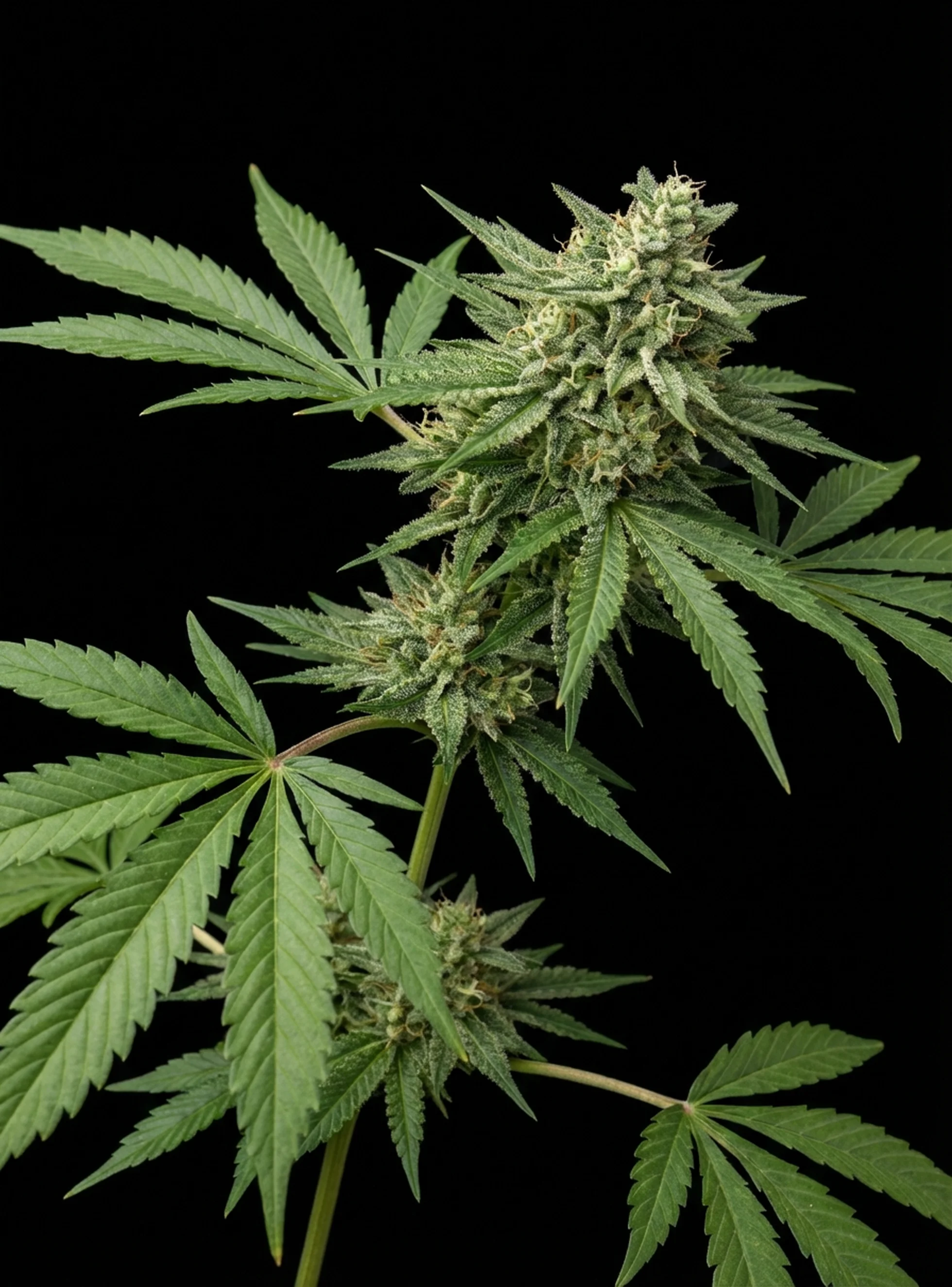
Cannabis
Cannabis sativa / Cannabis indica
Relaxant · 1-4 hours (inhaled), 4-10 hours (oral) · Moderate

Kanna
Sceletium tortuosum
Empathogen · 1-3 hours · Mild