
Kanna is a South African succulent used for centuries by Khoisan peoples, producing mood elevation and mild empathogenic effects through serotonin reuptake inhibition.
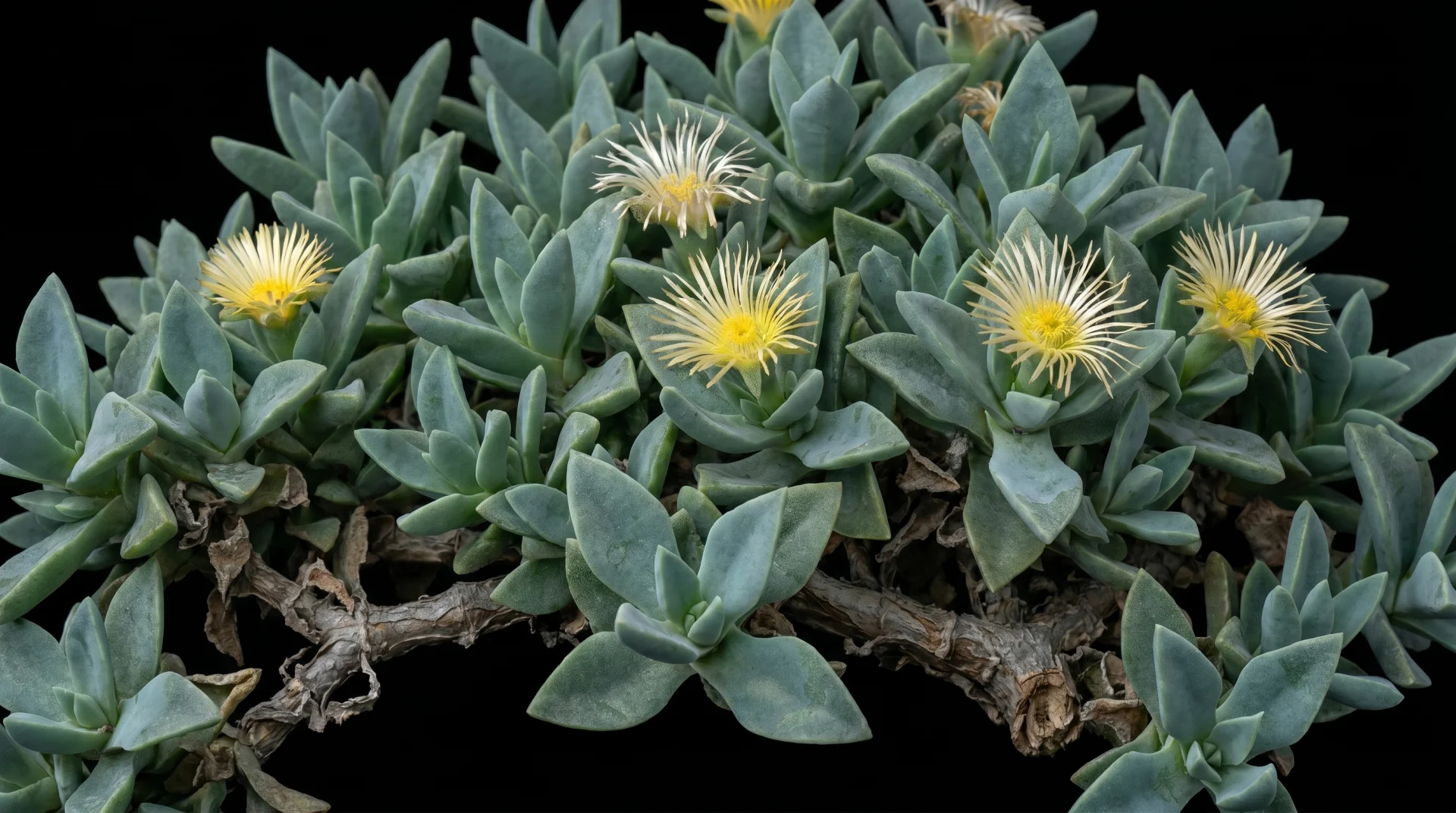
Kanna
Kanna is a South African succulent used for centuries by Khoisan peoples, producing mood elevation and mild empathogenic effects through serotonin reuptake inhibition.
Fact file
- Type
- Plant
- Botanical name
- Sceletium tortuosum
- Other names
- Kanna, Koughed, Kauwgoed, Channa
- Origin
- South Africa (Western Cape)
- Duration
- 1-3 hours
- Strength
- Mild
- Legal status
- Legal in 31 of 33 listed jurisdictions, and varies elsewhere
What is Kanna?
In the semi-arid lowlands of South Africa's Western Cape, where quartz-rich outcrops catch the afternoon light, a small succulent has been quietly managing human anxiety for longer than anyone can prove. The Khoekhoe herders who chewed its fleshy leaves during long journeys across the Karoo did not call what they experienced a "high." They called it something closer to ease, a loosening of the tension that builds between people walking together for days under difficult conditions.
Kanna (Sceletium tortuosum) occupies an unusual position among psychoactive plants. It does not alter perception. It does not dissolve boundaries or produce visions. What it tends to do, according to centuries of traditional use and a handful of modern clinical trials, is turn down the volume on anxiety while leaving cognition clear. The emotional dimension is where kanna concentrates its effects, rating notably higher than any other dimension on the strength scale, yet even there it remains gentle, more like the relief of setting down something heavy than the arrival of something new.
What makes kanna worth understanding is not its intensity but its specificity. In a landscape crowded with substances that promise transcendence, kanna offers something more modest and perhaps more interesting: the possibility that a plant can simply help you feel less burdened, without asking you to become someone else in the process.
Identity
Scientific name: Sceletium tortuosum (Haw.) N.E. Br. (1927)
Common names: Kanna, Koughed, Kauwgoed (Afrikaans, literally "chew-good"), Channa, Kou-Gouba (Khoekhoe)
Family: Aizoaceae (fig-marigold or ice-plant family)
Substance type: Plant (succulent flowering herb)
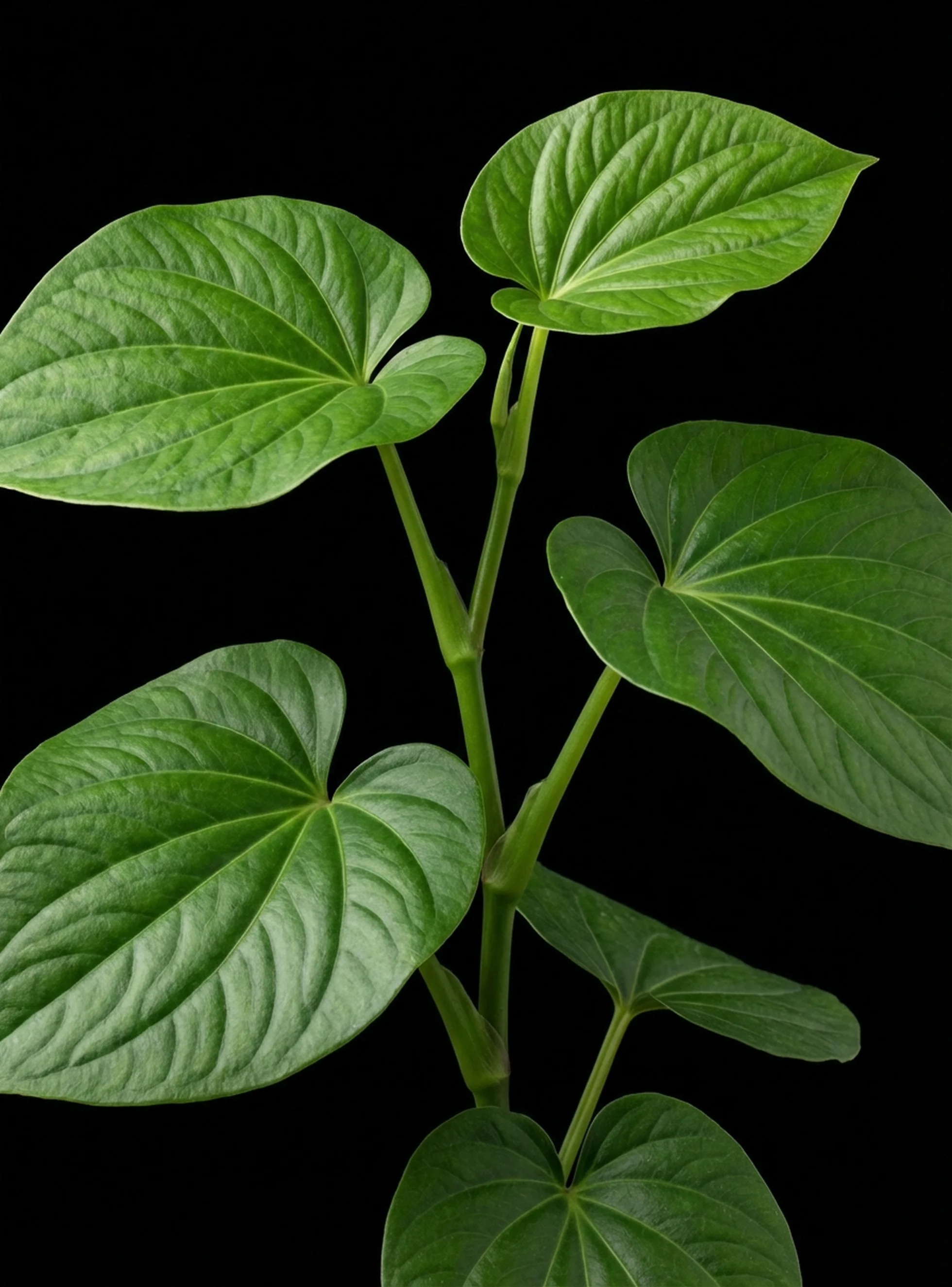
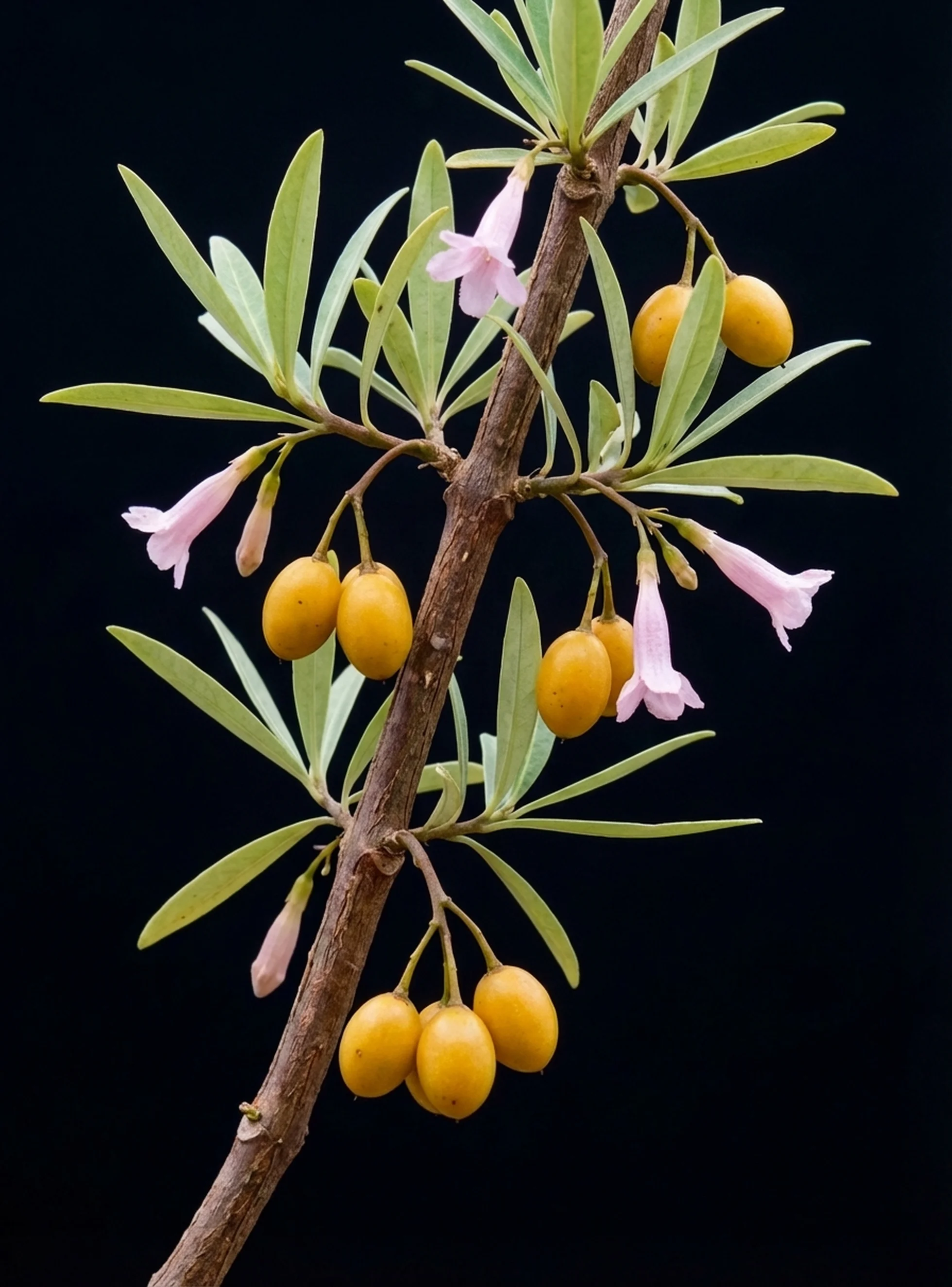
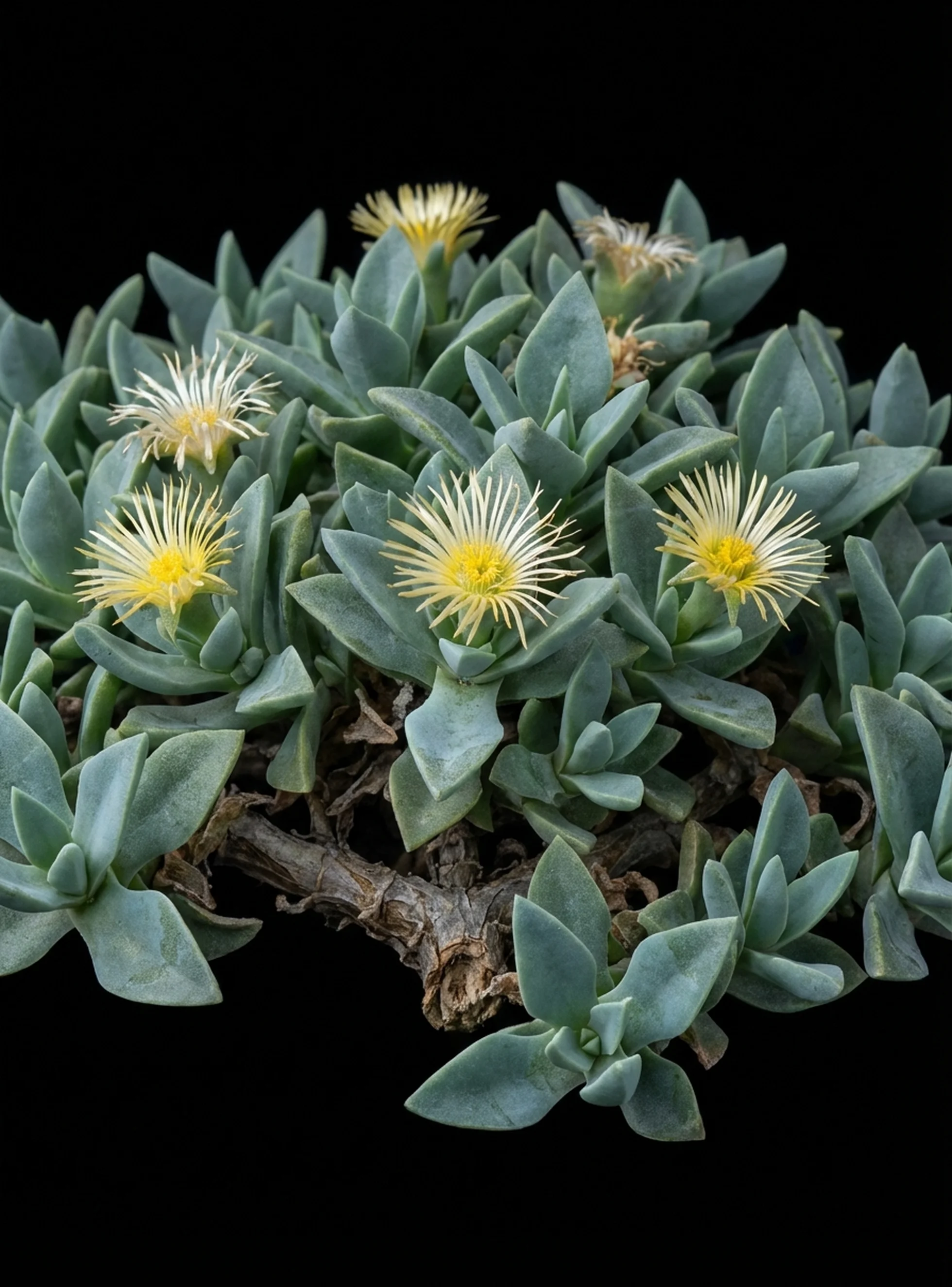
Kanna is a low-growing perennial succulent, typically 10 to 30 centimeters tall, with a sprawling, mat-forming habit. Its leaves are opposite, linear to narrowly lanceolate, blue-green to gray-green with a fleshy, waxy surface. When crushed, the plant releases a faint herbal scent with slight resinous or mineral notes. The taste is bitter and slightly astringent, with a mineralic character that traditional preparations (through fermentation) transform into something earthier.
Small daisy-like flowers, typically yellow or white with threadlike petals, bloom primarily in the Southern Hemisphere summer. The plant was originally classified as Mesembryanthemum tortuosum by Haworth in 1819, then reclassified into the genus Sceletium by Riccardo Forno in 1974 based on its distinctive twisted seed capsules.
Kanna is most reliably distinguished from related species (S. strictum, S. emarcidum) by leaf morphology, flower characteristics, and chromosome count (diploid, 2n=18, versus the tetraploid S. strictum). No dangerous look-alikes exist within the genus. Within the broader landscape of psychoactive substances, kanna sits closest to mild anxiolytics and mood modulators, pharmacologically distinct from both classical psychedelics and conventional sedatives.
Strength and duration
Intensity profile
Duration
Aftereffects: ** Residual calm or mild euphoria (30 min – 2 hours in some users); no dysphoria or crash [anecdotal]. Complete return to emotional baseline within 6–8 hours; no lingering perceptual, cognitive, or somatic alterations [anecdotal].
Chemistry
Kanna's pharmacology is incompletely characterized, which is itself an important piece of information. What researchers have established is that the plant contains a small family of alkaloids, two of which appear to drive most of the effects people report.
Mesembrine is considered the primary active compound, a phenethylamine alkaloid of the dibenzoquinoline class. It inhibits the serotonin transporter (SERT) in laboratory assays, slowing the removal of serotonin from the space between neurons. The strength of this inhibition, however, is roughly 100 to 1,000 times weaker than pharmaceutical SSRIs like fluoxetine. This weakness in isolation raises an interesting pharmacological question: how does a compound with such modest serotonin activity produce the anxiolytic effects that users consistently report? Part of the answer appears to lie in mesembrine's second mechanism. It also activates opioid receptors, particularly the mu and delta subtypes, which are concentrated in brain regions associated with emotional regulation, including the amygdala and prefrontal cortex.
Mesembrenone, structurally related to mesembrine, shares the opioidergic profile and contributes an anxiolytic component to the overall effect. Tortuosamine, a secondary alkaloid, shows mild mu-opioid activity, though its precise role in the experience remains unclear.
Preliminary evidence suggests mesembrine may also inhibit phosphodiesterase 4 (PDE4), which would increase cyclic AMP levels in anxiety-related brain circuits, though this remains speculative. Some researchers have proposed that traditional fermentation methods generate compounds with weak monoamine oxidase (MAO) inhibitory activity, potentially amplifying the serotonergic effects, but this is unconfirmed.
Total alkaloid concentration in wild-collected plant material ranges from 0.1 to 0.5 percent dry weight. Fermented preparations and cultivated selections reportedly reach higher concentrations.
The most significant gap in our understanding is human pharmacokinetics. No published study has measured how mesembrine or its metabolites behave in the human body: absorption rates, active metabolites, elimination half-life, and brain penetration all remain unknown. The onset, peak, and duration data that exist come entirely from subjective reports, not from blood or cerebrospinal fluid measurements. This means that while we can describe what kanna tends to do, the precise mechanisms by which it does so in the living human brain remain an open question.

Methods of Encounter
The way people meet kanna shapes what they experience, and the traditional route turns out to have good pharmacological reasons behind it.
Sublingual (traditional method): The Khoekhoe practice of chewing fresh or dried plant material and holding it under the tongue is not an accident of custom. The oral mucosa provides rapid absorption that bypasses the liver's first-pass metabolism, delivering alkaloids more directly to the bloodstream. Onset typically occurs within 15 to 45 minutes, with effects building to a plateau over the following one to two hours and a total duration of roughly four to six hours. Users describe this route as producing the "clearer" effect, with calm mood elevation, reduced tension, and maintained cognitive sharpness.
Oral (swallowed, tea, capsules): The modern commercial route. Capsules and teas are widely available, though the gastric transit and hepatic metabolism delay onset to 30 to 90 minutes and may reduce intensity. Mild nausea is occasionally reported with swallowed preparations, possibly related to the plant material's bitterness irritating the stomach. Total duration remains similar at four to six hours.
Smoking or inhalation (rare): Limited reports suggest onset within 2 to 10 minutes, with a shorter total duration of one to three hours. This route is not traditional, is poorly characterized, and carries the additional concern that combustion may degrade the alkaloids or produce unintended compounds.
Kanna was traditionally a social substance. The Khoekhoe shared it during herding journeys, hunting expeditions, and communal gatherings, where it served as a tool for reducing social friction and building group cohesion, similar in social function to kava circles in the Pacific. It was not used for visions, spiritual exploration, or shamanic practice. This is a practical plant, one that people reached for when they needed to feel less burdened and more at ease with one another.
In modern contexts, kanna appears in wellness communities, nootropic circles, and among people seeking alternatives to pharmaceutical anxiolytics. It is marketed alongside adaptogens and cognitive enhancers, though the evidence for cognitive benefits specifically is minimal.

Origin & History
Kanna is endemic to a narrow strip of southwestern South Africa, a landscape of quartz-rich outcrops and semi-arid plains stretching from the Western Cape interior to the Northern Cape border. It grows in the rocky lowlands of the Cape Fold Belt, near Malmsbury, in the Kamiesberg mountains, across the Karoo semi-desert, favoring well-drained soils at elevations of 100 to 600 meters. This is a plant that belongs to a specific place, one that did not travel far from home until others carried it.
The Khoekhoe, semi-pastoralist herders who kept sheep, cattle, and goats across the Cape region, wove kanna into the fabric of their daily lives. They chewed it during long herding journeys and hunting expeditions, shared it in social gatherings the way one might share food or conversation. The plant reduced fatigue, lifted mood, eased the friction that accumulates between people under sustained physical and emotional strain. This was not ceremony in the structured sense. It was practical care, a relationship between a people and a plant that knew how to help.
Whether the San peoples (hunter-gatherers who inhabited overlapping territory) also used kanna traditionally is debated. Most detailed historical accounts refer primarily to Khoekhoe pastoral practice, and the historiographic record does not resolve this with certainty.
The earliest European documentation comes from Johann Barrow, a German naturalist who traveled through the Cape in 1797 and published his observations in 1801. He recorded that the Khoekhoe called the plant "kanna" and chewed it for stimulation and mood elevation. Henry Lichtenstein and George McCall Theal added further accounts in the nineteenth century, each confirming a practice that was clearly already ancient by the time European eyes first saw it.
The story of kanna's decline is not a story of prohibition. No colonial power specifically banned the plant. Instead, the Khoekhoe and San peoples were brutally dispossessed of their land, decimated by disease and violence, and displaced during centuries of European colonization. Kanna knowledge and use faded not because the plant was forbidden, but because the people who carried that knowledge were systematically dispossessed. The suppression was of the culture, not the compound.
In the 1970s and 1980s, South African phytochemists isolated mesembrine as the primary alkaloid. By the 1990s, kanna began appearing in ethnobotanical trade and online communities. Small clinical trials followed in the 2000s and 2010s, and by 2020, modest neuroimaging research was underway. Yet unlike psilocybin, MDMA, or ayahuasca, kanna has not attracted major pharmaceutical investment or large-scale clinical development. It remains in the space between traditional knowledge and formal science, waiting for the kind of sustained attention that its long history of human use suggests it deserves.

Effects
Kanna's experience is defined by what it calms rather than what it opens. With a composite strength score of 2 out of 10, it sits in the gentle range, producing effects that people tend to describe as a settling rather than a shift. The emotional dimension is where kanna concentrates its influence, scoring 3.5 out of 10, notably higher than the other dimensions, yet even there, the experience remains mild enough that most people can move through their day without anyone noticing.
Perceptual (0.5/10)
Kanna is not a perceptually active substance. There are no visual hallucinations, no geometric patterns, no color shifts, no auditory distortions. This is a fundamental distinction from classical psychedelics and one reason kanna is not classified as a hallucinogen. What people sometimes notice is subtle: textures may feel slightly more interesting under the fingertips, skin contact may register more fully. Some describe mild warmth or tingling in the face. These are enhancements of ordinary sensation rather than departures from it, and many people report nothing perceptual at all.
Cognitive (1.5/10)
The cognitive dimension is where kanna's character becomes interesting. Rather than dulling the mind (as many anxiolytics tend to do), kanna often produces what people describe as a quieting without fogging. The background hum of worry and rumination becomes less insistent. Conversational fluency may improve, with reduced social anxiety allowing thoughts to articulate more freely. Some people report subtle enhancement of focus or concentration, though this is not systematically studied.
Time perception remains largely unchanged. There is no dissociation, no depersonalization, no memory impairment. A person under the influence of kanna can drive, work, and converse normally. The cognitive intensity sits closer to "the absence of noise" than to any positive cognitive alteration.
Emotional (3.5/10)
This is kanna's primary territory. The typical experience involves clear anxiety reduction (tension in the chest, neck, or shoulders releases), mild mood elevation (not euphoria, but something closer to the feeling of a genuinely good day), and social ease (reduced awkwardness, less reactive emotional responses). Users consistently describe this as "smooth," "calm," or "balanced."
The emotional arc tends to follow a gentle trajectory. Onset brings a subtle warmth or lift, building over 15 to 45 minutes through the sublingual route. Peak effects arrive between one and two-and-a-half hours, characterized by stable, pleasant calm. The descent is gradual, with mood remaining elevated relative to baseline even as the primary effects soften. By four to six hours, baseline returns without crash, dysphoria, or emotional rebound.
At the higher end of the intensity range, the mood elevation can approach mild euphoria, though people distinguish this from opioid or stimulant euphoria, describing it as "gentle" or "clean." Emotional blunting or mild dissociation at very high amounts is rare but reported.
Somatic (1.5/10)
Physically, the experience tends toward relaxation and tension release, particularly in the shoulders, neck, and chest. Mild warmth or flushing sometimes accompanies the emotional onset. There is no significant motor impairment, no loss of coordination, no appetite suppression. Some people report subtle heaviness or lightness at different phases, typically described as pleasant.
Nausea is rare with sublingual administration but occurs in roughly 10 to 20 percent of people who swallow preparations orally. No significant cardiovascular effects have been documented in controlled settings, though formal human cardiovascular studies have not been conducted.
The arc
Through the sublingual route, effects build gradually over 15 to 45 minutes, plateau for one to two-and-a-half hours, and descend gently over the following two to three hours, with complete return to baseline by four to six hours. People consistently note the absence of a hangover or crash. Some describe a mild afterglow of residual calm lasting 30 minutes to two hours beyond baseline return. Through the oral route, the same arc stretches and softens, with a delayed onset of 30 to 90 minutes and a plateau that may feel less defined.
The overall quality that distinguishes kanna from other anxiolytics is preservation of clarity. Where benzodiazepines can fog cognition and alcohol can loosen judgment, kanna tends to reduce emotional reactivity while leaving the mind intact. This is, perhaps, what the Khoekhoe valued most: a plant that made the journey easier without making the herder less capable.
A note before reading
Each experience is different. What you may notice depends on dose, setting, and the body and mind you bring to it.
What people often notice
Emotional spectrum
Visual
Visuals tend to stay soft and mostly closed-eye, often subtle textures or gentle color shifts behind the eyelids.
Cognitive
Thoughts often settle. The mind tends to feel quieter, slower, more able to rest with what is.

Risks & Limits
Kanna has a favorable safety record, but "favorable" is partly a function of how little formal study has been conducted. The honest picture requires distinguishing between what is known to be safe and what simply has not been investigated.
Drug interactions represent the most significant practical concern. Because kanna's alkaloids interact with both serotonin and opioid systems, combining it with medications that affect these same pathways creates theoretical risk. SSRIs and SNRIs taken alongside kanna could produce additive serotonergic effects, with a theoretical (though undocumented) risk of serotonin syndrome. Opioid medications combined with kanna's opioidergic alkaloids could amplify effects in unpredictable ways. MAOIs present the highest theoretical concern. Benzodiazepines and alcohol could compound central nervous system depression. None of these interactions have been documented in human cases, but the absence of documentation reflects the absence of study, not the absence of risk.
Physical risks are largely theoretical at this point. No controlled human cardiovascular study exists. Anecdotal reports suggest either no change or mild increases in heart rate, but specific measurements have not been published. No seizures, no strokes, no hepatotoxicity, no renal toxicity, no allergic reactions, and no respiratory effects have been reported. Mild nausea with oral preparations affects a minority of users. Zero fatalities directly attributed to kanna use appear in the medical or toxicological literature.
Psychological risks are low but present. Paradoxical anxiety or panic is rare but reported in sensitive individuals. No psychosis cases have been documented, which is consistent with kanna's non-hallucinogenic profile. No depersonalization or derealization occurs at typical amounts. The more subtle psychological risk is behavioral: using kanna habitually for mood management without addressing underlying causes of anxiety, or using it as a substitute for professional mental health care when clinical evaluation is warranted.
Populations requiring particular caution: Pregnant and breastfeeding women should avoid kanna, as safety data does not exist. People with cardiac arrhythmias, uncontrolled hypertension, severe liver or kidney disease, active psychotic disorders, or seizure disorders should exercise caution based on the precautionary principle. Anyone taking psychiatric medications, particularly SSRIs, SNRIs, MAOIs, or opioids, should be aware of the theoretical interaction risks.
Dependence potential is unknown. No human dependence study exists. Kanna activates opioid receptors, and opioid dependence is well-documented for full agonists, but kanna's agonism appears weak and its brain receptor occupancy has never been measured. Anecdotal reports from online communities include some habitual daily users but no clear descriptions of compulsive use or loss of control. Physical withdrawal symptoms have not been documented. The estimated dependence risk is substantially lower than opioids, alcohol, or nicotine, but this estimate is based on inference, not measurement.
Long-term safety is the largest unknown. No chronic toxicity data exists in humans. No long-term neuroplastic effects have been studied. The traditional Khoisan use over centuries suggests a reasonable safety profile, but traditional use patterns (intermittent, moderate, within a specific cultural context) may differ substantially from modern patterns of daily supplementation with concentrated extracts.

Integration
Integration, in the context of profound psychedelic experiences, usually refers to the careful work of making sense of something that shattered your ordinary frame of reference. Kanna does not shatter anything. Its effects are mild, its arc is gentle, and most people return to baseline within hours without residual confusion or emotional upheaval. So the question of integration here takes a different shape: not "how do I process what happened," but "how do I pay attention to what this plant showed me about my own patterns."
The most common observation people make after using kanna is about contrast. They notice, sometimes for the first time, the degree of tension they carry as a baseline. When anxiety lifts for a few hours, its return can illuminate how much of daily life is structured around managing it. This noticing, quiet as it is, may be the most valuable thing kanna offers. It is an invitation to ask whether the tension is necessary, or whether some of it is habit.
For those who use kanna with intention, a few practices may support this kind of reflection. Journaling after the experience, even briefly, can capture observations about mood and physical tension that are easy to forget once the effects fade. Tracking patterns over multiple uses (noting what shifted, what remained, what felt different the following day) can reveal whether the benefit is consistent or shaped by expectation. Rest matters: adequate sleep on the night following use supports consolidation of whatever emotional recalibration occurred.
Because kanna was traditionally a social substance, sharing the experience with others carries its own form of integration. Conversation about what eased and what remained can deepen self-understanding in ways that solitary reflection sometimes cannot.
The risk worth naming is the quiet one: habitual reliance. Reaching for kanna each time anxiety surfaces, without pausing to examine the anxiety itself, can delay the development of other coping capacities. If the pattern becomes automatic, if the plant becomes necessary rather than helpful, that is worth noticing too. Integration, for a substance this gentle, is less about processing intensity and more about honoring what the absence of tension reveals about how you have been living with its presence.
Sacred stacks
Kanna appears in the following curated combinations. Combinations can amplify both effects and risks. Read each guide carefully before considering.
All sacred stacks →Ethics & Ecology
Kanna grows wild in the semi-arid lowlands of South Africa's Western Cape and Northern Cape, a plant rooted in a specific landscape and a specific people's history. When it arrives in a supplement capsule on a shelf in Berlin or Los Angeles, something has traveled a very long distance, and the question of what was left behind deserves attention.
Ecologically, kanna is not endangered. Wild populations persist across multiple locations, the plant is a hardy succulent requiring minimal water, and commercial cultivation is expanding. At current market scale, neither wild harvesting nor farming poses a significant conservation threat. The plant plays a minor ecological role in its native quartz-rocky outcrops, supporting pollinators and providing ground cover, but is not a keystone species. If demand surges dramatically, wild population pressure could increase, making the continued shift toward cultivation an important safeguard.
The deeper concern is cultural rather than ecological. Kanna knowledge belongs to the Khoekhoe and San peoples of South Africa, communities that were brutally dispossessed during centuries of colonization. The modern commercialization of kanna follows a familiar pattern: indigenous knowledge extracted, profits flowing to international companies (primarily in Germany, the UK, and the US), while the communities who developed that knowledge over generations receive minimal economic benefit and limited recognition. No formal benefit-sharing agreement or traditional knowledge protection exists for kanna. Unlike rooibos tea, which has secured geographic indication protection in South Africa, kanna has no comparable legal framework.
Some Khoisan entrepreneurs see commercialization as economic opportunity. Others see cultural extraction. Both perspectives are legitimate, and the absence of formal consultation between international kanna companies and Khoisan communities is itself a form of answer.
For anyone engaging with this plant, the ethical minimum is awareness: knowing where it comes from, who carried the knowledge, and what the distance between origin and consumption means. Sourcing from South African cultivators, particularly those with community ties, represents a more considered choice than purchasing from suppliers with no connection to the plant's homeland.
Misconceptions
Kanna is a hallucinogenic drug like psilocybin or LSD.
Kanna produces no visual hallucinations, no geometric patterns, no color shifts, and no perceptual distortions, even at high amounts. Its primary effects are anxiolytic and mildly mood-elevating. Pharmacologically, it is more similar to a mild anxiolytic than to any classical psychedelic.
Kanna is dangerous and addictive.
Zero fatalities directly attributed to kanna appear in the medical literature. No cases of acute overdose toxicity have been reported. Physical dependence risk is unknown but theoretically lower than opioids (due to weak opioid agonism) and likely lower than alcohol or nicotine. The centuries-long traditional use by Khoisan peoples and decades of modern commercial use show no pattern of dangerous harm. This does not mean risk is absent, only that the safety record is favorable given available evidence.
Kanna is illegal in most countries.
Kanna is legal and uncontrolled in the vast majority of jurisdictions, including the United States, Canada, all major European nations, Australia (as plant material), and most of the rest of the world. It is freely available for purchase online and in supplement shops. No major jurisdiction has criminalized the plant.
Kanna can replace psychiatric medications for anxiety and depression.
Small clinical trials (totaling 50 participants across two studies) show modest anxiolytic effects, but the scale and rigor are far from what would be needed to support equivalence claims with SSRIs or other established treatments. Kanna should not be treated as a substitute for professional mental health care, particularly for clinical anxiety disorders or depression.
Kanna, kratom, and kava are basically the same thing.
While all three are traditional plant medicines with anxiolytic properties, their pharmacology differs substantially. Kratom is primarily opioidergic with documented dependence risk. Kava is primarily GABAergic with known hepatotoxic potential at high chronic amounts. Kanna operates through a mixed serotonergic and opioidergic profile, is milder than either, and maintains clearer cognition than both.
FAQ

Reflection
There is something instructive about a plant that does so little and yet was valued for so long. The Khoekhoe did not reach for kanna because it showed them other worlds. They reached for it because it made this one slightly more bearable, the long walk a little lighter, the company a little easier, the weight of the day a little less pressing on the shoulders.
We live in a time that prizes intensity, that measures the worth of a substance by the magnitude of its disruption. Kanna resists that framework entirely. It asks a quieter question: what if the most useful thing a plant could do is not to transform you, but to remind you what you feel like when you are not bracing against something?
The answer, of course, belongs to each person who encounters it. But the question itself, carried across centuries from the rocky lowlands of the Western Cape to wherever you are reading this, seems worth sitting with.
Sources
Primary research sourced from peer-reviewed pharmacological, ethnobotanical, and clinical literature. See the full research profile for detailed citations and evidence tags.
For how we evaluate sources and structure our claims, see the methodology.
States you may encounter
Altered states of consciousness commonly reported with this substance.