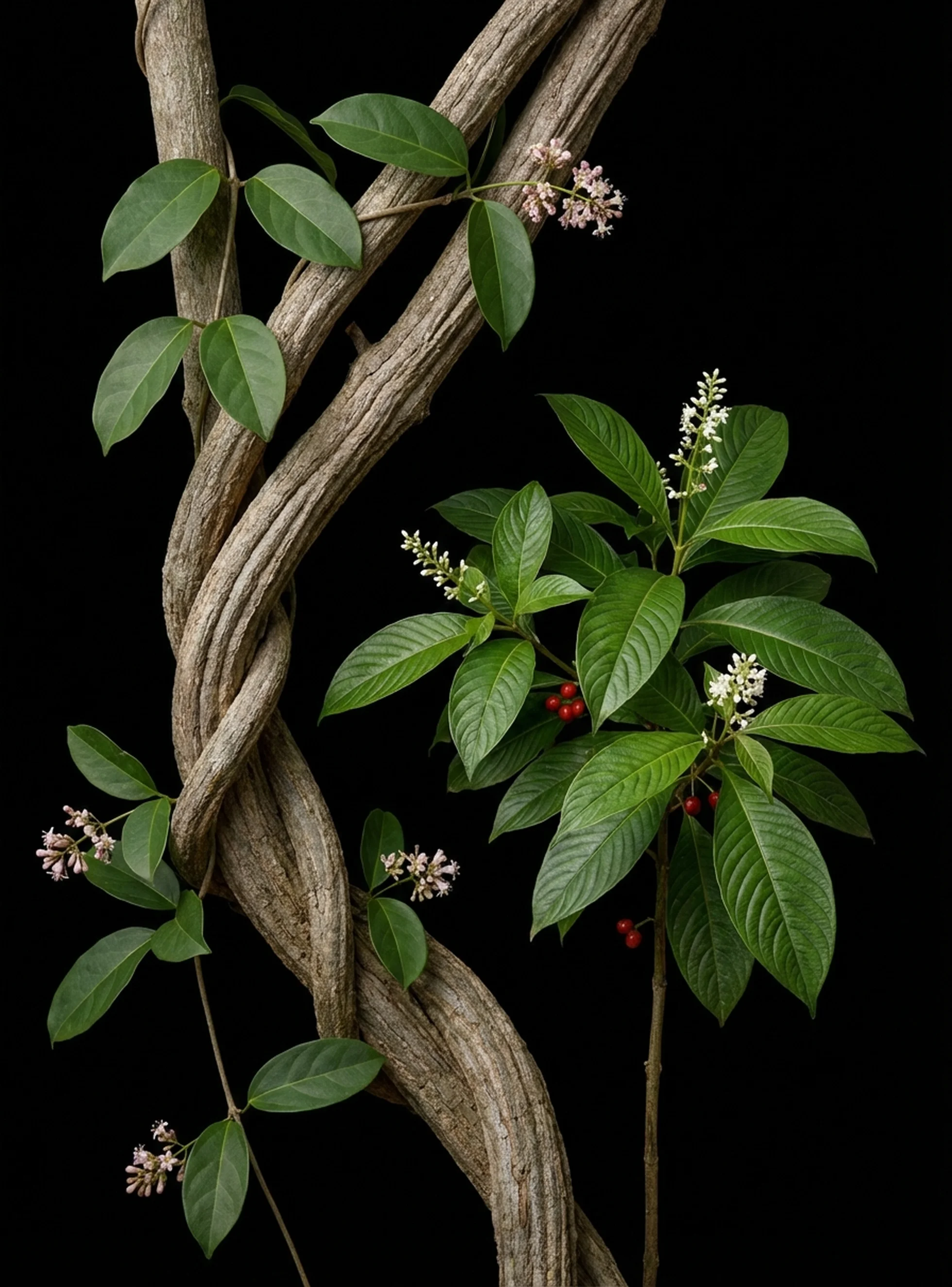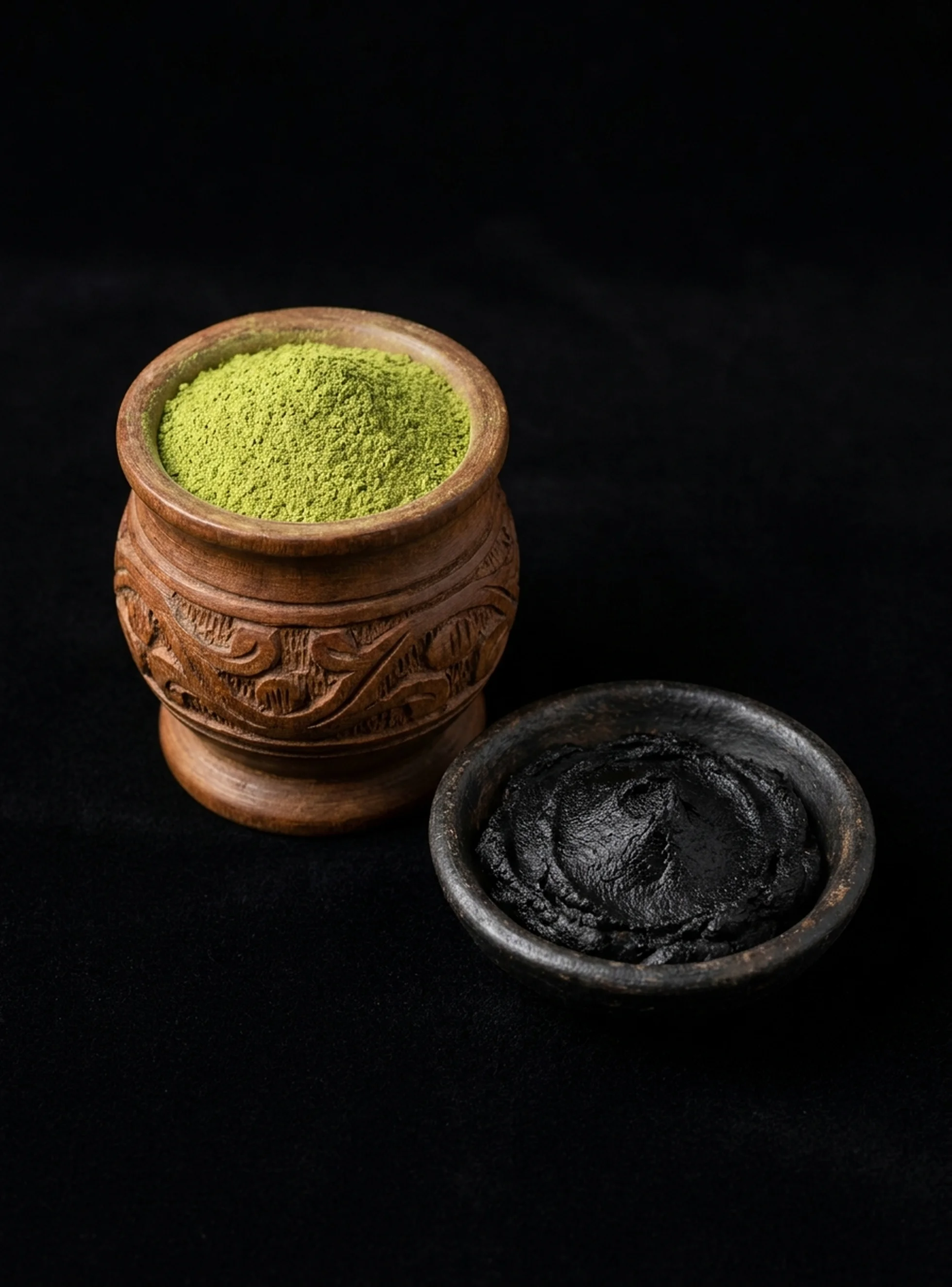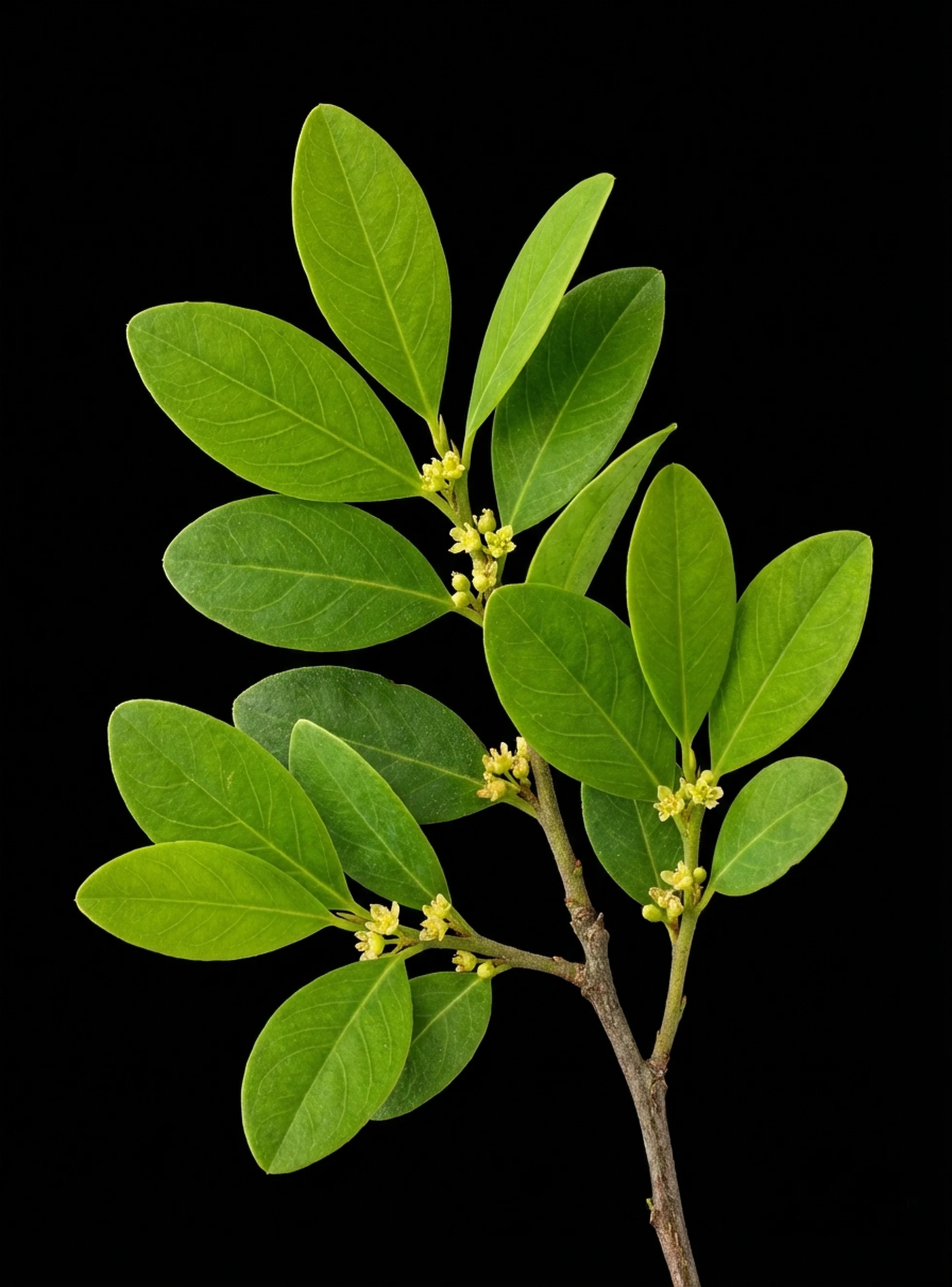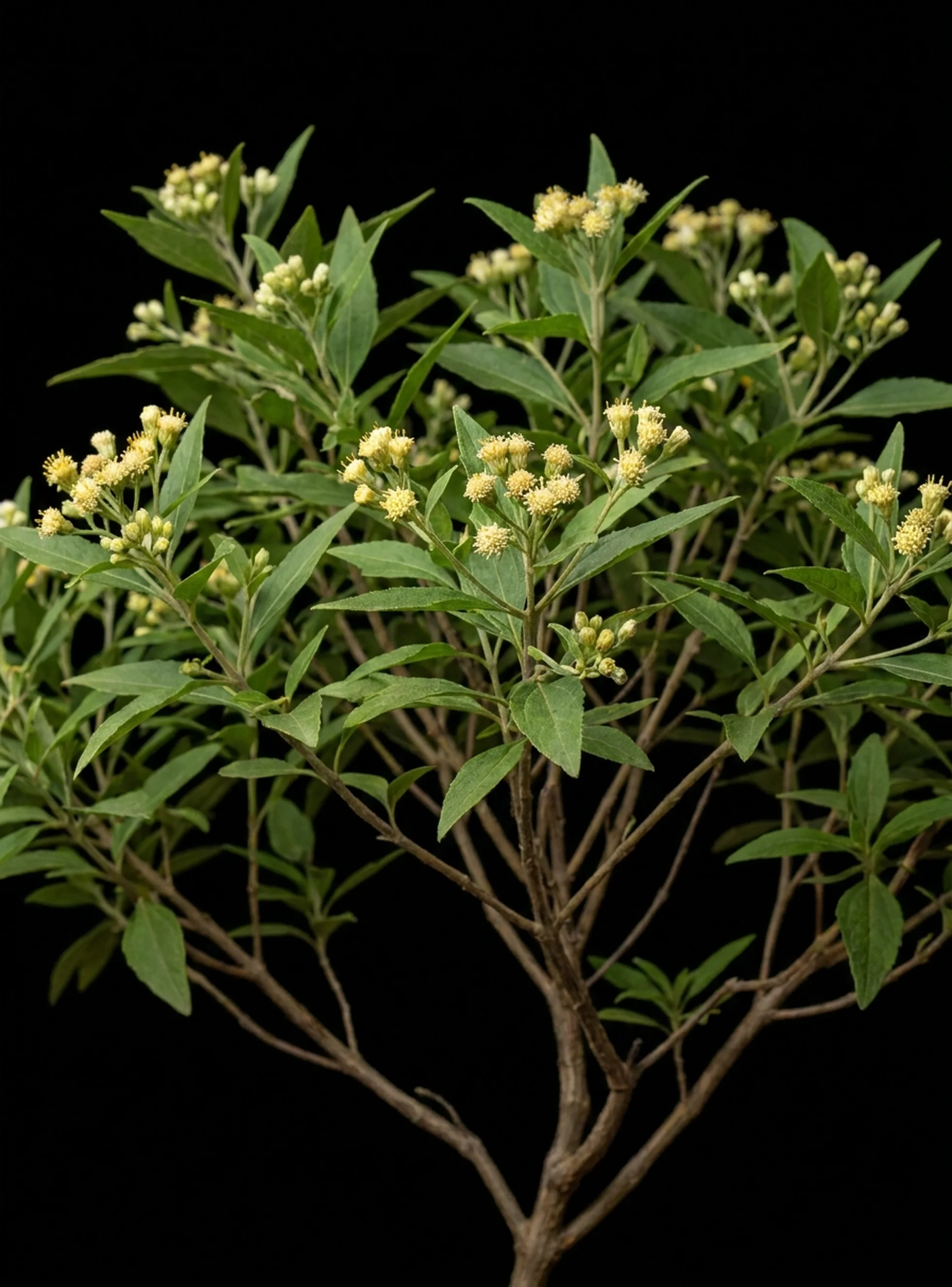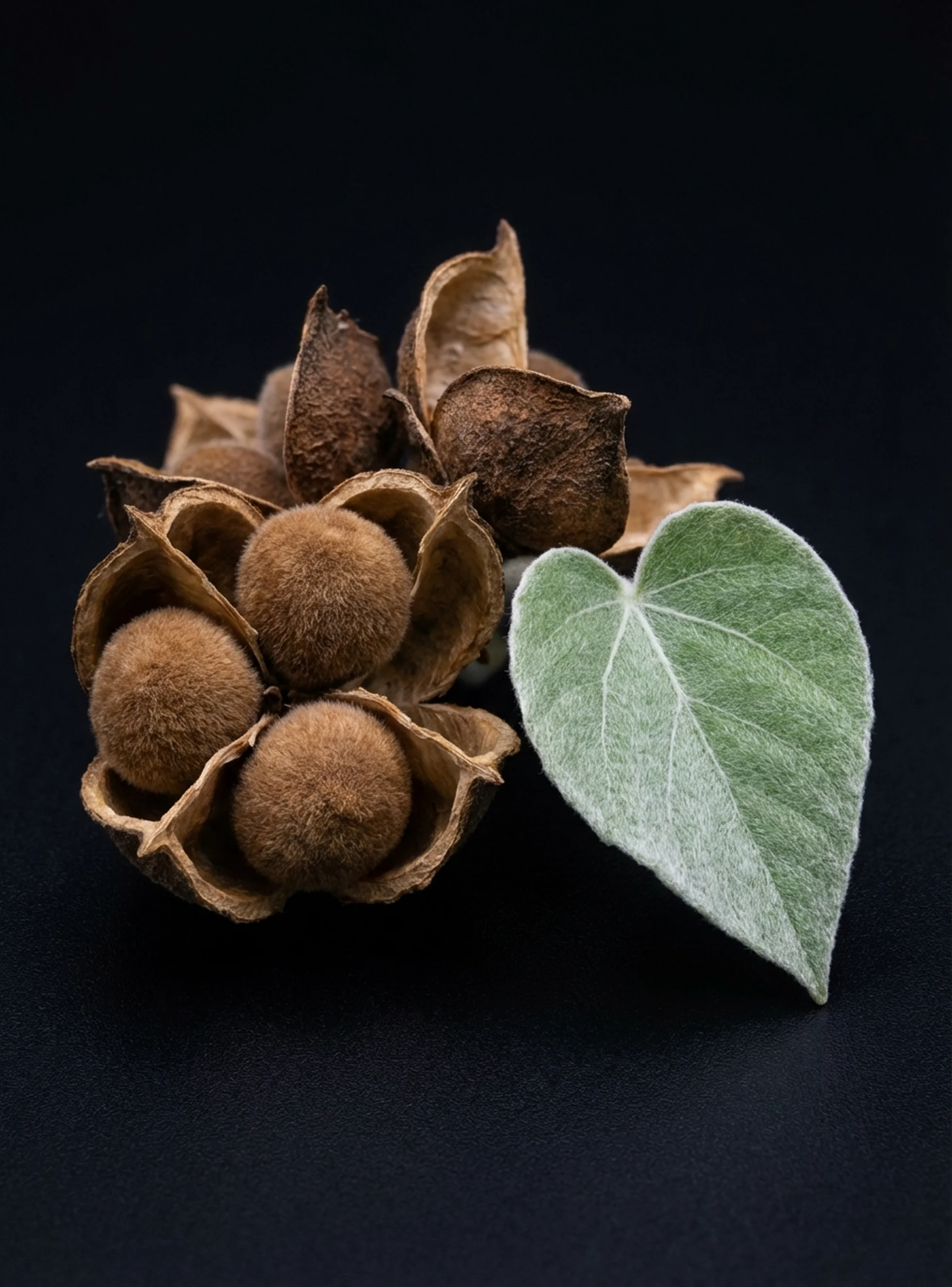

Guayusa is an Amazonian holly (Ilex guayusa) traditionally brewed by the Kichwa people in pre-dawn ceremonies for dream interpretation, prized for its smooth caffeine and theobromine content.
Guayusa
Guayusa is an Amazonian holly (Ilex guayusa) traditionally brewed by the Kichwa people in pre-dawn ceremonies for dream interpretation, prized for its smooth caffeine and theobromine content.
Fact file
- Type
- Plant
- Botanical name
- Ilex guayusa
- Duration
- 4 to 6h
- Strength
- Gentle
- Legal status
- Legal in all 32 listed jurisdictions
What is Guayusa?
Long before the river fog lifts off the upper Amazon, a fire is already lit in a Kichwa household. Water comes to a low boil. Whole leaves of a holly tree, cut from the family chakra at six in the morning, steep into a pale amber infusion that smells faintly herbaceous, less pungent than coffee, less astringent than black tea.
This is guayusa, Ilex guayusa, one of only three or four caffeinated holly species in the world. People drink it before dawn, sitting together in the dark, and they share their dreams.
What makes guayusa unusual is not its strength. It is gentle, a 3 out of 10. What makes it unusual is the company its caffeine keeps. Alongside the familiar stimulant sit theobromine, theophylline, and the amino acid L-theanine, the same compound that softens the edge of green tea. The result, for many, is a quality of wakefulness that feels more like attention than agitation.
It is wakefulness chosen, not imposed. Wakefulness as a way of listening.
The substance
Scientific name: Ilex guayusa
Family: Aquifoliaceae (the holly family)
Common names: Guayusa, hoja de guayusa, té de guayusa, Amazon holly. Pronounced why-you-sa in its native Ecuadorian context.
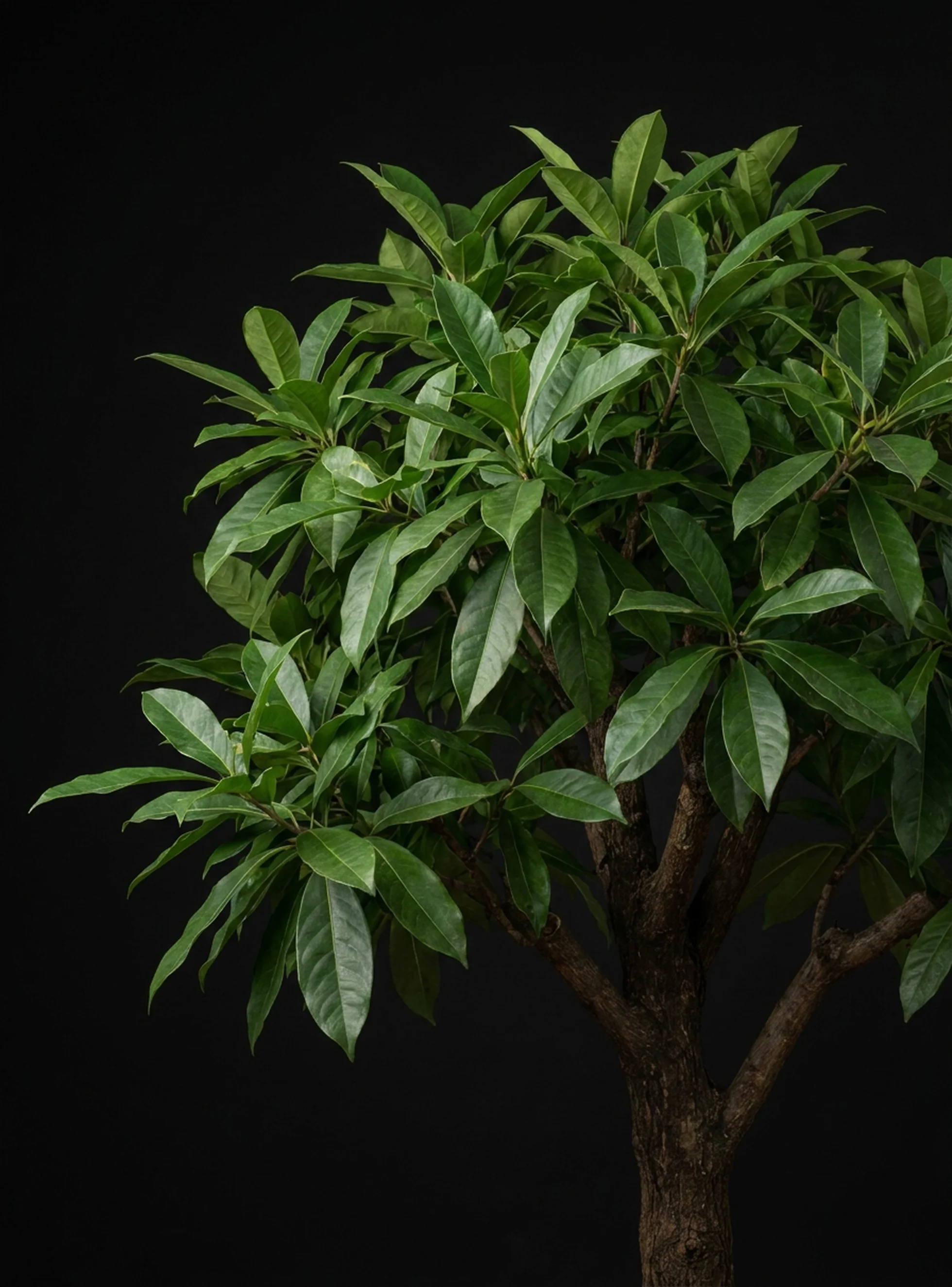
Guayusa is a medium-sized evergreen tree native to the upper Amazon at the eastern foot of the Andes, primarily in the Ecuadorian provinces of Napo and Pastaza. It belongs to a genus of roughly 600 holly species worldwide, of which only three or four contain meaningful concentrations of caffeine.
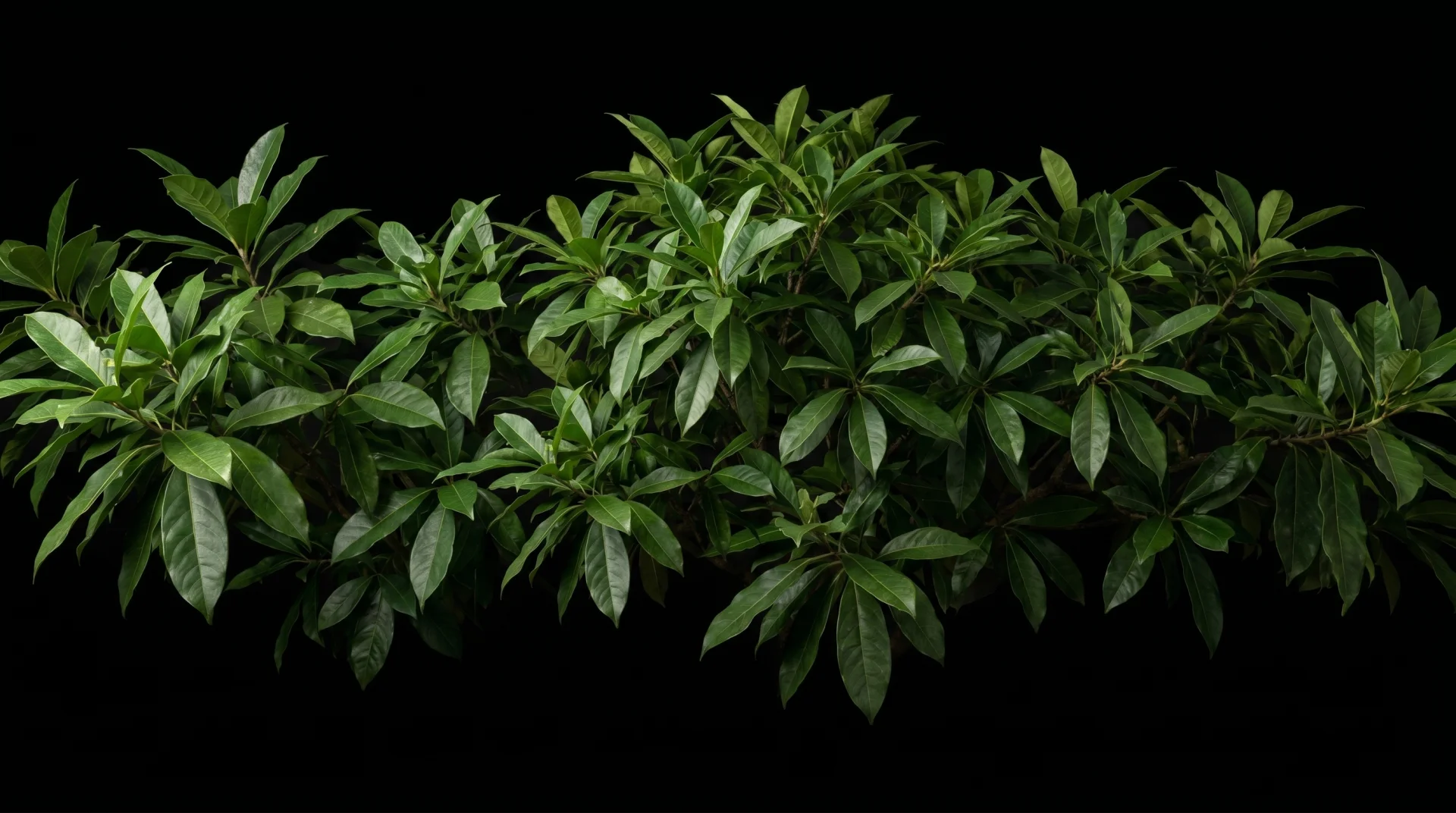
The consumed part is the leaf, lanceolate to elliptic, glossy and deep green when fresh, drying to a darker green-brown. Its closest cultural and chemical relative is yerba mate (Ilex paraguariensis), the caffeinated holly of southern South America. The two are distinct species with different alkaloid profiles. Most importantly, guayusa contains L-theanine; yerba mate does not.
In the broader taxonomy of psychoactive substances, guayusa sits firmly within the stimulant family, alongside coffee, tea, yerba mate, and cacao. It is not a hallucinogen, not an entheogen, not a sedative. Its closest neighbors are the everyday caffeinated beverages most of the world already drinks.
Strength and duration
Intensity profile
Variability: Moderate (varies with dose and setting)
Duration
Aftereffects: Following the peak phase, a gradual decline in intensity occurs over 2–4 hours, with many individuals reporting a pleasant afterglow characterized by sustained gentle mood elevation and mental clarity for 1–2 hours after primary effects have subsided. Unlike coffee, which often produces a noticeable "crash" or fatigue rebound, guayusa typically produces a smooth, gentle descent without subjective dip below baseline mood or energy. Some individuals report lingering subtle alertness or mental clar
Chemistry and mechanism
Guayusa is best understood as a small ensemble of compounds rather than a single active ingredient. Its psychoactive effects come primarily from a family of methylxanthines (caffeine, theobromine, theophylline), modulated by an amino acid (L-theanine), and accompanied by a bench of polyphenols (chlorogenic acids, catechins, gallic acid) that contribute to its antioxidant profile without producing a felt psychoactive shift.
Caffeine is the lead actor. By dry weight, the leaves contain 1.73 to 3.48 percent caffeine, yielding roughly 40 to 90 mg per 8-ounce serving, somewhat less than drip coffee and comparable to a strong black tea. Caffeine works by blocking adenosine receptors (A1 and A2a) in the brain. Adenosine is the molecule that accumulates across waking hours and creates the felt sense of fatigue. By occupying its receptors without activating them, caffeine prevents the slow descent toward sleepiness, which downstream nudges dopamine, serotonin, and norepinephrine systems toward higher arousal.
Theobromine and theophylline play supporting roles. Both are methylxanthines structurally similar to caffeine, but each acts more gently and with subtly different downstream effects. Theophylline relaxes airway smooth muscle and was historically used as an asthma medication. Their contribution to guayusa is the slow tail of energy that some consumers describe, energy that lingers without spiking.
L-theanine is the compound that distinguishes guayusa from coffee and yerba mate. It crosses the blood-brain barrier, increases GABA and alpha-wave activity, and tends to soften the anxiogenic edge of caffeine. The combination of caffeine and L-theanine has been studied repeatedly in green tea contexts and consistently shows what researchers call "calm alertness," focus without the felt jitter.
The polyphenols (54 to 67 mg gallic acid equivalents per gram of dried leaf) contribute antioxidant and anti-inflammatory activity in cellular models. They do not produce a felt experience, but they shape the longer arc of what guayusa does in the body.
Caffeine peaks in plasma within 30 to 60 minutes and clears with a half-life of 3 to 5 hours, longer in slow metabolizers (roughly 10 to 20 percent of the population, carrying particular CYP1A2 variants). L-theanine has a slightly longer half-life and is excreted largely unchanged in urine.

How people encounter it
Guayusa is encountered almost exclusively as a hot water infusion, prepared from the leaf in one of three forms: whole dried leaf, cut and milled leaf, or concentrated extract.
The traditional preparation, still practiced in Kichwa households, involves boiling water with whole dried leaves and drinking the resulting infusion warm. This is typically done before dawn, often as a communal practice in which family members drink together and recount the previous night's dreams. The infusion is sometimes followed by a brief return to rest before beginning the day. In this context, guayusa is not a beverage taken on the way out the door. It is an opening ritual, slow and shared.
In contemporary Western markets, guayusa appears most often as loose-leaf tea, tea bags, or pre-bottled cold infusions sold under brands such as Runa. Some products are concentrated extracts standardized to higher caffeine concentrations and used in functional energy drinks or capsule supplements.
The preparation method shapes the temporal arc. Whole-leaf infusions tend to produce a gradual onset (15 to 45 minutes), a sustained plateau, and a smooth descent over four to six hours. Concentrated extracts produce faster onset (10 to 20 minutes), a sharper peak, and a shorter total duration. The traditional whole-leaf form is the closest match to how guayusa has been consumed for over a thousand years; the extract form is closer in kinetic profile to a cup of coffee.
Guayusa is also occasionally consumed cold, particularly in commercial bottled formats, though traditional use is consistently warm.

Origin and history
Guayusa has been cultivated and consumed by the Kichwa peoples of the Ecuadorian Amazon for at least 1,500 years. The plant grows in forest gardens (chakras) on the broken terrain where the lowland Amazon climbs into the foothills of the Andes, and the people who grow it understand themselves not as farmers of a crop but as participants in a longer relationship with the forest and with the plant itself.
In Kichwa cosmology, guayusa is sometimes described as the spirit of the jaguar: a presence that lends sharpness, courage, and the capacity to make decisions clearly. The plant is associated with hunting, with dreaming, and with the transmission of knowledge from elders to children. Harvesting happens at six in the morning, rotated across family chakras so that no single grove is overdrawn. The act of harvesting is itself a kind of teaching, where younger people learn forest management, weaving, and tool-making alongside the practical work of gathering leaves.
The ceremonial use is centered on dawn. Families wake before sunrise, brew the leaves, and drink together while sharing dreams. The dreams are not passing material; they are read for guidance about the day, about hunts, about decisions. In this practice, guayusa is not a stimulant in the modern sense. It is a practice of wakefulness that begins inside the dream and extends into the world.
Spanish colonial contact in the sixteenth century disrupted many indigenous Amazonian practices, but guayusa appears to have escaped the explicit prohibitions that fell on other plants such as coca and ayahuasca. Its stimulant effects aligned, perhaps, with European interests in productivity, and the remoteness of Kichwa territory in the upper Amazon further protected the plant and the knowledge around it.
Western scientific attention has been recent and uneven. Systematic ethnobotanical documentation appeared in the nineteenth and twentieth centuries; the first rigorous clinical trial of guayusa's psychopharmacology was published only in 2024 [5]. The European Union approved guayusa as a novel food in 2018 [16]. Around the same time, Ecuadorian and U.S. enterprises (most visibly Runa LLC) began commercializing guayusa for North American and European markets, framing it as a natural energy drink and antioxidant tea.
Approximately 98 percent of the world's guayusa is still produced in Ecuador [4][12], much of it from Kichwa-managed forest gardens. The plant has crossed from a regionally significant ceremonial medicine into the global functional beverage aisle in roughly two decades. The older relationship continues alongside the newer one, in the same fields, every morning before dawn.

Effects
Guayusa is a gentle substance. On a 1-to-10 scale, its overall intensity sits at 3, near the lower end of the stimulant range and far below the territory of psychedelics or strong dissociatives. Within that envelope, the four dimensions distribute unevenly.
Perceptually (1/10), guayusa does almost nothing. There are no visual distortions, no auditory shifts, no synesthesia, no hallucinations. Some people report a mild brightening of attention to detail, the kind of small increase in visual acuity that any stimulant can produce, but the sensory world remains the sensory world.
Cognitively (4/10), the effects are clearer. Reaction time tends to improve. Motor and psychomotor speed measurably increase. In the 2024 clinical trial, both 600 mg and 1,200 mg doses of guayusa leaf extract produced significant improvements in motor speed, with the higher dose also reducing reaction time on a hop test [5]. Subjectively, this often shows up as improved focus, a smoother engagement with sustained tasks, and a quieting of the low-grade fatigue that fogs ordinary attention. Notably, guayusa does not seem to produce the racing thoughts or thought acceleration that high-dose stimulants can. The mind tends to feel sharper without feeling pressed.
Emotionally (3/10), the shift is gentle and broadly positive. Mood lifts. The clinical trial documented a roughly 19 percent reduction in total mood disturbance at the lower dose [5]. The character of the lift is more accurately described as a release of the morning's heaviness than a euphoria. Many people report feeling more capable, more inclined to engage, more willing to begin. The traditional Kichwa understanding (clarity, courage, motivation) maps closely onto these reports.
Somatically (2/10), most people notice very little. Blood pressure rises modestly, by about 4 to 5 mmHg in clinical settings, an increase smaller than the natural variation across a normal day [5]. Heart rate stays roughly flat. Some sensitive individuals, particularly women in higher-dose contexts, report jitteriness; this effect appears dose-dependent and sex-specific in current data [5]. The classic coffee jitter (tremor, restlessness, a buzzing in the hands) appears less frequently with guayusa, which most observers attribute to L-theanine softening the caffeine signal.
What does the experience feel like, in plainer language? People often describe a kind of quiet wakefulness. Energy that lasts but does not press. A mind that engages more clearly without speeding up. A body that notices it is awake without protesting the fact. The descent, when it comes, tends to be smooth rather than abrupt; the "crash" common with coffee is uncommon with guayusa. Some report a soft afterglow of mood and clarity that lingers an hour or two past the primary effects.
Individual variation is meaningful. Caffeine sensitivity, prior tolerance, sleep status, food intake, hormonal cycle, and dose all shape the experience substantially. A person who drinks coffee daily may feel guayusa as a faint nudge; a person new to caffeine may feel it as a noticeable opening of attention.
A note before reading
Each experience is different. What you may notice depends on dose, setting, and the body and mind you bring to it.
What people often notice
Visual
Visuals tend to stay soft and mostly closed-eye, often subtle textures or gentle color shifts behind the eyelids.
Cognitive
Loose associations may appear, insights surface sideways, and familiar ideas can rearrange into fresh shapes.

Risks and limits
Guayusa is a mild stimulant. Its risk profile is, broadly, the risk profile of caffeine, with some moderation from the L-theanine and polyphenols that accompany it. There are no documented fatalities from guayusa consumption in the peer-reviewed or poison-control literature, and no severe adverse events have been reported in the clinical trial conducted to date [5]. Realistic harms cluster in a few specific areas.
Cardiovascular: Both 600 mg and 1,200 mg doses of guayusa extract raise systolic and diastolic blood pressure by 4 to 5 mmHg [5]. For people with normal blood pressure this is clinically negligible, smaller than the variation produced by climbing a flight of stairs. For people with diagnosed hypertension, arrhythmias, or cardiovascular disease, even a modest pressor effect deserves caution. No significant changes in heart rate or QT interval were observed in healthy young adults [5].
Sleep: Caffeine consumed within roughly eight hours of intended sleep can delay sleep onset and reduce sleep depth. Guayusa is not exempt from this. People who drink it after early afternoon may find their sleep affected. Slow caffeine metabolizers, who carry particular CYP1A2 variants and represent 10 to 20 percent of the population, may need to stop earlier in the day.
Anxiety: Caffeine can precipitate or worsen anxiety in susceptible people. The L-theanine in guayusa appears to soften this effect compared to coffee, but it does not eliminate it. People with panic disorder, generalized anxiety, or trauma-related hyperarousal may find that even guayusa's gentle stimulation pushes the nervous system in an uncomfortable direction.
Iron absorption: Guayusa contains tannins that bind iron in the gut and reduce its absorption. People with diagnosed iron-deficiency anemia, or those who depend on iron-rich foods or supplements, should be aware of this and avoid drinking guayusa with iron-containing meals.
Dependence: Regular daily use produces mild physical dependence on caffeine, manifesting as a withdrawal headache, fatigue, and irritability for a few days when consumption stops abruptly. This is mild compared to dependence on opioids or benzodiazepines, and it can be avoided entirely through gradual reduction.
Drug interactions: Caffeine interacts with a range of medications, including MAOIs, certain SSRIs, beta-blockers, oral contraceptives (which slow caffeine metabolism), other stimulants, and benzodiazepines (whose anxiolytic effects caffeine partially antagonizes). Anyone on prescription psychiatric or cardiovascular medication should treat guayusa as they would treat coffee.
Populations to approach with care: Pregnant or nursing individuals (caffeine crosses the placenta and enters breast milk; total daily caffeine should typically stay under 200 mg during pregnancy), people with cardiovascular disease, people with significant anxiety disorders, people with severe liver disease (which slows caffeine metabolism), and children, whose nervous systems are more sensitive to stimulants.
Set, setting, and support matter even for gentle substances. The same cup of guayusa drunk in a calm morning ritual can feel grounding, while the same cup drunk into an already overstimulated, caffeinated, deadline-pressured day can amplify the strain. A practice of attention to how guayusa lands in your body, on different days and in different states, is its own form of safety.

Integration and aftercare
Guayusa does not produce the kind of profound altered state that calls for the formal integration practices associated with psychedelics. There is no breakthrough to come down from, no expanded perspective to slowly translate back into ordinary life. What guayusa offers is gentler and, in a different way, more demanding. It is a practice, not an event.
The Kichwa relationship with guayusa is itself a kind of integration framework, embedded directly in the ritual. Drinking guayusa before dawn, sitting in the dark, sharing dreams, setting intention for the day: these are the rituals of arrival, of coming into the body and into community before the day begins to pull. The plant is woven into a practice of attention, and the practice is what carries the meaning forward.
For contemporary users, the question of integration is closer to the question of habit. What is this cup of guayusa for? Is it a moment of attention before the work of the day, or is it another input on the way to the next obligation? The substance does not particularly care, but the difference shapes what guayusa becomes in your life.
A few practices tend to deepen the relationship.
Slow the preparation. Steep the whole leaf rather than tearing open a tea bag. The eight or ten minutes the water needs are not lost time; they are the threshold of the practice.
Use the window with intention. Caffeine and L-theanine support sustained focus for several hours. People who consciously direct that focus toward something they care about, rather than letting it dissipate into reactive tasks, tend to report more meaning from the cup.
Notice the body afterward. The descent from guayusa is gentle, but it is still a descent. Paying attention to where energy goes, how sleep feels that night, whether the next morning starts clean or foggy, builds a feedback loop that informs how often and when to drink.
Keep some days clear. Daily caffeine builds tolerance and quiet dependence. Most habitual drinkers find that one or two caffeine-free days per week preserve the felt effect and prevent the habit from sliding into a need.
Integration with guayusa, more than with stronger substances, is the practice of paying attention to a small daily relationship and letting it remain meaningful. The plant does not ask for a journey. It asks for a way of arriving.
Legal and ethical context
Roughly 98 percent of the world's guayusa is grown in Ecuador, much of it in Kichwa-managed forest gardens in Napo and Pastaza provinces [4][12]. This concentration is both a strength and a vulnerability. The plant grows within a polyculture agroforestry system that maintains forest cover, supports biodiversity, and produces dozens of useful species alongside guayusa. Compared to the alternatives most likely to replace these forests (cattle pasture, monoculture plantation, logging) the traditional guayusa system is among the more ecologically intact ways the land could be used.
This is the quiet reciprocity Robin Wall Kimmerer points to in her work: a relationship in which human use and ecosystem health are not opposed but interwoven. The chakras are not pristine, untouched forest. They are forest cared for, harvested from, and returned to, generation after generation. The Kichwa harvest at six in the morning, rotate across plots, and treat the work as a way of teaching young people what the forest is and what it asks of them.
Commercial expansion changes the calculus in both directions. On one hand, growing international demand creates economic incentive for Kichwa communities to maintain their cultivation practices and keep the land in forest rather than converting it. Several enterprises (Runa among them) have built supply chains around partnerships with Kichwa producers. On the other hand, more industrialized cultivation systems can drift toward simplified monocultures with reduced canopy diversity, synthetic inputs, and a heavier ecological footprint than the traditional approach. The same word, "guayusa," can refer to leaves harvested either way.
The deeper ethical question is about who guayusa is for. In Kichwa cosmology, this plant is woven into spiritual practice, dream work, kinship, and forest stewardship. In a North American grocery aisle, it is an antioxidant tea or a natural caffeine alternative. The reframing is not neutral. Stripping guayusa of its cultural and ceremonial dimensions and reselling it as a wellness ingredient is a form of cultural appropriation, and it sits inside a much longer history of botanical extraction from the Global South.
Kichwa communities themselves are not of one mind about commercialization. Some leaders embrace it as a way to fund traditional cultivation, transmit knowledge to younger generations, and resist the economic pressures that push Amazonian land toward more destructive uses. Others raise concerns about power imbalances, unequal benefit-sharing, and the slow erosion of cultural meaning when a sacred plant becomes a brand. Both positions deserve to be held without flattening them into a simpler answer.
The Nagoya Protocol on Access and Benefit-Sharing requires commercial guayusa exporters to ensure equitable benefits flow back to source communities [8]. Implementation is uneven. The legal frameworks exist. The actual relationships, on the ground, vary widely.
Guayusa is legal essentially everywhere, which is a separate question from whether a given cup of it was produced and traded justly. Sourcing matters. So does buying from companies that name and partner with their Kichwa producers, rather than treating the leaves as anonymous raw material.
Common misconceptions
Myth: Guayusa is essentially yerba mate with a different name.
They are both holly species, both caffeinated, both South American. But they are distinct species (*Ilex guayusa* vs *Ilex paraguariensis*) with different chemistry. Guayusa contains L-theanine; yerba mate does not. Yerba mate is traditionally smoke-dried, which adds polycyclic aromatic hydrocarbons; guayusa is air-dried, which does not. The two grow in different regions and emerge from different cultural traditions [11].
Myth: Guayusa is psychedelic or causes visions.
It is a stimulant. There are no hallucinations, no visual or auditory distortions, no entheogenic effects [2][5]. The Kichwa association with "enhanced dreams" refers to nocturnal dreaming after consumption, not waking visions, and likely reflects a real but subtle effect on sleep architecture rather than an active alteration of perception.
Myth: Because it is traditional, guayusa carries no risk.
Fifteen hundred years of use is meaningful evidence of relative safety, but it is not a guarantee. Cardiovascular effects, sleep disruption, and anxiety in susceptible individuals are all real risks. Traditional use patterns (small morning amounts in a physically active rainforest lifestyle) also differ from contemporary ones (multiple servings, often combined with coffee, in sedentary settings).
Myth: Guayusa extract is simply a stronger, better version of the tea.
Concentrated extracts contain more caffeine and polyphenols per serving but produce a different temporal arc, a sharper peak, faster offset, and a higher likelihood of jitteriness in sensitive people [5]. Whole-leaf infusions tend to produce smoother, more sustained effects. "More potent" and "more useful" are not the same.
Myth: Guayusa is non-addictive because it is natural.
It contains caffeine, which produces mild physical dependence with regular use. Withdrawal (headache, fatigue, irritability for a few days) is real but mild and self-limiting [5]. It is a relationship to manage, not a danger to fear, but the word "natural" does not exempt it from the general behavior of caffeine.
Frequently asked questions

Reflection
Most stimulants we know are designed for the moment we want to leave. Guayusa was designed for the moment we want to arrive.
The Kichwa drink it before dawn, in the dark, before the day has demands. They drink it together. They share dreams. They listen to the forest. Whatever the chemistry is doing (and we now know fairly well what the chemistry is doing) the practice around it is older than the chemistry, and stranger.
It is worth asking what it would mean to drink something not to power through but to wake up to. To use a stimulant as an instrument of attention rather than escape. The plant itself is gentle enough to make this possible. What we bring to the cup is the rest.
Sources
Clinical and pharmacological
- ●McGregor, G., et al. (2024). Acute, dose-response effects of guayusa leaf extract on mood, cognitive and motor-cognitive performance, and cardiovascular effects in young adults. Nutrients. Randomized, double-blind, placebo-controlled crossover trial of 600 mg and 1,200 mg guayusa leaf extract.
- ●Ou, B., et al. (2017). Antioxidant and anti-inflammatory properties of Ilex guayusa tea preparations: a comparison to Camellia sinensis teas. Food & Function, 8(12), 4567-4576. DOI: 10.1039/c7fo01067b.
Ethnobotany and cultural context
- ●Humans for Abundance. Guayusa: the Sacred Plant of the Kichwa People of the Amazon. https://www.humansforabundance.com/post/guayusa-the-sacred-plant-of-the-kichwa-people-of-the-amazon
- ●Good Medicine Tea (2017). Tea Travel: Ecuador Guayusa Part 1: From Planting to Drinking Guayusa Tea. https://www.goodmedicinetea.com/good-medicine-tea-blog/2017/10/18/tea-travel-ecuador-guayusa-part-1-from-planting-to-drinking-guayusa-tea
- ●Ayusa Naturals. The Origins of Our Guayusa Tea. https://ayusa.com.au/the-origins-of-guayusa/
Botanical and chemical reference
- ●Ilex guayusa. Wikipedia. https://en.wikipedia.org/wiki/Ilex_guayusa
- ●Ilex guayusa. iNaturalist. https://www.inaturalist.org/taxa/560436-Ilex-guayusa
- ●Ayusa Naturals. Guayusa Antioxidants and Caffeine Content. https://ayusa.com.au/guayusa-antioxidants/
- ●YerbaMateLab. Guayusa VS Yerba Mate: What's The Difference? https://yerbamatelab.com/blogs/blog/guayusa-vs-yerba-mate
- ●Herbal Goodness. Does Guayusa Contain Caffeine? Chemistry, Traditions, and Brewing Unveiled. https://www.herbalgoodnessco.com/en-ca/blogs/healthy-living/does-guayusa-contain-caffeine-chemistry-traditions-and-brewing-unveiled
- ●Healthline. Guayusa: Benefits, Side Effects, and More. https://www.healthline.com/nutrition/guayusa
Regulatory and commercial
- ●Commission Implementing Regulation (EU) 2017/2470. European Commission (2017). Authorization of guayusa as novel food. Effective 2018.
- ●Import Promotion Desk. Exporting Guayusa to Europe: Regulatory Requirements. https://www.importpromotiondesk.com/fileadmin/Exporteure_PFS/Other_natural_ingredients/PFS_Guayusa_print.pdf
- ●CAF (Development Bank of Latin America). CAF Promotes Guayusa Production for Local Development in Ecuadorian Amazon. https://www.caf.com/en/currently/news/caf-promotes-guayusa-production-for-local-development-in-ecuadorian-amazon/
- ●Applied Food Sciences Inc. Amatea Guayusa Extract: Focused Energy Ingredient. Nutritional Outlook. https://www.nutritionaloutlook.com/view/applied-food-sciences-secures-patent-extracting-guayusa-caffeine-and-chlorogenic-acids
For how we evaluate sources and structure our claims, see the methodology.