Mandragora is the storied root of European witchcraft and ancient medicine, a nightshade whose tropane alkaloids have long blurred the boundary between healing, vision, and madness.
Mandragora
Mandragora is the storied root of European witchcraft and ancient medicine, a nightshade whose tropane alkaloids have long blurred the boundary between healing, vision, and madness.
Fact file
- Type
- Plant
- Botanical name
- Mandragora officinarum
- Other names
- Mandrake, mandragora, Satan's apple, European mandrake
- Origin
- Mediterranean Basin
- Duration
- 6-12 hours
- Strength
- Intense
- Legal status
- Legal in 16 of 33 listed jurisdictions, and varies elsewhere
What is Mandragora?
There is a plant whose root looks like a person. For thousands of years, people treated it like one, dressing it, feeding it, speaking to it in the dark. The mandrake (Mandragora officinarum) occupies a strange category in the landscape of consciousness-altering substances: it is not a psychedelic. It does not open doors to structured visions or luminous insight. Instead, it dims the lights. Its tropane alkaloids, primarily scopolamine and hyoscyamine, block acetylcholine signaling in the brain, producing a state closer to delirium than revelation. Memory fragments. Thought scatters. The familiar becomes alien.
Where serotonergic psychedelics tend to sharpen perception and amplify meaning, mandrake blurs both. The experience is often dysphoric, marked by confusion, dread, and a pervasive sense of threat. This is not a substance that invites exploration so much as one that demands respect, and perhaps a certain honesty about why anyone would seek an encounter with it at all.
What follows is an attempt to map that encounter with care, grounded in what the chemistry, the history, and the limited reports can tell us.
Identity
Scientific name: Mandragora officinarum L. (Linnaeus, 1753)
Common names: Mandrake, mandragora, Satan's apple, European mandrake, Alraun (German), mandragore (French), mandragola (Italian)
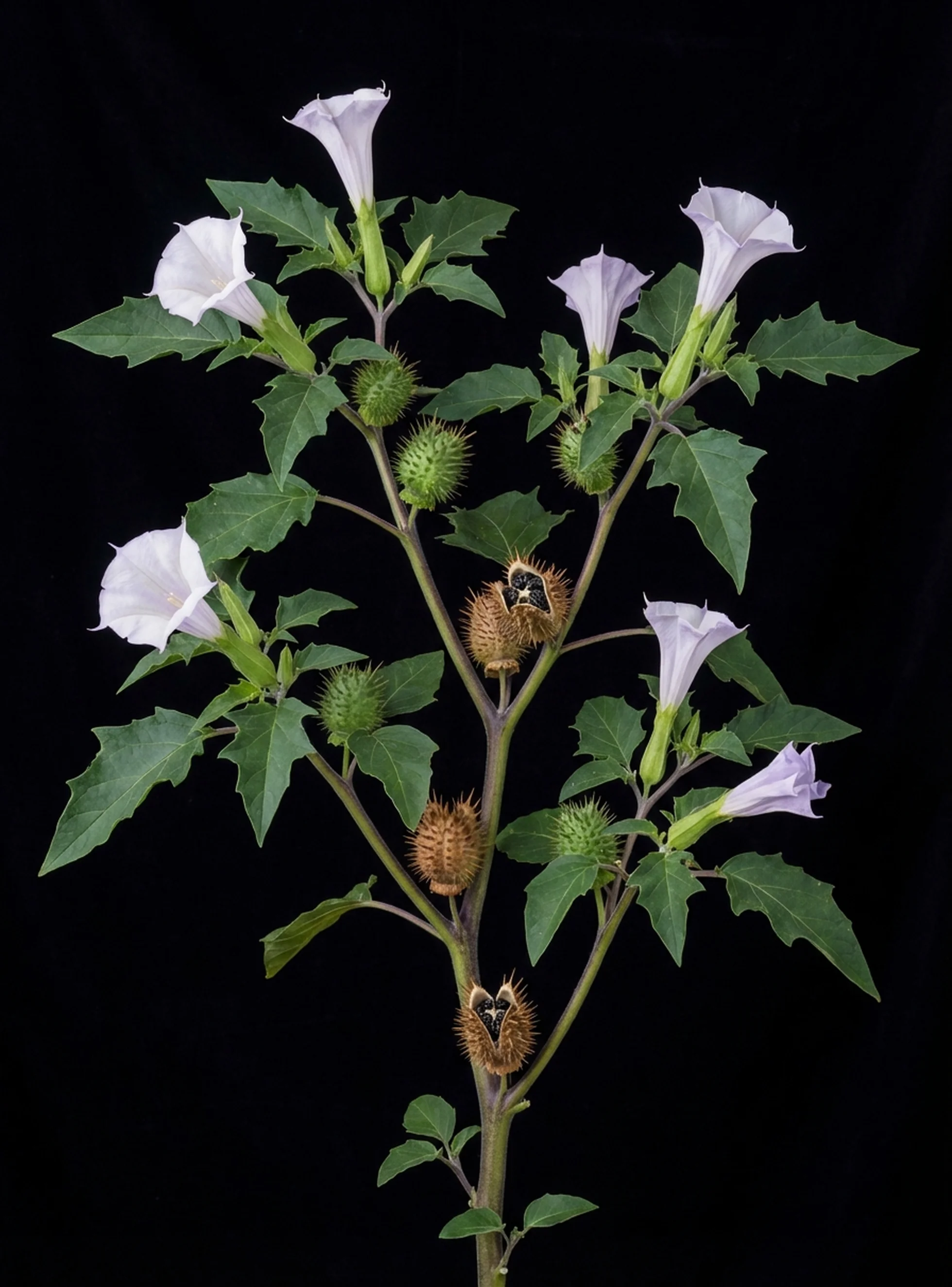
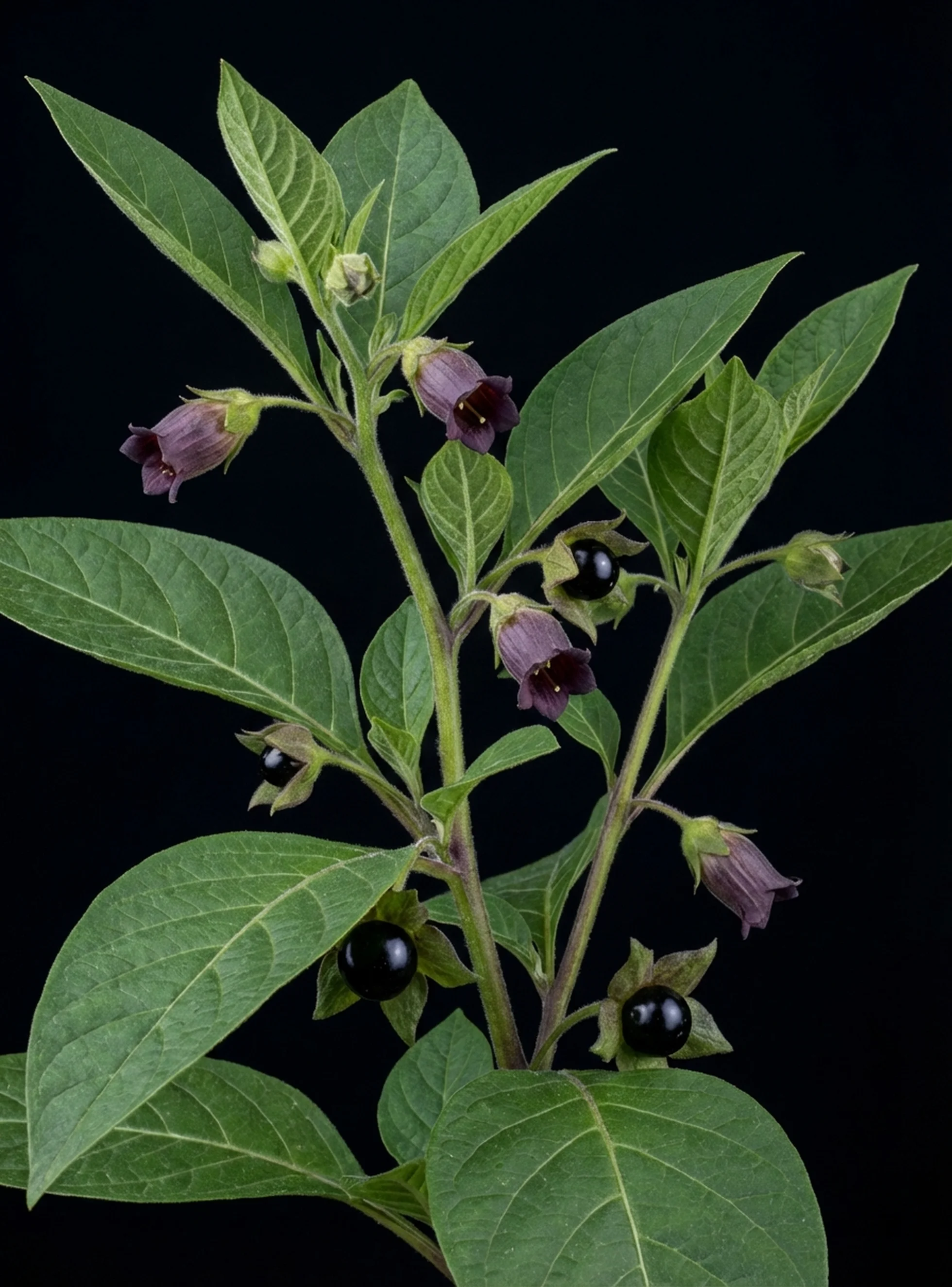
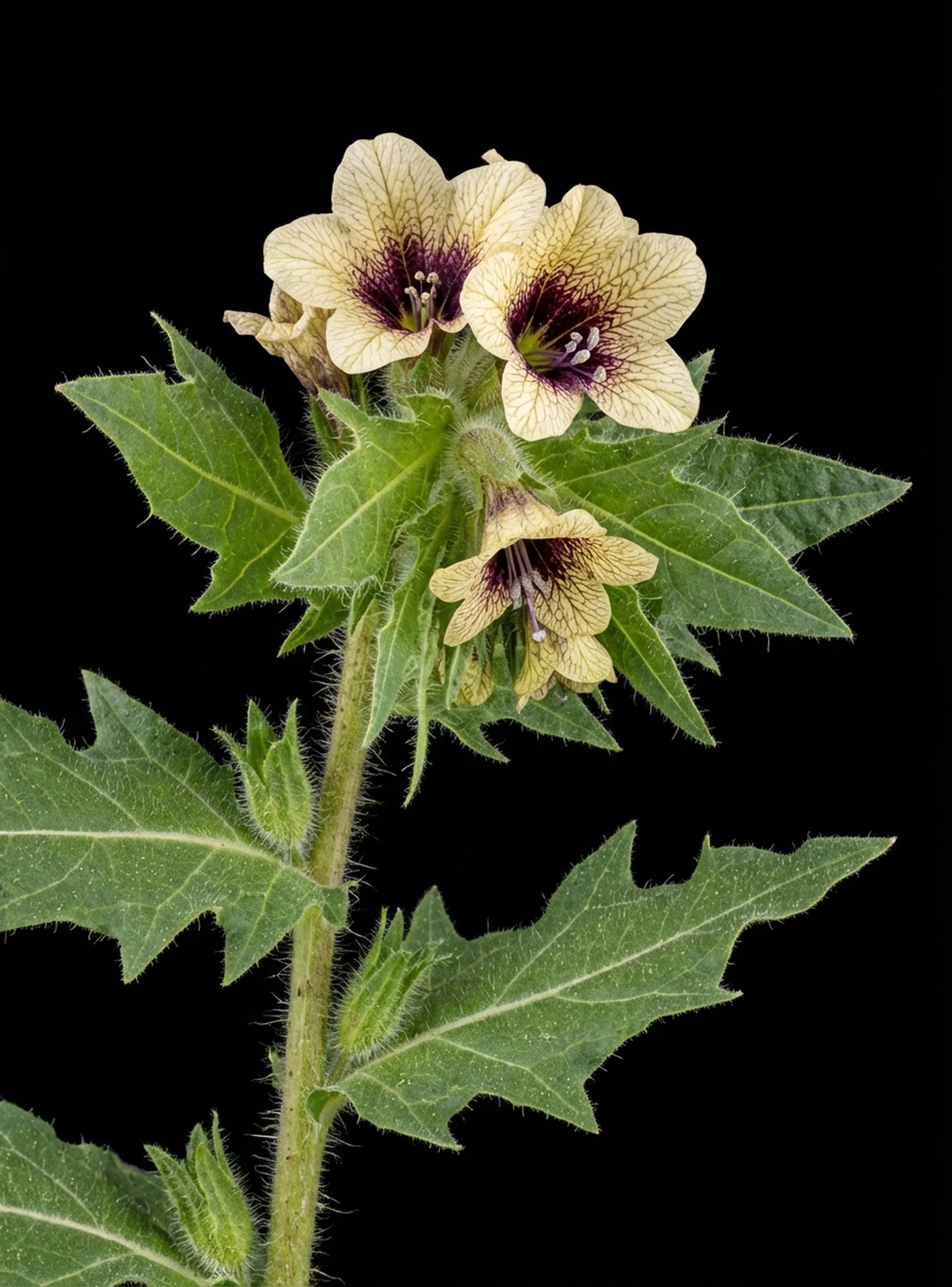
Family: Solanaceae (the nightshade family, alongside Atropa belladonna, Hyoscyamus niger, and Datura stramonium)
Substance type: Herbaceous plant containing tropane alkaloids
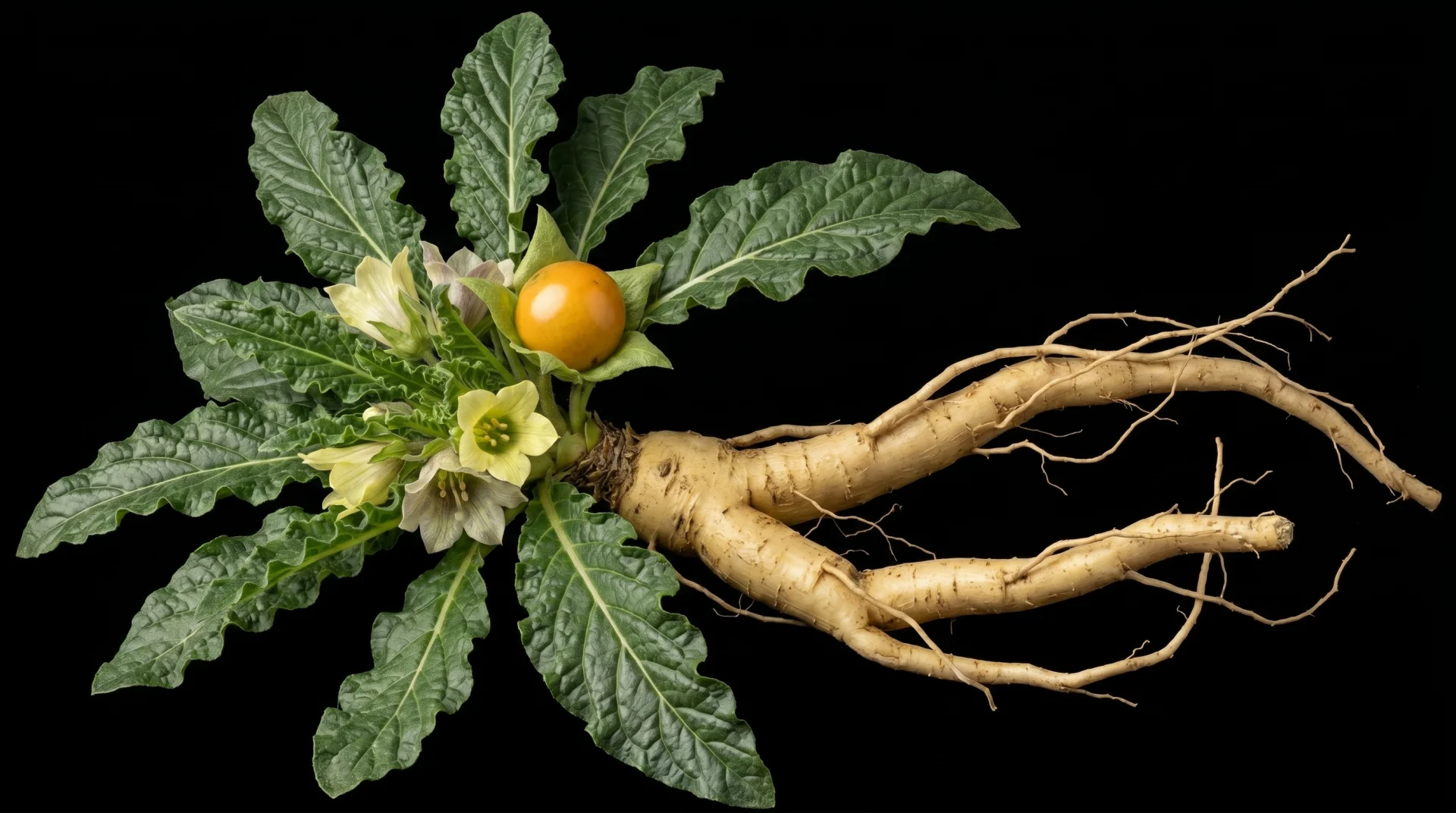
Key features: Mandrake is distinguished by its thick, bifurcated root, which often resembles a human figure. The plant grows as a stemless rosette of dark green, crinkled leaves, producing bell-shaped flowers (pale yellow to greenish-white) and small orange-yellow berries resembling tomatoes. Three species are recognized: M. officinarum, M. autumnalis, and M. acaulis.
Classification context: Mandrake belongs to the anticholinergic deliriant class, pharmacologically distinct from serotonergic psychedelics (psilocybin, LSD, mescaline) and dissociatives (ketamine, salvia). Its closest pharmacological relatives are other tropane-containing Solanaceae: deadly nightshade, henbane, and jimsonweed.
Strength and duration
Intensity profile
Duration
Aftereffects: ** Fatigue, next-day brain fog, lingering anxiety, mild autonomic residue (dry mouth, mild tachycardia), memory gaps (profound amnesia for 30-60% of experience typical). Aftereffects often persist 12-24 hours [anecdotal].
Chemistry
Mandrake's psychoactive effects arise from tropane alkaloids, a class of compounds that block acetylcholine receptors in the brain and body. The two primary alkaloids are scopolamine (hyoscine), which accounts for roughly 40-60% of total alkaloid content, and hyoscyamine, which makes up another 20-40%. A smaller fraction consists of atropine (the racemic form of hyoscyamine), along with trace amounts of apoatropine, mandragorine, and nicotine.
The mechanism is fundamentally different from classical psychedelics. Where psilocybin and LSD activate serotonin receptors (particularly 5-HT2A), mandrake's alkaloids act as competitive antagonists at muscarinic acetylcholine receptors (M1 through M5). They block cholinergic signaling rather than enhancing serotonergic signaling. This distinction is not academic; it shapes every aspect of the experience.
In the hippocampus, muscarinic blockade disrupts the encoding of new memories, producing the acute amnesia that is a hallmark of anticholinergic states. In the cortex, it undermines sustained attention and executive function, leading to thought disorganization and confusion. In the visual cortex and thalamus, it produces blurred vision and fragmented, dreamlike hallucinations, qualitatively different from the structured, geometric patterns associated with serotonergic compounds. In the brainstem, parasympathetic blockade tips the autonomic nervous system toward sympathetic dominance: heart rate climbs, pupils dilate, the mouth dries, and body temperature rises.
One notable pharmacological feature is the narrow safety margin. Psychoactive effects and toxic effects occur at doses that are relatively close together, in sharp contrast to psilocybin or LSD, which have extremely wide safety margins. Alkaloid concentrations in mandrake root vary 2- to 5-fold between individual plants depending on geographic origin, season (autumn produces higher concentrations), and plant age, making any encounter with the raw plant inherently unpredictable.
The alkaloids are lipophilic, crossing the blood-brain barrier readily. They are metabolized in the liver by esterase enzymes, with scopolamine showing a half-life of roughly 4.5-8 hours and hyoscyamine 3-5 hours. Genetic variation in esterase expression can produce 2- to 3-fold differences in how quickly individuals process these compounds.

Methods of Encounter
People encounter mandrake through several routes, each producing a meaningfully different experience.
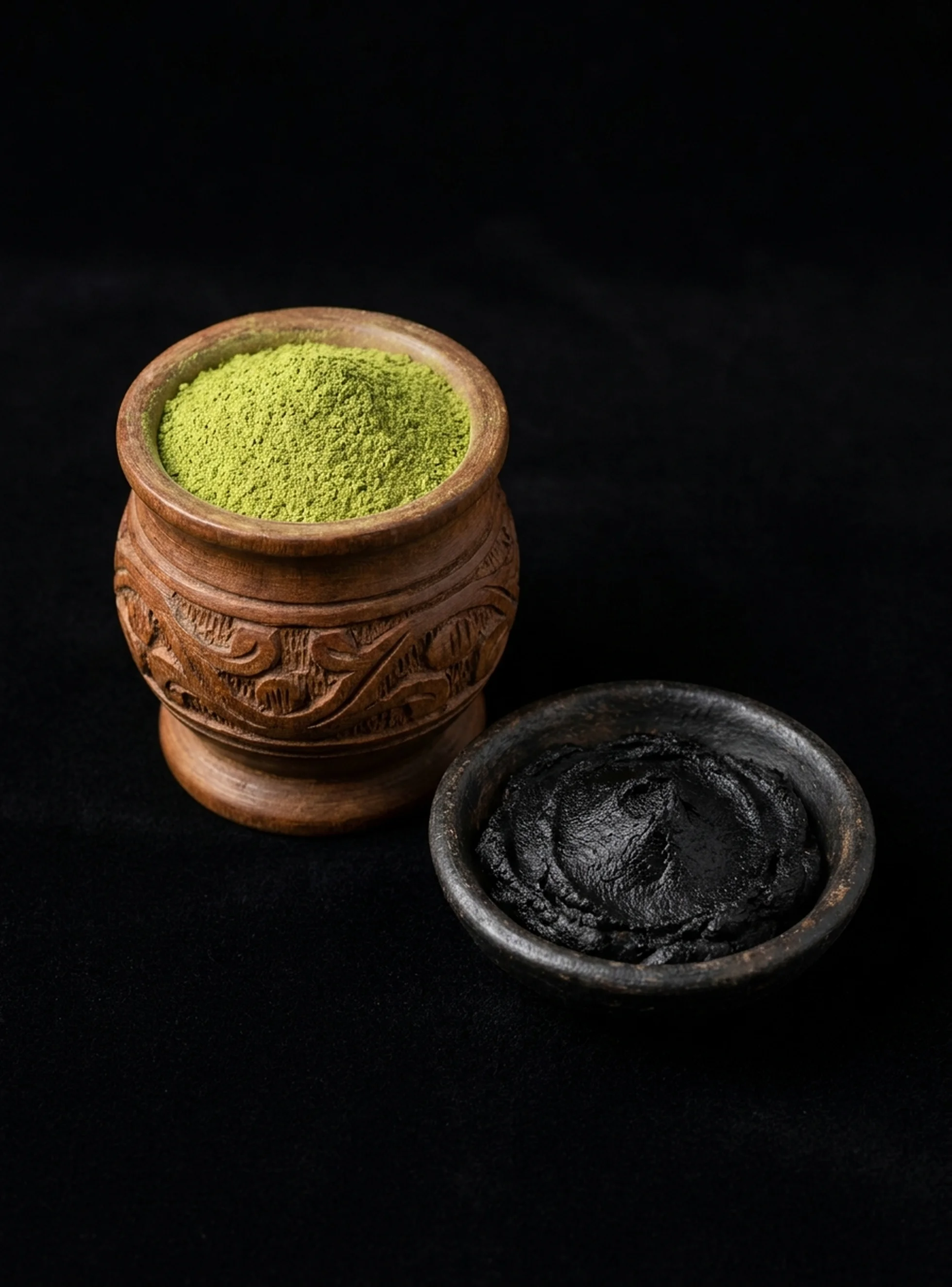
Ingestion (root powder, tea, or tincture) is the most documented method. Onset tends to be slow, typically 30-90 minutes, as the alkaloids must be extracted from the plant matrix by gastric acid and pass through first-pass liver metabolism. The experience builds gradually, often beginning with drowsiness and nausea before deepening into delirium over several hours.
Inhalation of dried leaf smoke produces a much faster onset, typically within 5-15 minutes, because the alkaloids absorb directly through the lungs, bypassing hepatic metabolism entirely. The rapid transition into altered states can be disorienting and may precipitate acute panic. This method appears in some historical accounts of European witchcraft practice but remains poorly documented by modern standards.
Transdermal application (root paste applied to the skin, historically behind the ear or on the inner wrist) produces the most unpredictable timeline. Onset can range from 30 minutes to several hours, and slow, continuous absorption through the skin may sustain effects for 6-12 hours or longer. The difficulty of regulating intensity through this route is significant.
Accidental exposure also occurs. Mandrake grows wild across the Mediterranean, and foragers or gardeners occasionally encounter the plant without recognizing it. Prolonged skin contact with fresh plant material can produce anticholinergic effects.
Route shapes not just timing but character. Faster onset via smoking tends to produce more acute delirium and autonomic activation. Slower onset via ingestion allows a more gradual transition but extends the total duration. No route produces the kind of structured, navigable experience associated with serotonergic psychedelics. There is no established microdosing tradition for mandrake, because anticholinergic side effects (dry mouth, pupil dilation, elevated heart rate) appear at levels well below those that produce meaningful psychological effects.

Origin & History
Mandrake is a plant of the Mediterranean basin, native to the coastal and sub-coastal zones stretching from southern Spain through Italy, Greece, Anatolia, and into the Levant and North Africa. Its story begins in the soil of some of the oldest agricultural landscapes on earth.
Pollen and seed from mandrake have been identified at Neolithic sites in the Levant dating to roughly 8000 BCE, though whether these represent intentional cultivation or wild collection remains unclear. What is clear is that by the time literate civilizations emerged, the plant was already embedded in medical and ritual practice. Theophrastus, writing in the 4th century BCE, described elaborate harvesting procedures involving circles drawn with iron and incantations spoken while facing west. Whether these rituals reflected genuine psychoactive use or literary embellishment is still debated.
By the 1st century CE, the Greek physician Dioscorides documented mandrake in his Materia Medica as an anesthetic and sedative, often combined with wine or opium poppy for surgical pain management. Roman military medics reportedly used mandrake-wine mixtures for battlefield anesthesia. In the Islamic medical tradition, physicians like Avicenna incorporated mandrake into anesthetic preparations and antispasmodic remedies, approaching it as a rational pharmacological tool rather than a magical object.
The plant's most vivid cultural life, however, emerged in medieval Europe. Between the 13th and 18th centuries, the mandrake root became the alraun, a quasi-human talisman in German and English folk magic. The bifurcated root was dressed in cloth, fed with food and milk, spoken to, and consulted for prophecy. Possession of a mandrake root could mark someone as a practitioner of witchcraft, and in some German and English prosecutions during the 1580s-1700s, it served as evidence against the accused. Notably, these trials disproportionately targeted poor women and socially marginalized individuals.
Modern milestones arrived through chemistry rather than magic. In 1806, Heinrich Mein isolated scopolamine from a related Solanaceae species, and in 1833 Friedrich Wilhelm Sertürner isolated hyoscyamine from mandrake root itself, revealing the chemical basis for what folklore had long observed. The 1960s counterculture brought renewed ethnobotanical curiosity, but no formal clinical trials followed. The 1970s saw scopolamine enter pharmaceutical use as a transdermal patch for motion sickness, derived from related plants rather than mandrake specifically.
Today, mandrake remains a low-priority research subject with no ongoing clinical trials. Its scientific story is largely told through its alkaloids, which found their way into modern medicine through other members of the nightshade family, while the plant itself settled into the margins of ethnobotanical curiosity.

Effects
Understanding mandrake's effects requires setting aside what most people associate with the word "hallucinogen." This is not a substance that tends to produce beauty, insight, or expanded awareness. Its effects are better understood as a form of pharmacological disruption, a systematic interference with the brain's cholinergic signaling that touches perception, cognition, emotion, and the body in ways that are often distressing.
Perceptual effects (rated 6/10 in intensity) center on dysfunction rather than enhancement. Vision blurs as the ciliary muscle loses its ability to focus. Pupils dilate, making light harsh and uncomfortable. When hallucinations occur, they tend to be fragmented and dreamlike rather than structured or geometric. Colors may appear dark or muted. Some people report shadowy figures, threatening imagery, or a sense of hostile presences at the edges of vision. Auditory distortions, muffled hearing, or tinnitus may accompany the visual changes. A characteristic anticholinergic sensation is formication, the feeling of insects crawling across the skin, which can coexist paradoxically with numbness in the extremities.
Cognitive effects (rated 8/10) are the most defining feature of the mandrake experience. The compound acts on the hippocampus and cortex to produce severe thought disorganization, difficulty maintaining focus, and a progressive loss of the ability to distinguish internal mental states from external reality. This is delirium in the clinical sense: not confusion about the meaning of experience, but confusion about whether experience is real. Memory encoding is profoundly impaired. Most people who encounter mandrake at meaningful intensity report significant amnesia for portions of the experience, sometimes 30-60% of it, emerging afterward with fragmentary recollections at best. Time perception distorts severely, with minutes and hours becoming indistinguishable.
Emotional effects (rated 7/10) tend to follow a characteristic arc. Some people report initial calm or mild elevation in the early phase, but the emotional tone typically darkens as the experience deepens. Anxiety, unease, and a growing sense of dread are commonly reported. Paranoia may emerge, along with rapid swings between calm and agitation. At higher intensities, the emotional landscape can include genuine terror, existential dread, and a loss of emotional regulation that may manifest as weeping, shouting, or withdrawal. Unlike serotonergic psychedelics, where difficult emotional material often resolves or transforms during the experience, the dysphoria of a mandrake encounter tends to intensify over time.
Somatic effects (rated 7/10) reflect the anticholinergic profile directly. Heart rate typically rises. The mouth and skin become severely dry. Body temperature may climb, sometimes producing a subjective sensation of heat that progresses to genuine fever at higher intensities. Nausea is common in the first hour or two. Coordination deteriorates, with tremor, stumbling, and difficulty judging distance or movement. Urinary retention is a characteristic anticholinergic effect that can be physically uncomfortable.
The overall arc of a typical encounter via ingestion tends to move through initial drowsiness and nausea (first 30 minutes), deepening dissociation and visual blurring (30-90 minutes), pronounced delirium with possible hallucinations and peak autonomic activation (90-240 minutes), and gradual resolution with significant memory gaps (4-8 hours total). There is no consistent positive afterglow. Residual fatigue, brain fog, anxiety, and lingering autonomic effects may persist into the following day.
Variability between encounters is high, driven primarily by differences in plant alkaloid concentration (which can vary 2- to 5-fold between specimens), route of administration, individual metabolism, and psychological state. This unpredictability is itself a defining feature of the mandrake experience.
A note before reading
Each experience is different. What you may notice depends on dose, setting, and the body and mind you bring to it.
What people often notice
Emotional spectrum
Visual
Patterns and gentle distortions may surface, surfaces breathing slightly, edges softening, geometries flickering at the periphery.
Cognitive
Rapid pattern recognition is common, with frames and assumptions dissolving and reforming in quick succession.

Risks & Limits
Mandrake carries a risk profile that is notably different from, and in important respects more serious than, that of serotonergic psychedelics. The central concern is the narrow safety margin: psychoactive effects and toxic effects occur at doses that are not far apart, and the natural variability in alkaloid concentration between plants means that a dose from one root may be mild while the same quantity from another root may be dangerous.
Physical risks are driven by the anticholinergic mechanism itself. Elevated heart rate and blood pressure are typical effects. In people with pre-existing cardiovascular conditions (coronary artery disease, hypertension, arrhythmia history), these effects can precipitate serious cardiac events. Hyperthermia, the elevation of body temperature, is a well-established anticholinergic effect that can progress from uncomfortable warmth to genuine medical emergency at higher intensities. Seizures, while not specifically documented with mandrake, are a recognized risk of severe anticholinergic toxicity and should be considered a possibility.
Psychological risks are substantial. Delirium, the core cognitive effect, is not a navigable altered state. It involves genuine confusion about what is real, often accompanied by frightening hallucinations and thought disorganization. Anxiety and panic are common. For people with latent vulnerability to psychotic disorders (family history of schizophrenia or bipolar disorder), anticholinergic drugs are known to trigger or exacerbate psychotic episodes. The intense fear and reality-confusion experienced during a mandrake encounter can also produce trauma-like responses that may require processing afterward.
Behavioral risk during the experience itself is significant. Delirium impairs judgment, reality-testing, and motor coordination simultaneously, creating a high risk of accidental injury: falls, burns, wandering into dangerous situations. This is a substance that may render a person unable to recognize danger or act in their own interest.
Drug interactions are important to understand. Combining mandrake with other anticholinergic substances (certain antihistamines, antidepressants, antispasmodics) creates additive toxicity risk. Combining it with stimulants increases cardiovascular strain. Alcohol deepens sedation and impairs thermoregulation. Tricyclic antidepressants, which have their own anticholinergic properties, present a particularly severe interaction risk.
Populations at elevated risk include people with cardiovascular disease (roughly a third of US adults have hypertension), those with uncontrolled glaucoma (anticholinergic-induced pupil dilation can precipitate acute angle-closure), individuals with urinary retention or prostate conditions, anyone with a personal or family history of psychotic disorders, and people over 65 (who show increased sensitivity to anticholinergic effects). Mandrake should be avoided entirely during pregnancy and breastfeeding.
Physical dependence and addiction are not risks with mandrake. Anticholinergic drugs do not produce physical dependence, withdrawal, or craving. The dysphoric nature of the experience itself tends to discourage repeated use.
The importance of set, setting, and the presence of a sober, trusted companion cannot be overstated with a substance that may produce delirium. Unlike psychedelics where set and setting influence the quality of the experience, with mandrake they may determine whether someone remains physically safe.

Integration
Integration after a mandrake encounter looks different from integration after a serotonergic psychedelic experience, and acknowledging that difference is the first step.
With psilocybin or LSD, people often emerge with a sense of insight, a feeling that something was revealed or understood. The work of integration becomes making sense of that revelation and weaving it into daily life. With mandrake, the experience is more commonly characterized as "just terrifying delirium," with significant gaps in memory and no clear narrative or meaning to hold onto. This can leave people confused about how to process what happened, or even whether there is anything to process.
The most immediate need after a mandrake encounter is physical recovery. The anticholinergic effects take a toll on the body, and adequate rest, hydration, and sleep are not optional. Brain fog, fatigue, and lingering anxiety often persist into the following day and may take several days to fully resolve.
Memory fragmentation is a particular challenge. People typically report amnesia for 30-60% of the experience, leaving them with scattered, often disturbing fragments rather than a coherent narrative. The impulse to reconstruct "what happened" is natural but may not always be productive. Sometimes the honest acknowledgment that large portions of the experience are simply lost is more grounding than speculation.
Emotional processing may require more attention than meaning-making. If the experience involved intense fear, paranoia, or a sense of threat, the body may carry residual activation from that threat response. Grounding practices (mindfulness, somatic awareness, time spent in nature, return to familiar routines) can help re-establish a sense of safety. For some people, the experience may resemble a traumatic event closely enough that trauma-informed support, whether from a therapist familiar with altered states or a trusted companion, becomes genuinely helpful.
Social support matters. Sharing the experience with someone who can listen without judgment, and who can validate that the fear was understandable rather than pathological, can ease the process of re-orienting. This is not a substance that typically produces experiences people feel eager to share publicly, but the isolation of processing it alone can compound the difficulty.
Patience is essential. For most people, the acute psychological effects resolve within a week, and any ongoing processing tends to settle within a month. Some people find that the experience, however unpleasant, prompts a reevaluation of their relationship to risk, control, or mortality. Others file it as a discrete, aversive event and move on. Neither response is wrong.
Ethics & Ecology
Mandrake presents a lighter ecological footprint than many substances profiled in this library. The plant is native to the Mediterranean basin, where wild populations remain stable and widespread. It is not assessed by the IUCN Red List, and no evidence suggests population decline at a species level, though localized reduction from habitat loss (agriculture, urbanization) has been noted in parts of southern France and Spain.
Wild harvesting pressure is minimal. Unlike ayahuasca vine, peyote, or wild ginseng, mandrake does not face a sustainability crisis driven by demand. Its high toxicity and narrow safety margin naturally limit recreational interest, and the ethnobotanical market is small. Cultivation is possible in Mediterranean climates and increasingly in temperate gardens, further buffering any pressure on wild populations.
The cultural landscape is similarly uncomplicated compared to many psychoactive plants. Mandrake's ceremonial history is distinctly European, rooted in medieval witchcraft and Greco-Roman medicine. No living indigenous community maintains a central tradition around the plant that could be appropriated. Contemporary neo-pagan and witchcraft practitioners who incorporate mandrake into ritual are engaging in creative reinterpretation of European folk practices rather than borrowing from a marginalized culture.
This does not mean the history is free of injustice. Mandrake's association with witchcraft tied it to one of Europe's darker chapters. Witchcraft prosecutions between the 15th and 18th centuries disproportionately targeted poor women and socially marginalized people, and possession of a mandrake root could serve as evidence against the accused. This is a gendered dimension of power and persecution rather than a racialized one, but it deserves acknowledgment as part of the plant's story.
The legal landscape is complex and varies significantly by country. Mandrake is illegal in much of Northern Europe, the UK, and Oceania, while remaining legal or unregulated across parts of Southern Europe, Central Europe, and the Americas. The details are available in the legal status section of this profile. Legality should not be confused with safety, and illegality should not be confused with moral judgment.
Misconceptions
Mandrake root screams when pulled from the ground, and hearing the scream is fatal.
This is folklore, not biology. The legend of the mandrake scream is documented in medieval European grimoires and reflects the plant's status as a quasi-human magical object (the *alraun* or homunculus) in witchcraft tradition. Mandrake roots do not produce sound. The belief is mythological.
Mandrake is a psychedelic that produces insights and spiritual experiences.
Mandrake is pharmacologically and experientially distinct from serotonergic psychedelics like psilocybin or LSD. It is an anticholinergic deliriant. Where psychedelics tend to produce structured hallucinations, enhanced mood, and a sense of meaning, mandrake produces fragmented delirium, thought disorganization, amnesia, and predominantly dysphoric emotional states. Both produce altered states of consciousness, but the resemblance is superficial.
Mandrake is safe because it is natural.
Botanical origin does not confer safety. Mandrake has a narrow safety margin, meaning psychoactive and toxic effects occur at doses that are not far apart. Alkaloid concentration varies 2- to 5-fold between individual plants, making any encounter with the raw material inherently unpredictable. Several serotonergic psychedelics (psilocybin, LSD) have far wider safety margins despite being partially or fully synthetic.
Small doses produce subtle, pleasant relaxation, similar to microdosing psychedelics.
Anticholinergic side effects (dry mouth, pupil dilation, elevated heart rate, cognitive disruption) appear at levels well below those producing meaningful psychological changes. True sub-perceptual use is not possible with mandrake because the body registers the compound's presence before the mind does.
Mandrake is addictive.
Anticholinergic drugs do not produce physical dependence, withdrawal, or craving. The dysphoric, aversive nature of the experience further discourages repeated use. Addiction is not a documented risk for this class of compounds.
FAQ

Reflection
Mandrake does not fit easily into the contemporary conversation about psychedelics. It offers no promise of healing, no reliable pathway to insight, no luminous visions to bring home and contemplate. What it offers, if that is even the right word, is an encounter with the uncanny, with a state of consciousness defined by its own dissolution.
Perhaps that is why the plant has persisted in the human imagination for millennia, not despite its difficulty but because of it. The medieval practitioners who dressed their mandrake roots in cloth and spoke to them in the dark may have understood something that pharmacology confirms: this is a substance that operates at the boundary between self and not-self, between coherent experience and its absence.
What does it mean to seek an encounter with forgetting? What does it say about consciousness that a single molecule can unravel its coherence so thoroughly? These are not questions mandrake answers. They are questions it leaves behind.
Sources
Ethnobotany & Cultural History
- ●Schultes, R.E., Hofmann, A., & Rätsch, C. (1998). Plants of the Gods: Their Sacred, Healing, and Hallucinogenic Powers (Revised and Expanded Edition). Healing Arts Press.
- ●Ott, J. (1995). Pharmacotheon: Entheogenic Drugs, Their Plant Sources and History (Revised 2nd Edition). Natural Products Co.
- ●Graves, T.C. (2010). "The mandrake and its legend." Folklore, 121(3), 306-326.
- ●Müller-Ebeling, C., Rätsch, C., & Storl, W.P. (2003). Witchcraft Medicine: Healing Arts, Shamanism, and Forbidden Plants. Inner Traditions.
- ●Rätsch, C. (2005). The Encyclopedia of Psychoactive Plants: Ethnopharmacology and its Applications. Park Street Press.
- ●Lewin, L. (1931). Phantastica: Narcotic and Stimulating Drugs, Their Use and Abuse. Kegan Paul, Trench, Trubner & Co.
Pharmacology & Chemistry
- ●Benowitz, N.L. (1980). "Pharmacology of nicotine: addiction and therapeutics." Annual Review of Pharmacology and Toxicology, 36, 597-613.
- ●Eichenbaum, H. (2002). The Cognitive Neurobiology of Memory. Oxford University Press.
- ●Turek, J.W., & Grossman, C.J. (1992). "Anticholinergic medications: Use and misuse." American Journal of Psychiatry, 149(5), 639-646.
Historical Medicine
- ●Scarborough, J. (1969). Roman Medicine. Cornell University Press.
- ●Elger, K. (2009). "The underground botanical history of medieval witchcraft and demonology." Journal of Ethnopharmacology, 123(3), 410-421.
Psychedelic Research Context
- ●Passie, T. (2018). "The early history of hallucinogen research in psychiatric applications." Current Topics in Behavioral Neuroscience, 36, 1-25.
- ●National Institute on Drug Abuse (NIDA). (2020). "Hallucinogens: Psilocybin, LSD, PCP, Ecstasy/MDMA." NIDA Research Reports. https://www.drugabuse.gov/
Regulatory
- ●European Medicines Agency (EMA). (2016). Assessment report on Mandragora officinarum L. and/or Mandragora autumnalis Spreng., Radix.
For how we evaluate sources and structure our claims, see the methodology.