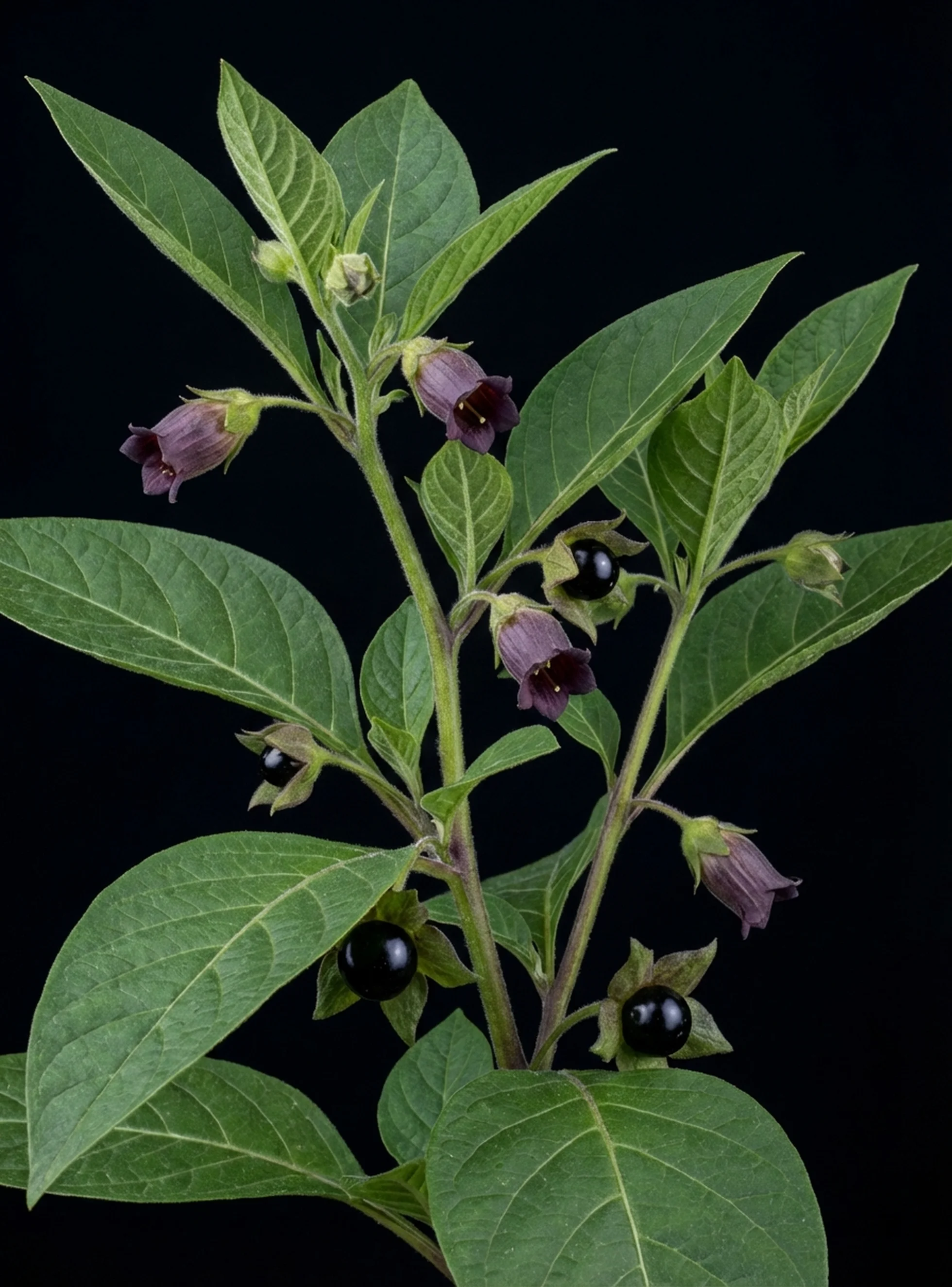
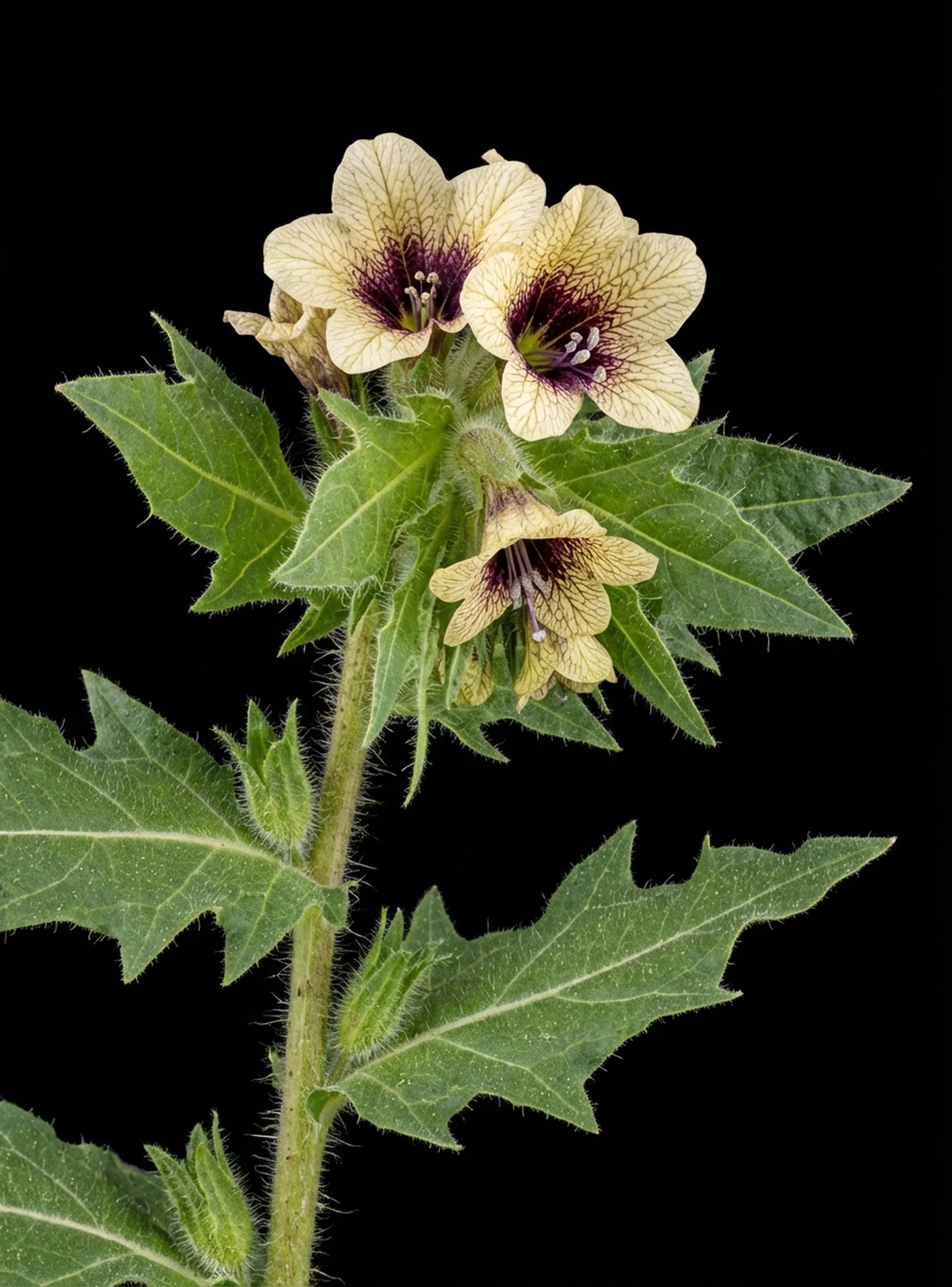
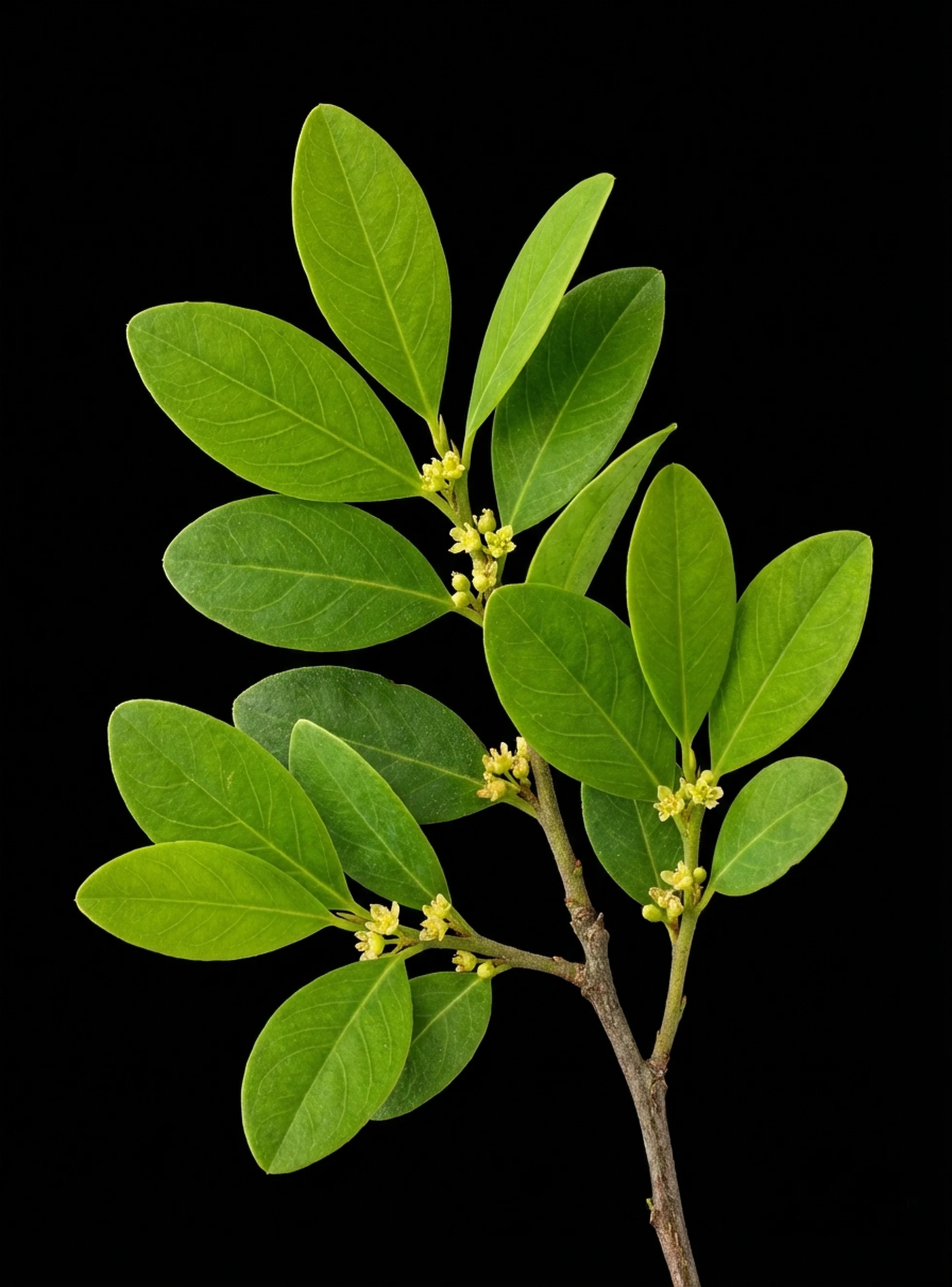
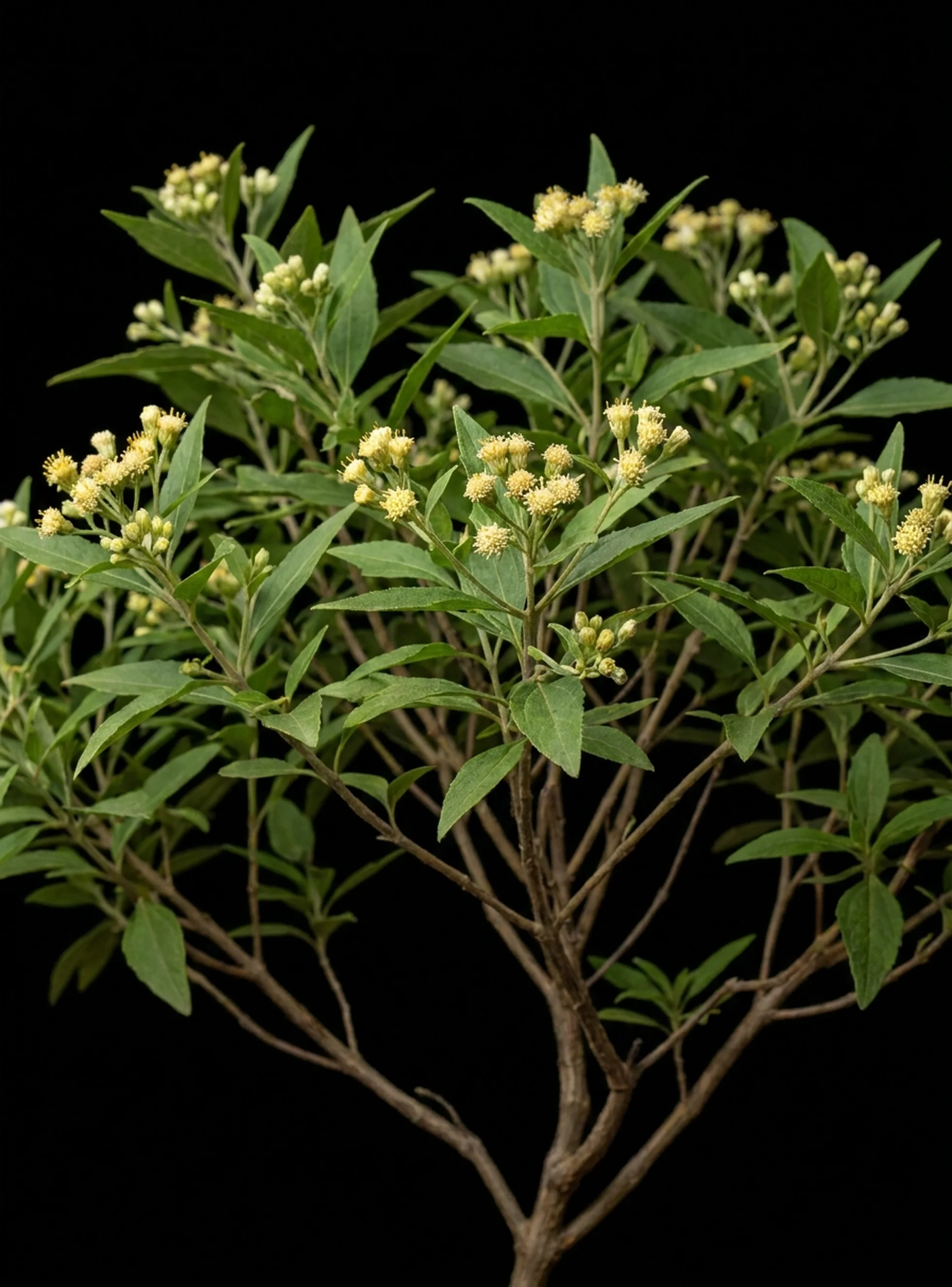
Datura is a thorn-apple nightshade containing powerful anticholinergic alkaloids, a plant with a long history in ritual and medicine and a serious reputation for danger even at low doses.
Datura
Datura is a thorn-apple nightshade containing powerful anticholinergic alkaloids, a plant with a long history in ritual and medicine and a serious reputation for danger even at low doses.
Fact file
- Type
- Plant
- Botanical name
- Datura stramonium
- Other names
- Datura, Jimsonweed, Devil's weed, Thorn apple
- Origin
- Global (tropical and temperate)
- Duration
- 12-36 hours
- Strength
- Overwhelming
- Legal status
- Illegal in 29 of 39 listed jurisdictions, and varies elsewhere
What is Datura?
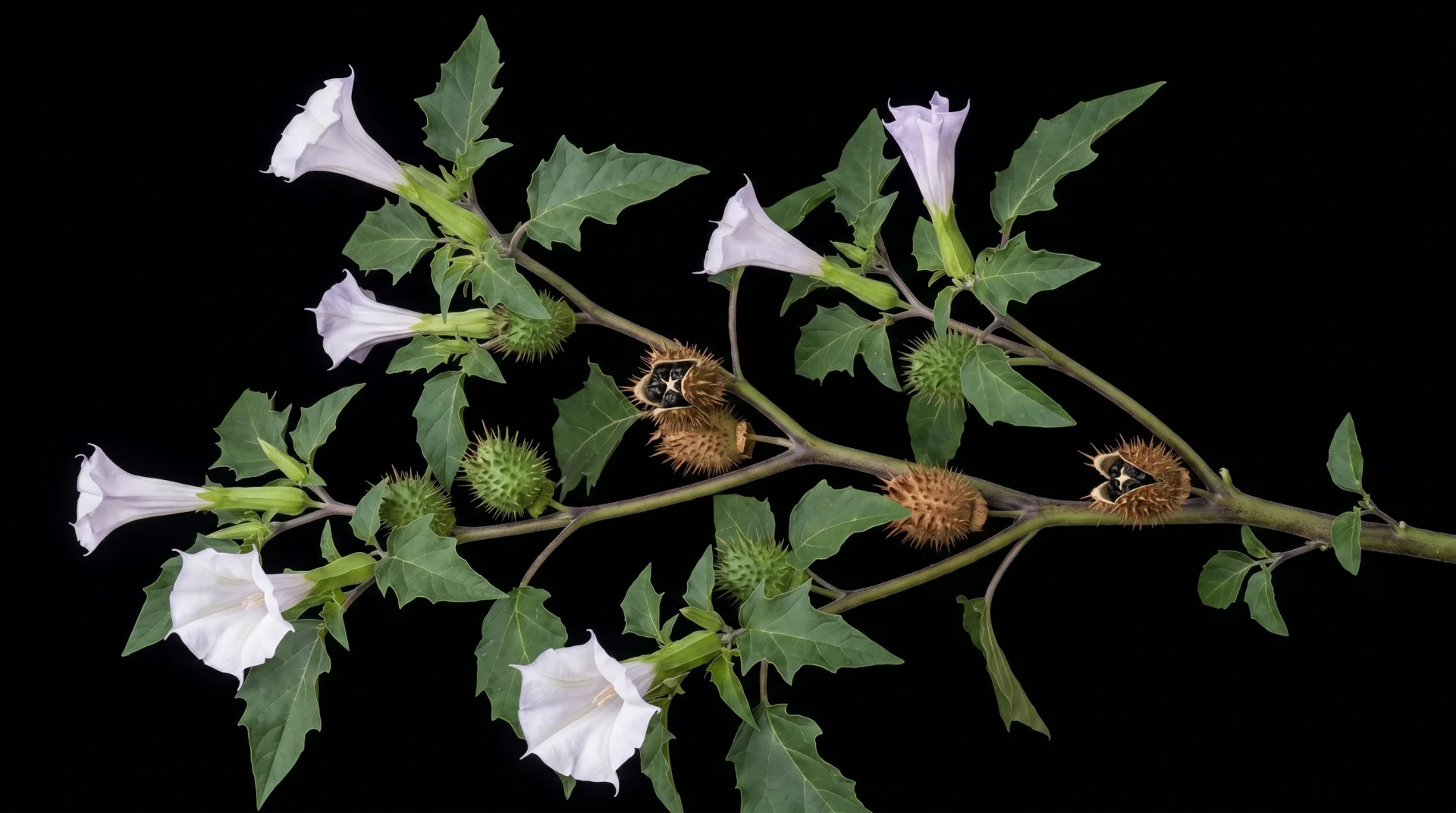
There is a plant that grows in ditches and vacant lots, its white trumpet flowers opening at dusk like invitations no one asked for. Datura stramonium does not expand consciousness so much as dismantle it, replacing the familiar architecture of thought with something closer to a waking fever dream, a landscape where hallucinations arrive not as visions but as uninvited guests who refuse to identify themselves.
Unlike the serotonergic psychedelics that amplify or reshape perception, Datura works by subtraction. It blocks acetylcholine, the neurotransmitter responsible for memory, attention, and the quiet background work of distinguishing what is real from what is not. The result is not insight but delirium, not revelation but confusion so thorough that most people cannot remember they chose to enter it.
Datura is ancient, feared, and poorly understood. It has been a tool of Nahua healers, an ingredient in European witchcraft ointments, and a recurring presence in poison control databases. It demands respect not because it offers wisdom, but because it operates at the boundary where pharmacology becomes emergency medicine. To understand Datura is to understand how thin the line is between an altered state and a medical crisis.
The substance
Scientific name: Datura stramonium L. (the most widely distributed species), with notable relatives including D. inoxia (downy datura), D. metel (devil's trumpet), and D. ferox (fierce datura).
Common names: Jimsonweed, devil's weed, thorn apple, moonflower, stinkweed. In Nahuatl: toloatzin ("plant that bows the head"). In Spanish: toloache, chamico.
Classification: A herbaceous annual in the Solanaceae (nightshade) family, genus Datura, comprising roughly 12 recognized species. All share essentially identical alkaloid profiles, meaning the taxonomic debates around species boundaries have minimal pharmacological consequence.
Substance type: Plant. Its psychoactive properties arise from tropane alkaloids, primarily scopolamine, hyoscyamine, and atropine. These are anticholinergic compounds, pharmacologically opposite to the serotonin-based psychedelics like psilocybin or LSD. Where those substances activate neural pathways, Datura's alkaloids block them.
Distinguishing features: Characteristic Y-shaped branching, large trumpet flowers opening in the evening, spiny seed pods containing hundreds of small black seeds, and a pungent, acrid smell when the leaves are crushed.
Strength and duration
Intensity profile
Variability: High (depends heavily on dose, setting, and individual sensitivity)
Duration
Aftereffects: ** - Physical: Dry mouth (up to 24 hrs), residual tremor, fatigue, achiness (24–48 hrs), possible constipation (lasting days) - Cognitive: "Brain fog," difficulty concentrating (24–48 hrs), poor memory consolidation - Emotional: Emotional blunting, depression-like affect, lingering anxiety (24–72 hrs); many users report emotional exhaustion - Duration of aftereffects: Most users report full return to baseline 24–48 hours; some report extended cognitive haziness (48–72 hrs)
Chemistry and mechanism
Datura's psychoactivity rests on three primary tropane alkaloids: scopolamine (hyoscine), hyoscyamine, and atropine (the racemic form of hyoscyamine). These compounds share a tropane ring skeleton and act as non-selective antagonists at muscarinic acetylcholine receptors (M1 through M5).
In practical terms, this means Datura blocks one of the brain's most important signaling systems. Acetylcholine governs memory consolidation, sensory filtering, attention, and the autonomic functions that regulate heart rate, body temperature, and digestion. When these receptors are blocked, the downstream effects cascade: the hippocampus loses its grip on memory, the cerebral cortex generates delirium and hallucinations, the hypothalamus fails to regulate body temperature, and the brainstem struggles to maintain autonomic balance.
Scopolamine crosses the blood-brain barrier more readily than hyoscyamine, making it the primary driver of central effects like dissociation and delirium. Hyoscyamine and atropine produce a more balanced mix of central and peripheral anticholinergic effects, contributing to the tachycardia, dry mouth, and pupil dilation that characterize the experience.
Secondary alkaloids include meteloidine (psychoactive but less potent) and trace compounds like littorine and pseudotropine, which contribute minimally to the overall effect.
Alkaloid concentrations vary dramatically, 3 to 10 fold, depending on plant part, growing conditions, maturity, and genetics. Leaves contain the highest concentration (0.3-0.7% dry weight), followed by roots, seeds, and flowers. This variability is not a minor inconvenience; it is the central pharmacological fact about Datura. There is no way to standardize intake from raw plant material without laboratory analysis.
The metabolic pathway adds further unpredictability. Oral absorption varies widely based on stomach contents and pH. Hepatic metabolism occurs through CYP3A4 and CYP2D6 enzymes. Half-lives range from roughly 3.5 hours for hyoscyamine to 5 hours for scopolamine, but delayed absorption from plant material can create secondary plasma peaks hours into the experience.
One conceptual distinction matters: Datura's psychoactivity arises from antagonism, blocking a key neurotransmitter, rather than the agonism that drives serotonergic psychedelics. This produces a fundamentally different phenomenology: chaotic and dysphoric rather than expansive or integrative.

How people encounter it
Most encounters with Datura are unintentional. The plant grows wild across temperate zones, and US poison control centers record roughly 140 to 200 Datura exposures annually, many involving children or foragers who mistake it for something benign.
Traditional contexts center on Mesoamerica, where Nahua healers (curanderas) used D. inoxia seeds or leaf preparations for shamanic divination, restricting its use to trained practitioners who understood the risks. In South Asia, D. metel appeared in limited Ayurvedic contexts, though its unpredictability led most formal practice to abandon it. European encounters came through so-called "flying ointments," where Datura-infused fats were applied to the skin during witchcraft rituals.
These traditional methods point to the three primary routes of encounter:
Oral ingestion (seeds, leaf tea, decoction) is the most common intentional route. Onset ranges widely from 15 minutes to 3 hours, with peak effects lasting 4 to 10 hours and total duration extending 12 to 24 hours. The extended, unpredictable timeline reflects delayed gastric absorption: Datura's own anticholinergic effects can slow digestion, creating secondary peaks hours after ingestion.
Topical application (cream, ointment, extract on skin) produces the most gradual onset (30 minutes to 2 hours) but the longest total duration, potentially 10 to 36 hours, as alkaloids create a dermal depot that releases slowly. This was the route described in European witch-trial accounts.
Inhalation (smoking dried plant material) delivers the fastest onset (5 to 20 minutes) and shortest duration (4 to 8 hours), though heat degrades some alkaloids, reducing total absorption. Despite delivering a lower total alkaloid load, the rapid onset often produces the most acutely disorienting experience.
No clinical or therapeutic context exists for Datura plant material. Pharmaceutical scopolamine (isolated and standardized) is FDA-approved for motion sickness, but the plant itself has never been approved for medical use in any country.

Origin and history
Datura's oldest documented home is the semi-arid highlands of central Mexico, the Valley of Mexico, the Bajio region, the states of Guerrero, Morelos, and Oaxaca. It grew in disturbed soil and field margins, a plant of thresholds and in-between places.
The Nahua peoples knew it as toloatzin, "the plant that bows the head," a name that carries both observation and warning. Datura was not a casual substance. It belonged to the tlamatini ("knowers of things") and to curanderas who used it for diagnostic divination, entering altered states to perceive the cause of illness or locate stolen objects. The plant was associated with Tlaloc, the rain god, and with the liminal spaces between ordinary and sacred reality. Its use was restricted, its knowledge transmitted within families.
When Bernardino de Sahagun documented Aztec culture in the decades after the Spanish conquest (1540s-1570s), he recorded toloatzin as producing "madness, visions, prophecy." The Spanish clergy interpreted these practices as paganism and attempted suppression. But Datura use did not vanish; it moved underground, blending with Catholic imagery in the syncretic healing practices of mestizo communities.
Across the Atlantic, Datura arrived in Europe sometime after 1500 and found a different reception. It became associated with witchcraft, appearing in "flying ointments" described in trial records. During the witch hunts of the 1500s through 1700s, knowledge of the plant became evidence of maleficium. In Bamberg around the 1630s, a woman named Johanna Muller was executed after confessions (extracted under torture) mentioned ointments containing Datura.
The nineteenth century brought a shift from persecution to analysis. By the 1860s, chemists had isolated atropine and scopolamine. The 1930s through 1950s saw Henry Dale and others characterize muscarinic antagonism, transforming Datura from a feared plant into an understood pharmacological system.
The ethnobotanical work of the 1970s and 1980s (La Barre, Davis, Schultes and Hofmann) brought Datura to the attention of consciousness-exploration communities. The internet age amplified this: Erowid launched in 1995, and user reports (mostly cautionary) proliferated. Poison control data from the 2000s onward shows the consequences, a steady stream of adolescent hospitalizations and, occasionally, deaths.
As of 2026, Datura remains studied almost exclusively through the lens of toxicology and harm reduction, a plant whose history is inseparable from the question of what we are willing to risk for a glimpse of something beyond ordinary perception.

Effects
No two Datura experiences are reliably similar. Alkaloid content varies 3 to 10 fold between plants, individual sensitivity differs widely, and the anticholinergic mechanism produces a phenomenology that resists neat description. What follows are patterns, not promises.
Perceptual: 8.5/10
Datura's hallucinations arrive not as the vivid geometries of psilocybin but as something quieter and more unsettling. Visual distortions may progress to complex hallucinations of people and small animals described as "too real." But the defining feature is tactile. Many people report vivid sensations of insects crawling on or under the skin (formication), of hands touching the body, of clothing becoming alien. These somatosensory hallucinations often feel more intense than the visual ones.
What distinguishes Datura from serotonergic psychedelics is that hallucinations tend to be believed rather than recognized. The metacognitive awareness that "this is a vision" rarely survives intact.
Cognitive: 9/10
The cognitive disruption is severe. Time perception distorts massively; five minutes may feel indistinguishable from five hours. Anterograde amnesia prevents new memory formation during peak effects, while retrograde memory loss can erase awareness of having taken anything at all. This creates a particularly disorienting loop: you cannot reassure yourself that the effects are from a substance because you have forgotten the substance.
Thought patterns become chaotic, racing and blocked simultaneously. Delusional thinking, often paranoid or persecutory, may take hold with conviction. Unlike the magical thinking that sometimes accompanies psilocybin (and is often recognized as such), Datura's delusions tend to persist as felt truth. The self-other distinction can break down entirely.
Emotional: 8.5/10
The emotional landscape is predominantly difficult. Early onset may bring mild euphoria, but this typically gives way to mounting anxiety and a creeping sense that something is terribly wrong. During peak effects, terror and panic are reported in 60 to 80 percent of documented cases. Persecutory ideation affects 40 to 60 percent. Emotions may alternate between intense fear and a strange blunting, as though the system has overwhelmed its own capacity to feel.
The aftermath carries its own weight. Emotional exhaustion, depressive affect, and existential dread commonly linger for 24 to 72 hours. More than half of those who go through a significant Datura experience report trauma-like emotional responses in the weeks that follow.
Somatic: 7.5/10
The body registers Datura's presence unmistakably. The anticholinergic toxidrome produces a recognizable constellation: heart rate climbing 20 to 40 beats per minute above baseline, extreme pupil dilation, severely dry mouth, and impaired thermoregulation that can push core body temperature toward dangerous levels. Motor coordination deteriorates into stumbling, tremor, and difficulty with fine tasks. Nausea affects roughly a third of people; urinary retention is common.
The somatic arc unfolds over hours: dry mouth and dilating pupils at onset, escalating heart rate during the come-up, maximal autonomic disruption at peak (heart rates of 110 to 150 bpm, body temperature potentially reaching 38 to 40 degrees Celsius), and a slow normalization that may take a full day. Physical fatigue often persists 24 to 48 hours beyond the experience itself.
A note before reading
Each experience is different. What you may notice depends on dose, setting, and the body and mind you bring to it.
What people often notice
Emotional spectrum
Visual
Imagery can become vivid and immersive, often with rich geometry, color depth, and scenes that feel layered onto the room.
Cognitive
Rapid pattern recognition is common, with frames and assumptions dissolving and reforming in quick succession.

Risks and limits
Datura's risk profile is fundamentally different from that of serotonergic psychedelics. Where psilocybin and LSD carry primarily psychological risks within a wide margin of physical safety, Datura operates with a narrow gap between intoxication and medical emergency.
Physical risks center on the anticholinergic toxidrome. Heart rate elevation (documented up to 160 bpm), blood pressure spikes, and cardiac arrhythmias including QT prolongation represent real cardiovascular dangers. Thermoregulation failure can push body temperature above 40 degrees Celsius, particularly when combined with physical exertion or warm environments, leading to rhabdomyolysis (muscle breakdown) and acute kidney injury. Seizures occur in roughly 2 to 5 percent of poisoning cases. Aspiration risk is elevated because delirium, motor impairment, and reduced airway protection converge.
Documented fatality rate is approximately 0.5 to 1 percent of poisoning cases, with an estimated 1 to 3 deaths annually in the United States. Deaths most commonly result from hyperthermia with organ failure, cardiac arrhythmia, or seizure complications. The risk escalates sharply with dehydration, physical exertion, polysubstance use, or delayed medical intervention.
Psychological risks are equally serious. Panic and severe anxiety affect 60 to 80 percent of people. True psychotic episodes with paranoid delusions occur in 40 to 60 percent. Acute suicidal ideation emerges in 10 to 15 percent of poisoning cases. Perhaps most concerning, more than half of people who undergo a significant Datura experience report trauma-like responses afterward, including intrusive memories, hypervigilance, and avoidance behaviors that can meet criteria for acute stress disorder or PTSD.
Drug interactions demand particular attention. Combining Datura with other anticholinergic substances (including common over-the-counter antihistamines like diphenhydramine, tricyclic antidepressants, or certain antipsychotics) creates additive toxicity that can be fatal. Stimulants amplify cardiovascular risk. Alcohol and opioids compound respiratory depression and aspiration danger.
Contraindicated populations include anyone with cardiac arrhythmias or QT prolongation, psychotic disorders, seizure disorders, uncontrolled hypertension, or a history of PTSD or trauma. People taking anticholinergic medications, SSRIs, or tricyclic antidepressants face elevated risk. Children are more susceptible to toxicity. Elderly individuals show increased sensitivity to anticholinergic effects.
The most fundamental risk factor is pharmacological: alkaloid content varies 3 to 10 fold between plants, making it impossible to predict whether any given quantity will produce mild intoxication or life-threatening toxicity. No safe recreational amount exists. Set, setting, and support matter, but they cannot compensate for a substance whose unpredictability is built into its chemistry.

Integration and aftercare
Integration research specific to Datura is essentially nonexistent. What follows draws from broader psychedelic integration literature, trauma recovery frameworks, and the lived accounts of people who have moved through these experiences and found their way back.
The first hours and days after a Datura experience often feel less like the reflective afterglow that sometimes follows psilocybin and more like the aftermath of something that happened to you rather than with you. Emotional numbness, cognitive fog, physical exhaustion, and a lingering sense of unreality are common in the first 24 to 72 hours. Sleep may be disrupted by insomnia or nightmares. The body needs basic care: rest, hydration, gentle nutrition, warmth.
In the days that follow, intrusive memories may surface, fragments of the experience replaying without invitation. Some people find themselves avoiding places or sensory cues associated with what happened. Others feel a pull toward existential questioning, an unsettled sense of identity that does not resolve quickly. These responses mirror the patterns seen in acute stress reactions, and they deserve the same seriousness.
Because Datura experiences often carry a traumatic quality, trauma-informed approaches may be more appropriate than the meaning-making frameworks typically used with serotonergic psychedelics. This might include working with a therapist familiar with both altered states and trauma recovery, or simply finding someone who can listen without judgment. The quality of the listener matters more than the method.
Journaling can help externalize what feels chaotic inside, giving shape to memories that may otherwise cycle without resolution. Grounding practices, things that reconnect you to the body and to present-moment sensation, often provide more relief than attempts to extract meaning from the experience.
Integration after Datura is not a checkbox. It is a practice that unfolds over weeks or months. Some people find that the experience, however difficult, eventually prompts reflection about risk, vulnerability, or the nature of consciousness. Others simply need time and support to feel like themselves again. Both outcomes are legitimate. Patience with the process, and with yourself, is not optional.
Legal and ethical context
Datura presents an unusual ecological profile among consciousness-altering plants: it is not scarce, not threatened, and not under harvesting pressure. Datura stramonium is classified as invasive in many temperate regions outside its native range and thrives in disturbed habitats with minimal water or care. No Datura species appears on the IUCN Red List. The sustainability concerns that surround plants like peyote or wild-harvested ayahuasca vine simply do not apply here.
The ethical questions lie elsewhere.
In its native Mesoamerican context, Datura belongs to a knowledge system. The Nahua peoples who used toloatzin for shamanic divination did so within a framework of training, restriction, and spiritual accountability. When that knowledge enters global circulation through ethnobotanical literature and internet forums, stripped of its ceremonial container and safety protocols, something is lost. Whether this constitutes appropriation is genuinely contested. Datura's psychoactive properties are inherent to its chemistry, not created by any culture. But the knowledge of how to approach it, of the respect it demands, developed within specific communities whose practices were suppressed during colonization.
Commercially, the picture is straightforward and somewhat troubling. Ethnobotanical suppliers sell Datura seeds and plant material; profits flow to those suppliers. No documented cases of benefit-sharing or compensation reach Nahua communities or the curanderas who carry this knowledge. No indigenous intellectual property frameworks have been applied to Datura. This is not unique to Datura, but it is worth naming.
Legal status varies widely. The plant is illegal in roughly 70 percent of surveyed jurisdictions, legal in countries including Mexico, the Netherlands, Spain, Portugal, and several Latin American nations, and occupies a gray area in the United States where federal ambiguity meets state-level prohibition. Legality does not indicate safety, and prohibition does not reflect pharmacological reality so much as the history of drug policy in each jurisdiction.
Common misconceptions
Datura is a gentle, natural medicine like ayahuasca or psilocybin.
Datura blocks acetylcholine, producing delirium and anticholinergic toxicity rather than insight. Traditional Nahua use was restricted to trained practitioners precisely because of the danger. Panic or terror occurs in 60 to 80 percent of cases, with a fatality rate of roughly 1 percent of poisoning cases.
You can control the experience by counting seeds.
Alkaloid content varies 3 to 10 fold depending on growing conditions, genetics, and harvest timing. Two seeds from different plants can contain wildly different concentrations. Without laboratory analysis, there is no method to standardize intake. This unpredictability is the defining safety problem.
Datura hallucinations are more 'real' than other psychedelics.
The inability to distinguish hallucinations from reality is not evidence of deeper truth. It is a consequence of anticholinergic delirium. Psilocybin users often retain awareness that visions are visions. Datura removes that metacognitive layer, which is a risk factor for harm, not a mark of authenticity.
Datura toxicity always resolves without lasting damage.
While many acute poisonings resolve, documented cases include persistent cognitive impairment, cardiac damage, kidney injury, and PTSD-like symptoms lasting months. Calling it merely a "bad trip" minimizes serious consequences.
Datura is highly addictive.
Physical dependence does not develop. Psychological dependence is rare (fewer than 5 percent of users). Over 90 percent report strong aversion to ever using it again. Addiction liability is comparable to psilocybin or LSD.
Frequently asked questions

Reflection
Datura grows where the ground has been broken. Roadsides, construction sites, the margins of cultivated fields. It fills the spaces we leave empty, flowering at dusk when the light is uncertain.
Perhaps there is something in that ecology worth sitting with. Not every plant that alters consciousness does so as an offering. Some alter it as a warning, a reminder that the boundary between perception and delusion is thinner than we prefer to believe, that the mind's ability to construct reality can be undone by a handful of alkaloids acting on a single neurotransmitter system.
Datura does not ask to be loved. It asks, if it asks anything at all, to be understood on its own terms: as a plant whose chemistry sits at the edge of what the human body can tolerate, whose history is tangled with power, persecution, and the enduring human impulse to see beyond what is immediately visible.
What does it mean that the same molecule, scopolamine, can prevent seasickness at one concentration and erase the self at another?
Sources
Genetics and Taxonomy
Aasen, A.J., et al. (2019). "The Evolution of Tropane Alkaloid Biosynthesis in Solanaceae: Comparative Genomics of Datura Species." Phytochemistry, 156, 45-58.
Chemistry and Pharmacology
Berkov, S., Georgieva, M., & Codina, C. (2006). "Alkaloid Profiles of Datura Species from Different Geographical Origins." Biochemical Systematics and Ecology, 34(2), 98-110.
Gorun, M.A. (1956). "The pharmacology of anticholinergic alkaloids." Annual Review of Pharmacology, 6, 89-108.
Herrmann, W.M., & Keilwagen, G. (1980). "Blood-brain barrier penetration of psychotropic drugs." Psychopharmacology, 71(1), 75-83.
De Oliveira, J.S., et al. (2014). "Pharmacokinetics and disposition of scopolamine in healthy volunteers." Journal of Pharmaceutical and Biomedical Analysis, 91, 156-163.
Toxicology and Clinical
El-Khabab, S., Haber, R., & Katzung, B.G. (2020). "Anticholinergic toxidrome: clinical manifestations and management." In Goldfrank's Toxicologic Emergencies, 11th ed. McGraw-Hill.
Orsini, G., et al. (2014). "Anticholinergic toxidrome from Datura stramonium (jimsonweed) toxicity: Clinical features and management." Journal of Medical Toxicology, 10(3), 309-313.
Mehrpour, O., et al. (2017). "Cardiac arrhythmias associated with anticholinergic plant poisoning." Cardiovascular Toxicology, 17(1), 50-59.
Musselman, M.E., & Kerr, G.W. (2011). "Jimsonweed toxidromes: A case report and literature review of atropine-like anticholinergic plant toxins." The American Journal of Emergency Medicine, 29(8), 1063-1067.
Madea, B., & Musshoff, F. (2004). "Plasma and urine concentrations of scopolamine in acute toxicity." Journal of Forensic Sciences, 49(5), 1235-1238.
Harris & Gusenberg (1954). Toxicological review of anticholinergic plant poisonings. Journal of the American Medical Association.
Henrich & Zilberman (2015). Toxicological review of Datura stramonium. Journal of Medical Toxicology.
Ethnobotany and History
Sahagun, B. (1540-1585; translated 1950-1982). Historia General de las Cosas de Nueva Espana. Translated by A.J.O. Anderson & C.E. Dibble. University of Utah Press.
Schultes, R.E., & Hofmann, A. (1992). Plants of the Gods: Their Sacred, Healing, and Hallucinogenic Powers (revised ed.). Healing Arts Press.
La Barre, W. (1980). The Peyote Cult: A Study of Indian Religion in the New World (4th ed.).
Ott, J. (2003). Pharmacotheon. Natural Products.
Phenomenology and Comparison
Preller, K.H., & Vollenweider, F.X. (2020). "Phenomenology, structure, and dynamic neuroplasticity of psychedelic states." Current Topics in Behavioral Neuroscience, 36, 221-256.
Peterson, A.L., & Krarup, H. (2003). "Thermal degradation of tropane alkaloids during smoking." Journal of Analytical Toxicology, 27(2), 89-95.
For how we evaluate sources and structure our claims, see the methodology.