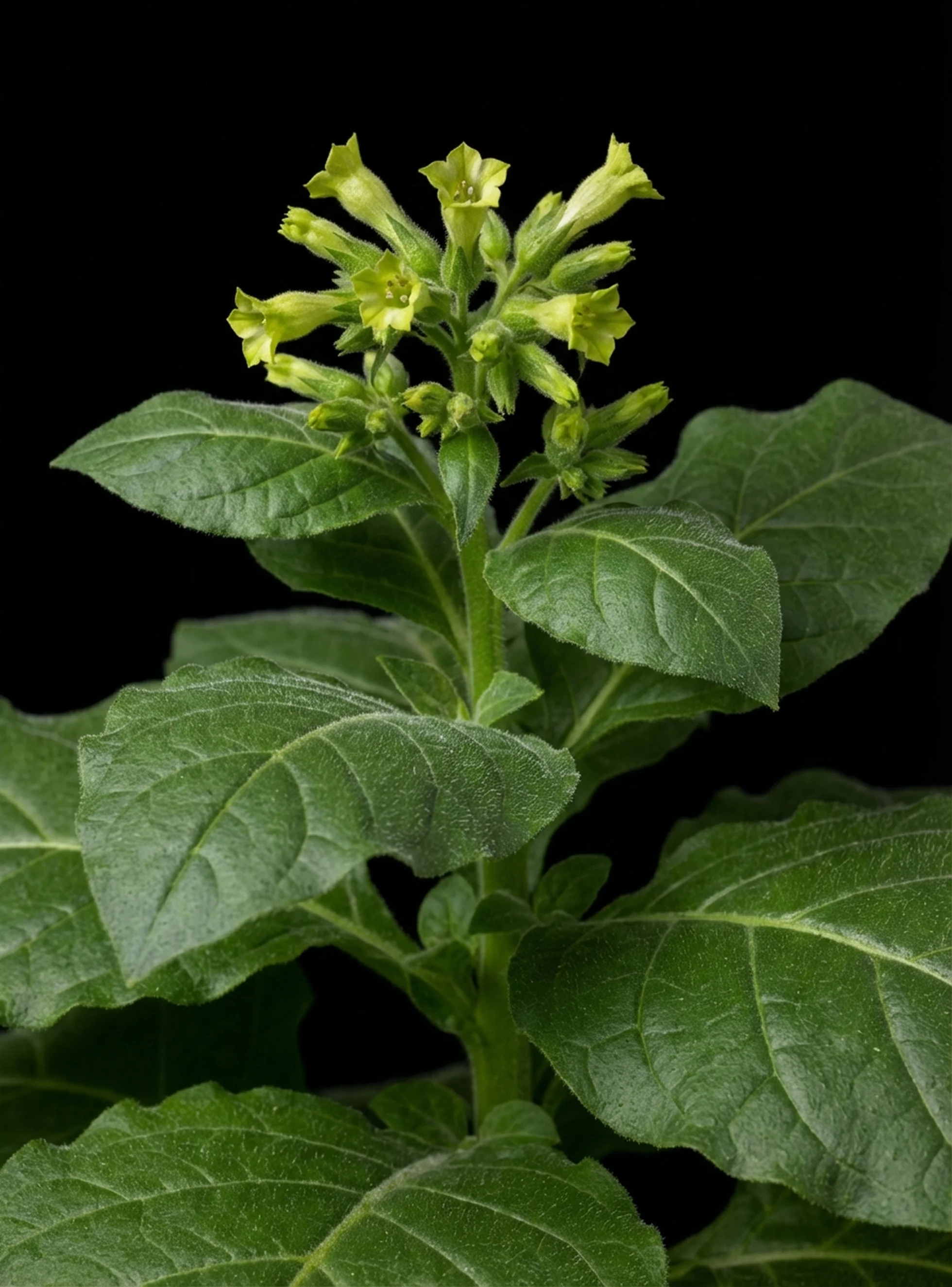

Rape is a sacred tobacco-based snuff from Amazonian traditions, blown into the nostrils in ceremony for purifying, grounding effects, and used as a facilitator alongside other plant medicines.
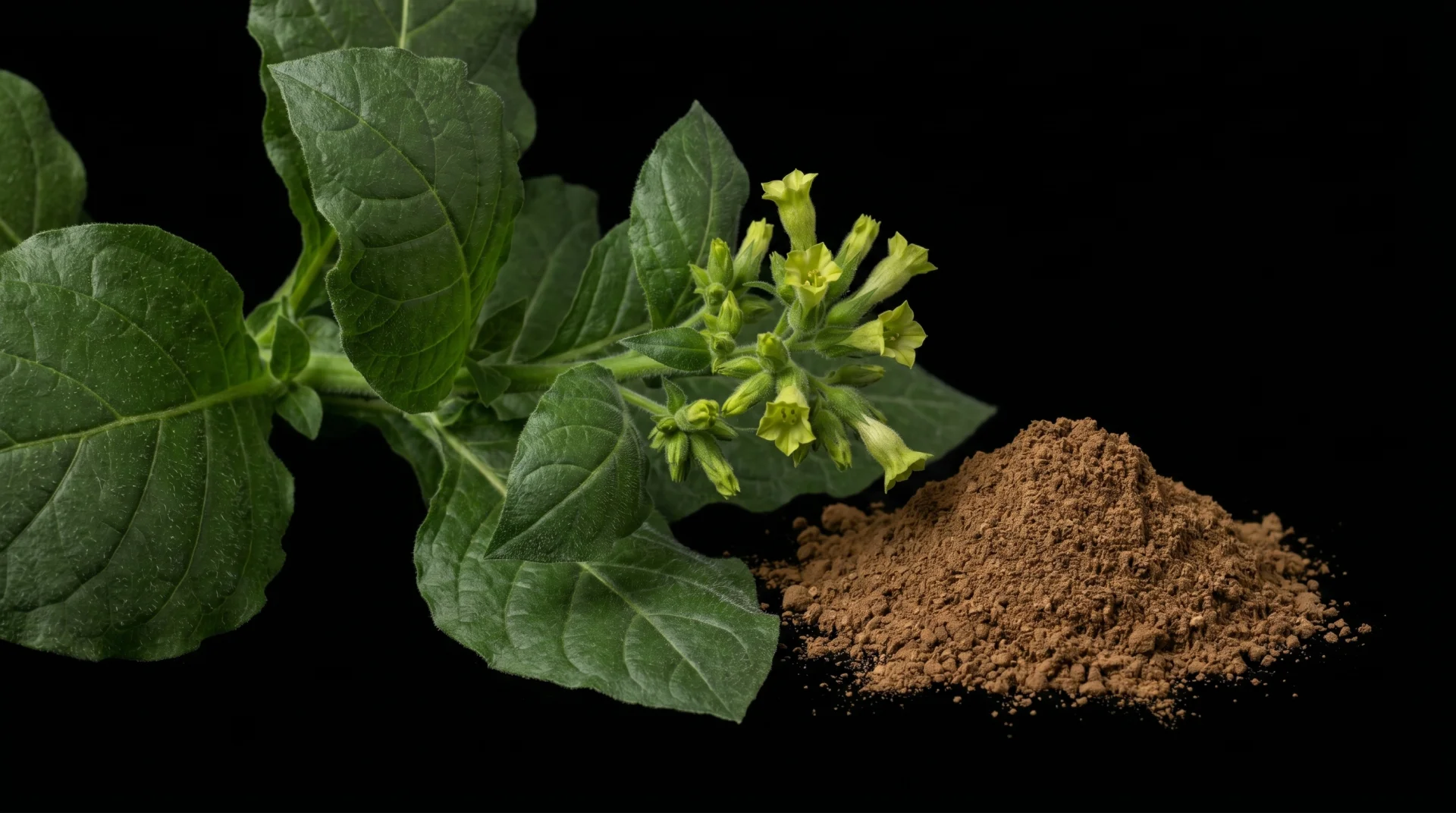
Rapé
Rape is a sacred tobacco-based snuff from Amazonian traditions, blown into the nostrils in ceremony for purifying, grounding effects, and used as a facilitator alongside other plant medicines.
Fact file
- Type
- Brew
- Botanical name
- Nicotiana rustica
- Origin
- Amazon Basin
- Duration
- 15-30 minutes
- Strength
- Moderate
- Legal status
- Legal in all 15 listed jurisdictions
What is Rapé?
A sharp breath through a bone pipe, and the world narrows to a single point behind the eyes. For a moment, everything burns. Then, as quickly as it arrived, the fire clears, and what remains is an unusual stillness, a sense of having been swept clean from the inside.
Rapé (pronounced "ha-peh") is not a plant but a preparation, a finely ground powder born from the meeting of Nicotiana rustica tobacco and the calcite-white ash of Amazonian hardwood trees. It belongs to no single species. It is an act of combination, a recipe held in memory by the Huni Kuin, the Yawanawá, the Katukina, and other peoples of the western Amazon, each guarding their own formulations like inherited songs. Where most substances in this library are defined by a molecule, rapé is defined by relationship: between plant and ash, between the one who blows and the one who receives, between the breath and the body it enters.
It will not show you visions. It will not dissolve the boundaries of self. What it may do, in the space of a few minutes, is something quieter and harder to name: a clearing, a reset, a momentary return to the kind of attention that existed before the first distraction.
Identity
Rapé is a dry, finely powdered nasal snuff indigenous to the Amazon basin. The name derives from Portuguese (the initial "R" pronounced as "H" in Brazilian Portuguese), and it is also spelled hapé, rapeh, or hapeh. It is best classified as a mechanically processed botanical blend, not a single-species extract.
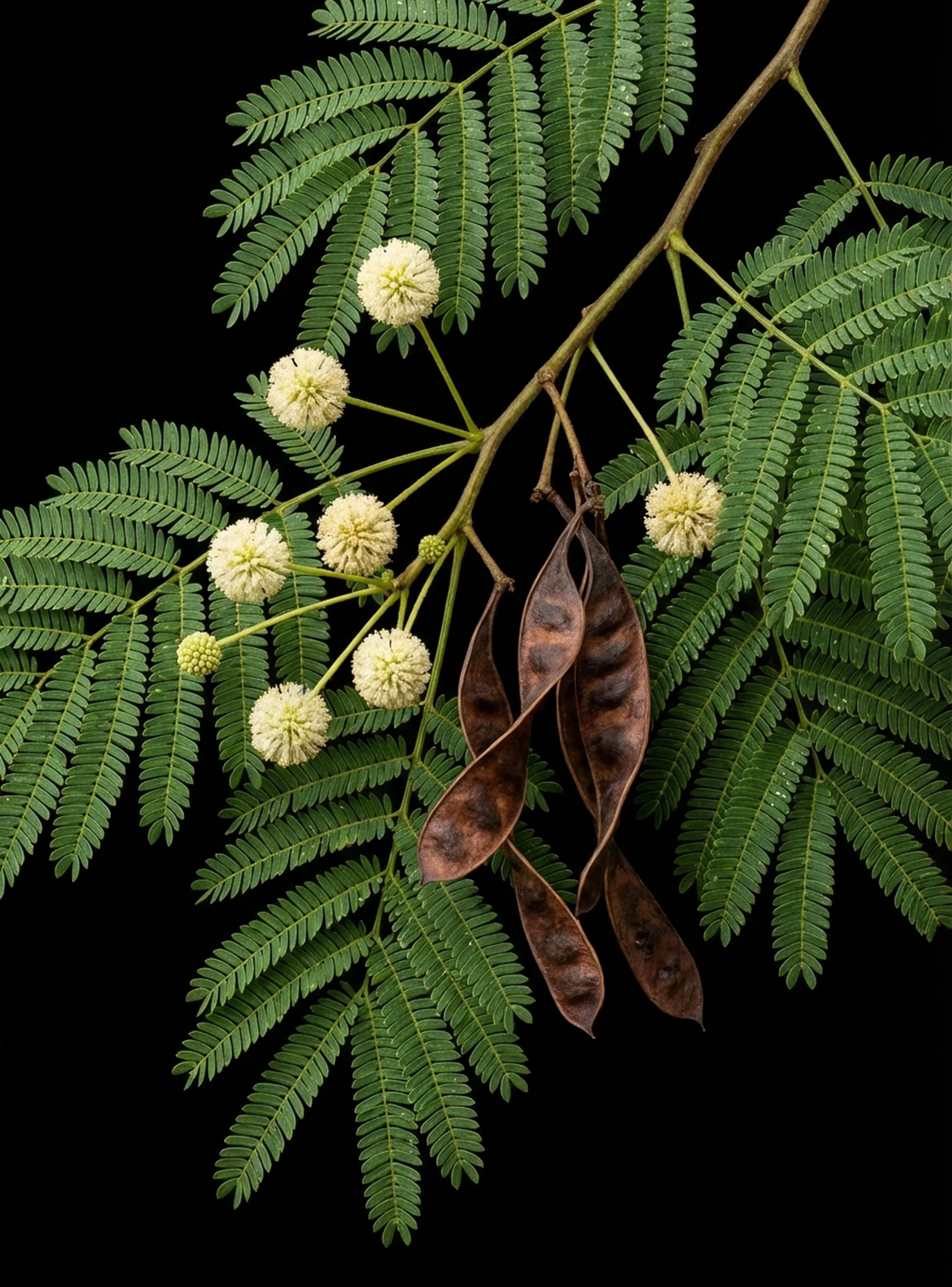
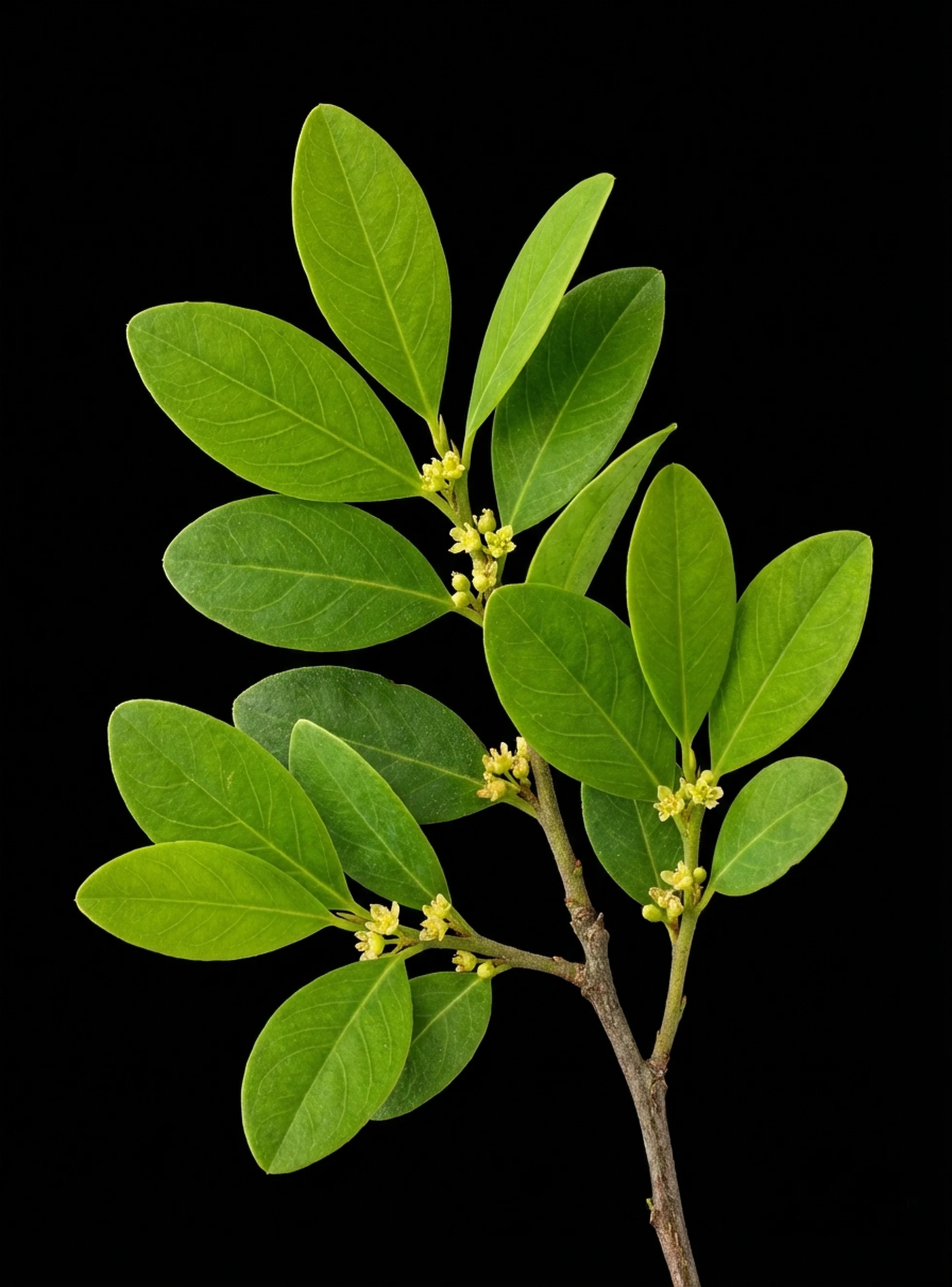
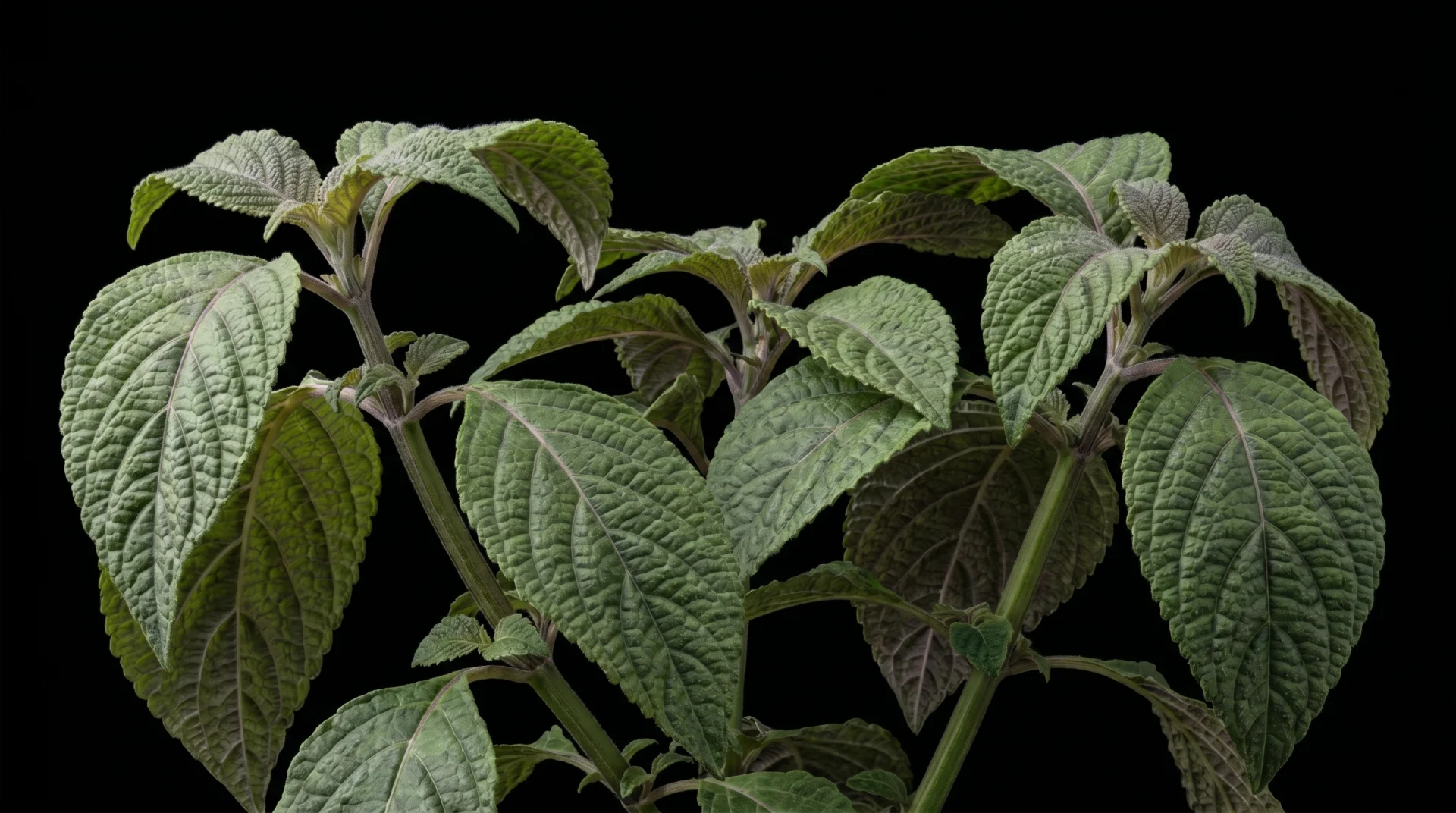
The base ingredient in nearly all traditional formulations is Nicotiana rustica (family Solanaceae), a broad-leafed tobacco species native to South America that produces roughly nine times the nicotine of commercial cigarette tobacco (Nicotiana tabacum). This tobacco is combined with highly alkaline ash, most often from the inner bark of the Tsunu tree (Platycyamus regnellii, family Fabaceae), a slow-growing Amazonian hardwood. Additional botanicals vary by tribe and recipe: tonka bean (Dipteryx odorata), clove (Syzygium aromaticum), cinnamon (Cinnamomum spp.), camphor, copaíba resin, and occasionally Tabernaemontana undulata (sananga) in specialized ceremonial blends.
The finished product appears as an extremely fine powder (ground to approximately 125 micrometers), ranging in color from pale grey to deep brown depending on the blend. It is not smoked, brewed, or eaten. It is administered intranasally, blown through a pipe in a single forceful breath.
Within the broader taxonomy of psychoactive preparations, rapé occupies an unusual position. It is not a classical psychedelic, not an entheogen in the pharmacological sense, and not a simple stimulant. It is a nicotine-delivery system whose effects are profoundly shaped by its alkaline chemistry, its botanical complexity, and the ceremonial context in which it is traditionally used.
Strength and duration
Intensity profile
Duration
Aftereffects: Preparation strength dramatically affects duration. A weak commercial rapé may show total acute effects of 15-20 minutes; a strong traditional rapé may extend to 45-60 minutes. Higher doses extend duration; lower doses shorten it. Individual variation in metabolism, smoking history, body composition, and neurobiological sensitivity all affect timeline. Set and setting also modulate perceived duration—a profound or meaningful experience may feel longer or be experienced as timeless, while a purel
Chemistry
The pharmacology of rapé centers on a single, elegant mechanism: pH-dependent nicotine bioavailability.
Nicotine (C₁₀H₁₄N₂) is the primary active compound. It exists in two forms: ionized (charged, unable to cross cell membranes) and un-ionized (uncharged, readily absorbed). The ratio between these forms depends on the pH of the surrounding environment. At neutral or slightly acidic pH (5 to 7), nicotine stays mostly ionized, trapped and slow to absorb. At alkaline pH (9 to 10), a much larger fraction becomes un-ionized and crosses the nasal mucosa rapidly into the bloodstream.
This is where the ash matters. Traditional rapé prepared with Tsunu bark ash reaches pH 9.75 to 10.2. At this alkalinity, un-ionized nicotine concentrations reach 15.4 to 18.5 mg/g. Manufactured commercial rapé, by contrast, typically measures pH 5.17 to 6.42, yielding only 0.03 to 0.43 mg/g of un-ionized nicotine. The difference is not subtle. It is a 50- to 600-fold gap in the form of nicotine that actually reaches the brain.
Once absorbed, nicotine acts as a partial agonist at nicotinic acetylcholine receptors (nAChRs) throughout the central and peripheral nervous systems. This triggers a cascade: dopamine release in the reward pathways (ventral tegmental area, nucleus accumbens), acetylcholine release supporting alertness and attention, and epinephrine release from the adrenal medulla driving the characteristic cardiovascular response (heart rate up 7 to 15 bpm, blood pressure up 5 to 10 mm Hg).
Beyond nicotine, Nicotiana rustica contributes minor alkaloids: anatabine, nornicotine, anabasine, and trace amounts of harman and norharman (beta-carboline compounds with weak monoamine oxidase inhibitory activity, though their functional significance at the concentrations found in rapé remains unclear). Some blends include beta-caryophyllene from clove, a sesquiterpene with emerging evidence of CB2 cannabinoid receptor modulation and anti-inflammatory properties.
The purging response commonly reported after administration is not a direct nicotine effect. It appears to result from intense vagal nerve stimulation triggered by the caustic alkaline powder contacting the nasal mucosa, producing reflexive nausea, salivation, and sometimes vomiting. The nasal drainage, watering eyes, and sneezing are inflammatory responses to the powder itself.
What makes rapé pharmacologically distinct from smoking tobacco, chewing tobacco, or nicotine patches is the speed: the combination of high un-ionized nicotine concentration and the richly vascularized nasal epithelium produces onset in seconds, closer to intravenous delivery than to any other tobacco product.

Methods of Encounter
Rapé enters the body through one route: the nose. It is not smoked, not eaten, not dissolved. A fine powder is blown forcefully into the nasal passages, and the encounter begins.
Two instruments serve this purpose. The tepi is a long pipe (typically 8 to 12 inches) through which one person blows rapé into another's nostril. This is the traditional ceremonial method, and it carries significance beyond mechanics: the administrator's breath, force, and intention are understood as part of the medicine. The kuripe is a smaller, V-shaped pipe that allows self-administration, connecting the user's own mouth to their nostril.
In both cases, a small quantity of powder is placed at one end of the pipe and delivered in a single, firm exhalation. The left nostril receives first, then the right. Traditional practice attributes symbolic meaning to this sequence: the left associated with release, the right with renewal.
Onset is remarkably fast. Effects begin within seconds and reach peak intensity in 1 to 2 minutes. The total experience typically runs 30 to 60 minutes, with the most active phase concentrated in the first 5 to 15 minutes. This timeline varies considerably with preparation strength. Traditional tribal rapé made with Tsunu ash (high alkalinity, high un-ionized nicotine) produces a more intense and longer-lasting arc than commercial products with lower pH.
The contexts in which people encounter rapé span a wide range. In traditional Amazonian settings, it is used within ceremony, often before ayahuasca or during communal evening gatherings. Among the Yawanawá, daily application after meals is part of spiritual hygiene. In contemporary retreat and neo-shamanic settings, rapé is offered in guided sessions with intention-setting, altar space, and facilitated integration. Some experienced practitioners use it independently at home with a kuripe.
Preparation method shapes the encounter significantly. Different tobacco strains (Mapacho and Moi being stronger, Awiri gentler), different ash sources (Tsunu producing the highest alkalinity), and the inclusion of aromatic plants like camphor, menthol, or clove all alter the sensory character and intensity. Tobacco-free rapé blends exist but are generally considered milder and pharmacologically distinct from traditional formulations.

Origin & History
The story of rapé begins in the western Amazon, in the river-laced forests of what is now Brazil's Acre state and the adjacent regions of Peru. The peoples who hold this knowledge, the Huni Kuin (who call themselves "True People"), the Yawanawá ("People of the White-Lipped Peccary"), the Katukina, the Nukini, and others, do not speak of rapé as something they invented. They speak of it as something they received.
Tobacco itself has deep roots in South America, with evidence of indigenous cultivation stretching back at least 5,000 years. The Inca used wild tobacco varieties, grinding plant roots for medicinal purposes and "to purge the head." But the specific combination that defines rapé, Nicotiana rustica tobacco blended with the calcium-rich ash of Amazonian hardwood trees, lacks a documented archaeological origin point. No pre-Columbian artifact or text records the moment someone first mixed these two materials and discovered that the ash transformed the tobacco into something far more potent. This remains one of ethnobotany's open questions.
What is known is that by the time European chroniclers arrived, tobacco snuff practices were well established. In 1577, the physician Francisco Hernández de Boncalo introduced herbal snuff to Europe after documenting indigenous American use. European elites adopted snuff as a remedy for headaches, but they took the habit while leaving behind the spiritual framework, the community context, and the specific alkaline chemistry that distinguished Amazonian practice from simple powdered tobacco.
The centuries of colonial rule brought systematic pressure against indigenous shamanic traditions. Rapé practices, like many sacred plant relationships, were driven underground or confined to communities that maintained cultural autonomy despite colonial assimilation campaigns. That these traditions survived at all speaks to how deeply they are woven into the social and spiritual fabric of Amazonian life.
Each surviving tradition carries its own signature. The Yawanawá's central blend pairs hand-cultivated tobacco with Tsunu ash, taken before evening ceremonies to dispel heaviness. Huni Kuin formulations may include cumaru (tonka bean) ash for grounding. Nukini blends incorporate Lourinho leaves for what they describe as astral cleansing. These are not interchangeable recipes. They are expressions of distinct cosmologies, each tribe's understanding of what the forest offers and what the body needs.
In recent decades, rapé has moved beyond Amazonian forests into global consciousness-exploration communities. This migration has brought economic opportunity to source communities, but also the pressures of commodification: recipes stripped from context, facilitators without apprenticeship, and sacred preparations reframed as wellness products. Yawanawá elders Paulo Matsini and Katia Hushahu have spoken publicly about their concern that rapé administered by untrained hands can cause harm, leaving recipients "closed," perpetually tired, their minds locked.
The plant, the ash, the breath, the intention: these were never meant to travel separately.

Effects
The experience of rapé unfolds in a compressed arc, intense at the front, settling into quiet at the back. Where many substances in this library produce hours-long journeys through altered perception, rapé operates in minutes. Its composite strength is moderate (4/10), but the distribution across dimensions tells a more specific story.
Somatic (5/10, the dominant dimension). The body registers rapé first and most loudly. Within seconds of administration, a sharp burning sensation spreads through the nasal passages and sinuses, sometimes described as a blade of fire behind the face. This is not subtle. Eyes water. Mucus flows. The body may begin to purge: nausea, retching, salivation, sometimes tears or sudden bowel urgency. In traditional contexts, this purging is not treated as a side effect but as evidence that something is being cleared. After the initial intensity, many people report a tingling or vibration through the body, a sense of the chest opening, and a gradual settling into physical stillness. Heart rate rises noticeably. The hands may feel cool as blood vessels constrict, then warm again as the cardiovascular response normalizes over 10 to 15 minutes.
Cognitive (3.5/10). What rapé tends to produce in the mind is not complexity but clarity. Users frequently describe a sudden dispersal of mental fog, as though a window had been wiped clean. Thoughts may quiet rather than multiply. Some report a brief period of heightened focus and decisional clarity, a sense that whatever question they brought into the experience has become simpler, more navigable. This is not the expansive, connective thinking associated with classical psychedelics. It is closer to subtraction: less noise, more signal. In some cases, the mind enters a kind of blank stillness, an absence of internal chatter that practitioners value for meditation.
Emotional (4/10). Emotional responses vary widely and seem particularly sensitive to set and setting. Some people report a wave of calm or contentment settling in after the initial intensity passes. Others experience emotional release: crying, laughter, or a sudden surfacing of grief or tension that had been held below awareness. In ceremonial contexts, this release is often understood as the medicine doing its work. Occasionally, the intensity of the somatic onset can produce brief anxiety, particularly in those who are unprepared for the physical force of the experience. This typically resolves quickly as the grounding phase takes hold.
Perceptual (1.5/10, minimal). Rapé does not produce hallucinations. It does not bend light or dissolve boundaries. What some people notice is a subtle sharpening of sensory presence: colors appearing slightly more vivid, textures more defined, sounds arriving with more clarity. This likely reflects heightened attention rather than true perceptual distortion. In deeply meditative states, some practitioners report internal imagery, but this appears to arise from the quality of attention rather than from the substance itself.
The experience arc moves through distinct phases. The first 10 seconds bring the impact: pressure, burning, surprise. Over the next 1 to 2 minutes, intensity peaks, clarity arrives, and the cardiovascular system activates. Between 1 and 10 minutes, purging may occur and the initial fire begins to ease. From 10 to 30 minutes, a grounding phase settles in, characterized by quiet alertness, physical ease, and emotional calm. By 30 to 60 minutes, acute effects fade, though many people report a residual sense of clarity and peace lasting for hours afterward.
Preparation strength shapes all of this dramatically. A traditional rapé made with high-alkalinity Tsunu ash can produce an experience that is forceful and deeply physical. A manufactured commercial product at lower pH may feel comparatively gentle, almost subtle. The same compound, the same plant, but the ash changes everything.
A note before reading
Each experience is different. What you may notice depends on dose, setting, and the body and mind you bring to it.
What people often notice
Emotional spectrum
Visual
Visuals tend to stay soft and mostly closed-eye, often subtle textures or gentle color shifts behind the eyelids.
Cognitive
Loose associations may appear, insights surface sideways, and familiar ideas can rearrange into fresh shapes.

Risks & Limits
Rapé's primary active compound is nicotine, and nicotine is not benign. Understanding the risks requires looking past the ceremonial framing and into the pharmacology.
Cardiovascular risk is the most immediate concern. Traditional rapé delivers un-ionized nicotine at concentrations that produce rapid absorption comparable to intravenous delivery. This acutely raises heart rate (7 to 15 bpm), blood pressure (5 to 10 mm Hg), and myocardial oxygen demand while constricting coronary arteries. In healthy individuals, these changes are transient and tolerable. In anyone with existing cardiovascular disease, coronary artery disease, unstable angina, uncontrolled hypertension, or a history of arrhythmia, these same changes can precipitate dangerous events: ischemia, arrhythmia, or myocardial infarction.
Nicotine dependence is real and biochemically determined. The claim that rapé is non-addictive when used with pure intention does not align with neurochemistry. Nicotine acts on the same dopaminergic reward pathways regardless of ceremonial context. Traditional communities like the Yawanawá acknowledge daily tobacco dependence within their own practice, sustained by deep cultural integration and community structure. Western users, often lacking these support systems, may be more vulnerable to problematic dependence. Tolerance develops within days of regular use, driving dose escalation.
Carcinogenic compounds are present. Chemical analysis has identified polycyclic aromatic hydrocarbons (including benzo[a]pyrene, a Group 1 human carcinogen) and tobacco-specific N-nitrosamines in rapé products. These result from the traditional curing process. A single ceremonial application involves small quantities relative to chronic cigarette smoking, but the long-term cancer risk from regular use is unknown and unstudied.
Pregnancy and lactation are absolute contraindications. Nicotine is a known teratogen that crosses the placenta and enters breast milk.
Drug interactions deserve attention. Nicotine is metabolized by CYP2A6 and can alter the metabolism of antidepressants, anticonvulsants, and other medications. Its blood-pressure-raising effects may counteract antihypertensive therapy. Individuals on estrogen-containing contraceptives face theoretically increased thromboembolic risk. The trace beta-carboline alkaloids in tobacco possess weak MAOI activity; while the amounts in rapé are likely too small to be clinically significant, combining rapé with prescription MAOIs warrants caution.
Nasal health is at stake with frequent use. The caustic alkaline powder produces acute inflammation of the nasal mucosa. Occasional use is generally tolerable, but chronic or frequent administration may lead to epithelial damage, chronic rhinitis, or polyp formation. Persistent nasal symptoms or nosebleeds signal a need to stop.
Seizure threshold may be lowered at high nicotine doses, presenting risk for individuals with seizure disorders.
Facilitator quality varies enormously. Inadequate screening for cardiovascular conditions, incorrect administration technique, and absence of emergency medical access in remote retreat settings create compounding risks. Yawanawá practitioners have documented specific harm from improperly administered rapé.
The honest summary: rapé is legal, widely available, and carries real physiological risks that scale with frequency of use, preparation strength, and individual health status. The ceremonial context that traditionally managed these risks through community knowledge, careful administration, and embedded cultural practices does not transfer automatically when the substance travels without its keepers.

Integration
Rapé asks for very little time but may leave behind more than expected. The acute experience lasts minutes. What it stirs, physically and emotionally, can take longer to settle.
Traditional practice treats the minutes after administration as sacred. Silence. Stillness. Eyes closed. The body is given permission to do whatever it needs: purge, tremble, cry, rest. There is no rush to return to activity. In Amazonian communities, this quiet absorption is not an afterthought but an integral part of the medicine's work, the moment when clearing becomes integration.
For those working with rapé outside traditional community settings, integration may take other forms. Journaling what arose during the experience, especially any moments of clarity or emotional surfacing, helps preserve insights that might otherwise dissolve back into routine. Some people find that the grounding quality of rapé naturally leads into meditation or contemplative practice, and following that impulse tends to deepen whatever was opened.
The body deserves attention afterward. Purging depletes fluids and electrolytes. Water, rest, and simple food support recovery. Many people feel drawn to sleep or quiet in the hours following, and honoring that inclination is wiser than pushing through it.
If an experience was particularly intense or emotionally charged, conversation with someone experienced in plant medicine integration can help contextualize what surfaced. This is especially true when rapé brings up material that feels unfinished, confusing, or heavy. Integration is not about forcing meaning onto an experience. It is about creating enough space and patience for the experience to reveal its own significance.
One pattern worth noticing: rapé's effects on mental clarity often translate into a window of decisive thinking that lasts hours beyond the acute phase. Some practitioners intentionally use this window for reflection on decisions or directions they have been weighing. The invitation is not to act immediately on every clarity that arrives, but to note it, sit with it, and see if it holds over the days that follow.
Integration is a practice, not a conclusion. It asks for the same quality of attention that the experience itself demanded: presence, patience, and a willingness to let things unfold at their own pace.
Sacred stacks
Rapé appears in the following curated combinations. Combinations can amplify both effects and risks. Read each guide carefully before considering.
All sacred stacks →Ethics & Ecology
Rapé carries the names of peoples: Huni Kuin, Yawanawá, Katukina, Nukini. Each formulation is intellectual property in the truest sense, knowledge refined over generations, held in memory, and passed through apprenticeship. When rapé travels without attribution, when recipes are reproduced by commercial entities without relationship to their source communities, something is taken that cannot be replenished by payment alone.
The ecological dimension is tangible. Tsunu (Platycyamus regnellii), the hardwood tree whose bark ash gives traditional rapé its distinctive alkalinity, is slow-growing and endemic to Amazonian forests. As global demand has risen over the past decade, harvesting pressure has increased, though the precise ecological impact remains undocumented. Nicotiana rustica is cultivated and more renewable, but its agriculture can involve deforestation or chemical inputs depending on practice. The sustainability of the broader ingredient chain, tonka bean, copaíba, the aromatic plants, depends on whether sourcing is managed or extractive.
Rapé is legal in most jurisdictions. It is not controlled under international drug treaties, is sold openly in Brazil and Peru, and is generally available in Europe, the United States, and elsewhere as a botanical or herbal product. But legality and ethical sourcing are separate questions.
Direct-trade relationships between consumers and indigenous producers offer the most equitable model. When rapé is purchased through intermediaries at markup, source communities often receive only a fraction of retail value. Supporting indigenous land stewardship, which has historically maintained forest health far more effectively than external conservation programs, is both an ecological and ethical practice.
The deeper question is one of relationship. Rapé was developed within a framework of reciprocity: the forest provides, and the people care for the forest in return. Using rapé with awareness of this relationship, acknowledging whose knowledge made it possible, sourcing with care, and refusing to treat sacred preparations as commodity products, is the minimum that respect requires.
Misconceptions
Rapé is a psychedelic.
Rapé does not produce hallucinations, ego dissolution, or the characteristic perceptual shifts associated with psilocybin, LSD, or ayahuasca. Its primary active compound is nicotine, which acts on acetylcholine receptors, not serotonin 5-HT2A receptors. The spiritual experiences sometimes reported in ceremonial settings arise from the interaction of set, setting, and the body's intense physiological response, not from hallucinogenic pharmacology.
Rapé will decalcify my pineal gland.
This claim circulates widely in wellness contexts and has no scientific support. Pineal calcification is a normal developmental process. No compound in rapé has been shown to affect pineal structure or function. The assertion appears to conflate the intense sensation of pressure behind the forehead with an imagined physiological mechanism.
Rapé is not addictive if you use it with intention.
Nicotine's addictive potential is biochemically determined by its action on dopaminergic reward pathways. Mindful use and cultural integration can reduce problematic patterns (as demonstrated in traditional communities with generations of practice), but intention does not override receptor pharmacology. Susceptible individuals can develop dependence regardless of the ceremonial framework.
All rapé is basically the same.
The variation between rapé preparations is enormous. Traditional tribal rapé made with high-alkalinity Tsunu ash can contain 50 to 600 times more bioavailable nicotine than manufactured commercial products. Different tobacco strains, ash sources, and botanical additions produce distinct effects, intensities, and characters. Treating rapé as a single, uniform substance misrepresents its fundamental nature as a variable preparation.
Rapé is safer than cigarettes because it's traditional.
Traditional use patterns may reduce certain risks through cultural safeguards (controlled frequency, trained administration, community oversight), but the chemical profile includes the same carcinogenic compounds found in other tobacco products: PAHs, TSNAs, and high-concentration nicotine. Cultural context does not alter pharmacology or toxicology.
FAQ

Reflection
There is something instructive about a preparation that works through burning. Rapé does not ease you in. It arrives all at once, a sharp demand for attention, and in the seconds that follow, the body has no choice but to be completely present. Whatever was occupying the mind a moment before becomes, briefly, irrelevant.
Most of us spend our lives adding: more information, more stimulation, more layers of thought between ourselves and the world. Rapé, for those who encounter it, may offer the opposite. Not an expansion of consciousness but a compression, a reduction to what is essential. The nose burns, the eyes water, and then there is just this: the breath, the body, the ground.
Whether that clearing carries meaning beyond the moment, whether it opens something that stays open, is a question each person answers for themselves. The Amazonian peoples who developed this preparation over generations did not separate the physical from the spiritual, the medicine from the prayer. Perhaps what rapé invites us to consider is whether we can either.
Sources
Primary research sourced from peer-reviewed pharmacological, ethnobotanical, and clinical literature. See the full research profile for detailed citations and evidence tags.
For how we evaluate sources and structure our claims, see the methodology.