Salvia is a mint-family plant from the cloud forests of Oaxaca that produces one of the most intense, short-lived altered states known, acting on kappa-opioid receptors rather than serotonin.
Salvia\nDivinorum
Salvia is a mint-family plant from the cloud forests of Oaxaca that produces one of the most intense, short-lived altered states known, acting on kappa-opioid receptors rather than serotonin.
Fact file
- Type
- Plant
- Botanical name
- Salvia divinorum
- Other names
- ska María Pastora, diviner's sage, seer's sage, lady salvia
- Key compounds
- Salvinorin A, Salvinorin B
- Origin
- Sierra Mazateca, Oaxaca
- Duration
- 5-30 minutes (smoked)
- Strength
- Intense
- Legal status
- Illegal in 19 of 30 listed jurisdictions, and varies elsewhere
What is Salvia Divinorum?
Salvia divinorum is a modest, broad-leafed mint from the cloud forests of Oaxaca, used for centuries by Mazatec healers to enter visionary states in darkened rooms. Its active molecule, salvinorin A, is the most potent naturally occurring hallucinogen known, yet it works through a mechanism shared by no other psychedelic: selective activation of kappa opioid receptors, not serotonin. The experience arrives in seconds when smoked, folds the world into something unrecognizable, and recedes within minutes, leaving the person blinking in ordinary light, trying to remember where the room went.
The substance
A plant hiding in plain sight
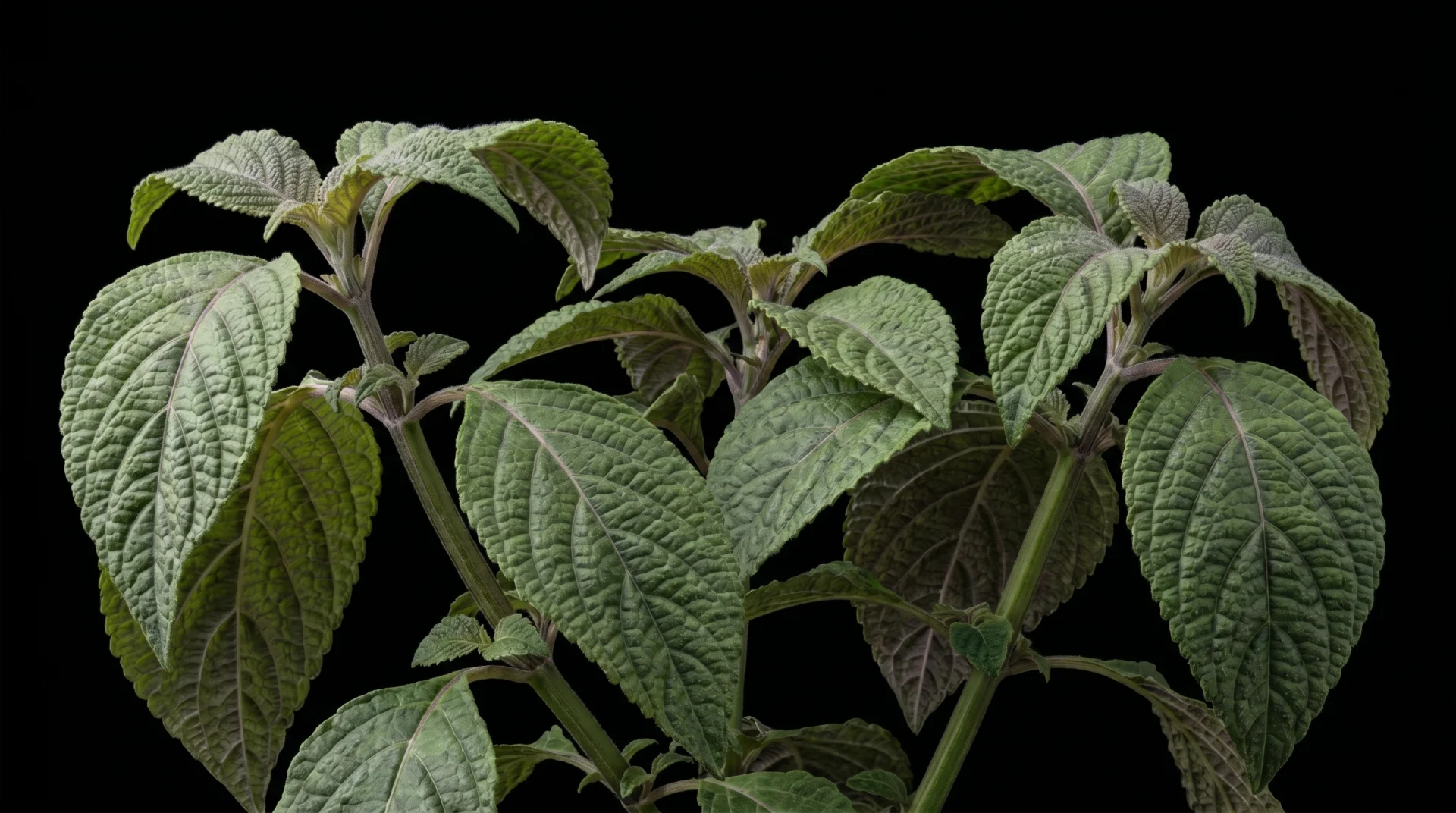
Salvia divinorum Epling & Játiva-M. belongs to the Lamiaceae, the mint family, and shares its genus with nearly a thousand species of sage. It looks nothing like a psychedelic. The stems are square and hollow, the leaves broad and bright green, with a slightly waxy surface that catches the filtered light of the understory. White flowers with violet calyxes appear occasionally, though they rarely set viable seed. The plant reproduces almost entirely through vegetative propagation, snapping off at the nodes, rooting wherever a stem touches wet ground.
It grows in the shaded ravines and moist hillsides of the Sierra Mazateca, at elevations between 750 and 1,500 meters, where the cloud forest keeps the air perpetually damp. Botanists still debate whether S. divinorum exists as a wild species or only as a cultigen, a plant that depends on human hands for its survival. R. Gordon Wasson reported never seeing a wild specimen. Mazatec informants told researchers the plant grows wild in inaccessible highlands, but every observed stand appeared to have been started by people.
Other names
The Mazatec call it ska María Pastora or hojas de la Pastora (leaves of the shepherdess), names that reflect a syncretic identification of the plant spirit with the Virgin Mary. In English it goes by diviner's sage, seer's sage, and sometimes magic mint. The genus name Salvia comes from the Latin salvare, to heal or save.
Strength and duration
Intensity profile
Variability: High (depends heavily on dose, setting, and individual sensitivity)
Duration
Aftereffects: Mild perceptual afterglow and cognitive haze may persist for 15-60 minutes. Some report subtle mood shifts, enhanced empathy, or altered perception of beauty lasting up to 24 hours.
Chemistry and mechanism
A molecule that breaks every rule
Salvinorin A is, pharmacologically speaking, an anomaly. It is a neoclerodane diterpene with the formula C₂₃H₂₈O₈, formed in the glandular trichomes on the leaf surface. Standard leaves contain roughly 2.5 mg per gram of dried material. That number sounds modest until you consider that an effective inhaled dose may be as little as 200 micrograms, a speck invisible to the naked eye.
What makes salvinorin A genuinely remarkable is what it is not. It contains no nitrogen. It is not an alkaloid. It cannot be rendered as a salt. Every other known naturally occurring hallucinogen (DMT, psilocybin, mescaline, ibogaine) is an alkaloid built around a nitrogen-containing ring. Salvinorin A arrives at the same destination, the radical alteration of human consciousness, through an entirely different chemical architecture.
The kappa opioid pathway
Classical psychedelics (LSD, psilocybin, DMT) work primarily by activating serotonin 5-HT₂A receptors. Dissociatives like ketamine block NMDA glutamate receptors. Salvinorin A does neither. It is a potent and highly selective agonist at kappa opioid receptors (KOR), with particular affinity for the κ₁ subtype. It has no measurable affinity for serotonin receptors, mu or delta opioid receptors, cannabinoid receptors, or glutamate receptors.
This selectivity is almost unprecedented in nature. When salvinorin A binds to KOR, it initiates signaling through Gi/o proteins, inhibiting adenylyl cyclase and reducing cyclic AMP levels. The downstream cascade modulates dopamine and glutamate systems, which may explain both the hallucinogenic quality of the experience and its characteristically dysphoric emotional tone. Kappa opioid activation tends to produce aversion rather than reward, the opposite of what mu opioid agonists (like morphine) do.
Where in the brain
Kappa opioid receptors are densely distributed across the brain. The claustrum, a thin sheet of neurons thought to play a role in integrating conscious experience, has the highest KOR density. The prefrontal cortex, ventral tegmental area, striatum, amygdala, hippocampus, and thalamus are all rich in these receptors. This widespread distribution helps explain why the effects touch so many domains simultaneously: perception, spatial orientation, emotion, body ownership, memory, and the sense of self.
What remains unknown
The precise molecular mechanisms behind salvinorin A's most distinctive effects (the cartoon-like imagery, the spatial folding, the entity encounters) are not yet understood. The biosynthetic pathway for salvinorin A in the plant itself remains only partially mapped, with just two of an estimated twelve steps identified. Researchers are also exploring the role of beta-arrestin recruitment in producing dysphoric effects, and whether biased agonists could be designed to preserve therapeutic benefits while reducing the aversive qualities.
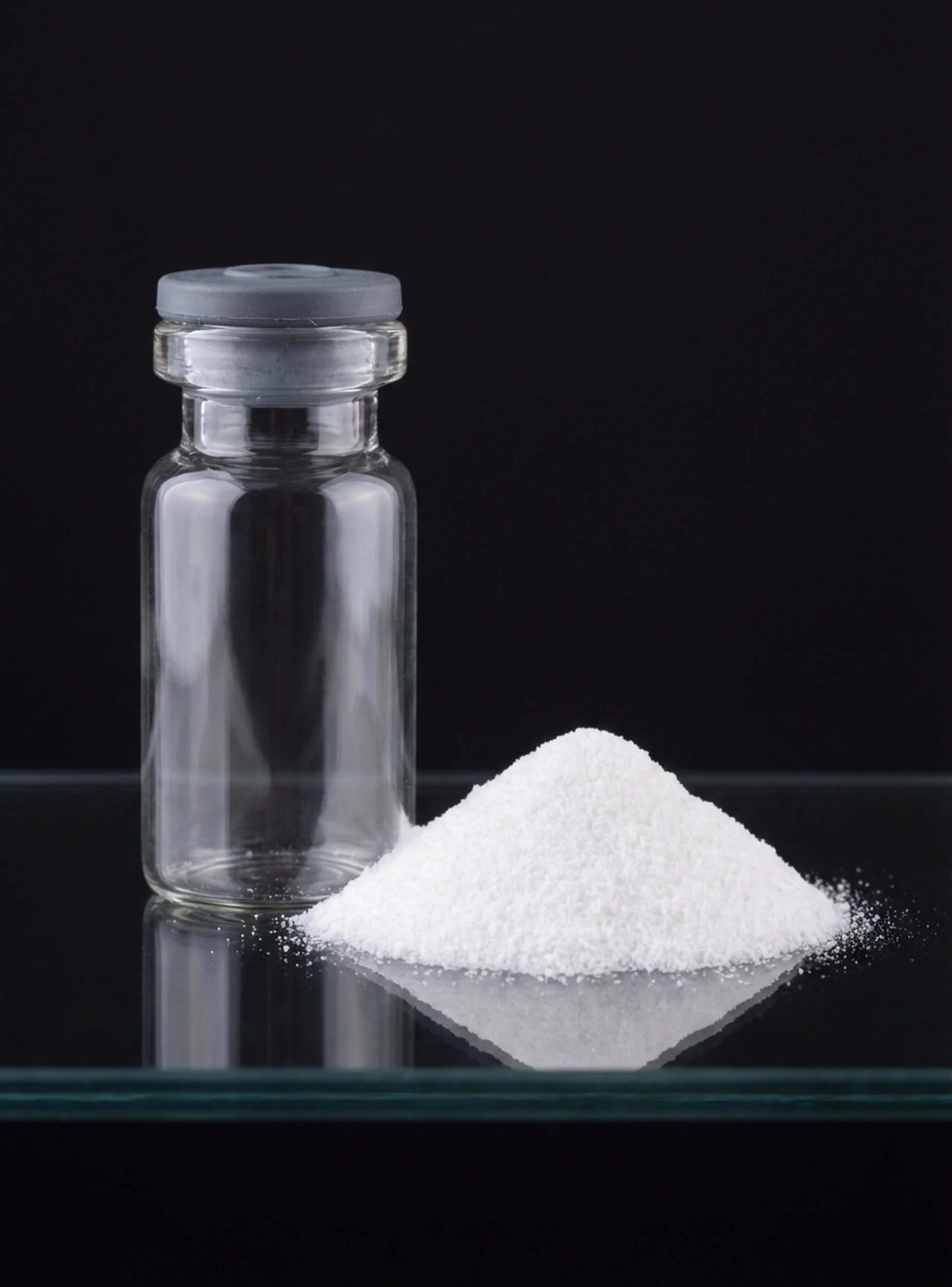
Salvinorin A
Salvinorin A (C₂₃H₂₈O₈), neoclerodane diterpene
Primary psychoactive constituent. Selective kappa opioid receptor agonist, the most potent naturally occurring hallucinogen. Effective inhaled dose as low as 200 micrograms.
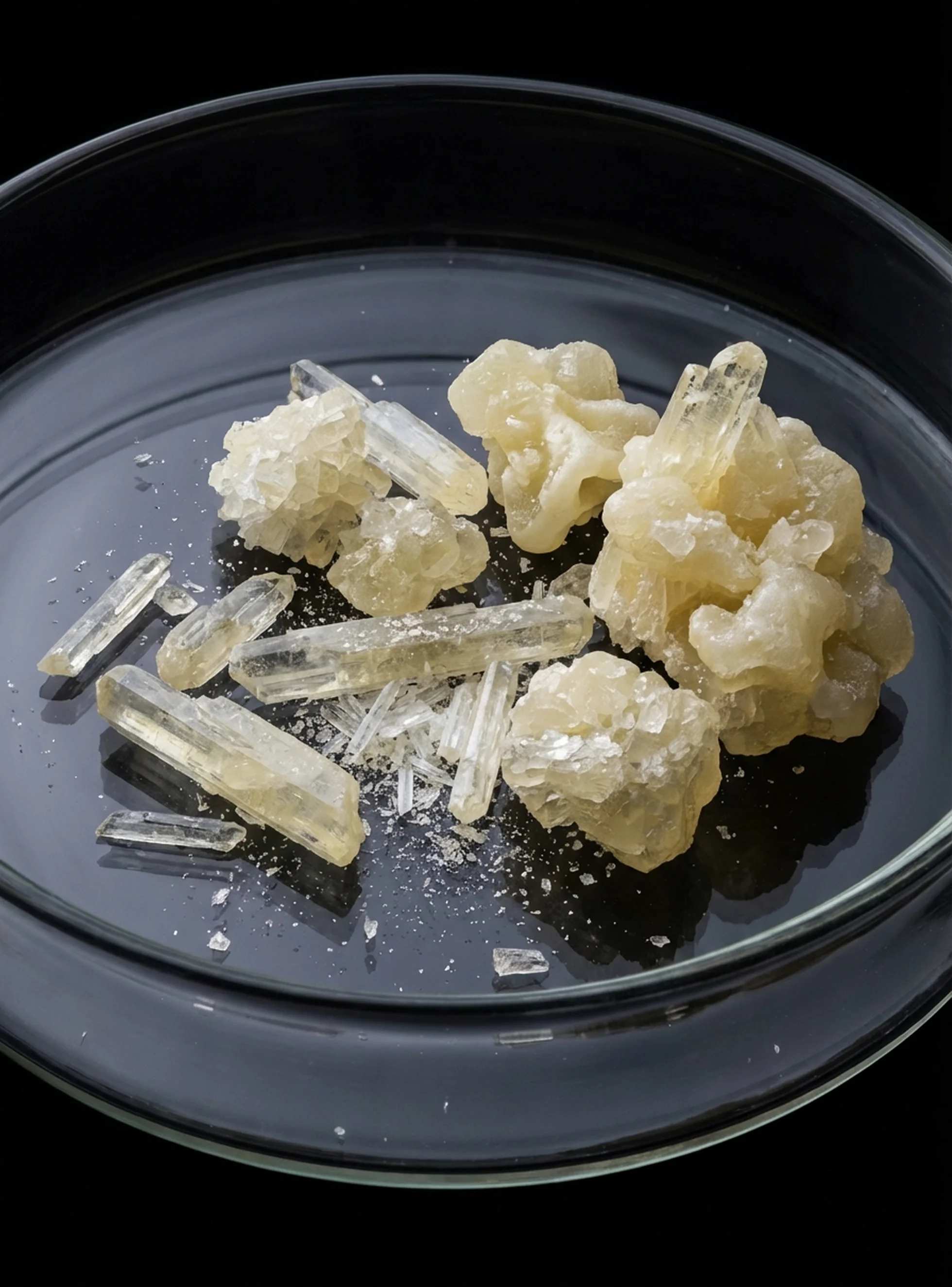
Salvinorin B
Salvinorin B, neoclerodane diterpene
Structurally related but pharmacologically inactive analogue. Present in leaf material alongside salvinorin A. Important as a semi-synthetic precursor for research analogues.
How people encounter it
Traditional Mazatec ceremony
In Mazatec tradition, encounters with S. divinorum take place within structured rituals called veladas, conducted at night in complete darkness and silence. The Mazatec say that "La Maria speaks with a quiet voice," and the conditions of the ceremony are designed to make that voice audible. The healer (curandero) prepares fresh leaves formed into cylindrical quids, which participants hold in the mouth, allowing slow absorption through the oral mucosa. The setting includes copal incense, offerings of cocoa beans, beeswax candles, and chanted prayers. Effects arrive gradually over 5-10 minutes and may last one to two hours.
At lower intensities, the plant has been used for medical conditions including headaches, rheumatism, and a condition the Mazatec call panzón de borrego (swollen belly). At higher intensities, it serves divination and spiritual communion.
Modern contexts
Contemporary encounters look very different. The most common modern method involves smoking dried leaf or concentrated extracts, which delivers salvinorin A to the brain within seconds through pulmonary absorption. Commercial extracts are sold by concentration factor (5X, 10X, 20X, and higher), though laboratory analysis has shown these labels often do not reflect actual salvinorin A content.
Some contemporary practitioners have returned to the quid method, using dried and rehydrated leaves, particularly those seeking a longer, gentler experience for contemplation or meditation. Sublingual tinctures represent another variation, with effects beginning in 5-10 minutes and lasting up to two hours.
Modern motivations range from curiosity about altered states to spiritual seeking to creative exploration. Retrospective studies suggest most people who try salvia do so only once or twice. The intensity of the experience, and the frequency with which it is described as unpleasant, appears to limit repeated use.
Origin and history
A plant the forest kept secret
The Sierra Mazateca is a remote, mountainous region of Oaxaca, Mexico, where cloud forests drape the ridges and the air stays cool and wet year-round. The Mazatec people have inhabited this landscape since pre-Hispanic times, cultivating a deep and particular relationship with the plants of their territory. Among these plants, Salvia divinorum held a position of quiet importance, used alongside psilocybin mushrooms (teonanácatl) and morning glory seeds (ololiuqui) as a tool for divination and healing.
The Mazatec kept this plant secret for a very long time. While their mushroom ceremonies eventually drew the attention of outsiders (notably R. Gordon Wasson, who participated in a velada with the healer María Sabina in 1955), S. divinorum remained largely unknown to Western science for decades longer.
First encounters with the outside world
The earliest academic mention appears in 1939, when anthropologist Jean Bassett Johnson recorded the Mazatec use of a plant called "Hierba María" alongside their better-known mushroom rituals. But it was not until 1962 that Wasson and Albert Hofmann (the chemist who first synthesized LSD) collected specimens during fieldwork in the Sierra Mazateca. Even then, the plant resisted easy classification. It was not formally described and named until Epling and Játiva published their botanical description.
Wasson speculated that S. divinorum might be the mysterious pipiltzintzintli ("little prince") mentioned in Aztec historical sources, a hallucinogenic plant that had never been conclusively identified. This hypothesis remains unresolved. The fact that the plant lacks a true Mazatec name (its names are all Spanish) suggests it may have arrived from another culture, but the evidence is thin.
The chemistry catches up
The active compound, salvinorin A, was first isolated and described by Alfredo Ortega and colleagues in 1982 using spectroscopy and x-ray crystallography. Independently, Leander Julián Valdés III isolated the molecule as part of his 1983 doctoral research, initially naming it "divinorin." The nomenclature was corrected to salvinorin A in 1984.
But the truly startling discovery came two decades later. In 2002, Bryan Roth's laboratory at the University of North Carolina demonstrated that salvinorin A is a selective kappa opioid receptor agonist with no affinity for serotonin receptors. This finding upended assumptions about how hallucinogens work and opened an entirely new chapter in consciousness research.
A plant between worlds
Today, S. divinorum exists in a complicated position. For the Mazatec, it remains a sacred plant tied to specific ceremonial practices and spiritual relationships. The spirit of the plant is identified with the Virgin Mary or with a goddess of plants and animals, reflecting the syncretism between indigenous and Catholic traditions that characterizes Mazatec spiritual life. Traditional use follows strict protocols: darkness, silence, prayer, preparatory fasting, and the guidance of an experienced healer.
Meanwhile, the plant has entered global commerce, sold as dried leaf and concentrated extracts, often encountered in contexts that bear no resemblance to the tradition that sustained it. This tension between sacred use and recreational commodity is not unique to salvia, but it is unusually sharp.

Effects
An experience unlike other psychedelics
The effects of Salvia divinorum are difficult to compare to anything else. People who have tried classical psychedelics often report that salvia feels like an entirely different category of experience, not a variation on a theme but a departure from the map altogether. The kappa opioid mechanism produces a phenomenology that is characteristically dissociative, spatially strange, and emotionally unpredictable.
What follows is a composite drawn from clinical research and qualitative studies. Individual experiences vary enormously based on sensitivity, method of encounter, preparation, and setting.
Perceptual shifts
Visual effects tend to arrive not as enhancements of ordinary sight (the breathing walls and color intensification of serotonergic psychedelics) but as wholesale replacements of the visual field. People describe the world folding like a page, rotating on an axis, or being peeled away to reveal something underneath. Imagery often has a flat, cartoon-like, or two-dimensional quality. Objects may appear to merge with each other or with the person observing them. Some report becoming part of the furniture, the wall, a zipper, or an abstract geometric pattern.
Spatial distortions are among the most consistent features. The sense of up and down may reverse. The room may feel like it is turning inside out. Gravity may seem to pull sideways. These are not metaphors in the usual psychedelic sense; they tend to feel literal, as though the physics of the environment have changed.
At higher intensities, the external world may disappear entirely. The person enters a hallucinatory space that feels more convincing than ordinary reality, an alternate dimension with its own logic, inhabitants, and geography.
Cognitive terrain
Thought becomes fragmented. Sentences trail off. The thread of narrative that normally holds experience together may simply stop. Some people describe thought blocking, a sudden absence of inner dialogue that feels like the mind has been switched off and then restarted in a different mode.
Time distortion is profound and nearly universal. Five minutes of clock time may feel like hours, days, or an entire lifetime. Some report experiencing elaborate narrative arcs, living through what feels like years, within a few minutes.
Entity contact is frequently reported. People describe meeting presences, guides, geometric beings, or a feminine figure that some identify with the plant spirit. These encounters often carry a quality of familiarity, as though the entities know the person, call them by name, or express curiosity about their arrival.
Emotional landscape
The emotional character of salvia is notably different from classical psychedelics, which tend to amplify existing mood or produce euphoria. Kappa opioid activation is associated with dysphoria, a sense of unease, discomfort, or wrongness that does not have a clear psychological cause. Many people find the experience unpleasant, confusing, or frightening. Panic, anxiety, and a feeling of being trapped may arise, particularly when the onset is rapid and the person has little time to orient.
However, the emotional range is not uniformly negative. Some people report deep tranquility, a calm feminine presence, or mystical states characterized by unity and transcendence. The unpredictability of emotional tone is itself a distinguishing feature. Whether a given encounter will feel illuminating or distressing often cannot be predicted in advance.
In the body
A note before reading
Each experience is different. What you may notice depends on dose, setting, and the body and mind you bring to it.
What people often notice
Emotional spectrum
Visual
Imagery can become vivid and immersive, often with rich geometry, color depth, and scenes that feel layered onto the room.
Cognitive
Rapid pattern recognition is common, with frames and assumptions dissolving and reforming in quick succession.
Risks and limits
Physical safety
Salvinorin A appears to have low physiological toxicity. No confirmed deaths have been directly attributed to salvia alone. Cardiovascular effects are mild and transient. The body clears the compound within hours.
The real physical danger is indirect. Loss of motor coordination, spatial disorientation, and impaired judgment during peak effects create substantial risk for falls, collisions, and injuries. People under the influence of salvia may attempt to stand, walk, or move through their environment without the capacity to do so safely. The rapid onset when smoked, sometimes within 30 seconds, means there is almost no time to find a safe position before coordination is lost.
A sober, attentive companion is not optional. It is a basic safety requirement.
Psychological risks
The psychological risk profile is significant. Case reports document acute psychotic episodes following use, including paranoia, disorganized thinking, persistent hallucinations, and agitation. It remains unclear whether salvia triggers psychosis in predisposed individuals or whether these cases represent coincidental timing, but the association is documented.
The dysphoric quality of kappa opioid activation means that unpleasant, frightening, or distressing experiences are common, not exceptional. Panic attacks and overwhelming anxiety may occur, particularly with rapid-onset methods and higher intensities. The complete disconnection from external reality can be profoundly disorienting, and the brevity of the experience means there is little time to adjust or find psychological footing.
Flashbacks have been reported anecdotally, though their prevalence is not well studied. Depressive episodes following use have been documented in some cases.
Who should exercise particular caution
- ●People with a personal or family history of psychotic disorders
- ●People with mood disorders, particularly depression or bipolar disorder
- ●People with anxiety disorders or PTSD
- ●Adolescents (the developing brain may be more vulnerable to adverse effects)
- ●People with cardiovascular conditions
- ●Anyone in a setting without a sober companion present
Drug interactions
Formal drug interaction studies for salvinorin A are limited. Given its action on the kappa opioid system and its modulation of dopamine and glutamate, caution is warranted when combining with other psychoactive substances, particularly other opioids, dissociatives, or substances affecting dopaminergic pathways. The short duration of effects does not reduce the risk of interactions during the acute phase.

Integration and aftercare
The strangeness takes time
Salvia experiences often resist immediate understanding. The content may feel alien, nonsensical, or impossible to translate into language. People sometimes emerge from the experience unsure of what just happened, unable to organize the fragments into a coherent narrative. This is normal. The integration process for salvia tends to be less about extracting insight and more about allowing the strangeness to settle.
Give it space
The minutes and hours after the acute effects fade are important. Remain in a calm, quiet environment. Avoid the impulse to immediately analyze or narrate what happened. Some people find it helpful to sit in silence, drink water, and simply be present in their body as ordinary sensation returns.
Writing or drawing what you remember, even fragments, can be valuable later. Memory of salvia experiences is often patchy and fades quickly. Recording impressions while they are still accessible creates material that may become meaningful over days or weeks.
There is no single right way
Some people process salvia experiences through conversation, talking with a trusted friend or therapist who is familiar with non-ordinary states. Others prefer solitary reflection, journaling, or creative expression. Some find that contemplative practices like meditation help them sit with residual feelings without needing to resolve them immediately.
For experiences that were frightening or distressing, patience is especially important. The intensity of salvia can leave a person shaken, and it may take days before the emotional charge softens enough to allow perspective. If distress persists or interferes with daily functioning, working with a therapist experienced in psychedelic integration is a reasonable step.
The question underneath
Many people who encounter salvia report that the experience raised questions rather than answered them: questions about the nature of perception, the reliability of ordinary consciousness, or the relationship between the self and the body. These questions do not need to be resolved. They can be carried lightly, returned to over time, and allowed to inform how a person pays attention to ordinary experience.
Legal and ethical context
Legal landscape
Salvia divinorum occupies a patchwork legal position worldwide. It is not scheduled under international drug treaties (the UN Conventions), which means each country determines its own approach. The result is a fragmented map: legal in some places, banned in others, and simply unaddressed in many jurisdictions.
In the United States, salvia is not federally scheduled, but numerous states have enacted their own restrictions, ranging from outright bans to age restrictions. In much of Europe, the picture varies country by country. Australia, several European nations, and some Asian countries have placed salvia under controlled substance laws. In Mexico, where the plant originates, it remains legal.
Legal status does not indicate safety. In many cases, salvia was banned in response to viral videos and media attention rather than systematic risk assessment.
Cultural context
For the Mazatec people of Oaxaca, S. divinorum is not a recreational substance or a commodity. It is a sacred plant embedded in ceremonial practices, spiritual relationships, and healing traditions that long predate Western contact. The plant spirit is identified with the Virgin Mary, and encounters with it follow strict protocols: darkness, silence, prayer, and the guidance of an experienced healer.
The global commercialization of salvia has proceeded largely without consultation with or benefit to the Mazatec communities that cultivated and maintained the tradition. Concentrated extracts sold in headshops bear no resemblance to the ceremonial quid, and the contexts of modern use often contradict everything the Mazatec practice is designed to protect.
Sustainability
Because S. divinorum reproduces primarily through vegetative propagation and may not exist as a truly wild species, its long-term survival depends on continued cultivation. The global trade has created commercial growing operations far from the plant's native habitat, which reduces direct pressure on Mazatec populations but also detaches the plant further from its cultural context.
The over-commercialization of salvia, particularly the marketing of high-concentration extracts, has arguably done more harm to the plant's reputation and legal status than any other factor. Media coverage of alarming recreational experiences fueled legislative bans in numerous jurisdictions, restricting access for researchers and traditional practitioners alongside recreational users.
Common misconceptions
Salvia is basically like smoking weed, just stronger.
Despite some surface similarities (both are plants, both are smoked, both alter perception), salvia and cannabis work through entirely different receptor systems and produce fundamentally different experiences. Cannabis effects are mild, social, and last hours. Salvia effects are intensely dissociative, often solitary, and last minutes. Surveys show most users rate salvia as unlike any other substance they have tried.
Because salvia is legal in many places, it must be safe.
Legal status reflects regulatory decisions, not comprehensive safety assessments. Many jurisdictions have simply not gotten around to scheduling salvia, and others have banned it reactively. The psychological intensity of the experience, the loss of motor coordination, and the risk of panic or disorientation are real regardless of legal status.
The experience is so short it cannot cause real harm.
Duration and risk are not proportional. The peak of a smoked salvia experience lasts only a few minutes, but the intensity during those minutes can be overwhelming. Physical injury from falls during disorientation is a documented risk. Psychological distress, including panic and acute psychotic symptoms, can persist well beyond the acute phase.
Salvia works like other psychedelics (mushrooms, LSD, DMT).
Salvia's mechanism is unique among psychedelic substances. It acts on kappa opioid receptors, not serotonin 5-HT₂A receptors. This produces a qualitatively different experience: more dissociative, more dysphoric, less visually colorful, and more spatially disorienting. People who approach salvia expecting a psilocybin-like experience are often unprepared for what actually happens.
You cannot become psychologically dependent on salvia.
Physical dependence appears unlikely, and most people have little desire to repeat the experience. However, patterns of repeated use do occur, and studies show elevated rates of substance use disorders among salvia users. The relationship between salvia use and broader substance use patterns is complex and not fully understood.
Frequently asked questions

Reflection
If the world you know can be folded away in thirty seconds and folded back, what does that say about the world you know?
What would it mean to encounter a consciousness that is not your own, and how would you tell the difference?
Sources
- ●
Roth, B.L., Baner, K., Westkaemper, R., et al. (2002). "Salvinorin A: A potent naturally occurring nonnitrogenous κ opioid selective agonist." Proceedings of the National Academy of Sciences, 99(18), 11934-11939. PNAS
- ●
Addy, P.H. (2012). "Acute and post-acute behavioral and psychological effects of salvinorin A in humans." Psychopharmacology, 220(1), 195-204. PubMed
- ●
MacLean, K.A., Johnson, M.W., Reissig, C.J., et al. (2013). "Dose-related effects of salvinorin A in humans: dissociative, hallucinogenic, and memory effects." Psychopharmacology, 226(2), 381-392. PubMed
- ●
Doss, M.K., May, D.G., Johnson, M.W., et al. (2020). "The acute effects of the atypical dissociative hallucinogen salvinorin A on functional connectivity in the human brain." Scientific Reports, 10, 16392. Nature
- ●
Maqueda, A.E., Valle, M., Addy, P.H., et al. (2015). "Salvinorin A induces intense dissociative effects, blocking external sensory perception and modulating interoception and sense of body ownership in humans." International Journal of Neuropsychopharmacology, 18(12). Oxford Academic
- ●
Zawilska, J.B. & Wojcieszak, J. (2013). "Salvia divinorum: from Mazatec medicinal and hallucinogenic plant to emerging recreational drug." Human Psychopharmacology, 28(5), 403-412.
- ●
Valdés, L.J. III (1994). "Salvia divinorum and the unique diterpene hallucinogen, salvinorin (divinorin) A." Journal of Psychoactive Drugs, 26(3), 277-283. MAPS
- ●
Casselman, I. & Heinrich, M. (2011). "Novel use patterns of Salvia divinorum: unobtrusive observation using YouTube." Journal of Ethnopharmacology, 138(3), 662-667.
- ●
Open Foundation. "The use of Salvia divinorum from a Mazatec perspective." Open Foundation
- ●
Kivell, B.M. & Bhatt, D.K. (2018). "The salvinorin analogue, ethoxymethyl ether Salvinorin B (EOM Sal B) and beta-tetrahydropyran Salvinorin B (β-THP Sal B) in preclinical models." Frontiers in Pharmacology. PMC
- ●
European Monitoring Centre for Drugs and Drug Addiction. "Salvia divinorum drug profile." EMCDDA
- ●
Wikipedia contributors. "Legal status of Salvia divinorum." Wikipedia
For how we evaluate sources and structure our claims, see the methodology.