
Visual geometry
The architecture beneath appearances
Intricate, often symmetrical patterns that appear with closed or open eyes. Fractals, lattices, and spirals are commonly reported, sometimes evolving into more complex forms.
Typical intensity
What is Visual geometry?
Visual geometry is often the first sign that consciousness is shifting. Closed-eye patterns, open-eye distortions, surfaces that breathe, and the intricate lattice-work that appears in the visual field are among the most universally reported features of psychedelic experience.
These patterns are not random. Research suggests they correspond to the geometric structure of neural activity in the visual cortex, made visible when the brain's usual filtering mechanisms relax. What you see is, in a sense, the architecture of seeing itself.

Effects
At low doses, geometry appears as subtle textures, a slight shimmer to surfaces, a tendency for patterns in wood grain or fabric to become more prominent. Walls may appear to "breathe" with a slow, rhythmic pulsation.
At moderate doses, closed-eye visuals become elaborate: mandalas, spirals, interlocking geometric forms, and tunnels of patterned light. Open-eye visuals may include tracers (visual echoes of moving objects) and a sense that surfaces are covered in a fine, shifting mesh.
At high doses, the geometry can become fully immersive, replacing the ordinary visual field entirely. People describe entering spaces made of pure pattern, where form and meaning merge. Colors may intensify beyond anything experienced in ordinary perception.
The emotional tone of geometric visuals tends to be neutral to positive, often accompanied by a sense of wonder or aesthetic appreciation. They rarely carry the emotional weight of entity contact or catharsis.
Integration and aftercare
Geometric visuals are among the easiest states to integrate because they are relatively non-threatening and do not typically carry heavy emotional content. Many people find that the memory of visual beauty serves as a gentle reminder of the richness available in perception.
Artists and designers sometimes report lasting changes in how they perceive pattern and color in daily life. The experience can sensitize visual processing in ways that persist for weeks or months.

Reflection
What might it mean that beauty of this complexity already exists inside your visual system, waiting to be revealed?
Related medicines
Substances commonly associated with visual geometry.

Psilocybin Mushrooms
Psilocybe cubensis (and 200+ species)
Hallucinogenic · 4-6 hours · Moderate

Peyote
Lophophora williamsii
Hallucinogenic · 10-12 hours · Intense
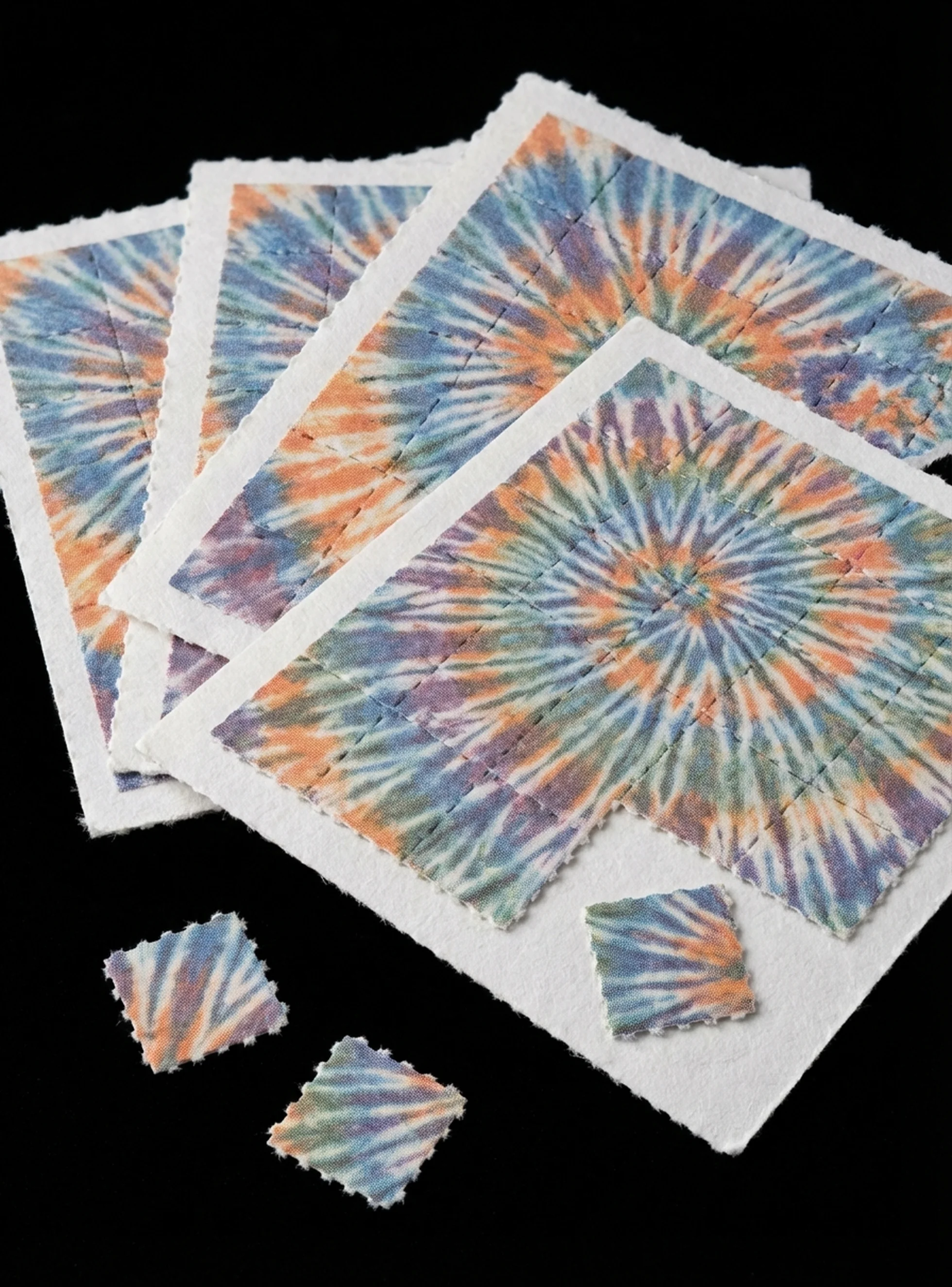
LSD
Claviceps purpurea
Psychedelic · 8-12 hours · Moderate

DMT
Psychotria viridis
Psychedelic · 5-20 minutes (smoked) · Intense

2C-B
4-Bromo-2,5-dimethoxyphenethylamine
Psychedelic · 4-6 hours · Moderate