
Ego dissolution
The self forgets itself
A temporary loss of the boundary between self and world. The sense of being a separate individual fades or disappears, often described as merging with everything.
Typical intensity
What is Ego dissolution?
Ego dissolution is perhaps the most studied and most misunderstood altered state. At its core, it is the temporary fading of the boundary between self and not-self, the default sense that "I" am here and "the world" is out there. When that boundary softens or disappears, what remains is awareness without a center.
The experience is not unconsciousness. People consistently report that awareness continues, often with heightened clarity, but without the usual narrator who claims ownership of experience. It is consciousness without a protagonist.

Effects
The onset varies by substance and dose. With psilocybin, ego dissolution often begins as a sense of the body becoming less solid, edges blurring, followed by a progressive loosening of identity. With ayahuasca, it may arrive through visionary content that overwhelms the self-construct. With 5-MeO-DMT, it can be near-instantaneous.
At partial dissolution, people retain a sense of self but experience it as more fluid, less defended, more permeable. They may feel as if they are simultaneously themselves and the room, or themselves and another person.
At complete dissolution, the self-construct drops away entirely. There is no "I" watching the experience. There is only experience. This is frequently described as the most profound and most terrifying moment of a person's life, often simultaneously.
The emotional tone ranges from oceanic bliss (merging with a loving universe) to existential terror (annihilation of everything known). The same person may experience both within minutes.
Integration and aftercare
Ego dissolution is one of the most challenging states to integrate, precisely because ordinary language assumes a speaker. Trying to describe the absence of self to the self that returned is inherently paradoxical.
The most useful integration approach is patience. The insights embedded in ego dissolution often take weeks or months to unfold. They arrive not as propositional knowledge ("I learned that...") but as shifts in how daily experience feels.
Common integration themes include a reduced fear of death, a loosened grip on social identity, greater compassion, and a visceral sense that consciousness is more fundamental than the individual. These shifts can be disorienting if not held with care.

Risks and limits
Ego dissolution can be genuinely destabilizing, particularly for people with fragile self-structure or a history of psychotic episodes. The temporary loss of self can trigger lasting depersonalization in vulnerable individuals.
Set and setting are critical. Ego dissolution in a safe, supported context is very different from ego dissolution in a chaotic or threatening environment. The same state that catalyzes healing in one context can cause lasting psychological harm in another.
Dose matters enormously. Ego dissolution at heroic doses can overwhelm coping mechanisms faster than the person can adapt. Gradual dose escalation across sessions (not within a single session) allows the psyche to develop tolerance for boundary softening.

Reflection
If the sense of being a separate self is something that can fade and return, what does that tell you about who you are?
What would change in your life if you held your identity a little more lightly?
Related medicines
Substances commonly associated with ego dissolution.
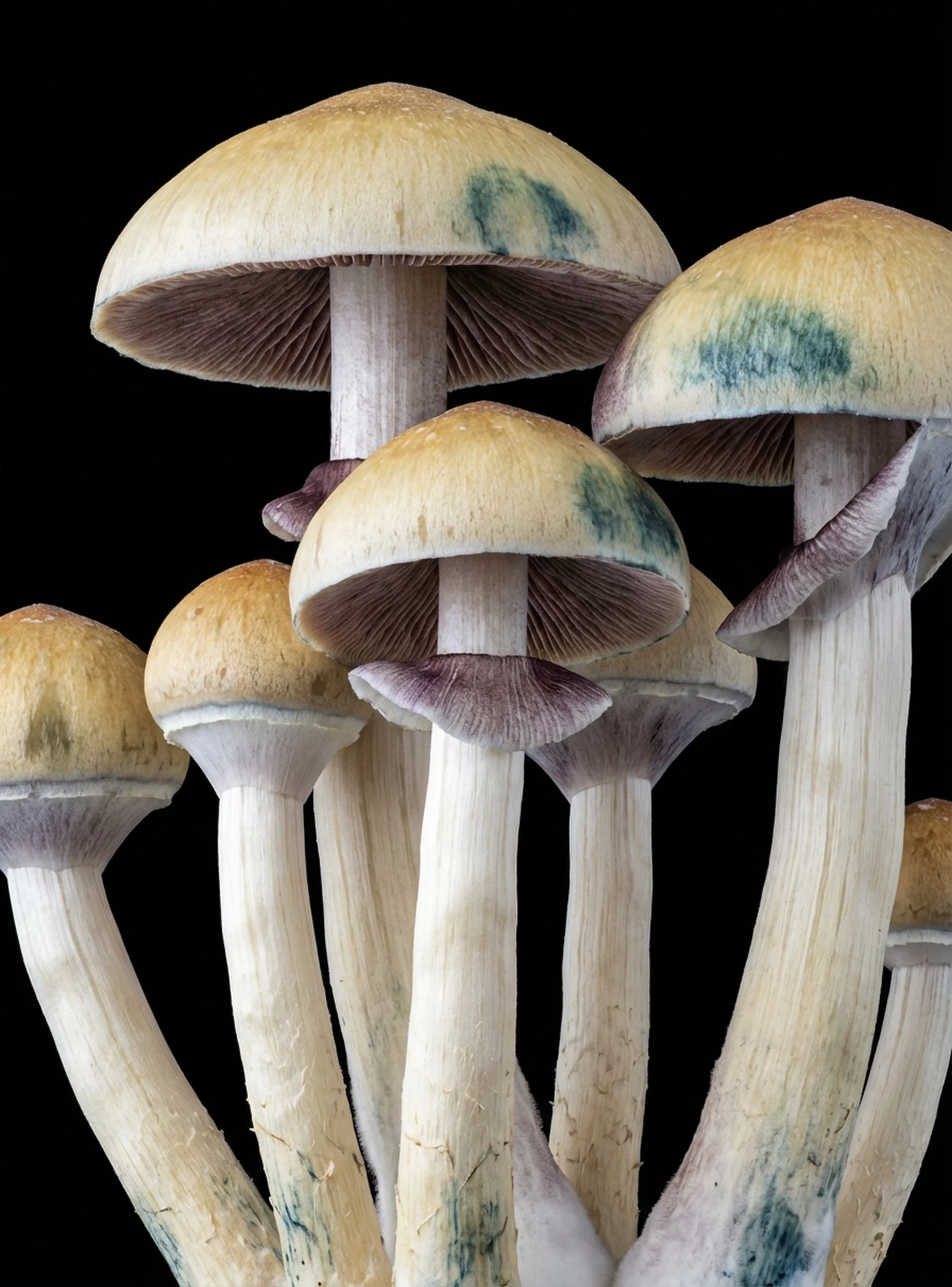
Psilocybin Mushrooms
Psilocybe cubensis (and 200+ species)
Hallucinogenic · 4-6 hours · Moderate

Ayahuasca
Banisteriopsis caapi + Psychotria viridis
Hallucinogenic · 4-8 hours · Intense
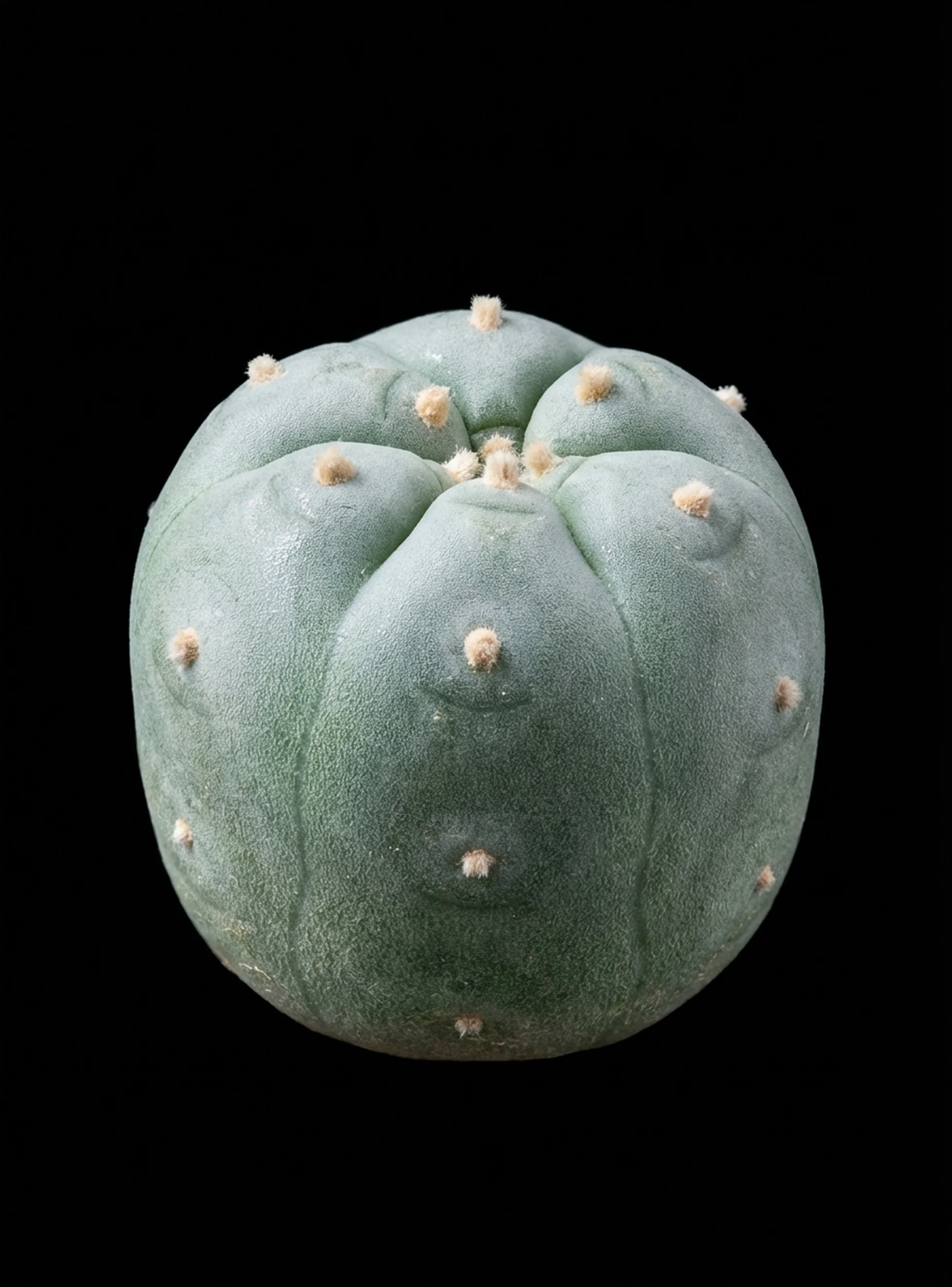
Peyote
Lophophora williamsii
Hallucinogenic · 10-12 hours · Intense
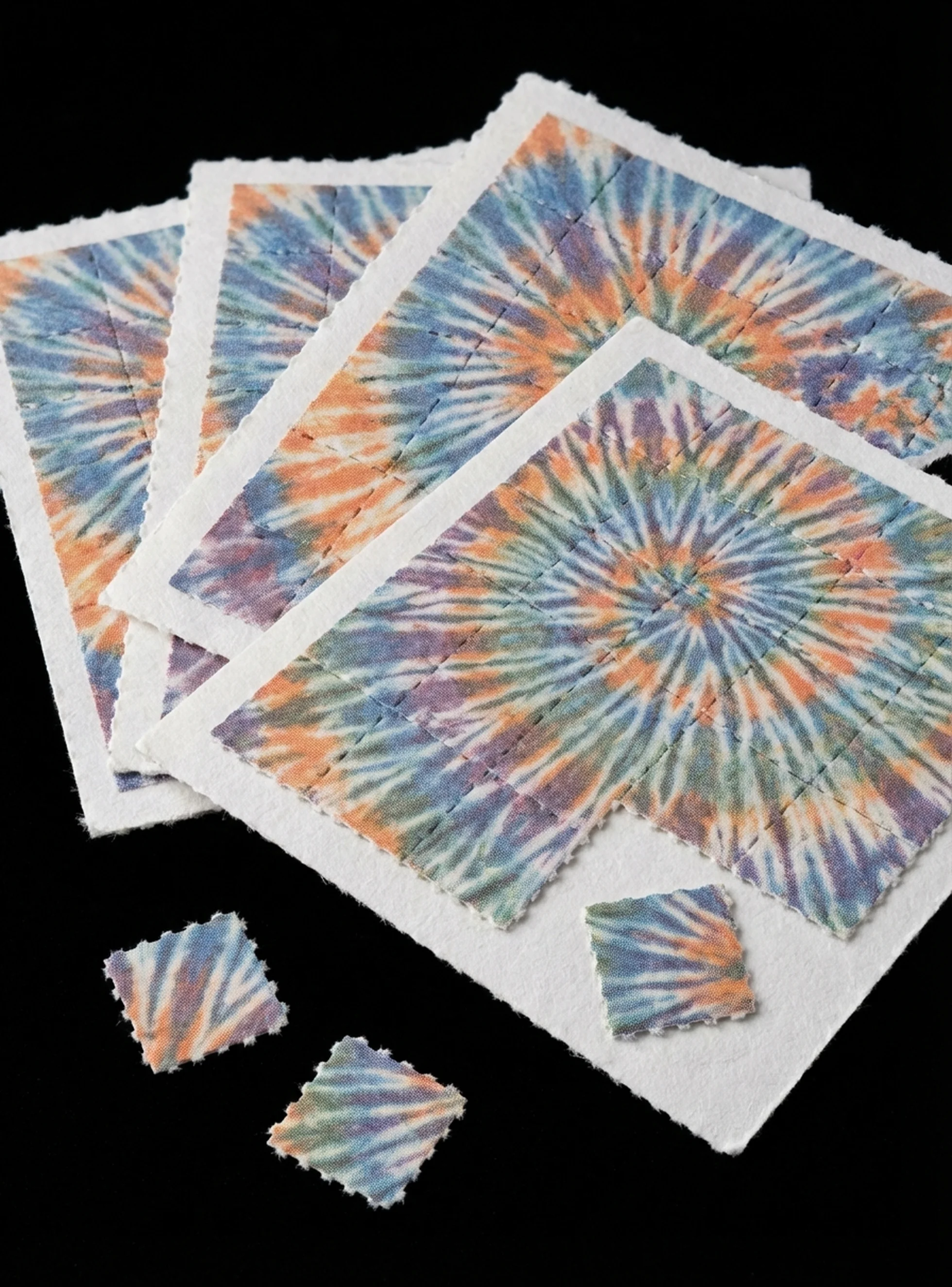
LSD
Claviceps purpurea
Psychedelic · 8-12 hours · Moderate
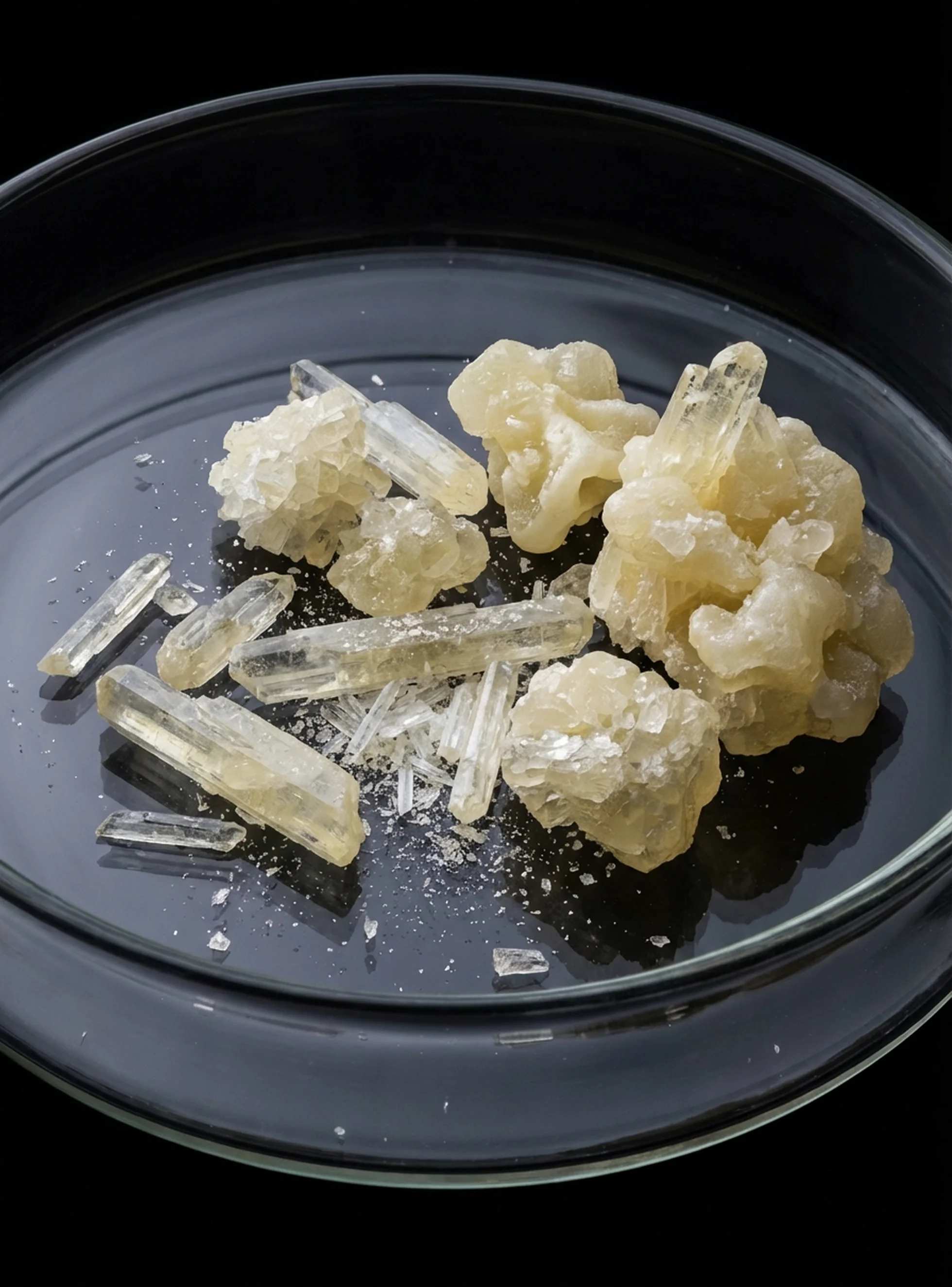
DMT
Psychotria viridis
Psychedelic · 5-20 minutes (smoked) · Intense
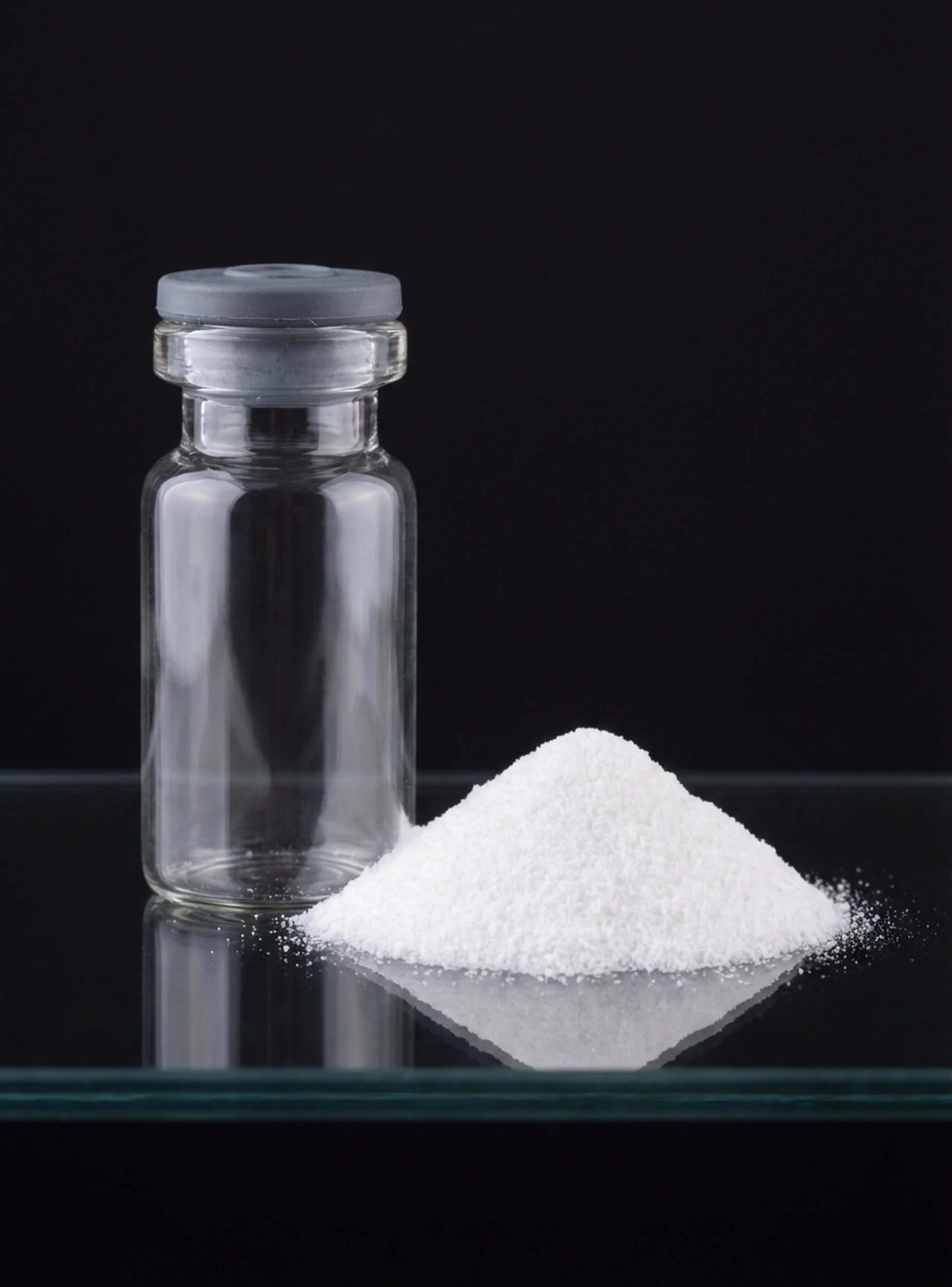
Ketamine
Ketamine hydrochloride
Dissociative · 1-2 hours · Moderate